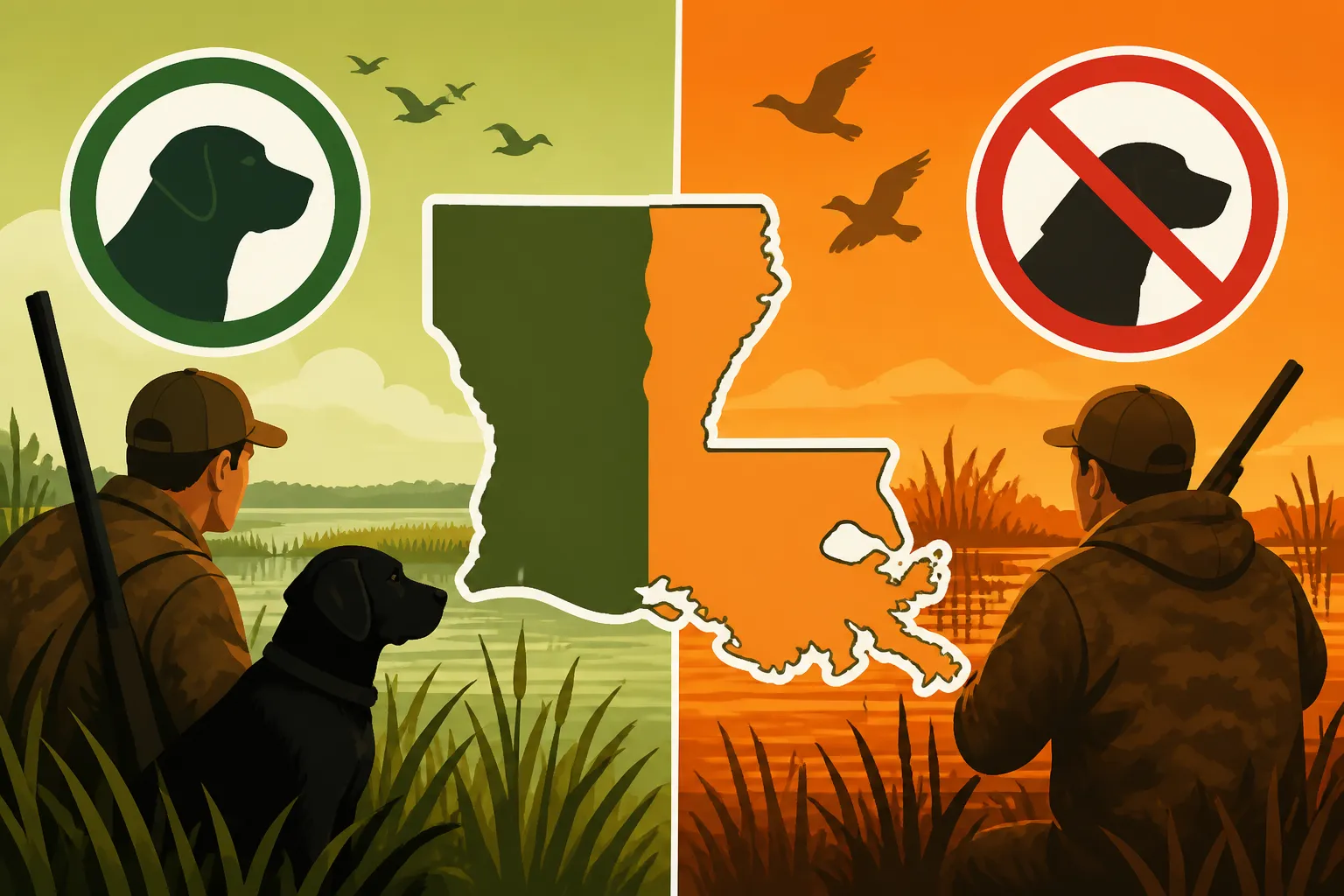
Area 1’s Dog and No-Dog Windows
Trying to make sense of Louisiana's deer hunting regulations can feel like navigating the swamp itself – confusing, ever-changing, and sometimes, you just want to throw your hands up. One of the trickiest aspects for many hunters, especially those new to a specific region or non-residents, is understanding the intricate dance between dog and no-dog hunting windows, particularly in an area like Deer Area 1. This guide aims to cut through that confusion, clarifying when you can hit the woods with your canine companions and when you need to switch to still-hunting tactics in Louisiana's Area 1.
Understanding Louisiana's Deer Area System
Louisiana's approach to deer management is both highly localized and, frankly, a bit complex, which can be a real headache for hunters just trying to plan their season. The state isn't just one big hunting zone; it's carved up into ten distinct deer management areas, each with its own set of rules, seasons, and harvest limits. This often leaves hunters scratching their heads, wondering why the regulations can vary so drastically from one parish line to the next.
Why Louisiana Has Different Deer Areas
The reason for this segmentation isn't to make life harder for us, although it often feels that way! It's actually a strategic approach by the Louisiana Department of Wildlife and Fisheries (LDWF) to effectively manage deer populations across diverse habitats and hunter pressures. Think about it: the vast, dense bottomland hardwoods of the Mississippi River Delta are completely different ecologically from the rolling pine hills of North Louisiana or the agricultural fields in the central part of the state. Deer populations in these areas face different food sources, different predation levels, and varying amounts of human impact.
For instance, some areas might have booming deer numbers that require a longer season or more liberal harvest limits to control herd health and prevent overbrowsing. Other areas might be recovering from EHD outbreaks or have lower deer densities, necessitating shorter seasons or stricter buck limits to allow the population to rebound. The differing regulations also help to manage hunter crowding and ensure a quality experience, even if it means more homework for us. It’s a necessary evil to keep our deer herds healthy and sustainable for future generations. If you're looking for a broader overview, you can dive deeper into Louisiana's Ten Deer Hunting Areas Explained to see how they all fit together.
The Basics of Deer Area 1
Deer Area 1 covers a significant portion of northwest and west-central Louisiana, encompassing parishes like Caddo, Bossier, Webster, Claiborne, Bienville, Red River, Natchitoches, and parts of De Soto, Sabine, and Vernon. This region is predominantly characterized by pine forests, mixed pine-hardwood stands, and some agricultural lands interspersed throughout. It's a landscape that often provides excellent deer habitat, supporting a healthy deer population, but it also sees a fair amount of hunting pressure.
What makes Area 1 particularly interesting, and sometimes a source of confusion, is its specific blend of rules regarding hunting methods. Unlike some other areas that might have more straightforward season structures, Area 1 often has staggered openings and specific windows for different hunting methods, particularly concerning the use of dogs. Hunters often find that what works in the thick, wet bottoms of the Atchafalaya Basin might be entirely different from the strategies needed in Area 1's drier, more open pine stands. Understanding the nuances of this area is key to a successful hunt. For a deeper dive into the overall landscape, you can always check out How Louisiana's Ten Deer Areas Differ.
The Specifics of Area 1's Dog Hunting Windows
Hunting with dogs in Louisiana is a long-standing tradition for many, particularly in specific regions where it's deeply ingrained in the local hunting culture. However, it's not a free-for-all, and the regulations around it are quite precise. For Area 1, understanding when you can unleash your hounds and when you absolutely cannot is paramount to staying legal and safe.
Defining "Hunting with Dogs"
Before we get into the dates, let's clarify what Louisiana's LDWF means by "hunting with dogs" for deer. Generally, this refers to using dogs to actively track, chase, and flush deer for hunters. This isn't about having your retriever by your side for small game or a bird dog working a field; it's specifically about deer hounds used to move deer. The intent is clear: if your dogs are actively pursuing deer and influencing their movement in a way that aids your deer hunt, you're considered to be hunting with dogs.
It's crucial to distinguish this from using a leashed dog for blood trailing a wounded deer, which is typically permitted at any time, often with specific regulations regarding leash length and reporting requirements. The "dog hunting" seasons we're discussing here pertain to the practice of free-ranging dogs driving deer. This traditional method can be incredibly effective, especially in dense cover where still-hunting is challenging, but it also requires careful coordination and respect for property lines and other hunters. For a broader look at the rules surrounding this method, check out Hunting With Dogs Where Louisiana Allows It.
Key Dates for Dog Hunting in Area 1
Area 1 typically has specific, often short, windows during which hunting deer with dogs is permitted. These dates are meticulously planned by the LDWF to balance tradition, hunter opportunity, and deer management goals. The exact dates can shift slightly from year to year, so always consult the most current LDWF hunting regulations pamphlet or their online resources before heading afield.
Historically, dog hunting in Area 1 has often been concentrated in particular segments of the season, often coinciding with specific rutting periods or late-season opportunities. For instance, you might see an initial window for still-hunting, followed by a period where dog hunting is allowed, and then perhaps another still-hunting phase. These windows are not arbitrary; they're designed to either provide a specific type of hunting experience or to apply pressure on deer populations during certain times.
Let's look at a hypothetical (but historically typical) example to illustrate how these windows might be structured. Remember, these are illustrative and subject to change annually by LDWF.
| Hunting Method | Season Segment | Dates (Illustrative) | Notes |
|---|---|---|---|
| Archery | Early Season | Oct 1 – Nov 30 | No dogs permitted |
| Primitive Firearm | Early Season | Oct 21 – Oct 27 | No dogs permitted |
| Still-Hunt (No Dogs) | Firearms Season 1 | Nov 1 – Dec 1 | Focus on stand hunting, stalking |
| Dog Hunting | Firearms Season 2 | Dec 2 – Dec 15 | Traditional dog drives, significant deer movement expected |
| Still-Hunt (No Dogs) | Firearms Season 3 | Dec 16 – Jan 15 | Late season opportunities, often targeting pressured deer |
| Youth/Veterans | Special Weekend | Nov 18-19 | No dogs permitted; specific regulations for participants apply |
As you can see from this table, the dog hunting window in Area 1 is a distinct period. It's not sprinkled throughout the entire season. This concentrated approach means that if you plan to hunt with dogs, you need to mark these dates clearly on your calendar. Conversely, if you prefer still-hunting, you'll need to know which dates to avoid if you want to steer clear of the potential disruption of dog drives, or simply understand that deer behavior will be different during those times. Hunters often utilize platforms like GoHunt to keep track of these dynamic regulations and even overlay them with property boundaries, especially when planning a hunt on a new piece of land. It’s a great way to stay organized.
Navigating Area 1's No-Dog Windows
While dog hunting is a rich tradition in parts of Louisiana, the majority of the deer season, across all areas, often revolves around still-hunting methods. For Area 1, understanding and embracing these "no-dog windows" is crucial for any hunter, whether you typically hunt with dogs or not. These periods offer a completely different hunting experience and require a distinct set of strategies.
When Dogs Are Not Permitted
Throughout much of Area 1's deer season, particularly during the archery, primitive firearms, and significant portions of the modern firearms seasons, the use of dogs to pursue deer is strictly prohibited. This means that hunters must employ methods like still-hunting, stand hunting, stalking, or even organized deer drives without the aid of dogs. The dates for these no-dog windows are clearly delineated in the annual LDWF hunting regulations, and it's imperative that every hunter knows and respects them.
Violating these rules isn't just a minor infraction; it can lead to hefty fines, loss of hunting privileges, and confiscation of equipment. Wildlife enforcement agents are vigilant, especially in areas known for dog hunting traditions, to ensure compliance during no-dog periods. The reason for these restrictions is multifold: it provides a different challenge for hunters who prefer a quieter, more patient approach, it reduces the risk of dogs inadvertently trespassing onto private lands, and it allows deer to settle into more predictable patterns, making them more susceptible to still-hunting tactics. For those who enjoy the solitude and challenge of hunting without canine assistance, these windows are prime time. Consider exploring techniques like Still-Hunting Kisatchie Hills Wilderness for relevant tactics, even if you aren't in Kisatchie itself. The principles of quiet movement and keen observation are universal.
Strategic Advantages of No-Dog Windows
For many dedicated deer hunters, the no-dog windows are actually preferred. They offer a unique set of strategic advantages that can lead to incredible success if approached correctly.
First and foremost, during no-dog periods, deer tend to establish more consistent routines. They'll typically bed down in specific areas, travel along predictable routes to food sources, and exhibit less erratic behavior. This makes scouting, trail camera usage, and stand placement far more effective. You can pattern deer, understand their movements, and set up ambushes with a much higher degree of confidence.
Secondly, the woods are generally quieter. The absence of barking hounds and the associated human activity means a more serene hunting environment. This allows hunters to focus on subtle signs, listen for approaching deer, and employ quieter calling strategies. Rattling and grunting, for example, can be incredibly effective during these periods, especially as bucks transition from post-rut to late-season behavior. If you’re considering these methods, Rattling and Grunting in Louisiana provides excellent guidance. A quieter environment allows your calls to carry further and for deer to respond without being pushed by dogs.
Finally, no-dog windows allow for a more intimate hunting experience. It's about outsmarting the deer on their terms, relying on your woodsmanship, scent control, and patience. For those who enjoy the chess match of deer hunting, pitting their skills against the keen senses of a whitetail, these are the golden opportunities.
Practical Considerations for Area 1 Hunters
Hunting in Area 1, with its distinct dog and no-dog seasons, requires more than just knowing the dates; it demands practical planning and an understanding of how these rules interact with different land types. Whether you're a seasoned local or someone new to the area, a few key considerations can make or break your hunt.
Public Land vs. Private Land Rules
One of the biggest distinctions you'll encounter in Area 1, as with much of Louisiana, is the difference in regulations between public and private land. While the statewide deer area regulations (including dog and no-dog windows) provide the overarching framework, public lands – specifically Wildlife Management Areas (WMAs) and national forests like Kisatchie – often have additional, more restrictive rules.
For example, many WMAs in Area 1 might have entirely different season dates for deer, or they might prohibit dog hunting altogether, even during a statewide dog hunting window. This is usually due to management goals specific to that WMA, high hunter pressure, or a desire to offer a still-hunting-only experience. It's not uncommon for a WMA within Area 1 to be a "still-hunt only" zone, meaning that even if private land in the surrounding parish allows dog hunting on a certain date, it's strictly forbidden on the WMA.
Before planning any public land hunt in Area 1, you must consult the specific WMA regulations for the area you intend to hunt. These are usually available as a separate pamphlet or downloadable PDF from the LDWF website. Failure to do so can easily lead to a violation. On private land, however, as long as you have permission and adhere to the statewide Area 1 regulations, you'll generally follow the dog/no-dog windows as outlined in the general rules. This distinction is critical, and many hunters utilize platforms like GoHunt to keep track of these dynamic regulations and even overlay them with property boundaries, especially when planning a hunt on a new piece of land. It’s a great way to stay organized and ensure you're compliant no matter where you set foot. For a general overview of these lands, check out Public Hunting Land in Louisiana.
Planning Your Hunt Around Dog and No-Dog Windows
Effectively planning your Area 1 hunt means more than just picking a weekend; it means strategically aligning your hunting style with the permitted methods.
If you're a dog hunter, you'll want to concentrate your efforts during the specified dog hunting windows. This means having your dogs trained, in shape, and knowing the legal boundaries of the land you're hunting to prevent issues with neighboring properties. You might prioritize these specific weeks or weekends, reserving your annual leave or planning your trips around them.
If you prefer still-hunting, you have a couple of options. You can either plan your hunts exclusively during the no-dog windows, seeking out quieter times when deer are less pressured by dogs. These periods are often excellent for stand hunting, stalking, or trying calling techniques. Alternatively, you can acknowledge the dog hunting windows and adjust your tactics. During these times, deer are often pushed and moving, which can present opportunities if you're positioned correctly along escape routes or funnels. However, you'll need to be extra vigilant and aware of other hunters and their dogs.
Regardless of your preferred method, always consider the impact of the rut in Area 1. The timing of the rut can coincide with either dog or no-dog windows, influencing deer behavior significantly. Understanding Hunting the Louisiana Rut by Area can help you predict when bucks will be most active, regardless of the hunting method restrictions. Before hitting the woods, always double-check the latest regulations on the LDWF website or reliable hunting apps like GoHunt. This ensures you're fully prepared and compliant with the most current rules.
Impact on Deer Behavior and Hunter Success
The shift between dog and no-dog hunting windows in Area 1 isn't just about legalities; it profoundly impacts deer behavior and, consequently, your hunting success. Understanding these dynamics is crucial for adapting your strategies and making the most of your time in the woods.
How Dog Hunting Affects Deer Movement
When dog hunting is in full swing, particularly during the designated windows in Area 1, deer behavior changes dramatically. Instead of their typical, somewhat predictable patterns of feeding and bedding, deer become far more agitated and migratory. The sound of barking hounds sends deer into escape mode, often causing them to run for miles, seeking dense cover or crossing property lines.
This intense pressure can fragment established herds, push deer out of their preferred home ranges, and make them incredibly wary. If you're still-hunting during or immediately after a dog hunting period, you might find that familiar areas are eerily quiet, or that deer are moving in unexpected ways. They might be more nocturnal, bedded down in thicker, less accessible areas, or simply moved completely out of the immediate vicinity. For deer, a dog drive is a survival event, and their reactions are instinctual and powerful. This increased movement can create opportunities for hunters positioned along escape routes or funnel points, but it also makes patterning deer a much more fluid and challenging endeavor.
Adapting Tactics for Different Windows
Successfully hunting Area 1 means being a versatile and adaptable hunter. Your tactics should shift significantly based on whether you're in a dog hunting or no-dog window.
During Dog Hunting Windows:
If you're participating in a dog drive, the key is coordination and safety. Knowing where your fellow hunters are positioned, understanding the land, and having a plan for handling dogs are paramount. If you're still-hunting during these windows, perhaps on a private tract adjacent to dog hunting land, your strategy needs to be defensive. Focus on setting up along traditional escape routes, property lines, or natural funnels where deer might be pushed. This could involve scouting out bottlenecks between two sloughs or ridges that deer might use to escape pressure. You'll likely see deer moving at a faster pace, so quick, ethical shot opportunities are important. Many hunters find Deer Drives on Louisiana Public Land offers insight into how deer react to being pushed, which can inform your stand placement.
During No-Dog Windows:
This is when precision and patience pay off. Still-hunting techniques, stand hunting over food plots or natural browse, and careful stalking become the dominant methods. Deer are more likely to be on their regular patterns, making diligent scouting and trail camera work invaluable. Focus on identifying bedding areas, primary food sources, and the travel corridors connecting them. Set up your treestands or ground blinds strategically, paying close attention to wind direction and entry/exit routes. This is the prime time for using calls like grunts and rattles to entice curious bucks, as they won't be as wary of a dog hot on their trail. Consider how best to use Treestand Setups in Kisatchie National Forest principles, adapting them to the specific habitat you're hunting in Area 1, to maximize your visibility and shooting lanes. The quieter environment allows for a more contemplative hunt, where subtle details can lead to success.
Common Misconceptions and Legal Adherence
Despite the LDWF's best efforts to disseminate information, misunderstandings about Area 1's dog and no-dog windows persist. These can often lead to frustration, conflict, or, worse, unintended legal violations. Staying informed and adhering strictly to the rules is not just about avoiding penalties; it's about respecting the deer, the land, and your fellow hunters.
Avoiding Accidental Violations
It's surprisingly easy to accidentally violate hunting regulations, especially when dealing with complex, staggered seasons like those in Area 1. A common misconception is assuming that if dog hunting is legal on private land in a particular parish, it's automatically legal on any public land or neighboring private land. This is simply not true. As discussed, WMAs and National Forest lands often have their own, more restrictive rules that supersede general area regulations. Not checking the specific regulations for the exact parcel of land you intend to hunt is a recipe for trouble.
Another frequent mistake involves the definition of "dog hunting" itself. Some hunters might mistakenly believe that if their dog isn't actively chasing a deer, but rather "ranging freely" and happens to bump one, it's not a violation. However, if the intent or effect is to use the dog to move deer for the hunt, it's considered dog hunting and must fall within the designated windows. Even having a non-hunting dog off-leash in an area where dog hunting is prohibited can be problematic, as it could be perceived as interfering with other hunters or deer. Remember that general safety regulations, like Louisiana Blaze Requirement During Gun Season, apply regardless of dog hunting status, so always wear your orange during gun seasons.
Furthermore, a significant point of contention can arise when dog hunting crosses property lines. Even if you are hunting legally with dogs on your own land, if your dogs pursue deer onto unleased or unpermitted private property, it can lead to serious issues. Respecting property boundaries is paramount for ethical hunting and maintaining good landowner relations. This often means carefully planning your dog drives to keep dogs contained or having pre-arranged agreements with adjacent landowners.
Staying Informed with LDWF Resources
The absolute best way to avoid accidental violations and ensure a legal, ethical hunt in Area 1 is to make annual consultation of the official Louisiana Department of Wildlife and Fisheries (LDWF) regulations a non-negotiable part of your hunting preparation. Do not rely solely on hearsay, old pamphlets, or what "everyone else does." Regulations can and do change each year based on population surveys, habitat conditions, and public input.
The LDWF publishes its hunting regulations annually, usually available online as a PDF download and in print at license vendors. This document is your authoritative source for all season dates, bag limits, and method restrictions for every deer area and WMA. Pay close attention to the sections specifically detailing Area 1 and any public lands you plan to visit. The LDWF website also often provides updates and alerts throughout the season, so it's a good practice to check it periodically. While resources like GoHunt aggregate a lot of data, the official LDWF regulations are always the final word.
Beyond just reading the regulations, consider using the LDWF's online mapping tools or their mobile app, which can often show WMA boundaries and highlight specific regulations for public lands. Take the time to mark these dates and rules on your personal calendar or hunting app. A few minutes of preparation can save you a significant amount of trouble and ensure you have a truly enjoyable and compliant hunt in Area 1.
Disclaimer
The information provided in this article is for general guidance and informational purposes only, and does not constitute legal advice. Hunting regulations in Louisiana are subject to change by the Louisiana Department of Wildlife and Fisheries (LDWF). Hunters are solely responsible for understanding and complying with all current state and local hunting laws, regulations, and license requirements. Always consult the official, most up-to-date LDWF hunting regulations pamphlet and website before participating in any hunting activity.