Louisiana Hunter Education Requirements
Hunting in Louisiana is a rich tradition, a way of life for many, but for newcomers or young hunters, navigating the requirements can feel like slogging through thick marsh mud. It's easy to get confused about who needs a hunter education course, where to take one, and what kind of certification you actually need to carry in the field. This guide is here to untangle all that, ensuring you're fully prepared and legal for your next outdoor adventure in the Sportsman's Paradise.
Who Needs Hunter Education in Louisiana?
Let's be honest, figuring out if you actually need to sit through a hunter education course can be the first hurdle. Many folks assume it's just for kids, or maybe only for those brand new to hunting. But Louisiana's regulations cast a slightly wider net, designed to ensure everyone participating in the harvest of game understands the critical aspects of safety and conservation. It's not just about ticking a box; it's about making sure every hunter is a safe and responsible one.
The General Rule: Age and Exceptions
The core rule in Louisiana is pretty straightforward: if you were born on or after September 1, 1969, you absolutely must show proof of successfully completing a hunter education course to legally hunt in the state. This applies to both residents and nonresidents alike. So, if you're hitting the woods for deer season or planning a duck hunt in the marsh, and your birth year falls into that category, consider hunter education a non-negotiable part of your gear list, right up there with your firearm and license. It's the law, and wildlife enforcement agents don't make exceptions for "I forgot" or "I didn't know." The purpose here isn't to make hunting harder, but to instill a baseline of knowledge and responsibility that protects everyone.
There are, of course, a few exceptions to this general rule, which can sometimes lead to confusion. For instance, individuals 60 years of age or older are exempt from the hunter education requirement. This recognizes that many seasoned hunters from earlier generations gained their skills and safety knowledge through decades of practical experience, long before formal hunter education became widespread. While exempt, it's still highly encouraged for even experienced hunters to refresh their knowledge of current regulations and best practices. Another key exception, and one that has significantly broadened access for new hunters, is the Apprentice Hunter Program, which we'll dive into in detail shortly. These specific exemptions are designed to balance safety goals with traditional hunting participation and access for new entrants.
Minimum Age for Unsupervised Louisiana Hunting
Beyond simply needing hunter education, there's a related question many parents and guardians ponder: at what age can a young person hunt without direct supervision? This is where Louisiana's regulations get a little more specific. Generally speaking, to hunt unsupervised on your own, you must be 16 years of age or older, and have successfully completed a hunter education course, if required by your birth year. This ensures that any minor hunting independently has demonstrated a foundational understanding of safety and regulations.
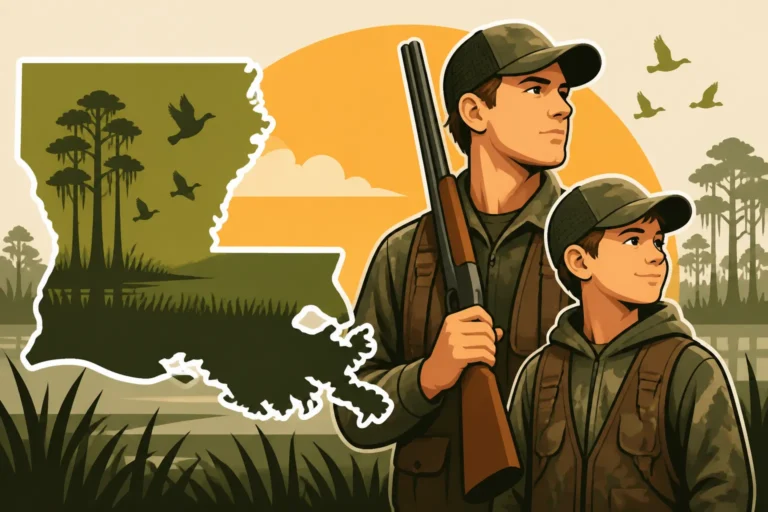
However, Louisiana recognizes the invaluable role of mentorship in passing on hunting traditions. For youth under 16, or those 16 and older who haven't yet completed hunter education, they can still participate in hunting activities as long as they are directly supervised. This supervision isn't a casual affair; the supervising adult must be at least 18 years old, possess a valid hunting license, and be hunter education certified (if required for their birth year). This direct oversight provides a crucial safety net and a hands-on learning environment for young hunters. You can learn more about the specifics of Minimum Age for Unsupervised Louisiana Hunting to ensure your young hunter is always hunting legally and safely. It’s all about creating a safe pathway for the next generation of outdoors enthusiasts.
Understanding the Apprentice Hunter Exemption
One of the most valuable tools for introducing new hunters to the field, especially adults who might not have time for a full course right away, is Louisiana's Apprentice Hunter Program. This program offers a temporary exemption from the hunter education requirement. Essentially, it allows an individual who has not yet completed a hunter education course (and is required to) to hunt under the direct supervision of a licensed, hunter-education-certified adult. It's a fantastic stepping stone, letting folks get some real-world experience before committing to the full course.
The beauty of the apprentice license is that it lets aspiring hunters experience the thrill of the hunt firsthand. Imagine you've got a buddy who's always wanted to try deer hunting, but life keeps getting in the way of a hunter ed class. With an apprentice license, they can join you, learn the ropes, and see if it's truly for them. This practical exposure can be incredibly motivating to then go and complete the formal education. However, it's not a permanent solution; the apprentice license is designed to be a temporary bridge, not a substitute, for long-term hunter education certification. It provides a taste of the outdoors, hopefully sparking a lifelong passion while emphasizing safety and guidance from an experienced hunter.
Navigating the Louisiana Apprentice Hunter License Program
The Apprentice Hunter Program is a true gem for Louisiana hunting, offering a practical pathway for folks to get their feet wet in the field under expert guidance. It's a way to break down some of the initial barriers to entry, making it easier for new hunters to experience the outdoors before they fully commit to the hunter education course. This program acknowledges that sometimes, the best way to learn is by doing, but always with a seasoned hand nearby.
How the Apprentice License Functions
The Louisiana Apprentice Hunter License Rules are designed to be quite user-friendly. When an individual purchases an apprentice license, they are legally allowed to hunt without having first completed the hunter education course, provided they adhere to strict supervision requirements. This license serves as proof of their enrollment in the program, signaling to wildlife agents that they are participating legally. It's essentially a "learner's permit" for hunting. The license itself is usually valid for a standard license year, giving the apprentice ample opportunity to hunt various seasons while planning to take their full hunter education course. It's crucial to understand that while it offers an exemption, it doesn't waive the need for a general hunting license or any species-specific tags, like for deer or turkey, which must still be purchased.
The critical piece of the apprentice license puzzle is the supervision. An apprentice hunter must be under the direct supervision of a licensed, hunter-education-certified hunter who is at least 18 years old. "Direct supervision" means exactly what it sounds like: the supervising hunter must be within normal voice communication and in direct sight of the apprentice hunter at all times. This isn't a situation where you drop your apprentice off at one stand and you go to another. The intent is constant oversight, ensuring immediate instruction, correction, and safety intervention if needed. This hands-on, real-time mentorship is what makes the apprentice program so effective for initial learning.
The Critical Role of the Mentor
If you're going to supervise an apprentice hunter, your role as a mentor is absolutely paramount, far beyond just fulfilling a legal requirement. You become the primary source of knowledge, safety instruction, and ethical guidance. It's on you to teach everything from safe firearm handling and shot placement to understanding game behavior and respecting regulations. This includes ensuring the apprentice knows where the muzzle is pointed, how to load and unload safely, and perhaps most importantly, when not to take a shot. The mentor is also responsible for ensuring the apprentice understands and abides by all bag limits, season dates, and specific rules for the area they are hunting, which might involve understanding How Louisiana's Ten Deer Areas Differ or the nuances of Hunting Pressure on Louisiana Public Land.
Beyond the nuts and bolts of hunting, a good mentor also instills the ethical dimensions of the sport. This means teaching respect for wildlife, land, and fellow hunters. It's about demonstrating patience, understanding animal sign, and making responsible decisions in the field. It’s also about teaching them to properly identify game. For instance, distinguishing between a legal buck and an antlerless deer requires keen observation and knowledge, and the mentor is there to guide that learning process in real-time. This mentorship is not just about compliance; it's about shaping future generations of conservationists and responsible outdoor citizens. The experience of hunting side-by-side with an experienced mentor can lay a foundation of good habits and respect that a classroom setting simply can't replicate.
Transitioning from Apprentice to Certified Hunter
The apprentice license is a temporary measure, a bridge to full certification. The ultimate goal for any apprentice hunter is to successfully complete a recognized hunter education course and obtain their permanent certification. Louisiana's program encourages this transition, recognizing that while field experience is invaluable, the formal course provides a comprehensive overview of safety, regulations, and conservation principles that are essential for independent hunting. Once an apprentice hunter completes the course and receives their certification card, they can then purchase a regular hunting license without the need for direct supervision (assuming they meet the age requirements for unsupervised hunting).
Many hunters find that taking the hunter education course after having some apprentice hunting experience is actually more beneficial. The concepts taught in the classroom or online, such as safe zones of fire or ethical shot angles, resonate more powerfully when they can be related back to real-life situations encountered in the field. This practical context makes the learning more impactful and easier to retain. So, while the apprentice license gets you into the woods, completing the full course is the crucial next step to becoming a truly independent and knowledgeable Louisiana hunter. Don't delay the education once you've had a taste of the hunt; it's an investment in your safety and continued enjoyment of the sport.
Your Options for Completing Hunter Education
Once you've determined you need hunter education, the next step is figuring out the best way to get it done. The Louisiana Department of Wildlife and Fisheries (LDWF) offers several pathways, designed to accommodate different learning styles and schedules. Whether you prefer a hands-on, in-person approach or the flexibility of online learning, there's an option that will work for you. The key is to choose the method that ensures you truly absorb the material, not just pass a test.
Traditional In-Person Classes and Their Benefits
For many, the traditional in-person hunter education course remains the gold standard. These classes are typically taught by certified LDWF instructors, often active or retired wildlife agents, and passionate volunteers who bring a wealth of real-world experience to the classroom. You'll find these courses offered in communities across Louisiana, sometimes hosted by local schools, civic centers, or sporting goods stores. The schedule for these classes can be found on the LDWF website, and it's always a good idea to register early, as popular courses fill up quickly, especially closer to opening day of deer season.
The benefits of an in-person class are numerous. You get direct interaction with experienced instructors, allowing you to ask questions, clarify confusing regulations, and hear anecdotal examples that help cement the learning. The peer interaction can also be valuable, as you're learning alongside other new hunters who may have similar questions or perspectives. Furthermore, these courses often include practical, hands-on components that are difficult to replicate online. This might involve demonstrating safe firearm handling with inert training weapons, practicing carrying techniques, or participating in mock scenarios that reinforce safe shooting zones and field etiquette. This direct, interactive learning environment can be particularly effective for younger students or those who thrive in a structured setting.
Online Courses Paired with a Field Day
Recognizing the demands of modern life, Louisiana also offers an online hunter education option, providing much-needed flexibility. You can complete the bulk of the coursework from the comfort of your home, at your own pace. There are several approved online providers, such as the widely recognized GoHunt platform, which offer engaging and interactive modules covering all the required material. This is a fantastic choice for adults with busy work schedules, parents juggling family commitments, or anyone who prefers to learn independently.
However, the online course isn't a complete replacement for hands-on experience. After completing the online portion, you are still required to attend a mandatory "Field Day" or "Hunter Education Skills Test." This critical in-person component is where you demonstrate practical skills and safe firearm handling under the direct supervision of an LDWF instructor. During the field day, you'll typically review key safety rules, participate in a live-fire exercise at a shooting range (where available and appropriate), and prove your ability to apply the knowledge gained online in a practical setting. This two-part system ensures that while you get the convenience of online learning, you don't miss out on the vital practical skills and direct instruction necessary for safe hunting.
Finding a Course That Fits Your Schedule
The key to successfully completing hunter education is finding a course that genuinely works with your life. The LDWF website is your go-to resource for locating both traditional in-person classes and registering for field days after completing an online course. They have an updated schedule and registration portal that's usually quite easy to navigate. It's often smart to plan ahead, especially if you have a specific hunting season in mind. Don't wait until the week before opening day to try and find a class; you might find yourself out of luck!
Consider your learning style and time constraints. If you learn best in a group setting with direct instruction, an in-person class might be ideal, even if it means blocking out a weekend. If your schedule is unpredictable, the online option followed by a field day offers maximum flexibility. Just remember that the field day still requires a specific time commitment and travel, so factor that into your planning. Some people even benefit from completing a refresher course every few years, even if not required, just to stay sharp on regulations and best practices, especially with evolving topics like Louisiana's Chronic Wasting Disease Zones. By taking the initiative to find the right course, you're not just fulfilling a legal obligation; you're investing in your own safety and enjoyment of Louisiana's incredible hunting opportunities.
What You'll Learn in a Louisiana Hunter Education Course
Many folks might think hunter education is just about shooting straight, but it's so much more than that. Louisiana's curriculum is comprehensive, designed to create well-rounded, responsible outdoorsmen and women. It covers everything from the ethical considerations of hunting to the specific regulations that keep our wildlife populations healthy and thriving. This isn't just a class; it's an immersive dive into the principles that underpin our hunting heritage.
Fundamental Firearm and Archery Safety
At its core, hunter education is about safety. You'll learn the cardinal rules of firearm safety: always treat every firearm as if it's loaded, always keep the muzzle pointed in a safe direction, always keep your finger off the trigger until ready to shoot, and always be sure of your target and what's beyond it. These aren't just suggestions; they are non-negotiable principles that prevent accidents. Instructors will walk you through various types of firearms, their components, and how to safely load, unload, carry, and store them. This includes understanding the safe zones of fire when hunting with others, a critical skill to prevent accidents in the field, especially during activities like Deer Drives With Three or Four Hunters.
For those interested in archery, the course also dedicates significant attention to bowhunting safety. This covers everything from proper arrow selection and broadhead handling to safe shooting practices and understanding your draw weight. You'll learn about treestand safety, which is absolutely vital for bowhunters and gun hunters alike, covering proper harness use, ascending and descending techniques, and emergency procedures. The goal is to ensure that no matter your weapon of choice, you possess the knowledge and discipline to handle it responsibly and prevent any mishaps. It's about developing habits that will keep you, and everyone around you, safe in the woods.
Conservation Principles and Ethical Hunting Practices
Beyond the mechanics of safety, hunter education in Louisiana delves deep into the spirit of conservation. You'll gain an understanding of wildlife management principles, learning how hunting license fees and excise taxes on hunting equipment directly fund conservation efforts through programs like the Pittman-Robertson Act. This connection between hunters and conservation is a powerful story, showing how our sport directly contributes to the health and abundance of wildlife populations. You'll also learn about habitat management, population dynamics, and the role of hunters in monitoring game health.
Ethical hunting practices are another cornerstone of the curriculum. This isn't just about following the law, but about demonstrating respect for the animal, the land, and other hunters. Topics include fair chase principles, proper field dressing techniques to ensure game meat is handled respectfully, and the importance of recovering game efficiently. You'll also discuss landowner relations, ensuring that if you're hunting on private property, you understand the courtesies and responsibilities involved, which can sometimes mean asking a Louisiana Farmer for Permission and maintaining those relationships. The course emphasizes that being an ethical hunter means leaving a positive impression, upholding the traditions of the sport, and serving as an ambassador for hunting.
Navigating Louisiana's Hunting Regulations
Louisiana's hunting regulations can be complex, with different seasons, bag limits, and rules depending on the game species and the specific hunting area. The hunter education course dedicates ample time to helping you understand how to read and interpret the annual Louisiana Hunting & Fishing Regulations booklet (which you can access via the Scouting With the LDWF App). You'll learn about different deer areas, such as the specifics of Areas 5, 6 and 9's Long Either-Sex Window, and how those affect season dates and harvest potential. The course covers everything from legal shooting hours and blaze orange requirements (you might even learn about Blaze Pink Options Under Louisiana Law) to methods of take and special regulations for Wildlife Management Areas (WMAs).
Understanding these regulations is crucial not just for legal compliance, but for effective hunting. Knowing when the rut peaks in your area, or what the bag limit is for squirrels, directly impacts your hunting strategy. The course also touches on important topics like reporting your harvest (you'll need to know about Louisiana Deer Reporting Requirements) and understanding the emerging challenges of Louisiana's Chronic Wasting Disease Zones. By breaking down these regulations in a structured way, hunter education equips you with the knowledge to make informed decisions in the field, ensuring your hunting experience is both enjoyable and lawful.
Proving Your Certification: Carrying and Replacing Your Card
Once you've put in the time and effort to complete your hunter education, you’ll naturally want to ensure you can prove it when it counts. Wildlife agents in Louisiana are diligent, and carrying proper documentation is just as important as having the right gear. Don't let a technicality ruin your hunt after all your hard work!
Acceptable Proof and Digital Options
When a wildlife agent asks for proof of your hunter education, you need to be ready. The most common and widely accepted form of proof is your physical Hunter Education certification card. This card, often a sturdy, credit-card-sized plastic or laminated paper, is issued upon successful completion of your course and serves as your official document. It's smart to keep this card with your hunting license and other permits, perhaps in a waterproof wallet or lanyard, ensuring it’s protected from the elements and easily accessible.
However, Louisiana, like many states, has embraced technology to make things a little easier for hunters. You can often carry digital proof of your hunter education certificate on your smartphone. This might be a digital copy of your certificate or, even better, access through the LDWF’s official app or website, which can display your education status linked to your license. While digital proof is generally accepted, it's always a good idea to have a backup, especially if you plan to hunt in remote areas where cell service might be unreliable. A printed copy stored safely in your pack can be a lifesaver if your phone battery dies or you lose signal. The key is to have readily verifiable proof that you've met the requirements.
What to Do if Your Hunter Education Card is Lost
Life happens, and sometimes, despite our best efforts, important documents go missing. Losing your hunter education card can feel like a setback, especially if hunting season is just around the corner. But don't panic! The process for replacing a lost card in Louisiana is relatively straightforward. You generally won't need to retake the entire course, thankfully.
Your first step should be to visit the LDWF website. They typically have an online portal or a contact section dedicated to hunter education records. You'll likely need to provide some personal information, such as your full name, date of birth, and perhaps the approximate year or location where you took your course. LDWF maintains records of all certified hunters, so they can usually verify your completion and issue a replacement. There might be a small administrative fee associated with obtaining a new card, so be prepared for that. Some online platforms, like GoHunt, might also offer a way to re-download or request a duplicate certificate if you completed your initial course through their service. Remember to plan ahead and request a replacement well before you head out into the field to avoid any last-minute stress or potential Louisiana Wildlife Violation Penalties for not having proper documentation.
Hunter Education for Nonresidents and Reciprocity Across States
Louisiana's bountiful hunting opportunities attract hunters from all over the country, from those chasing big bucks in the piney hills to those experiencing Waterfowl Hunting the Louisiana Coastal Marsh. If you're an out-of-state hunter planning a trip to the Sportsman's Paradise, understanding how your home state's hunter education certification translates to Louisiana's requirements is absolutely crucial. Conversely, if you get your certification here and plan to hunt elsewhere, you'll want to know if it's accepted.
Using an Out-of-State Certificate in Louisiana
Good news for nonresident hunters: Louisiana has a robust reciprocity policy when it comes to hunter education. This means that if you have successfully completed a hunter education course that is approved by the wildlife agency in your home state (or any other state or Canadian province), Louisiana will recognize it as valid. You don't need to take a separate Louisiana-specific course. This is a huge convenience, saving you time and hassle and allowing you to focus on planning your hunt rather than worrying about additional certification.
When hunting in Louisiana, you'll need to carry proof of this out-of-state hunter education certification, just as a resident hunter would. This typically means presenting your physical hunter education card or certificate from your home state. It's a good practice to keep this documentation with your Louisiana Nonresident Hunting License Options and other necessary permits. Ensure the document clearly shows your name and that it's an official hunter education certification. While digital copies are increasingly accepted, having a physical copy, especially for nonresidents, provides an extra layer of reassurance if an issue with cell service or digital access arises during a field check.
Louisiana Certification for Hunting Outside the State
Conversely, if you've obtained your hunter education certification through the Louisiana Department of Wildlife and Fisheries, that certification is generally recognized and accepted in other states and Canadian provinces. This reciprocity is a cornerstone of hunter education programs across North America, designed to promote consistency in safety and ethical standards. So, if you're a Louisiana resident with a Louisiana hunter education card and you decide to plan a deer hunt in Texas, an elk hunt in Colorado, or a bear hunt in Canada, your Louisiana certificate should be valid.
However, it's always, always a good idea to double-check the specific requirements of the state or province you intend to hunt in before you travel. While reciprocity is widespread, individual jurisdictions might have unique nuances or additional requirements. For instance, some states might have specific age-related rules that differ slightly from Louisiana's. A quick call to their respective wildlife agency or a visit to their official website can save you a lot of headache. Carrying your Louisiana hunter education card is key, as it's the official proof that you've met the standards recognized across North America. This interoperability ensures that once you've learned the fundamentals of safe and ethical hunting, your skills and certification are portable, opening up a world of hunting adventures beyond the bayous and pine forests of Louisiana.
Here’s a quick overview of the main hunter education paths:
| Course Type | Delivery Method | Key Benefits | Considerations | Target Audience |
|---|---|---|---|---|
| Traditional | In-person classroom instruction | Direct interaction, hands-on practice, peer learning | Fixed schedule, limited availability, time commitment | Youth, visual learners, those seeking direct instruction |
| Online + Field Day | Self-paced online modules + mandatory in-person session | Flexibility, self-paced, convenience | Requires self-discipline, still needs a field day for practicals | Busy adults, independent learners, tech-savvy individuals |
| Apprentice Hunter | Hunt under direct supervision (no prior course) | Immediate field experience, "try before you buy" | Temporary, requires certified mentor, not a permanent solution | New hunters unsure about commitment, adult learners seeking exposure |
Beyond the Basics: Continuous Learning and Responsible Hunting
Getting your hunter education certificate is a fantastic accomplishment and a legal requirement, but it truly marks the beginning, not the end, of your journey as a responsible hunter. The outdoors is a dynamic environment, and regulations, wildlife populations, and even best practices can evolve. Embracing a mindset of continuous learning not only keeps you safe and legal but also enhances your overall hunting experience in Louisiana.
Staying Informed on Regulatory Changes
Just like the weather in Louisiana, hunting regulations can change. The Louisiana Department of Wildlife and Fisheries (LDWF) regularly reviews and updates rules related to seasons, bag limits, methods of take, and specific WMA regulations. These changes are often based on wildlife population data, habitat conditions, or new conservation initiatives, like adjustments to the rules surrounding Louisiana's Chronic Wasting Disease Zones. Relying on outdated information can lead to honest mistakes that still result in fines or penalties.
As a responsible hunter, it's your duty to stay informed. The easiest way to do this is to grab a copy of the new Louisiana Hunting & Fishing Regulations booklet each year, either physically from a license vendor or digitally from the LDWF website or their mobile app. You can also sign up for email newsletters from the LDWF, follow their social media channels, or even check out platforms like GoHunt for updates and news relevant to Louisiana hunters. Attending local public meetings or workshops hosted by the LDWF can also provide valuable insights and allow you to ask questions directly. Staying current on regulations isn't just about avoiding trouble; it's about being an informed participant in the ongoing conservation and management of Louisiana's precious wildlife resources.
Embracing Advanced Safety and Skills
While hunter education provides a strong foundation, there's always more to learn to sharpen your skills and elevate your safety game. Consider taking specialized workshops or courses beyond the basic certification. For example, a dedicated treestand safety course can delve into advanced techniques for setup, maintenance, and emergency self-rescue, going beyond what's covered in a general hunter education class. Given how common treestand accidents can be, this is a prime area for continuous improvement.
Furthermore, consider enrolling in advanced shooting clinics to improve your marksmanship, especially if you're venturing into new types of hunting or using different firearms. Understanding shot placement on various game species, and practicing those shots from realistic hunting positions, can significantly increase your ethical harvest rates and reduce the chance of wounding an animal. Learning about Wind and Thermals in Swamp Bottomland or advanced calling techniques, like Rattling Volume in Thick Cover, can also make you a more effective and knowledgeable hunter. These continuous efforts in learning and skill development not only make you a safer and more successful hunter but also contribute to a deeper appreciation for the complex art and science of hunting in Louisiana.
Disclaimer
This guide is intended for informational purposes only and does not constitute legal advice. While we strive to provide accurate and up-to-date information, hunting regulations are subject to change. Always consult the official Louisiana Department of Wildlife and Fisheries (LDWF) regulations booklet and website, or contact the LDWF directly, before participating in any hunting activities. Each hunter is solely responsible for understanding and adhering to all applicable laws and regulations.