Louisiana Spring Turkey Season Rules
Ah, spring turkey season in Louisiana! There's nothing quite like the sound of a gobbler hammering at dawn, echoing through the cypress bottoms or piney woods. But for many of us, the excitement can quickly turn into a headache trying to decipher all the rules and regulations. With different zones, specific dates, and various requirements, it's easy to feel overwhelmed and worry about accidentally running afoul of the law. This guide is here to clear up all that confusion, offering a comprehensive, easy-to-understand breakdown of Louisiana's spring turkey season rules, so you can focus on chasing those wary birds.
Understanding Louisiana's Turkey Season Structure
Louisiana's approach to spring turkey season might seem a little complicated at first glance, but there's a good reason for it. The state is divided into distinct zones, each with its own set of opening and closing dates. This isn't just to keep hunters on their toes; it's a carefully managed system designed to align with regional biological differences in turkey populations and breeding cycles. The Louisiana Department of Wildlife and Fisheries (LDWF) biologists work tirelessly to ensure these seasons are set to maximize hunter opportunity while still safeguarding the health and sustainability of our wild turkey flocks.
The Why Behind Zonal Management
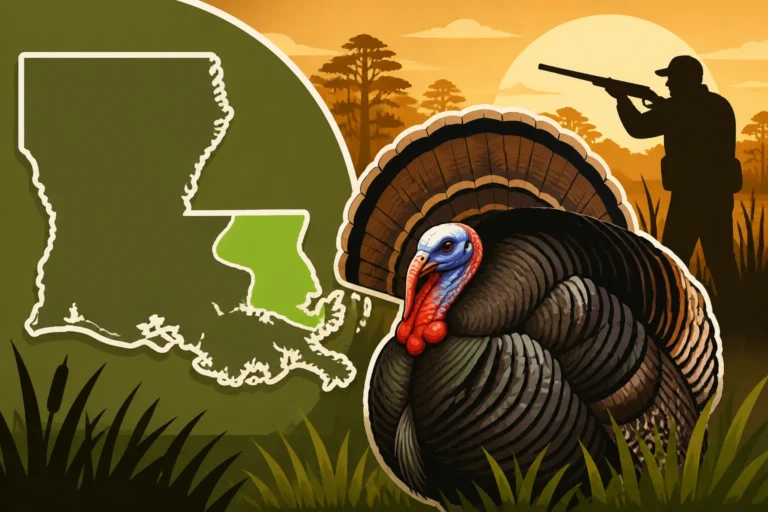
Think about it: a turkey in the Florida Parishes might start its breeding cycle earlier than a bird up in the pine-hardwood hills of North Louisiana. Factors like habitat, climate, and the general health of the local population all play a role. By breaking the state into three distinct areas – A, B, and C – the LDWF can tailor season lengths and dates to match the biological realities of the birds in those specific regions. This nuanced approach helps prevent over-harvest in one area while potentially allowing for a longer season in another where the population can support it. It's about giving both hunters and turkeys the best chance, ensuring there are plenty of gobblers strutting for years to come.
General Season Dates Versus WMA Specifics
This is a common point of confusion for many hunters, and it’s critical to grasp. The season dates you see published for Areas A, B, and C primarily apply to private lands. If you're lucky enough to hunt on private property, these are the dates you'll stick to. However, public lands, specifically the Wildlife Management Areas (WMAs), often operate under entirely different schedules. WMAs are intensively managed properties, and their turkey seasons can be shorter, have different opening and closing dates, or even require special quota permits or daily sign-ins. It's not uncommon to find that Why WMA Turkey Dates Differ From Private Land, often to disperse hunting pressure or to allow biologists more control over harvest numbers on these popular public tracts. Always, always check the specific WMA regulations before you head out, even if you know the statewide zone dates by heart. Many hunters use tools like GoHunt to cross-reference WMA rules with their planned hunting dates, making sure they're compliant.
Deep Dive into Turkey Areas A, B, and C
Louisiana’s three turkey areas—A, B, and C—each offer a unique hunting experience shaped by their geography and turkey populations. Understanding which area you’re hunting in, and its specific dates, is the cornerstone of a legal and successful spring hunt. Don't assume that just because you're familiar with one area, the rules will be the same across the state.
Area A: The Longest Window
Area A encompasses much of the southern and southeastern part of Louisiana, stretching from the Florida Parishes across to parts of the central region. Historically, this area often boasts the earliest opening dates and the longest overall season. For example, you might find Louisiana Turkey Area A Closing Date extending well into late April or early May, giving hunters ample opportunity to pursue gobblers throughout the peak of their breeding activity. The habitat in Area A is diverse, ranging from pine forests in the uplands to bottomland hardwoods and cypress swamps. This extended season allows hunters to adapt to varying turkey behavior as the spring progresses, from aggressive gobbling on the roost early on to more silent, wary birds later in the season. Many hunters who truly live for turkey season appreciate the extra time in the woods that Area A provides, giving them more chances to refine their calling and scouting strategies.
Area B: Central State Opportunities
Moving north and west from Area A, you'll find Area B, covering a significant portion of central Louisiana. This zone typically has a slightly later opening date and a shorter season than Area A but still offers plenty of action. The terrain in Area B often features a mix of pine plantations, mixed pine-hardwood forests, and some agricultural areas. Hunters in this region need to be particularly attentive to the Louisiana Turkey Area B Closing Date, as the window can be noticeably tighter than in Area A. This means making the most of every hunting day, focusing on peak gobbling periods, and quickly adapting to changing weather patterns. Public lands within Area B, like parts of Kisatchie National Forest or certain WMAs, can offer fantastic opportunities, but they often come with their own unique access and season dates, demanding even closer attention to detail from the hunter.
Area C: The Shorter North Louisiana Hunt
Area C covers the northernmost parishes of Louisiana, characterized by rolling hills, extensive pine forests, and rich bottomlands along rivers like the Ouachita and Tensas. This region typically has the latest opening dates and the shortest overall spring turkey season. Hunters here might find the Louisiana Turkey Area C Closing Date arriving quicker than they'd prefer, making it crucial to maximize their efforts during the limited window. The shorter season often coincides with what biologists identify as the prime breeding period for turkeys in this cooler climate, ensuring hunters are in the woods when gobblers are most active. While the season might be shorter, the quality of hunting in Area C can be exceptional, with good turkey populations in well-managed habitats. Hunters often prioritize scouting pre-season to pinpoint roosting areas and strut zones, making every precious hunting morning count.
Navigating Bag Limits and Harvest Reporting
Beyond knowing when and where you can hunt, understanding how many birds you can harvest and how to report them is absolutely non-negotiable. These rules are in place to manage the state's turkey population effectively and gather crucial data for future season planning. Ignoring them isn't just irresponsible; it's a violation with real consequences.
The Statewide Daily and Season Bag Limits
Louisiana has specific limits on how many turkeys you can take, both per day and for the entire season. This is crucial for managing the overall population and ensuring sustainable hunting pressure. Currently, the statewide daily bag limit for spring turkey season is one gobbler per day. That means once you harvest a legal gobbler, your hunting for turkey is done for that day, regardless of how early you tagged out. The season bag limit is two gobblers per season. This applies to your entire hunting effort, whether you hunt private land, WMAs, or travel between different zones. It doesn't mean two per zone, or two per WMA, but two total. For example, if you tag one gobbler in Area A and another in Area B, you've reached your season limit, even if both areas are still open. Staying on top of Louisiana Turkey Bag Limit Rules is paramount to being a responsible hunter. Remember, the goal isn't just to harvest a bird, but to do so ethically and legally, contributing to the long-term health of Louisiana's wild turkey resource.
Mandatory Harvest Reporting Requirements
This is one of the most critical, yet sometimes overlooked, rules for Louisiana turkey hunters. Every single harvested gobbler must be reported to the LDWF. This isn't just a suggestion; it's mandatory. This data is incredibly valuable for biologists to assess harvest rates, track population trends, and make informed decisions about future seasons. Failing to report a harvested turkey is a violation, so don't skip this step. The good news is, reporting is quite easy these days. You can do it online through the LDWF website, or even quicker, through the "Louisiana Outdoors" mobile app. The app is a game-changer for folks out in the field where cell service might be spotty, as you can often initiate the report and it will upload once you regain service. Just make sure you have all the necessary information handy: your license details, the date and parish of harvest, and whether it was taken on private land or a WMA. Getting into the habit of reporting immediately after harvest ensures you won't forget and helps LDWF manage our incredible Louisiana Turkey Population Trends.
Legal Means, Methods, and Equipment for Spring Turkeys
Knowing what you can and cannot use to harvest a spring gobbler is just as important as knowing the season dates and bag limits. Louisiana has clear guidelines on firearms, archery equipment, and even how you can use decoys and calls. Adhering to these rules ensures fair chase and promotes ethical hunting practices.
Allowed Firearms and Archery Gear
For firearms, spring turkey hunting in Louisiana generally permits shotguns no larger than 10 gauge, using shot sizes no larger than number 2. Many hunters opt for 12 or 20 gauge shotguns, often specialized turkey guns with extra-full chokes to deliver dense patterns at extended ranges. The use of rifles or handguns for turkey hunting is not allowed during the spring season. This distinction is important; while rifles are legal for deer in certain seasons, they are strictly prohibited for turkeys.
If you prefer archery, compound bows, recurve bows, and longbows are all legal. Arrows must be fitted with broadheads that have at least two cutting edges and are a minimum of 7/8 inches wide. Crossbows are also legal during the general archery season for deer, but their use for spring turkey hunting typically follows the same rules as regular archery equipment. Make sure to check the specific regulations on crossbow use as they can sometimes have particular stipulations, such as Crossbow Rules During Louisiana Archery Season, though for turkey it’s usually straightforward. Regardless of your chosen method, familiarize yourself with your equipment well before the season. Pattern your shotgun, practice with your bow, and ensure everything is in top working order.
Decoy Use and Calling Regulations
The use of decoys is a long-standing and highly effective tactic in spring turkey hunting. Whether you're using a single hen decoy, a jake and hen setup, or even a full-strut gobbler, decoys are legal and can be incredibly enticing to a lovesick tom. However, a critical safety consideration comes with using decoys: always place them in an open area where they are clearly visible and can't be mistaken for a live bird by another hunter. Never carry an exposed decoy while walking through the woods. Many hunters will bag their decoys in an opaque sack when moving to and from their setup location, which is a smart safety practice.
Calling is, of course, the heart of spring turkey hunting. From box calls and slate calls to diaphragm calls and push-button calls, all types of artificial turkey calls are legal. Mastering various calls is key to Calling a Louisiana Gobbler Off the Roost or luring him into range. While electronic calls are legal for some game species in Louisiana, they are not permitted for wild turkey hunting. The challenge and skill of natural calling are part of the tradition and ethics of pursuing these magnificent birds. Remember, patience and understanding turkey vocalizations are often more effective than simply making noise.
Public Land Considerations for Turkey Hunters
Hunting public land in Louisiana offers incredible opportunities, but it also comes with an added layer of rules and potential challenges. Whether you're heading to a WMA or another public access area, you need to be extra diligent in your preparation and understanding of the specific regulations for that tract.
WMA Specific Rules and Quota Hunts
Wildlife Management Areas (WMAs) are invaluable resources for Louisiana hunters, providing access to diverse habitats across the state. However, their management is often more intense, and their hunting regulations can differ significantly from general statewide rules. For spring turkey, many WMAs will have shorter seasons than the private land dates, or even specific hunt dates you have to apply for through a lottery system. Some WMAs may require daily check-in and check-out, either physically at a kiosk or electronically via the LDWF app. There might be restrictions on vehicle access, camping, or even where you can Using a Ground Blind on Louisiana Public Land. It’s not uncommon for popular WMAs to have highly specific rules regarding turkey harvest, sometimes requiring physical presentation of the bird to WMA staff. Never assume that a WMA you’ve hunted for deer operates under the same rules for turkey. Always download or print the specific WMA regulations pamphlet from the LDWF website before your hunt. It’s also wise to check for any in-season closures or changes, which can happen for various management reasons.
General Public Land Access and Regulations
Beyond WMAs, Louisiana offers other public hunting opportunities, such as portions of Kisatchie National Forest. While these areas generally fall under the statewide season dates, they still have their own set of rules, particularly concerning access and activities. For instance, specific regulations may apply to Treestand Setups in Kisatchie National Forest, or rules about camping near your hunting area. Access can be a major factor; some public lands might have limited road access, requiring hunters to walk in considerable distances. Using mapping apps like GoHunt or the LDWF app can be incredibly helpful for identifying public land boundaries, access points, and terrain features that might concentrate birds. Be aware that public lands often see more hunting pressure, especially on opening weekends. If you're looking for solitude, you might need to scout deep into less-accessible areas or consider Run-and-Gun Turkey Tactics on Public Land to cover more ground and find birds away from the crowds. Always respect other users of public land, whether they're hikers, birdwatchers, or fellow hunters.
Special Opportunities: Youth and Physically Challenged Hunts
Louisiana is committed to fostering a new generation of hunters and ensuring that those with physical challenges can still enjoy the thrill of the spring turkey woods. To achieve this, specific seasons and opportunities are set aside, offering a less pressured environment and a chance to pass on the tradition.
Eligibility and Season Dates
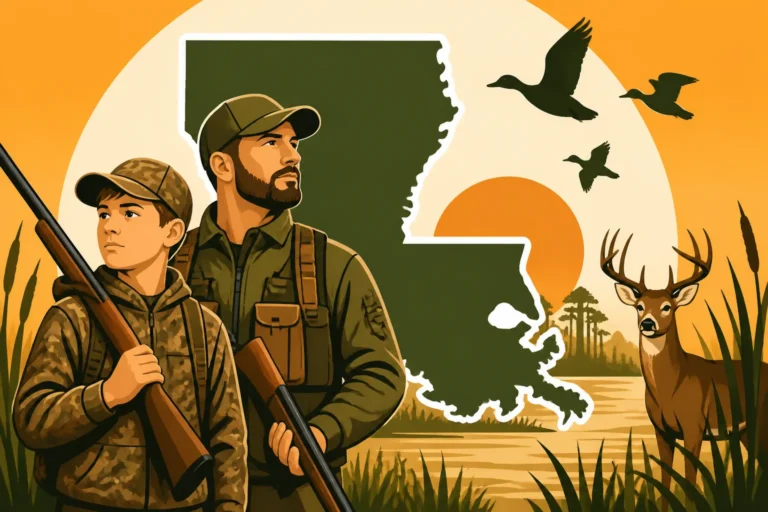
The Youth and Physically Challenged Hunter Weekend is a fantastic initiative that typically occurs before the general statewide season opens. This provides a unique, early opportunity for eligible hunters to pursue turkeys without the crowds of the regular season. For youth hunters, eligibility usually means being 17 years of age or younger. For physically challenged hunters, specific criteria outlined by the LDWF must be met, often requiring documentation of a permanent physical disability that substantially impairs mobility. The dates for this special hunt are published annually, and it's essential to consult the current regulations booklet. This early season allows young hunters to experience gobblers responding to calls without competing with experienced adult hunters, often leading to a more positive and successful outing. This is a great way to introduce someone to the sport, helping them fall in love with turkey hunting in a supportive environment. The LDWF provides details on Louisiana Youth and Veterans Weekend Rules that are applicable across various species, so it's a good resource to review.
Mentor Requirements and Restrictions
For youth hunters participating in the special weekend, there's a mandatory mentor requirement. An adult (usually 18 years or older) must accompany the youth. This mentor cannot hunt during the youth season, meaning they are there solely to guide, instruct, and supervise the young hunter. They can call for the youth and assist with locating birds, but they cannot carry a weapon themselves. This ensures the focus remains entirely on the youth's experience and safety. It's a prime opportunity for experienced hunters to share their knowledge and passion, teaching about turkey behavior, calling techniques, and ethical hunting practices. For physically challenged hunters, while a mentor isn't always mandatory for the hunter to carry a weapon, having assistance often makes the hunt more feasible and enjoyable. These special seasons are designed to be inclusive, making sure everyone who has a passion for the outdoors gets a chance to participate. It's about building memories, instilling good sportsmanship, and ensuring the future of hunting in Louisiana.
Essential Licenses and Stamps for Turkey Hunters
Just like understanding the season dates, having the correct licenses and stamps is fundamental. Skipping this step is not only illegal but also disrespectful to the system that supports wildlife management and conservation efforts in our state.
Basic and Turkey Tags Explained
To hunt turkeys in Louisiana, you'll need a couple of key items. First and foremost, you must possess a valid Louisiana hunting license. For residents, this could be an annual basic license or even a lifetime license. Non-residents will need a non-resident hunting license. Beyond the basic hunting license, you'll also need a Louisiana Wild Turkey License, often referred to as a "turkey tag" or "turkey privilege." This is an additional stamp or endorsement that is specifically required for turkey hunting. When you harvest a turkey, you are required to immediately validate this tag by notching or otherwise marking it according to LDWF instructions, and then attach it to the bird. Think of it like an additional permit that shows you're legally authorized to take a turkey. You can typically purchase both your basic hunting license and your turkey privilege online through the LDWF website, via their mobile app, or at authorized vendors across the state. Always ensure these are current and in your possession while hunting.
Hunter Education Requirements and Blaze Orange
Hunter education is critical for promoting safety in the field, and Louisiana has specific requirements. If you were born on or after September 1, 1969, you must complete a hunter education course to purchase a hunting license, unless you are hunting under the Apprentice Hunter Program. The Apprentice Hunter Program allows individuals 16 years of age or older to hunt for up to one year without completing hunter education, provided they are accompanied by a licensed hunter who is at least 18 years old. This program is a fantastic way for newcomers to experience hunting firsthand under the guidance of an experienced mentor.
For spring turkey hunting, there's a common misconception about blaze orange. During the general firearms deer season, blaze orange is typically mandatory. However, for spring turkey season, there are generally no blaze orange requirements on private lands or most public lands. The logic here is that turkeys have exceptional eyesight, and blaze orange would make it nearly impossible to successfully call one in. That said, it's always a good idea to wear blaze orange when walking to and from your hunting spot, especially on public lands where other hunters might be present. Once you're set up and calling, you can remove it. Safety should always be your top priority, and while not legally required for turkey, using a blaze orange vest or hat for transit can be a wise decision.
| Louisiana Spring Turkey Areas | General Private Land Season Dates (Approximate) | Season Bag Limit | Daily Bag Limit | Key Characteristics |
|---|---|---|---|---|
| Area A | Mid-March to Early May | 2 Gobblers | 1 Gobbler | Longest season, generally earliest start. Covers southern/southeastern parishes. Diverse habitat. |
| Area B | Late March to Late April | 2 Gobblers | 1 Gobbler | Mid-length season, slightly later start. Central Louisiana. Mixed pine/hardwood and agricultural. |
| Area C | Early April to Late April | 2 Gobblers | 1 Gobbler | Shortest season, latest start. Northern parishes. Pine forests and river bottomlands. |
Always consult the current year's LDWF regulations for precise dates, as they can shift slightly year to year based on biological data and calendar alignment.
Best Practices for a Safe and Ethical Turkey Season
Beyond just following the rules, being a safe and ethical hunter is paramount. This ensures not only your own safety but also the safety of others, promotes respect for the game we pursue, and upholds the positive image of hunting in Louisiana.
Identifying Legal Birds and Shot Placement
In Louisiana, during the spring season, only gobblers (male turkeys) are legal to harvest. Hens (female turkeys) are off-limits. So, how do you tell the difference, especially when a bird is coming through thick cover? You need to positively identify your target. Look for key indicators of a gobbler: a long beard (often visible swinging as he walks), a visible red, white, and blue head (hens typically have duller, featherier heads), and spurs on their legs (though not always visible). A strutting bird is almost certainly a gobbler. Never shoot at a turkey if you're unsure of its sex. Wait until you have a clear, unmistakable shot at a legal bird.
Once you’ve identified a gobbler, shot placement is critical for a quick, humane harvest. For shotguns, the target area is the head and neck. A dense pattern of small shot (like 4, 5, or 6 shot) hitting the brain and spinal column will drop a bird instantly. Resist the urge to shoot at the body, as this often leads to wounded birds and difficult tracking. Practice with your shotgun at various ranges to know its effective killing distance. For archery, aiming for the vitals (heart/lungs) is key, similar to deer hunting, but the smaller target area and often low-to-the-ground posture of a turkey make it challenging. Many archers prefer waiting for a clear head or neck shot if possible, or a broadside body shot at close range.
Hunting After a Poor Acorn Year and Scouting
Understanding how natural food sources impact turkey behavior is a huge part of being a successful hunter. For example, if you're hunting after a poor acorn year, turkeys might behave differently than in years with abundant mast. They might be more concentrated around alternative food sources or travel more to find sustenance. This is where pre-season scouting becomes invaluable. Long before the season opens, get out into your hunting area. Listen for gobblers on the roost at dawn, look for tracks, droppings, and strut marks in dusty logging roads. Identify potential roost trees, feeding areas, and travel corridors. Tools like OnX Hunt can help you mark these locations and understand terrain.
Scouting isn't just about finding birds; it's about understanding their patterns. Where do they fly down? What routes do they take? Where do they like to strut? Knowing this information will greatly increase your odds of success. If you're hunting a public WMA, scouting well in advance can help you find Finding Ground That Sees Fewer Hunters by identifying areas that are harder to access or further from popular parking spots. Observing turkey behavior helps you make better decisions on Decoy Placement for Pressured Louisiana Birds, knowing whether a subtle setup or a more aggressive display might work best for the birds in your particular area.
Disclaimer
Please note: Hunting regulations can change from year to year. While this guide aims to provide accurate and up-to-date information, it is your responsibility as a hunter to consult the most current Louisiana Department of Wildlife and Fisheries (LDWF) Hunting Regulations handbook or their official website before heading into the field. This article is for informational purposes only and should not be considered a substitute for the official regulations.