When Louisiana’s Archery Season Opens
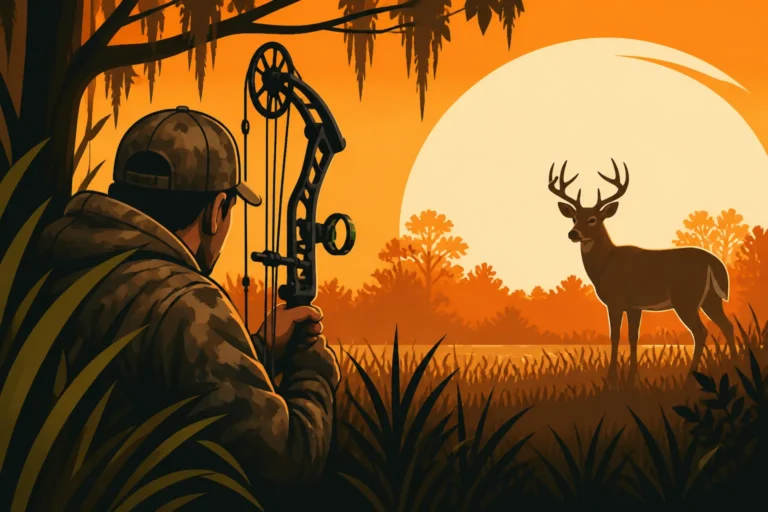
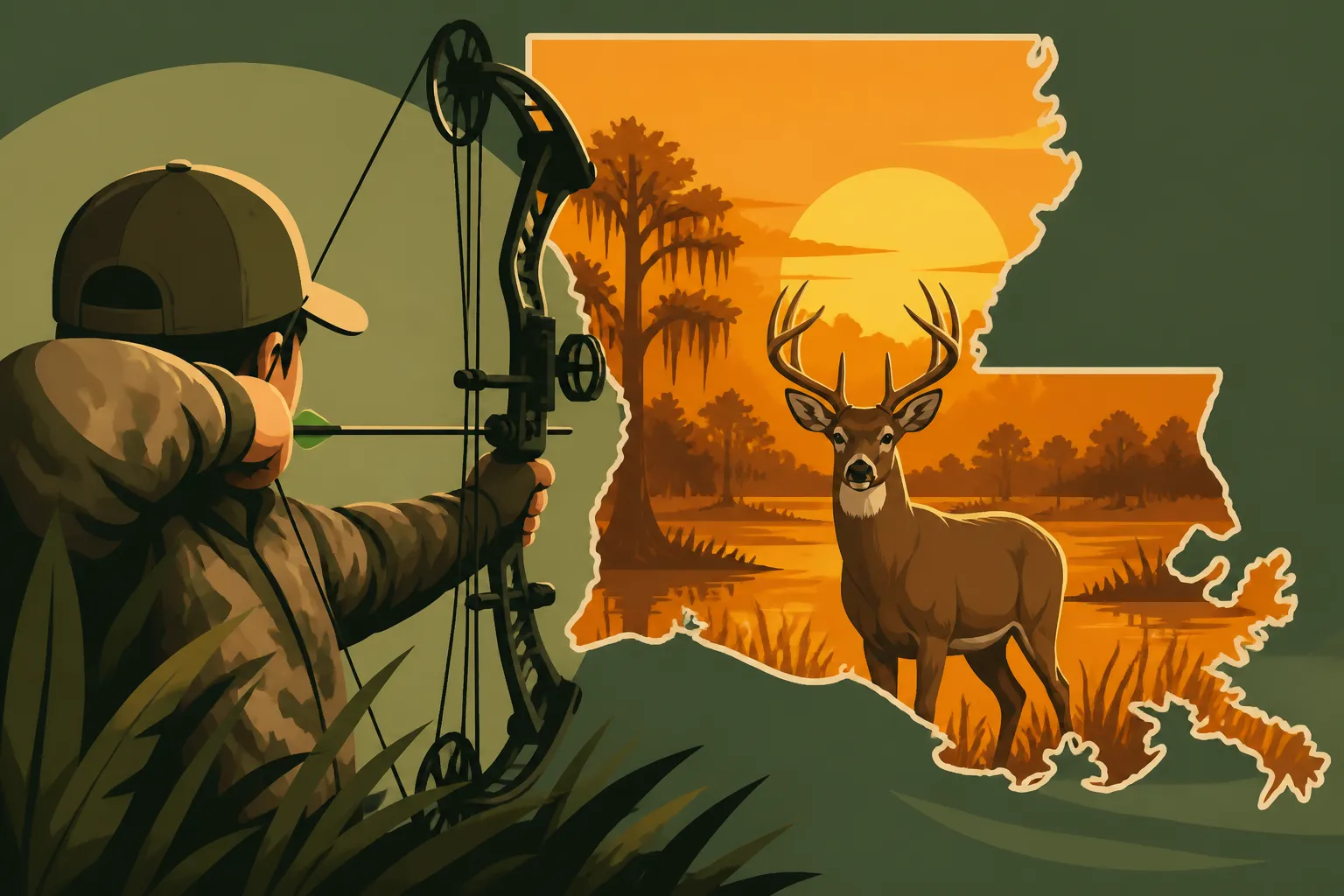
The air is starting to get that familiar crisp edge, even if it's still August or early September in much of Louisiana, and hunters across the state are practically vibrating with anticipation. But for us archery enthusiasts, the biggest question on our minds isn't if we're going hunting, but when we can finally hit the woods. This guide is all about cutting through the confusion of Louisiana's staggered archery season openings, so you know exactly when you can nock that first arrow.
Louisiana's Deer Areas and Why They Matter for Archery Season
Louisiana isn't a "one-size-fits-all" state when it comes to deer season, and that's especially true for archery. Our state is divided into ten distinct deer hunting areas, and understanding which area you're hunting in is absolutely paramount. These areas, managed by the Louisiana Department of Wildlife and Fisheries (LDWF), exist because of the vast differences in habitat, deer populations, rut timing, and hunter pressure across the state. What works in the piney hills of North Louisiana isn't necessarily what's happening in the swamps of the Atchafalaya Basin or the agricultural lands of the northeast.
The LDWF designs these area-specific regulations to achieve specific management goals, like balancing herd health, managing antlered buck age structure, and providing ample hunting opportunities. If you don't know your deer area, you simply don't know your season dates. It's the first, most crucial piece of information any Louisiana deer hunter needs to acquire, whether you're eyeing the archery opener or the general firearms season.
Pinpointing Your Hunting Area
The easiest way to determine your deer area is by knowing the parish you plan to hunt. Most parishes fall entirely within one deer area, but a few larger parishes might be split. For instance, while much of Southeast Louisiana falls into Area 2 or Area 6, a parish like Tangipahoa is wholly within Area 2, while others might straddle a line. Many hunters use mapping applications, like the ones offered by GoHunt, or the official LDWF website and app, to precisely pinpoint their location within these zones. These tools are invaluable for confirming boundaries, especially if you hunt near a parish line or on property that might be unfamiliar. You can find detailed maps and descriptions of each area, which is vital for planning your season. Don't underestimate this step; showing up on the wrong date in the wrong area can lead to a world of trouble.
Why Staggered Openers Exist
The staggered opening dates for archery season are a direct reflection of these varying management objectives and ecological conditions. Some areas, particularly those with higher deer densities or a history of earlier rut activity, might have an earlier opening to allow hunters more time in the woods before the firearms season kicks off. Other areas, perhaps those with different habitat types or a later rut, might see a slightly later start. It's all part of a complex system designed to optimize hunting opportunities while maintaining a healthy deer herd across the diverse landscapes of Louisiana. Understanding how Louisiana's Ten Deer Areas Differ is truly paramount to a successful and legal hunting season.
Archery Season Opening Dates by Deer Area
Alright, let's get down to brass tacks. You're probably itching to know the exact dates, and I don't blame you! Louisiana's archery season dates are typically set well in advance by the Louisiana Wildlife and Fisheries Commission, but it's always a good idea to double-check the latest LDWF Hunting Regulations pamphlet each year. Rules and dates can shift, even if only slightly, so staying informed is key.
Here's a breakdown of the typical archery season opening dates across Louisiana's deer areas. Remember, these are general guidelines, and confirming with the official LDWF regulations is always the safest bet.
| Deer Area | Typical Archery Season Opening Date | General Notes |
|---|---|---|
| Area 1 | October 1st | Often includes specific dog hunting windows, check regulations carefully. |
| Area 2, 3, 4 | October 1st | Diverse habitats from pine forests to agricultural land. |
| Area 5, 6, 9 | October 1st | Known for long seasons and significant either-sex opportunities. |
| Area 7, 8, 10 | September 15th | Earliest openers, often in areas with higher deer densities or unique habitats. |
Note: This table provides typical opening dates. Always consult the most current Louisiana Department of Wildlife and Fisheries regulations for official dates and specific area rules for the current hunting season.
The Early Birds: Areas 7, 8, and 10
For many eager archers, the middle of September can't come soon enough! Areas 7, 8, and 10 typically kick off their archery seasons around September 15th. This early start offers a unique set of challenges and opportunities. You're often dealing with scorching temperatures, abundant insects, and incredibly dense foliage, but it also means you're in the woods before most other hunters. Think about those areas in the Florida Parishes or parts of the Mississippi River Floodplain, which often fall into these earlier categories. The deer behavior will still be largely dictated by summer patterns, focusing on reliable food sources and cooling bedding areas. If you're hunting these areas, be prepared for Warm-Weather Sitting Strategy in Louisiana and invest heavily in scent control.
The October Start: Areas 1, 2, 3, 4, 5, 6, and 9
The majority of Louisiana's deer areas, including Area 1, Areas 2-4, and the popular Areas 5, 6, and 9, usually see their archery season open on October 1st. This is often seen as the traditional start for many hunters. By October, while it can still be quite warm, there's usually a subtle shift in the weather. Mornings might be a little cooler, and there might be some early signs of changing foliage.
For areas like 5, 6, and 9, an October 1st start leads into an incredibly long season with generous either-sex opportunities, offering some of the best potential for success. Hunters in these areas benefit from an extended window to pursue deer, often stretching well into January. This means you might be hunting pre-rut, peak rut, and late season all within the same archery window. When Hunting the Long Either-Sex Window in Areas 5, 6 and 9 you really have to adapt your tactics as the season progresses.
Area 1, encompassing much of the North Louisiana piney hills, also starts October 1st. While known for its dog hunting traditions, archery season here offers a more solitary pursuit, letting hunters capitalize on the early fall patterns before the pressure builds.
Crossbows and Other Archery Equipment
It's also worth a quick mention that Louisiana generally permits crossbows during the regular archery season for all hunters, not just those with disabilities, which is a major convenience for many. However, there can be specific rules about draw weight, arrow type, and other equipment parameters. So, before you head out, make sure to review Crossbow Rules During Louisiana Archery Season to ensure your setup is compliant. Whether you shoot a compound, recurve, or crossbow, the excitement of the archery opener remains the same.
Early Season Archery Tactics and Considerations
Hitting the woods with a bow and arrow during the early part of Louisiana's deer season comes with its own unique set of challenges and rewards. It’s not just about knowing when to go, but how to approach it effectively. The deer are still largely on summer patterns, the weather is often brutal, and mosquitoes seem to have declared an all-out war on hunters.
Dealing with the Heat and Humidity
This is arguably the biggest hurdle for early season archers in Louisiana. September and early October can still see temperatures in the high 80s or even 90s, coupled with stifling humidity. This impacts both you and the deer. For you, it means staying hydrated, wearing lightweight, moisture-wicking clothing, and minimizing physical exertion on your way to and from your stand. For the deer, it means they're largely nocturnal or crepuscular (active at dawn and dusk), seeking shade during the day, and watering frequently.
You'll want to focus your efforts around reliable water sources like small creeks, ponds, or even puddles. Deer won't move far from these spots during daylight hours. Also, consider setting up on shaded travel corridors or the edges of dense bedding areas where a slight breeze might offer some relief. The sun's angle is still high, so think about how it hits your stand location throughout the morning and afternoon. Being baked by the sun will not only make you uncomfortable but will also make it nearly impossible to remain still and focused.
Scent Control is Paramount
In warm weather, human scent travels farther and lingers longer. Sweating profusely on your walk-in means you're leaving a significant scent trail. This makes meticulous scent control absolutely critical. This goes beyond just spraying down with a cover scent. Think about your laundry detergent, deodorant, and even what you eat. Shower with scent-free soap, wear freshly washed hunting clothes, and use scent-eliminating sprays on your gear. Even better, use an ozone generator on your clothing before heading out. The deer's noses are always working overtime, and in warm, stagnant air, any foreign odor will stick out like a sore thumb. A good resource for this, especially if you're dealing with the swampy air, is to learn more about Wind and Thermals in Swamp Bottomland to understand how air currents carry your scent.
Food Sources and Deer Movement
Early season deer are still primarily focused on summer food sources. In much of Louisiana, this means acorns (if they've started dropping), persimmons, muscadines, and various herbaceous plants. Ag fields like soybeans or standing corn can also be major draws, offering both food and cover. If you have access to areas with early-dropping acorns, particularly white oak acorns, you've found a goldmine. Deer will gravitate to these spots almost exclusively until other food sources become available.
Look for fresh sign: tracks, droppings, and rubbed trees (though serious rubbing typically picks up closer to the rut). Deer trails leading from bedding areas to these preferred food sources are prime locations for a stand. Remember, deer won't travel far during the heat of the day, so focus on morning and evening hunts when they're most likely to be moving between bedding and feeding. Scouting prior to the season, especially using tools like GoHunt or the LDWF's mapping resources, can help you identify these key areas.
Stand Placement and Entry/Exit Routes
Because deer movement is often limited to low-light hours and close to bedding, your stand placement and, critically, your entry and exit routes, need to be flawless. You want to get into your stand undetected and leave without spooking deer out of their bedding areas. This might mean longer walks, using natural cover, or even arriving well before daylight and staying until well after dark. Consider hunting pinch points or funnels that deer use to travel between dense cover and food. A classic setup would be near A Funnel Between Two Sloughs in swampy terrain or along a mature timber line adjacent to an agricultural field.
Patience is a Virtue
Early season archery can be tough. The odds aren't always in your favor due to the heat and dense foliage. You might not see as many deer as you would later in the season, and you might have shorter shooting windows. But the reward of taking a deer with a bow in the early season, when most hunters are still waiting for gun season, is incredibly satisfying. Focus on being scent-free, patient, and persistent, and your efforts will eventually pay off. Don't forget, when you do connect, knowing Field Dressing a Deer in Warm Weather is a skill that will be put to the test, as you'll need to cool that meat down quickly.
Essential Gear and Preparation for the Archery Opener
Getting ready for Louisiana's archery opener isn't just about knowing the dates; it's about being prepared with the right gear and the right mindset. The unique challenges of an early season hunt in the Bayou State demand careful consideration of what you bring into the woods and how you prepare yourself.
Archery Equipment Check
Before anything else, make sure your bow and arrows are in perfect working order. This means:
- Bow Tune-Up: Have your bow professionally tuned, or do it yourself if you have the expertise. Check draw weight, cam timing, and ensure all screws are tight.
- Arrow Inspection: Inspect all your arrows for any cracks or damage, especially near the fletching and nock. Ensure your broadheads are razor sharp and spin true. A dull broadhead or a crooked arrow can ruin a hunt and potentially wound an animal.
- Sights and Rest: Double-check that your sight pins are secure and accurate. Make sure your arrow rest is functioning smoothly and quietly.
- Practice, Practice, Practice: Shoot regularly and often. Practice from elevated positions if you plan to hunt from a treestand. Practice at various distances and in different lighting conditions. Replicate hunting scenarios as much as possible.
Clothing and Comfort
Given the likelihood of warm, humid conditions, your clothing choices are critical for comfort and scent control:
- Lightweight and Breathable: Opt for synthetic fabrics that wick moisture away from your body. Avoid heavy cotton that absorbs sweat and holds odor.
- Layering: Even in warm weather, early mornings can be cool. A lightweight base layer with a slightly heavier outer layer that can be shed easily is ideal.
- Scent Control: As mentioned, this is huge. Use scent-eliminating sprays, wash clothes in scent-free detergent, and store them in airtight containers until you head out. Consider bringing a fresh set of hunting clothes in a sealed bag to change into once you reach your hunting area, minimizing the scent you leave on the walk in.
- Insect Protection: Mosquitoes, ticks, and gnats will be out in force. Repellent is a must. Consider permethrin treatment for your clothing (applied in advance and allowed to dry) and a good skin repellent like DEET or picaridin. A head net or thermacell can also be invaluable.
Navigation and Safety
Even if you know your spot well, technology and safety gear are crucial:
- GPS/Mapping App: Whether it's a dedicated GPS unit or a smartphone app like GoHunt, having reliable navigation is essential, especially in dense Louisiana woods or swamp land. Mark your stand locations, entry/exit routes, and potential tracking paths.
- First-Aid Kit: A compact kit with essentials for minor injuries, bug bites, and snake encounters is a smart addition to your pack.
- Communication: A fully charged cell phone is a given, but consider a satellite communicator or two-way radio if you're in an area with spotty service or hunting with a partner.
- Safety Harness: If you're hunting from a treestand, a full-body safety harness is non-negotiable. Falls are the leading cause of serious injury for treestand hunters. Make sure you use it from the moment your feet leave the ground until they are back on solid earth.
- Light Source: Even if you plan to be out before dawn and back before dark, a headlamp or flashlight with fresh batteries is essential for navigating in low light or tracking a deer after the shot.
Post-Harvest Preparedness
Finally, think beyond the shot. If you're fortunate enough to harvest a deer, what's your plan?
- Field Dressing Supplies: Sharp knife, gloves, wet wipes, and game bags.
- Cooling: In warm weather, getting the deer cooled down quickly is paramount to meat quality. Have a plan for how you'll get it out of the woods and to a cooler with ice or a processor. This ties back to Field Dressing a Deer in Warm Weather and making sure you act fast.
- Deer Reporting: Louisiana requires all harvested deer to be reported. Know the process, whether through the LDWF app or website. Keeping up with Louisiana Deer Reporting Requirements is a non-negotiable part of ethical hunting.
By taking the time to meticulously prepare your gear and yourself, you'll increase your chances of a safe, successful, and enjoyable archery season, regardless of which Louisiana deer area you're hunting. And for those looking to get out on public land, remember to consult resources like Scouting Louisiana Public Land Before Season to find promising spots.
Disclaimer
The information provided in this guide is for general informational purposes only and is subject to change. Hunting regulations, season dates, and specific rules are determined by the Louisiana Department of Wildlife and Fisheries (LDWF) and can vary annually. Always consult the official, current LDWF hunting regulations pamphlet or their official website for the most accurate and up-to-date information before planning or engaging in any hunting activities. Failure to comply with regulations can result in penalties.