Mottled Duck Guide Services in Early Teal Season
Finding good mottled duck hunting during Louisiana's early teal season can feel like you're chasing ghosts sometimes, especially if you're not intimately familiar with the local marshes and their ever-changing moods. These resident birds are incredibly smart, they've seen it all, and they don't migrate down the flyway like their teal cousins, making them a unique challenge that often leaves even experienced hunters scratching their heads. This guide is here to walk you through what to expect from mottled duck guide services in Louisiana, how they can unlock prime opportunities, and how to pick the right one to make your early teal season a success.
The Elusive Mottled Duck and the Early Teal Season Challenge
Louisiana's early teal season is a highly anticipated time, bringing in those fast-flying blue-wings and green-wings that offer some thrilling shooting. But nestled among these migratory visitors is a special bird: the mottled duck, or "poule d'eau de prairie" as some locals call them. Unlike the teal, mottled ducks are year-round residents of our coastal marshes, and that distinction makes all the difference when it comes to hunting them.
These are not birds that just arrived last night, tired from a long flight and looking for the first safe pond. Mottled ducks have been living in these marshes their whole lives. They know every predator, every human encroachment, every shift in the tide and every hiding spot. They are incredibly wary, intelligent, and often much harder to decoy than their migratory counterparts. They fly lower, hugging the marsh grass, and often circle a spread multiple times, looking for any sign of fakery before committing. For hunters who aren't on the water regularly, understanding their patterns, their preferred feeding grounds, and how they react to pressure is a steep learning curve. The early teal season adds another layer of complexity because you're targeting birds that might be mixed in with the newly arrived, more naive teal, requiring a guide to correctly identify species on the wing and ensure you're within legal bag limits. Mottled Ducks and Louisiana's Resident Flock goes into more detail about these fascinating birds.
Why Mottled Ducks Present a Unique Puzzle
Picture this: you're set up on a beautiful marsh pond, decoys looking great, and a flock of teal buzzes right in. Fantastic! Then, a pair of mottled ducks approaches. They're flying a bit differently, lower, almost suspiciously. They swing wide, maybe 200 yards out, circle, climb a bit, and then—poof—they're gone, never coming within range. That's the mottled duck experience in a nutshell for many hunters. They don't fall for the same old tricks. They require finesse, keen observation, and an understanding of their micro-movements within a very specific habitat.
Their home turf, the sprawling coastal marsh, is also a maze for the uninitiated. Miles of shallow water, indistinguishable grass lines, and ever-changing tides can turn a simple boat ride into a navigational nightmare. Add in the need to find fresh feeding areas that might only be good for a few days, and you realize how critical local knowledge becomes. It's not just about setting up where ducks might be, but where mottled ducks are right now, feeling safe and feeding actively. This is where a seasoned guide truly shines, translating years of experience into successful hunts.
The Value of Local Expertise for Resident Birds
For many of us, getting out to scout regularly, learning every nook and cranny of the marsh, and keeping tabs on mottled duck behavior simply isn't feasible. We've got jobs, families, and limited time. That's precisely why a guide who lives and breathes that marsh is an invaluable asset. They're out there almost daily, watching the birds, monitoring water levels, noting new feeding patterns, and adapting their strategies.
A good mottled duck guide understands that these birds are survivors. They've dodged hurricanes, countless predators, and generations of hunters. They thrive on consistency in their environment but are quick to change their habits if they feel pressured. A guide's expertise isn't just about driving a boat; it's about anticipating these changes, knowing exactly when to move a blind, or which small, hidden pond might hold undisturbed birds for an hour or two before they get wise. They can often differentiate between a mixed flock of teal and mottled ducks well before you even raise your binoculars, saving you precious seconds and ensuring you make legal shots.
What a Guided Mottled Duck Service Offers
Booking a guided mottled duck hunt in Louisiana's early teal season isn't just about paying someone to take you fishing for ducks; it's an immersive experience designed to put you on birds that are notoriously difficult to access and decoy. It's an investment in local knowledge, specialized equipment, and the best possible chance at success.
Most services will begin well before dawn. You'll meet your guide at a designated launch, often near the edges of a sprawling marsh system like those found in Hunting the Vermilion Parish Marsh or Hunting the Terrebonne Parish Marsh. From there, you'll embark on a journey deep into the marsh, usually in a specialized shallow-draft boat equipped with a mud motor or an outboard capable of navigating tight, grass-choked waterways. These aren't your typical bass boats; they're built for the unique challenges of marsh travel, getting you into those remote ponds and bayous where mottled ducks prefer to hide.
Specialized Gear and Strategic Setups
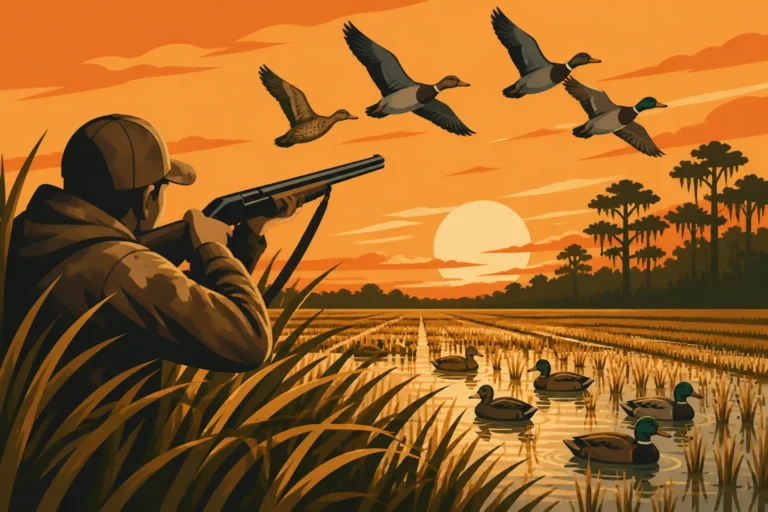
Once you arrive at the hunting spot—which your guide will have meticulously scouted in the days leading up to your hunt—the work truly begins. Guides come prepared with everything you'll need: a full spread of realistic decoys (often including mottled duck-specific decoys that differ slightly from standard mallard or pintail blocks), comfortable blinds, and often portable chairs. These blinds might be natural marsh grass built-ups, or they could be layout blinds carefully brushed into a cut rice field if that's where the birds are feeding. Layout Blind Hunting a Cut Rice Field details some of these strategies.
A skilled guide won't just toss out a dozen decoys. They understand decoy placement specific to mottled ducks, which often involves a tighter spread, sometimes with fewer birds, designed to look like a small, undisturbed family group. They'll also consider the wind direction, the sun's position, and the flight path of incoming birds to ensure you have the best possible shooting lanes. They'll position the boat strategically, sometimes tucking it away from the main spread, to maximize concealment. Every detail, from the type of jerk string to the exact call sequence, is part of a calculated plan honed over many seasons.
The Art of Calling and In-Field Adjustments
Perhaps one of the most significant advantages of a guided hunt for mottled ducks is the guide's calling ability. These birds are call-shy and demand a nuanced approach. A guide won't just blast a mallard call; they'll use soft, subtle quacks and clucks, mimicking the natural sounds of mottled ducks in their environment. They know when to be aggressive and, more importantly, when to lay off, letting the birds commit on their own terms.
Beyond calling, guides are masters of in-field adjustments. If the birds aren't responding, if the wind shifts, or if unexpected pressure arises, a good guide will adapt. They might move the entire setup, adjust the decoy spread, or even pick up and relocate to a completely different pond if the current spot isn't producing. Reading a Marsh Pond for a Morning Flight is a skill your guide has mastered, understanding how subtle changes in light and wind affect bird movement. This flexibility and quick decision-making can be the difference between a slow morning and a memorable hunt.
Choosing the Right Mottled Duck Guide Service
Selecting the right guide service for your early teal season mottled duck hunt is crucial for a successful and enjoyable experience. Just like any service, quality can vary, and what works for one hunter might not work for another. It's about finding a guide who matches your expectations and provides a safe, productive outing.
When you start your search, consider platforms like BookYourHunt or GoHunt. These resources can offer a starting point, showcasing various outfitters and often including client reviews and package details. However, don't stop there. Think of these platforms as discovery tools, then dive deeper into vetting specific guides.
Key Questions to Ask Potential Guides
Before you book, engage with potential guides. Communication is key. You want to feel comfortable with your guide and confident in their abilities. Here’s a table of essential questions to ask:
| Question | Why It's Important |
|---|---|
| What's your experience specifically with mottled ducks during early teal season? | Mottled ducks are unique. A guide specializing in them will have tailored strategies, not just generic duck hunting tactics. You want someone who understands their behavior and habitat intimately. |
| What type of boat and blinds do you use? | The marsh demands specialized equipment. Ensure they have appropriate, well-maintained shallow-water boats (e.g., mud motors) and comfortable, effective blinds that blend into the environment. |
| What's your typical hunting area or territory? | Understand if they have access to prime mottled duck habitat, whether it's private leases or specific public land areas. This speaks to their knowledge and ability to put you on birds. |
| What's included in the price? | Clarify everything: decoys, calls, blinds, boat, fuel, guide's time. Confirm if processing, lodging, or meals are extra. Don't assume anything. |
| What's your policy on safety, and what safety gear do you carry? | Safety is paramount, especially in remote marsh environments. Ask about life jackets, first-aid, communication devices, and emergency plans. A responsible guide will be happy to discuss this. |
| How many hunters do you typically take in a group? | This affects the experience. Smaller groups often get more personal attention and better opportunities. Make sure it aligns with your preference. |
| Can you provide references from recent clients? | The best indicator of a guide's quality is past client satisfaction. Follow up on these references to get unbiased opinions. |
| What happens in case of bad weather? | Louisiana weather can be unpredictable. Understand their cancellation, rescheduling, or refund policy if fog, heavy rain, or high winds prevent hunting. |
| What should I bring? | Get a clear list of personal gear, clothing, licenses, and food/drinks. Guides usually specify gun and ammo requirements. |
| Do you offer a bird cleaning service? | Some guides include this, others charge extra, and some leave it to the hunter. Know what to expect for your harvest. |
Don't be shy about asking Questions to Ask Before Booking a Louisiana Hunt; a professional guide will appreciate your thoroughness.
Vetting Reputation and Experience
Beyond platforms, seek out independent reviews and testimonials. Facebook hunting groups, online forums, and word-of-mouth referrals can be incredibly insightful. Look for consistency in positive feedback regarding their knowledge, professionalism, and ability to deliver on expectations. A guide with a long-standing presence and a good reputation in the local hunting community is usually a safe bet.
Consider how long they've been guiding specifically for mottled ducks in the early season. Newer guides can be excellent, but established veterans often have a deeper understanding of historical bird movements, subtle changes in habitat, and how to adapt to varying conditions. Ask about their contingency plans if the birds aren't cooperating or if the weather turns sour. A truly experienced guide won't sugarcoat the challenges but will articulate how they plan to overcome them.
Maximizing Your Guided Mottled Duck Hunt
You've booked your guide, the date is set, and anticipation is building. Now, how do you ensure you get the absolute most out of your investment and make this hunt a truly memorable one? A guided hunt is a partnership; your preparation and demeanor play a significant role in its success.
Preparation is Key
First and foremost, arrive prepared. This means having all your licenses and stamps in order, including your Louisiana hunting license, duck stamp, and HIP certification. Check them well in advance to avoid any last-minute stress. Your guide will confirm what specific ammunition is preferred, but generally, 3-inch or 3.5-inch shells with steel shot in sizes #2 or #3 are popular for ducks. Make sure your shotgun is patterned correctly and you've practiced shooting at moving targets, as mottled ducks can be swift and erratic.
Layered clothing is essential for marsh hunting. Mornings can be cool and damp, but Louisiana can warm up quickly, even in the early season. Waterproof outerwear is a must. Bring insect repellent, particularly for mosquitoes that can be relentless in the marsh, even in October. Pack plenty of water, snacks, and any personal medications you might need. Don't forget a headlamp for the pre-dawn setup and post-hunt breakdown.
On the Water: Respect, Communication, and Ethics
Once you're with your guide, listen carefully to their instructions. They are the expert in that specific environment and know the safest way to navigate, set up, and hunt. Respect their calls on when to shoot, when to hold fire, and which birds to target. They are often making rapid decisions based on flight patterns, species identification, and legal limits. Louisiana Duck Daily Bag Limit can be complex, and your guide will help you stay compliant.
Communicate openly with your guide. If you have any physical limitations, or if you're struggling with your shooting, let them know. They can often offer tips or make adjustments to accommodate you. Remember, Tipping Guides and Boat Captains is customary and a great way to show your appreciation for their hard work and dedication, especially if they've gone above and beyond to provide a good experience. The amount often depends on the quality of the service and the effort put in, regardless of the final bag limit, as success in hunting is never guaranteed.
Always prioritize safety and ethical hunting practices. Only take clean, ethical shots within your effective range. If a bird is crippled, your guide will appreciate your effort to quickly and humanely retrieve it. This ensures that every bird harvested is accounted for and respected. A guided hunt is not just about filling a bag; it's about learning, experiencing the outdoors, and building a relationship with a skilled professional. Take the time to enjoy the unique sights and sounds of the Louisiana marsh.
Disclaimer
This article is for general informational purposes only and does not constitute professional advice. Laws, prices and regulations vary by location and change over time. Consult a qualified professional for guidance on your specific situation.