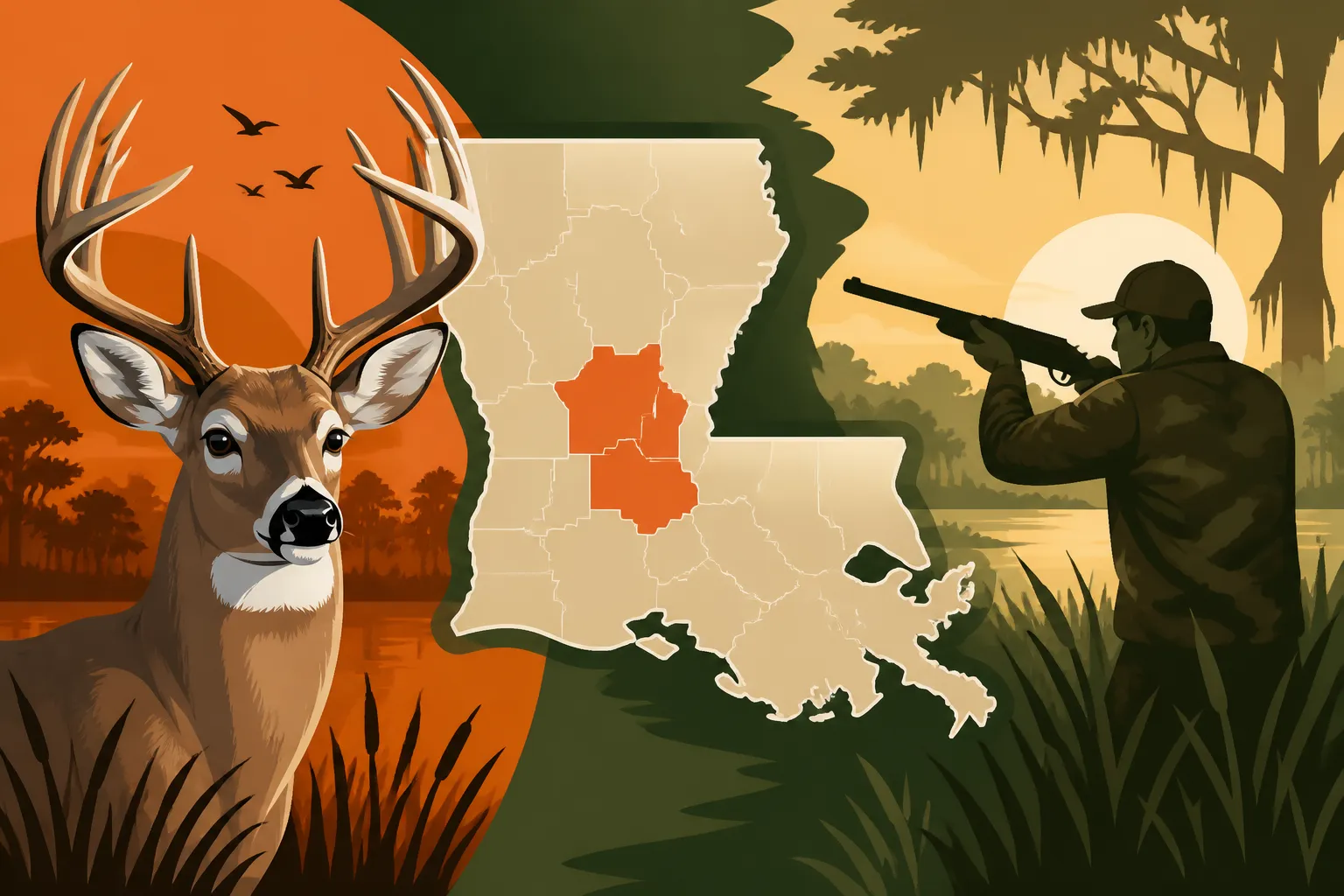
Concordia Parish CWD Zone Ground
For Louisiana deer hunters, the news of Chronic Wasting Disease (CWD) arriving in our state has been a tough pill to swallow, bringing a whole new layer of complexity to our beloved seasons. If you find yourself looking to hunt in Concordia Parish, you're now squarely in a CWD zone, which means understanding specific regulations and adapting your approach is no longer optional—it's absolutely essential. This guide will help you navigate the unique challenges and requirements of hunting deer in Concordia Parish, ensuring you stay compliant and continue to enjoy your time afield responsibly.
Understanding the CWD Landscape in Concordia Parish
The discovery of Chronic Wasting Disease in Louisiana has significantly reshaped how we think about deer hunting, especially in parishes like Concordia. It's a sobering reality, but one we must face head-on. CWD is a progressive, fatal neurological disease affecting cervids (deer, elk, moose) that is caused by an abnormal protein called a prion. It's not a bacterial or viral infection, which makes it particularly insidious and difficult to eradicate from the environment once established. The prions can persist in the soil for years, meaning that even after an infected animal is gone, the environment can remain contaminated.
Why Concordia Parish is a CWD Zone
Concordia Parish's designation as part of a CWD zone stems from its geographical proximity to confirmed cases. When CWD is detected, wildlife agencies like the Louisiana Department of Wildlife and Fisheries (LDWF) establish zones around the detection site to manage potential spread. These zones are typically divided into "Enhanced Mitigation Zones" and "Buffer Zones," each with distinct rules. Concordia Parish falls within one of these crucial areas, largely due to its proximity to the Tensas River Basin where initial and subsequent positive cases have been identified. Which Parish Found Louisiana's First CWD Case details the unfortunate beginnings of CWD in our state. This means that hunters here are on the front lines of detection and mitigation efforts.
Being in a CWD zone isn't just a label; it imposes real-world consequences and responsibilities on hunters. The primary goal of these zones is to monitor the disease, prevent its further spread, and gather data on its prevalence. This is a long-term fight, and every hunter's cooperation is vital. The frustrations are real – changing regulations, extra steps, and the worry for the health of our deer herd. But remember, these measures are in place to protect the future of hunting in Louisiana.
What the Zone Designation Means for Hunters
For you, as a hunter planning to head into the woods of Concordia, the CWD zone designation means a few fundamental shifts in how you operate. First and foremost, you need to be hyper-aware of your location. Tools like onX Hunt become indispensable here, allowing you to accurately pinpoint your position relative to CWD zone boundaries. This isn't just about knowing if you're in Concordia; it's about knowing if you're in an "Enhanced" or "Buffer" part of the zone, as the rules can vary.
The implications ripple through several aspects of your hunt: from pre-season scouting to post-harvest processing. You'll need to pay closer attention to deer behavior, look for any signs of illness (though CWD symptoms can be subtle), and be prepared for mandatory actions after you harvest an animal. This proactive approach helps the LDWF track the disease and ultimately serves the greater good of preserving our deer herd. The more diligent we are, the better our chances of managing this threat.
Navigating Hunting Regulations Within Concordia's CWD Zone
Hunting in a CWD zone introduces specific regulations that are designed to limit the potential spread of the disease. These aren't suggestions; they are enforceable laws, and knowing them inside and out is crucial for any responsible hunter. The biggest shifts you'll encounter involve baiting restrictions, mandatory testing of harvested deer, and strict rules regarding carcass movement.
Carcass Movement Restrictions: A Critical Change
One of the most significant changes for hunters in Concordia Parish is the restriction on moving deer carcasses. This regulation is in place because CWD prions are most concentrated in certain parts of the deer's body, such as the brain, spinal cord, and lymph nodes. Transporting these parts out of a CWD zone risks introducing the disease to new areas.
Here's how it generally breaks down: you cannot remove a whole deer carcass or certain high-risk parts (like the brain, spinal cord, eyes, spleen, or lymph nodes) from an Enhanced Mitigation Zone. This means if you harvest a deer in Concordia Parish, which is within such a zone, you'll need to field dress and process it carefully on-site or within the CWD zone. Only specific, low-risk parts are allowed to leave the zone, such as:
- Deboned meat
- Clean skull plates (antlers attached) from which all brain material and soft tissue have been removed
- Cleaned hides
- Teeth
- Antlers, free of brain material
- Finished taxidermy products
This often means learning how to butcher your deer in the field or taking it to a processor located within the CWD zone. The rule Moving a Deer Carcass Out of a CWD Zone provides more detail on these specific requirements. It's a major logistical shift, especially if you usually take your deer home whole for processing, but it's a necessary step to protect our deer herd statewide.
Baiting Regulations: Know Your Zone's Rules
Another critical regulation in CWD zones concerns baiting. Baiting deer can concentrate animals, increasing the potential for CWD transmission through direct contact or by contaminating the environment with saliva, urine, and feces. Within an Enhanced Mitigation Zone, a complete baiting ban is typically in effect. This means no bait, no minerals, no attractants designed to lure deer.
If Concordia Parish is classified as an Enhanced Mitigation Zone, any form of baiting for deer hunting is prohibited. If it falls into a Buffer Zone, there might be different restrictions, such as limits on the amount or type of bait, or a requirement for bait to be placed in certain ways. However, the general trend is towards stricter controls in any CWD-affected area. The Enhanced Mitigation Zone Baiting Ban delves deeper into these specific rules. Always check the latest LDWF regulations pamphlet or their website for the most current information regarding baiting in your specific hunting location within Concordia Parish. Ignorance of the law is never an excuse, and violations can carry hefty penalties.
Mandatory Testing Requirements
Perhaps one of the most direct impacts on hunters in CWD zones like Concordia is the requirement for mandatory testing of harvested deer. This is a crucial surveillance tool for LDWF, helping them determine the prevalence and geographic spread of the disease. When you harvest a deer in Concordia Parish, you will likely be required to submit a sample for CWD testing.
This typically involves taking the deer to a designated CWD sampling station within a specific timeframe after harvest. These stations are often set up at local deer processors, check stations, or even self-service drop-off points. LDWF staff or volunteers will collect tissue samples, usually from the lymph nodes, which are then sent to a lab for analysis. You'll be given instructions on how to access your deer's test results online. Mandatory Testing Inside a Louisiana CWD Zone explains this process in detail. This extra step can add a bit of time and effort to your hunt, but it's invaluable data for the state's CWD management efforts. Think of it as your direct contribution to wildlife conservation.
Adapting Your Hunting Strategy for CWD Zone Success
Hunting in a CWD zone demands a more thoughtful and meticulous approach, but it doesn't mean your hunting season is ruined. Far from it! It simply means you need to be more strategic and responsible in your methods. Adapting your hunting strategy involves keen observation, careful field processing, and smart use of technology.
Scouting for Healthy Deer and Understanding Behavioral Changes
In a CWD zone, your scouting efforts should expand beyond simply locating deer sign or identifying potential stand sites. You'll also want to keep an eye out for any deer exhibiting abnormal behavior or physical symptoms. While CWD symptoms can be subtle in early stages, advanced cases might show:
- Emaciation: Severely underweight appearance.
- Listlessness: Lack of energy, droopy head and ears.
- Excessive salivation: Drooling.
- Unusual thirst and urination.
- Lack of coordination: Stumbling, poor balance.
- Neurological symptoms: Blank stare, loss of fear of humans.
If you observe a deer with these symptoms, do not harvest it if possible. Instead, report its location to the LDWF immediately. For your regular scouting, use aerial photos and mapping tools like onX Hunt or GoHunt to identify natural funnels and bedding areas that minimize congregation, especially where baiting is prohibited. This allows you to hunt deer on their natural travel patterns, reducing the potential for disease transmission at artificial feeding sites. Also, understanding Reading Aerial Photos for Central Louisiana Deer can help you interpret the landscape more effectively.
Field Dressing and Carcass Management Best Practices
Given the carcass movement restrictions, mastering field dressing and initial processing in the field or at a designated CWD zone facility becomes paramount. This means being prepared with the right tools: sharp knives, gloves, game bags, and possibly a bone saw if you plan to quarter the animal.
- Gloves are a must: Always wear disposable gloves when handling any part of a harvested deer. CWD prions are not known to be transmissible to humans through consumption of venison, but standard hygiene practices are always recommended.
- Minimalistic Carcass Removal: Remove only the parts allowed to leave the CWD zone. This typically means deboning the meat and leaving the spinal column, brain, and other high-risk organs in the woods (where allowed, away from water sources and trails) or at a designated disposal site within the C zone.
- Proper Disposal: If you are leaving high-risk parts in the field, ensure they are well off trails and deep enough to deter scavengers, though regulations on this may vary. Consult LDWF for specific disposal guidelines within Concordia Parish.
- Cleanliness: Thoroughly clean all knives, saws, and processing surfaces with a bleach solution (1 part bleach to 9 parts water) after handling the deer. This helps prevent the spread of prions.
This level of detail might feel like a lot, but it’s how we protect the herd and maintain our hunting privileges. It's about being a responsible steward of the resource.
Gear Hygiene and Preventative Measures
Beyond the immediate handling of a harvested deer, consider your general gear hygiene. Prions are incredibly resilient and can stick to surfaces. While the risk of transmission via gear is debated, it's wise to practice good preventative measures:
- Clean Boots: Scrape and clean mud and debris from your boots before leaving the CWD zone.
- Wash Clothing: Wash hunting clothes thoroughly after each hunt.
- Vehicle Cleaning: If you transport any deer parts within the CWD zone in your vehicle, clean the bed of your truck or cargo area with a bleach solution.
- Minimize Soil Contamination: Try to avoid bringing large amounts of soil from the CWD zone to other areas.
These steps, though perhaps seemingly minor, contribute to a holistic approach to CWD management. For additional insights on preparation, you might find tips in Scouting Louisiana Public Land Before Season helpful, especially for adapting your overall approach.
Public Land Access and Considerations in Concordia's CWD Zone
Hunting public land in Louisiana is a cherished tradition, and even within a CWD zone like Concordia Parish, opportunities still exist. However, accessing and hunting these areas comes with additional layers of responsibility and regulation. Understanding the specifics for public tracts in or adjacent to Concordia is crucial.
Identifying Public Land Tracts in Concordia Parish
Concordia Parish is known for its rich river bottom habitats, and while large swaths of public land like the Tensas River National Wildlife Refuge or Richard K. Yancey WMA are nearby and impacted by CWD, it's important to specifically identify what public hunting ground, if any, falls directly within Concordia's CWD zone boundaries. Use your LDWF public lands map tool or a sophisticated mapping app to verify exact locations. For example, some portions of the Tensas River National Wildlife Refuge Hunting are certainly within the broader CWD zones and might directly border or include parts of Concordia.
When you're hunting on these public lands, all the CWD regulations discussed previously—carcass movement, baiting bans, and mandatory testing—apply rigorously. Public lands are often more heavily monitored, so compliance is paramount. Always check specific WMA or NWR regulations, as they can sometimes have additional rules on top of the statewide CWD mandates.
Special Public Land Regulations and Signage
Public land managers often implement additional measures or signage to help hunters comply with CWD regulations. You might encounter:
- Designated Sampling Stations: WMAs or NWRs might have specific CWD sampling stations conveniently located at entry points or check stations.
- Carcass Disposal Areas: Some areas might provide designated dumpsters or sites for the proper disposal of high-risk carcass parts that cannot leave the zone.
- Informational Kiosks: Look for updated maps, regulation summaries, and CWD information at kiosks or official bulletin boards.
It is your responsibility to seek out and understand all applicable regulations for the specific public tract you plan to hunt. Don't rely solely on what you think you know; verify it with the most current information available from the LDWF or the managing agency (e.g., U.S. Fish and Wildlife Service for NWRs). Always remember that Louisiana WMA Permit Requirement means you often need a WMA Access Permit in addition to your regular hunting license to hunt these lands.
The Importance of Community and Information Sharing
In these challenging times, the hunting community's role in CWD management is more important than ever. Share accurate information with fellow hunters, participate in LDWF educational programs, and don't hesitate to report suspicious animal behavior or clarify regulations. Websites like the LDWF portal are constantly updated, and apps like onX Hunt are quick to integrate new boundary information, including CWD zones. Staying informed and connected helps ensure that everyone is working together to protect Louisiana's deer and our hunting heritage. It’s not just about your hunt; it's about the collective future of hunting in our state, especially in areas like Concordia Parish.
| Feature | Pre-CWD Zone in Concordia Parish | Within Concordia CWD Zone |
|---|---|---|
| Carcass Movement | Whole carcasses freely moved statewide. | Restricted; only deboned meat, cleaned skull plates, etc., can leave. |
| Baiting | Allowed per statewide regulations (with landowner permission). | Prohibited in Enhanced Mitigation Zones; restricted in Buffer Zones. |
| Deer Testing | Voluntary for sick animals, otherwise not required. | Mandatory submission of samples for harvested deer. |
| Gear Hygiene | Standard cleaning practices. | Enhanced cleaning of boots, vehicles, and tools recommended. |
| Scouting Focus | Primarily deer sign and habitat. | Deer sign, habitat, and observation for sick deer behavior. |
| Information Source | General LDWF regulations. | Specific LDWF CWD zone regulations, signage, sampling station info. |
Disclaimer
This article is for general informational purposes only and does not constitute professional advice. Laws, prices and regulations vary by location and change over time. Consult a qualified professional for guidance on your specific situation.