Louisiana Wildlife Disease Monitoring
There's a quiet worry that creeps into every Louisiana hunter's mind: the health of our deer, ducks, and all the incredible game we pursue. It's unsettling to think about diseases affecting the wildlife we love, impacting not just the animals themselves, but potentially our hunting seasons and even the safety of the meat we bring home. This guide is here to shed some light on how Louisiana actively monitors wildlife diseases, what serious threats are on our radar, and most importantly, how every hunter can play a vital role in protecting our state's wild heritage.
The Unseen Battle: Why Louisiana Monitors Wildlife Health
For anyone who cherishes the swamps, piney woods, and coastal marshes of Louisiana, the health of our wildlife is paramount. It's not just about ensuring there are plenty of deer or ducks for future seasons; it's about the entire ecosystem thriving. When diseases run rampant, they can decimate populations, alter animal behavior, and even pose risks to other species, including domestic livestock and, in some rare cases, humans.
Protecting Our Herds and Flocks
Imagine a scenario where a widespread disease sweeps through our deer herd. It could mean fewer deer, changes to hunting regulations, or even restrictions on certain areas. That's a grim thought, and it's precisely why proactive monitoring is so critical. The Louisiana Department of Wildlife and Fisheries (LDWF) isn't just counting deer; they're also tracking their vitality, looking for any signs of trouble. It’s about being good stewards of the land and the animals that call it home. Every successful hunt, every plump duck brought to the table, is a testament to the overall health of our state's wildlife populations. Without careful monitoring, we'd be flying blind, unable to react to threats until it might be too late.
Understanding the Threat
Wildlife diseases aren't just a concern for biologists in labs; they have real-world implications for hunters. For example, a disease outbreak could lead to unexpected season closures or specific rules about carcass movement, which can be a real headache if you've driven hours for a hunt. Knowing what threats are out there, like EHD Die-Offs in Louisiana Deer or the more recent emergence of Chronic Wasting Disease, allows the state to make informed decisions that safeguard both the animals and the integrity of our hunting traditions. It also empowers hunters to recognize potential issues in the field, turning us all into an extended network of wildlife observers. The more eyes we have on the ground, the better equipped we are to spot problems early and provide crucial data to those making management decisions.
Key Diseases Under the Microscope in Louisiana
While Louisiana's wildlife is generally healthy, there are specific diseases that receive significant attention from biologists and managers. Hunters are often the first line of defense in identifying potential issues, so understanding these threats is incredibly important.
Chronic Wasting Disease: Our Primary Concern
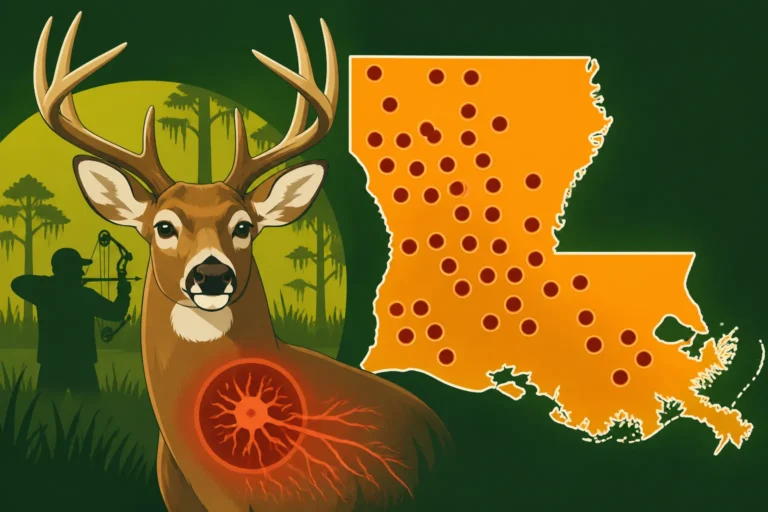
Without a doubt, Chronic Wasting Disease (CWD) is the most pressing concern for Louisiana's deer herd right now. It's a fatal neurological disease that affects cervids (deer, elk, moose) and has no known cure or vaccine. When CWD was first detected in Louisiana, it sent ripples of concern through the entire hunting community, and rightfully so. The disease is caused by abnormal proteins called prions, which can persist in the environment for years, making it incredibly challenging to manage once established.
CWD manifests slowly, often over months or even years. Infected animals may appear healthy initially, but as the disease progresses, they start showing classic signs: drastic weight loss (wasting away), listlessness, neurological symptoms like stumbling or tremors, excessive salivation, and an insatiable thirst. A deer behaving oddly, appearing emaciated, or showing no fear of humans, particularly during periods when they should be cautious, is a red flag. Louisiana's Chronic Wasting Disease Zones have been established to help contain and monitor the spread, and specific regulations have been put in place to manage the risk. It's crucial for hunters to be aware of these zones and the rules that apply to them. For example, there are strict rules about Louisiana Carcass Movement Restrictions out of these areas to prevent accidental spread to new territories. Many hunters use tools like GoHunt to stay on top of the latest regulations and map out CWD zones before they head to their favorite hunting spots.
Other Noteworthy Wildlife Health Issues
While CWD is a major focus, it's not the only wildlife health concern that Louisiana monitors. Other diseases and conditions can affect game animals, and being aware of them helps us all contribute to a healthier environment.
- Epizootic Hemorrhagic Disease (EHD) and Bluetongue Virus: These are common viral diseases that can cause significant die-offs in deer populations, especially during hot, dry periods. Symptoms include fever, swelling of the head, neck, and tongue, and often a tendency for affected deer to seek out water. Unlike CWD, EHD doesn't persist in the environment in the same way, but it can hit deer herds hard in certain years. Hunters often report seeing deer in or near water bodies during outbreaks, a key indicator.
- Mange: While typically associated with canids like foxes and coyotes, mange, caused by parasitic mites, can also affect other mammals. You might see a Mange in Louisiana Coyotes and Foxes, presenting as patchy hair loss, scabs, and a generally miserable-looking animal. While not typically fatal on its own, severe cases can weaken an animal and make it more susceptible to other illnesses or harsh weather.
- Avian Influenza (Bird Flu): For our waterfowl hunters, avian influenza is a concern. Avian Influenza in Louisiana Birds can affect domestic poultry and wild birds, including ducks and geese. While human infection is rare, monitoring is crucial to prevent widespread outbreaks. Signs in wild birds can include neurological issues, swimming in circles, tremors, or sudden die-offs. Hunters are encouraged to avoid handling sick or dead birds and to practice good hygiene when processing healthy birds.
- Rabies: Though less common in game animals, rabies is always a concern. Any wild animal acting abnormally aggressively or exhibiting uncharacteristic tameness could be rabid. This is a serious public health threat, and such animals should never be approached.
The Vigilant Eye: How Louisiana Monitors Wildlife Disease
Monitoring the health of millions of wild animals across a diverse landscape like Louisiana is a monumental task. It requires dedicated professionals, robust scientific methods, and, crucially, the participation of the public, especially hunters.
LDWF's Role: Sampling, Research, and Data Collection
The Louisiana Department of Wildlife and Fisheries is at the forefront of this effort. Their biologists and veterinarians work tirelessly to track disease prevalence, respond to outbreaks, and implement management strategies. This involves several key activities:
- Active Surveillance: This means intentionally collecting samples from healthy-looking animals during routine harvest or research. For CWD, this involves collecting lymph node samples from harvested deer, particularly in and around known CWD zones. This data is critical for understanding the distribution and prevalence of the disease. LDWF often sets up voluntary or mandatory Louisiana CWD Testing for Hunters at check stations or drop-off points, making it easier for hunters to contribute.
- Passive Surveillance: This is where hunters and the public come in. When someone reports a sick or dead animal, it triggers an investigation. These reports can often be the first indication of a disease outbreak, like an EHD event.
- Research and Collaboration: LDWF collaborates with universities, federal agencies, and other state wildlife departments to share information, refine testing methods, and develop best practices for disease management. They also conduct their own research into disease ecology and impacts on local populations.
- Management Zones and Regulations: Based on their findings, LDWF establishes special management zones, like those for CWD, and implements specific hunting regulations, such as baiting bans or carcass movement restrictions, designed to slow or stop the spread of disease. Understanding these regulations, which can change, is a hunter's responsibility, and tools like GoHunt can be invaluable for quickly looking up the most current rules.
Hunter Involvement: Our Crucial Part in the Surveillance Network
As hunters, we spend more time in the woods than almost anyone else, making us incredibly valuable eyes and ears for wildlife health monitoring. Our direct interaction with game animals puts us in a unique position to observe their health and behavior up close. This isn't just a suggestion; it's a vital component of successful wildlife management.
When you're out Scouting Louisiana Public Land Before Season or sitting in your stand, you're not just looking for deer; you're observing the overall health of the forest. Did you see an unusually high number of dead squirrels? Is that coyote looking really mangy? These observations, especially when reported promptly, can provide early warnings that might otherwise be missed. Your contribution directly impacts the state's ability to respond effectively.
Your Part in the Solution: What Hunters Can Do
As responsible hunters, we all want to do our part to keep Louisiana's wildlife healthy. It's not just about following the rules; it's about being an active participant in conservation. Here are some actionable steps you can take.
Spotting the Signs: Recognizing Sick Animals
Being able to identify a sick animal is the first step in reporting. It might feel unsettling, but knowing what to look for can make a real difference.
- Behavioral Changes: Watch for animals that are lethargic, disoriented, have difficulty moving, or show an unusual lack of fear of humans. A deer that just stands there staring at you when it should be bolting is a concerning sign.
- Physical Symptoms: Look for emaciation (bones protruding, sunken flanks), excessive drooling, nasal discharge, unusual lumps or lesions, or patchy hair loss. In birds, look for matted feathers, swelling, or neurological issues like head tilting or circling.
- Unusual Deaths: If you find multiple dead animals in an area without obvious signs of trauma or predation, especially near water sources, this could indicate a disease outbreak like EHD.
It’s important to remember that not every odd behavior means disease. A deer that’s simply worn out from the rut might look a little skinny, or one startled by you might act confused for a moment. But if multiple symptoms are present, or if the behavior is truly out of character, it warrants attention.
Safe Handling and Carcass Management: Protecting Yourself and Preventing Spread
Proper handling of game animals is not only good practice for meat quality but also essential for preventing disease transmission.
- Wear Gloves: Always wear latex or nitrile gloves when field dressing an animal. This protects you from potential pathogens and keeps your hands clean.
- Avoid Brain and Spinal Tissue: When processing deer, minimize handling of brain and spinal cord tissue, especially in CWD areas. Prions are concentrated in these tissues.
- Clean Your Tools: Thoroughly clean and disinfect all knives, saws, and other equipment after processing. A bleach solution (1 part bleach to 10 parts water) or a strong commercial disinfectant works well.
- Proper Carcass Disposal: This is absolutely critical, especially in CWD management zones. Never dump carcasses indiscriminately. In CWD areas, specific rules apply, often requiring remains to be left at the kill site, buried deeply, or taken to designated disposal sites. Check the most current LDWF regulations, or refer to resources like GoHunt, for specific guidelines in your hunting area. If you're outside a CWD zone, try to bury carcasses or dispose of them in ways that prevent scavengers from spreading potential pathogens.
- Meat Safety: While CWD hasn't been shown to transmit to humans, health agencies still recommend against consuming meat from CWD-positive animals. It's best to Handling Venison From a CWD Management Zone responsibly. For other diseases, proper cooking usually inactivates pathogens, but if an animal appears visibly sick, it's generally best to err on the side of caution and not consume the meat.
| Disease/Condition | Primary Species Affected | Key Symptoms | Hunter Action |
|---|---|---|---|
| Chronic Wasting Disease | Deer, Elk | Emaciation, lethargy, neurological signs, excessive drooling | Report suspicious behavior, get deer tested in CWD zones, follow carcass rules |
| Epizootic Hemorrhagic Disease (EHD) | Deer | Fever, swelling (head/tongue), seeking water, sudden death | Report multiple dead deer, especially near water bodies |
| Mange | Coyotes, Foxes | Patchy hair loss, scabs, itchy, emaciation | Report severe cases, avoid contact with affected animals |
| Avian Influenza | Waterfowl, Wild Birds | Neurological signs, tremors, sudden die-offs | Avoid sick/dead birds, practice hygiene when processing healthy birds |
| Rabies | All Mammals (rare in game) | Aggression, disorientation, abnormal tameness, drooling | Do NOT approach. Report immediately. |
Reporting Suspected Cases: When and How to Notify Authorities
Your observations are incredibly valuable. Don't hesitate to report anything suspicious. It's better to make a report that turns out to be nothing than to ignore something that could be a serious threat.
- When to Report: Report any deer exhibiting CWD-like symptoms, any clusters of dead animals, or any wild animal acting abnormally or showing severe signs of illness.
- How to Report: The easiest way to report is to contact your local LDWF office directly or use their online reporting system. You can often find contact information on the LDWF website or through hunting resources like GoHunt. Be prepared to provide specific details:
- Location: Be as precise as possible (parish, road names, nearest landmarks, GPS coordinates if you have them).
- Date and Time: When did you observe the animal or find the carcass?
- Species: What type of animal was it?
- Symptoms: Describe in detail what you observed (e.g., "deer was stumbling, very thin, excessive drooling").
- Photos/Videos: If possible and safe to do so, take clear photos or videos from a distance. These can be very helpful for biologists.
Your vigilance contributes directly to the state's ability to maintain healthy wildlife populations. By working together, hunters and wildlife managers can ensure that Louisiana's wild places continue to thrive for generations to come. Staying informed about regulations, especially concerning specific zones and Louisiana CWD Prevalence in the Northeast Zones, is part of that responsibility. Tools like GoHunt can help you quickly access critical information and maps to ensure you're always hunting legally and responsibly. Remember, a healthy ecosystem is a productive ecosystem, and your role as a hunter extends beyond the harvest to stewardship. You might also want to look into other related topics like Louisiana Wildlife Rehabilitation for Injured Game if you encounter an injured, but not necessarily diseased, animal.
Disclaimer
This article is for general informational purposes only and does not constitute professional advice. Laws, prices and regulations vary by location and change over time. Consult a qualified professional for guidance on your specific situation.