When Louisiana Coyotes First Arrived
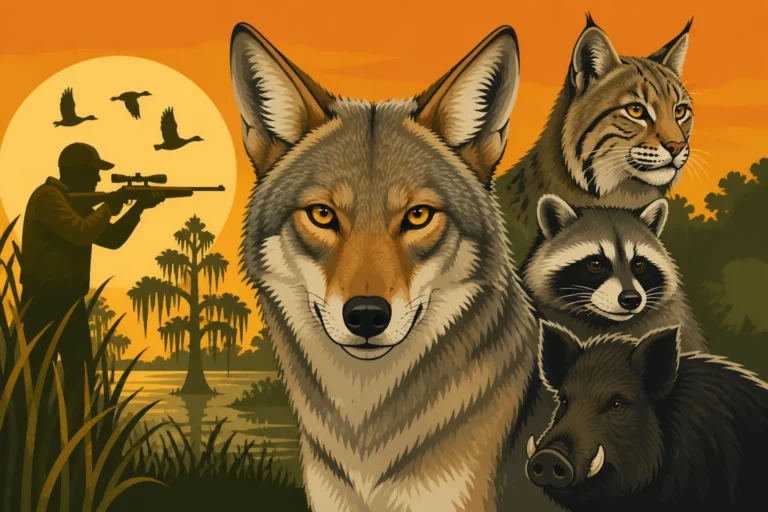
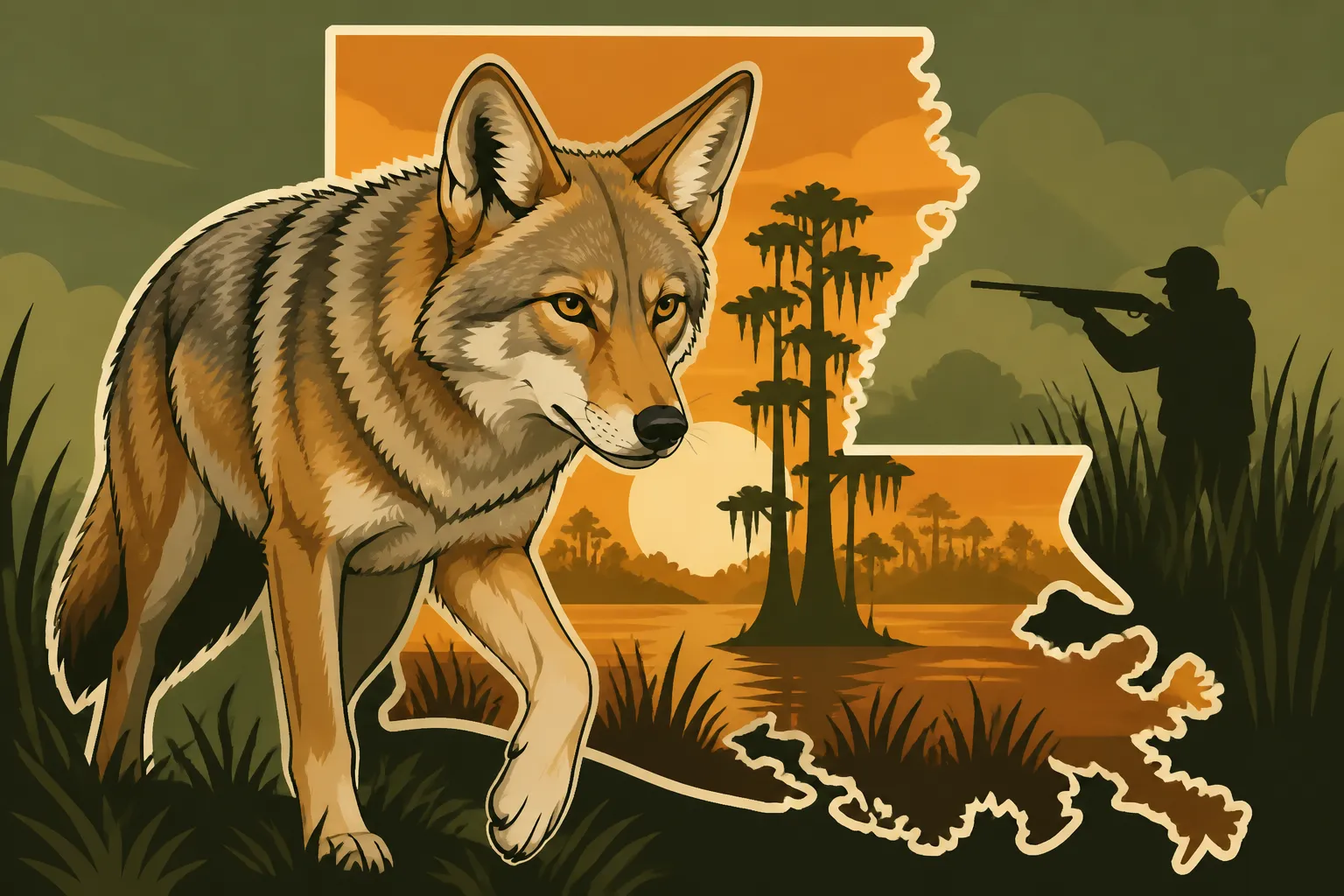
Many Louisiana hunters and landowners today can't imagine a landscape without coyotes, but believe it or not, these adaptable canines haven't always been a fixture in the Bayou State. For generations, our swamps, pine forests, and farmlands knew only native predators like bobcats and the now-extirpated red wolf. The arrival of the coyote marked a significant, albeit gradual, shift in our ecosystem, and understanding when Louisiana coyotes first arrived helps us grasp their current role and impact. This guide will delve into the historical journey of coyotes into Louisiana, exploring the factors that brought them here and the ways they’ve settled into our unique environment.
The Long Journey South: When Coyotes First Became Louisiana Residents
It's easy to assume coyotes have always been here, especially if you've grown up hearing their distinct calls echoing across a field at dusk. But the truth is, the coyote is a relatively new arrival to Louisiana, having expanded its range significantly over the last century. Their journey wasn't a sudden invasion, but rather a slow, persistent migration driven by various ecological and human factors.
Tracing Their Western Origins
Coyotes, scientifically known as Canis latrans, are native to the North American continent, but historically, their primary range was concentrated in the western and central plains. Imagine vast prairies stretching across states like Texas, Oklahoma, Kansas, and out to the arid landscapes of the Southwest. This was the coyote's original stronghold, a habitat perfectly suited to their opportunistic hunting style and incredible adaptability. They thrived where bison roamed and rodents scurried, relatively unbothered by human expansion until the widespread persecution of larger predators began.
Their adaptability is truly legendary. Unlike some more specialized predators, coyotes can adjust to almost any food source, any climate, and nearly any landscape. This trait became crucial as human populations grew and altered the natural environment. Their success story is one of resilience and cleverness, allowing them to expand far beyond their ancestral territories.
The Gradual Expansion Eastward
The coyote's eastward expansion into states like Louisiana really picked up steam in the early to mid-20th century. There wasn't a specific date or event that marked their arrival; instead, it was a slow, creeping advance, often moving along river corridors, forest edges, and even human-made infrastructure like roads and power lines. Several key factors contributed to this spread:
- Extirpation of Apex Predators: Perhaps the most significant factor was the dramatic decline, and in many areas, the complete eradication, of larger native predators like wolves and cougars. In Louisiana, the red wolf, a species historically native to our region, faced severe persecution and habitat loss, eventually disappearing from the wild here. This created an ecological vacuum, a wide-open niche for a medium-sized predator. Coyotes, being incredibly adaptable and prolific breeders, were perfectly poised to fill this void. Without the competition or predation pressure from larger carnivores, their populations could explode and expand into new territories.
- Habitat Alteration: As settlers moved across the continent, forests were cleared for agriculture, and sprawling grasslands were broken up. While this was detrimental to many species, it often created a mosaic of habitats – fields, brushy edges, and fragmented woodlands – that suited coyotes perfectly. They are "edge" animals, thriving where different habitat types meet, providing cover, hunting grounds, and denning sites. Louisiana's mix of pine plantations, agricultural fields, and bottomland hardwoods offered just such an environment.
- Human Tolerance (and Sometimes, Inadvertent Assistance): Initially, coyotes weren't viewed with the same level of fear or persecution as wolves. Their smaller size meant they were less of a perceived threat to large livestock, though they certainly can be a nuisance to poultry and small animals. Some studies even suggest that humans, by creating travel corridors and inadvertently providing food sources (like refuse or roadkill), helped facilitate their spread.
By the 1950s and 60s, coyotes were firmly established in many parts of northern and central Louisiana, having steadily moved down from Arkansas and west from Mississippi. The southern parishes, particularly the coastal marshes, likely saw their populations increase slightly later, as these areas presented a different set of challenges and opportunities.
Why Louisiana Became a New Home
Louisiana, with its diverse landscapes, proved to be an ideal new home for the expanding coyote population. The very features that make our state unique offered coyotes a bounty of resources:
- Abundant Prey: Our state teems with small game. Rabbits, rodents, and a variety of birds offer a consistent food supply. Even young or weak deer fawns can fall prey to coyotes, especially when they're vulnerable in the spring. This consistent availability of food, from the Piney Hills Versus Basin Deer to the plentiful small mammals of the sugar cane fields, allowed them to thrive.
- Varied Cover: From the thick palmetto undergrowth of our pine forests to the dense tangles of the Atchafalaya Basin, Louisiana offers ample cover for coyotes to hunt, den, and evade larger threats (which, by this time, were mostly human). They can disappear into a cypress brake or blend into a field edge with surprising ease.
- Mild Climate: Louisiana's mild winters, compared to more northern states, meant less energy expenditure on thermoregulation and more opportunities for year-round breeding and foraging. This contributes to their rapid reproductive rates, allowing populations to grow quickly.
The combination of available food, diverse cover, and a suitable climate, along with the ecological niche left by the red wolf, effectively rolled out the welcome mat for coyotes in Louisiana. Their arrival fundamentally altered the predator-prey dynamics in our state, something hunters and wildlife managers have been dealing with ever since.
Settling In: Ecological Shifts and Adaptation in the Bayou State
Once coyotes established a foothold in Louisiana, they didn't just survive; they truly adapted and integrated themselves into the fabric of the state's ecosystems. This adaptation involved changing their hunting strategies, diversifying their diets, and even altering their social structures to fit the local environment.
Filling the Niche: Competition and Coexistence
With the red wolf gone, coyotes stepped into a critical role as the new medium-to-large predator across much of Louisiana. This shift meant new dynamics for existing wildlife:
- Competition with Bobcats: Bobcats are native to Louisiana and are formidable hunters themselves, but they are generally smaller than coyotes and often prefer denser, more secluded cover. When coyotes arrived, there was some initial competition for resources, but largely, these two species found ways to coexist. Coyotes tend to be more active in open areas and use a wider variety of habitats, while bobcats might stick to the thicker woods. They both target similar small prey, but their hunting styles and preferred territories often minimize direct conflict.
- Predation Pressure on Prey Species: The most noticeable impact of coyote arrival was undoubtedly the new predation pressure on various prey species. Deer populations, in particular, felt this. While adult, healthy deer are rarely taken by coyotes, fawns are extremely vulnerable. This added a new layer of natural selection, potentially influencing fawn survival rates and the overall Louisiana Deer Herd Size.
- Impact on Feral Hogs: Coyotes also interact with Feral Hogs Across Louisiana, particularly preying on young piglets. While they certainly don't control the massive hog populations, they can act as another natural check, especially on smaller, more vulnerable hog groups. Understanding these complex interactions is key for wildlife management.
Diet Diversification: What Louisiana Coyotes Eat
Coyotes are famously opportunistic, and their diet in Louisiana reflects the incredible biodiversity of our state. They are not picky eaters, and their menu can change drastically depending on the season, local habitat, and availability of prey.
Here's a look at some common food sources for Louisiana coyotes:
| Habitat Type | Primary Prey Items (Typical) | Opportunistic Foraging |
|---|---|---|
| Piney Hills / Uplands | Rabbits, mice, voles, young deer | Insects, berries, persimmons, bird eggs |
| River Bottoms / Basins | Fawn deer, rabbits, squirrels, opossums | Fish, frogs, reptiles, carrion |
| Agricultural / Farm Fields | Rodents (rats, mice), insects | Crop residues, domestic fowl (if accessible), roadkill |
| Coastal Marsh | Nutria, muskrats, small birds, crabs | Fish, turtle eggs, small alligators (rarely) |
Coyotes will scavenge carrion extensively, including deer killed by vehicles or other predators. This scavenging behavior makes them important "clean-up crews" in the ecosystem. Their diet is far from specialized, making them highly resilient to changes in specific prey populations. This is one of the reasons they are such a dominant predator across the state.
Behavioral Changes in a New Landscape
As coyotes moved into Louisiana, their behaviors also adapted to the new environment. While western coyotes might range widely across open prairies, Louisiana's dense cover meant they became adept at navigating thickets and swamps. They learned to utilize logging roads, natural gas pipelines, and field edges as travel corridors.
Their denning habits adapted too. Instead of solely relying on underground dens in open plains, Louisiana coyotes might utilize hollow logs, dense brush piles, or even abandoned structures for raising their pups. Their nocturnal activity often increases in areas with high human presence, allowing them to avoid direct contact and continue their hunting unseen.
This profound adaptability, from diet to denning, underscores why coyotes have not only survived but thrived in Louisiana, becoming a permanent part of our wild landscape. For hunters looking to understand game movements, particularly deer, knowing where coyotes operate is a critical piece of the puzzle. Tools that map out habitat types, like GoHunt, can often help identify prime coyote territory where their prey might also be concentrated.
Current Status and Management: Living with Louisiana's Coyotes
Today, coyotes are firmly established in every parish of Louisiana, from the northern pine forests to the very edges of the coastal marsh. Their pervasive presence means that hunters, landowners, and wildlife managers must continually adapt to their impact on local ecosystems.
Coyote Management and Hunting Opportunities
Unlike many game species, coyotes in Louisiana are generally classified as a nuisance animal or a predator that can be hunted year-round on private land, often with very liberal regulations. The Louisiana Department of Wildlife and Fisheries (LDWF) recognizes their widespread distribution and the potential for negative impacts on livestock and game species. This means there's often no closed season or bag limit on private property, and night hunting with artificial lights is often permitted under specific conditions, especially for landowners attempting to protect livestock or crops. Hunters should always check current Night Hunting Rules for Louisiana Coyotes and specific regulations for any Wildlife Management Area (WMA) they plan to hunt, as public land rules can differ significantly.
Many hunters actively pursue coyotes, not just for population control, but also for sport. Predator calling, particularly during the deer off-season, has become a popular activity. Using distress calls can often bring coyotes in close, providing an exciting hunting challenge. Hunters often share tips on Predator Calling Louisiana Farm Country, where coyotes often frequent field edges.
Impact on Game Species
Coyotes undoubtedly have an impact on Louisiana's game species, primarily white-tailed deer. While adult, healthy deer are generally too quick and powerful for a lone coyote, fawns are extremely vulnerable. During the fawning season in late spring and early summer, coyotes are significant predators, and a robust coyote population can depress fawn recruitment – the number of fawns that survive to adulthood. This impact is often more pronounced in areas with poor habitat, where fawns have less cover, or in areas with already struggling deer populations.
However, it's important to view this impact in context. Coyotes are part of a natural ecosystem. Deer populations are influenced by many factors, including habitat quality, food availability, weather, disease (like EHD), and human hunting pressure. While coyotes add a layer of pressure, they are rarely the sole reason for a decline in deer numbers. In fact, by preying on weak or sick animals, coyotes can sometimes contribute to a healthier overall deer herd, though this is a complex ecological balance.
Coyotes also prey on wild turkeys, especially poults and nesting hens, contributing to the challenges in Louisiana Turkey Population Trends. Again, this is a natural interaction, and a healthy turkey population can often withstand some level of predation. Hunters focused on deer or turkey should understand that coyote presence is a reality, and their strategies sometimes need to account for it, such as scouting for fresh tracks or using trail cameras that might also reveal coyote activity.
Human-Coyote Interactions and Coexistence
As coyotes continue to thrive, interactions with humans are inevitable, especially in suburban and even urban fringe areas. While coyotes are generally shy and avoid people, they are highly adaptable and will exploit food sources if available. This can lead to conflicts, particularly involving small pets.
To minimize negative interactions, it’s crucial for landowners and homeowners to:
- Secure garbage and pet food.
- Keep small pets indoors, especially at night.
- Supervise pets when outside.
- Remove dense brush or woodpiles near homes that could serve as den sites.
- Never intentionally feed coyotes, as this habituates them to humans.
In the grand scheme, coyotes are a permanent fixture in Louisiana's wildlife landscape. Understanding their biology, behavior, and the role they play helps foster a more informed approach to living alongside them, whether you're a hunter, landowner, or simply a resident of the Bayou State. Scouting tools like GoHunt can be invaluable in understanding the broader ecological landscape, including areas where these adaptable predators are most likely to be found.
Beyond the Myths: Understanding the Real Coyote
Coyotes, like many predators, are often misunderstood creatures, subject to a wide array of myths and misconceptions. From exaggerated fears of their threat to livestock and humans to underestimating their ecological role, separating fact from fiction is crucial for a realistic perspective on Louisiana's most widespread predator.
Common Misconceptions About Coyotes
Let's tackle some of the prevalent myths surrounding coyotes:
- Myth: Coyotes are solely responsible for declining deer populations.
- Reality: While coyotes certainly prey on fawns and can impact deer recruitment, especially in areas with poor habitat or other stressors, they are rarely the sole cause of a significant population decline. Factors like habitat loss, disease (EHD Die-Offs in Louisiana Deer), weather, vehicle collisions (Louisiana Deer Vehicle Collisions), and human hunting pressure often play a larger or equally significant role. Healthy, balanced ecosystems typically have mechanisms that allow prey populations to rebound, even with natural predation.
- Myth: Coyotes routinely attack humans.
- Reality: Attacks on humans by coyotes are exceedingly rare. They are naturally wary of people and will almost always avoid confrontation. Most reported incidents involve coyotes that have become habituated to humans, often due to intentional feeding or scavenging easily accessible food sources in urban environments. Following common-sense precautions, like not feeding wildlife and supervising children and pets, drastically reduces any potential risk.
- Myth: Eradicating coyotes will fix all game animal problems.
- Reality: Attempting to eradicate coyotes is generally futile and can even backfire. When coyote populations are heavily hunted or trapped, surviving coyotes often respond by increasing their reproductive rates (having larger litters) and moving into available territories, quickly repopulating the area. This phenomenon, known as "compensatory reproduction," makes complete eradication nearly impossible and short-term control efforts often unsustainable. Furthermore, removing one predator without understanding the complex ecological chain can lead to unexpected consequences, potentially causing an imbalance in other prey populations.
The Role of Coyotes in the Ecosystem
Despite often being viewed as a nuisance, coyotes play a vital, if sometimes complex, role in Louisiana's ecosystems. They are a natural component of the predator-prey dynamic that helps maintain ecological balance.
- Natural Selection: By preying on the weak, old, sick, or unwary among their prey species, coyotes contribute to natural selection. This can help keep prey populations healthier and more robust over time by removing individuals that might be less fit to survive or reproduce.
- Rodent Control: A significant portion of a coyote's diet consists of small rodents like mice, rats, and voles. In agricultural areas, this can be a beneficial service, helping to control pest populations that might otherwise damage crops or stored goods.
- Scavenging: As opportunistic scavengers, coyotes help clean up carrion, preventing the spread of disease and recycling nutrients back into the ecosystem. This role is often overlooked but is incredibly important for environmental hygiene.
Ultimately, coyotes are a testament to nature's resilience and adaptability. They are here to stay, and understanding their true nature, rather than succumbing to myths, allows for more effective coexistence and management strategies. For hunters, recognizing their presence and habits is just another layer of understanding the complex world we step into when we head afield. Tools like GoHunt can provide valuable data on habitat features and potential coyote strongholds, aiding hunters in making informed decisions about their time in the field.
Disclaimer
This article is for general informational purposes only and does not constitute professional advice. Laws, prices and regulations vary by location and change over time. Consult a qualified professional for guidance on your specific situation.