How Many Coyotes Louisiana Has
It can feel like coyotes are everywhere these days, whether you're hearing their distinctive yips and howls at dusk or seeing their tracks cutting across a freshly tilled field. This widespread presence often leaves hunters and landowners scratching their heads, wondering just how many of these adaptable predators are truly out there. Understanding the sheer numbers and distribution of coyotes in Louisiana is crucial, not only for managing livestock and protecting deer fawns but also for effective hunting strategies, and this guide will dive deep into what we know about the coyote population in our beautiful state.
The Elusive Coyote Count in Louisiana
Trying to pin down an exact number for a wild, elusive predator like the coyote is a bit like trying to count every raindrop in a summer storm – it's practically impossible. Unlike deer or turkey, which are often surveyed through spotlight counts, harvest data, and landowner observations, coyotes are notoriously difficult to enumerate precisely. They are nomadic, can be incredibly wary, and their population dynamics can shift rapidly based on prey availability and human interaction.
The Challenge of Counting Coyotes
Wildlife agencies and researchers face significant hurdles in getting a definitive census of coyotes. They don't typically live in easily definable territories that stay constant, and their nocturnal habits mean direct observation is infrequent. Even advanced methods like trail cameras or DNA analysis from scat samples can only provide localized density estimates, not a statewide total. Imagine trying to get a headcount in a dense river bottom or a vast pine forest; it's a monumental task. This lack of a precise number can be frustrating for those who deal with coyote issues on their property, leaving them to rely on anecdotal evidence or general trends.
What scientists can do is estimate population trends and densities across different habitat types. They look at factors like pup survival rates, dispersal patterns, and hunter harvest data as indicators. For instance, if trappers and hunters are consistently reporting high numbers of coyotes in specific areas year after year, it suggests a robust, stable population there. Conversely, a drop in sightings or harvest might indicate a localized dip, though coyotes are so resilient that these dips are often temporary.
State-Level Population Estimates
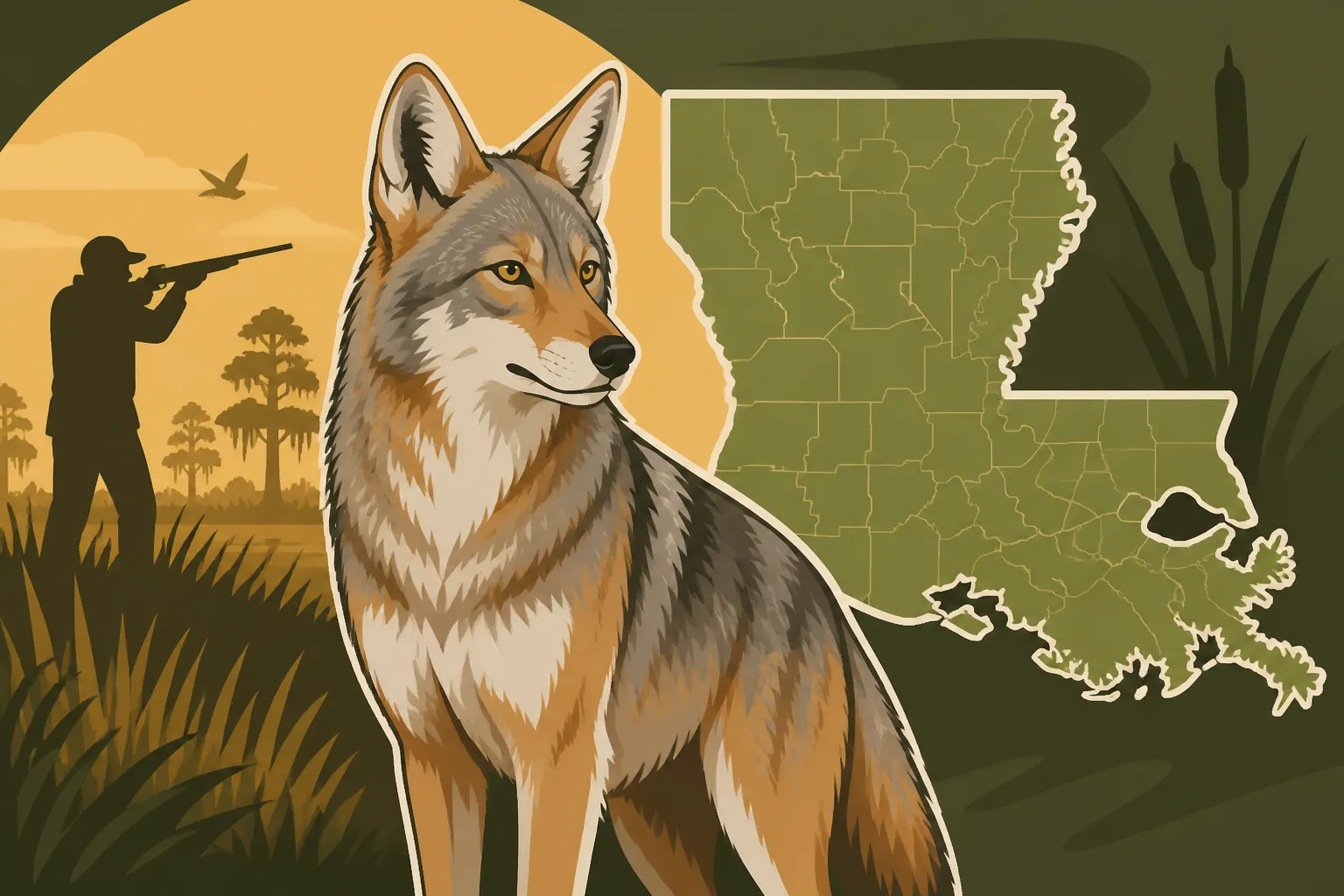
While a single, definitive number for "how many coyotes Louisiana has" isn't feasible, wildlife biologists generally agree that their numbers are substantial and widespread across the state. Coyotes are firmly established in all 64 parishes, from the piney woods of North Louisiana down to the coastal marshlands. We're talking about a species that has not only adapted but thrived in diverse Louisiana ecosystems. Their population isn't static; it fluctuates seasonally with breeding and pup-rearing, and can be influenced by environmental factors like severe floods or droughts impacting prey bases.
It's safe to say Louisiana likely hosts tens of thousands of coyotes, perhaps even well into the hundreds of thousands. These aren't the kind of localized populations you see with some other predators; coyotes have truly colonized every corner of the state. This general understanding of their widespread presence is why so many hunters encounter them, whether they're pursuing deer, rabbits, or even waterfowl. Their adaptability is truly remarkable, allowing them to exploit everything from vast wilderness areas to the fringes of suburban developments.
Regional Variations in Density
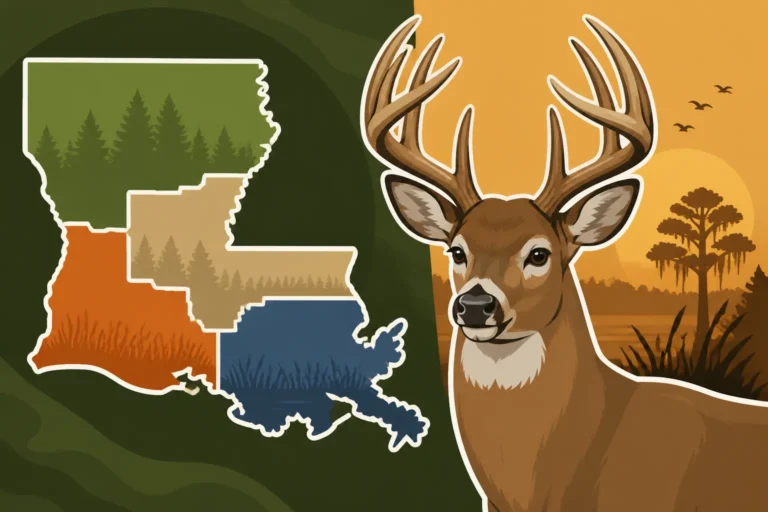
While coyotes are everywhere, their density isn't uniform. You'll likely find higher concentrations in areas with abundant prey and good cover, which often means agricultural lands, mixed pine-hardwood forests, and the vast river bottoms that snake across the state. Think of the farm country in Northeast Louisiana or the transition zones where timber meets open fields—these are prime coyote territories. In these areas, food is plentiful, offering a smorgasbord of rodents, rabbits, and even deer fawns.
Conversely, extremely dense urban areas or vast, open coastal marsh might see slightly lower densities, though even there, coyotes find ways to survive. The coastal marsh, for example, offers plenty of food in the form of small mammals and birds, but large expanses of open water can limit their movement compared to more terrestrial habitats. Knowing these variations can help hunters target their efforts; a farmer dealing with calf depredation in a north Louisiana pasture might face a much higher density of coyotes than someone hunting rabbits in the middle of a remote, undisturbed swamp. This understanding of local densities is key to effective management, and a tool like GoHunt can sometimes help visualize diverse habitat types that coyotes favor.
Coyote Arrival and Spread in Louisiana
The story of the coyote in Louisiana is one of remarkable expansion and adaptation. They aren't native to the Deep South; their historical range was primarily in the western plains and deserts of North America. However, over the last century, these intelligent canids have steadily pushed eastward, filling ecological niches left vacant by the extirpation of other predators like wolves and mountain lions.
Coyote Arrival and Expansion
The first confirmed sightings of coyotes in Louisiana occurred in the northern part of the state in the late 1940s and early 1950s. Their journey eastward was largely facilitated by a combination of factors, including habitat changes brought about by human settlement and agricultural practices, and the intentional eradication of their natural competitors. As forests were cleared for farms and pastures, it created ideal "edge" habitat that coyotes love. These open areas interspersed with cover allowed them to travel and hunt effectively.
Once they arrived, their prolific breeding habits and opportunistic nature ensured their rapid spread. They colonized parish after parish, demonstrating an uncanny ability to adapt to diverse landscapes. By the 1970s and 80s, coyotes were firmly established across much of Louisiana, and their numbers continued to grow. This relatively recent arrival means many older hunters remember a time when coyotes were rarely, if ever, seen or heard. It's a testament to their resilience that they've gone from newcomers to one of the most widespread predators in such a relatively short period. For a deeper dive, check out When Louisiana Coyotes First Arrived.
Habitat Adaptation and Success
Coyotes are the ultimate generalists, which is a huge part of their success story in Louisiana. They don't need pristine wilderness to thrive. They can live in vast national forests like Kisatchie, dense bottomland hardwoods along the Mississippi River, coastal marshes, suburban green spaces, and even the fringes of cities. This adaptability to a wide range of habitats, from swamps to pine plantations, means there's virtually no corner of Louisiana where they can't find a home.
Their diet is equally diverse. While they are skilled hunters of small game like rabbits, rodents, and even fawns, they are also scavengers, readily consuming carrion, insects, and even fruits and berries when available. This flexibility in diet means they rarely go hungry, even when preferred prey populations are low. Furthermore, their relatively small size and intelligence allow them to often avoid direct conflict with humans, making it easier for them to coexist, even if sometimes unwelcome. This successful adaptation is why the question of "How Many Coyotes Louisiana Has" is so consistently answered with "a lot, and everywhere!"
Factors Influencing Coyote Populations
Understanding the sheer numbers of coyotes isn't just about a headcount; it's about grasping the ecological factors that allow them to flourish. Louisiana offers a buffet of conditions that contribute to a robust and persistent coyote population.
Prey Abundance and Habitat Diversity
Louisiana is rich in game animals and other small creatures that form the backbone of a coyote's diet. Rabbits, rats, mice, squirrels, and various birds are plentiful across the state. This consistent food supply allows females to successfully raise larger litters of pups, leading to healthy recruitment into the population. A particularly good year for rabbit populations, for instance, can translate into a boom for local coyotes a year or two later.
Our diverse habitats also play a huge role. From the pine plantations that offer dense bedding and small mammal populations, to agricultural fields providing both food and cover, to the nutrient-rich bottomland hardwood forests, Louisiana offers a mosaic of prime coyote territory. These varied landscapes ensure that even if one prey source is down in a particular area, others are likely available. For example, a coyote struggling to find rabbits in a flooded area might shift its focus to rooting out rodents in a nearby field. This ecological versatility contributes significantly to Louisiana Coyote Range and Density.
Human Development and Edge Habitats
Ironically, human development, which often fragments habitats for other species, has often benefited coyotes. The creation of "edge" habitat—where different types of landscapes meet, such as a forest bordering a farm field or a suburban development meeting a natural area—provides coyotes with excellent hunting grounds and escape cover. They can patrol field edges for rodents and rabbits, quickly retreating into the adjacent woods if threatened.
Even in more populated areas, coyotes have learned to exploit human resources. They scavenge from garbage, feed on pet food left outdoors, and prey on free-roaming domestic animals. While this can lead to conflicts, such as Louisiana Coyote Attacks on Livestock, it also provides a supplemental food source that can support denser populations than might otherwise exist. This ability to live close to people, often unseen, further complicates efforts to get an accurate count and highlights their incredible cunning.
Hunting and Trapping Pressure
Coyotes in Louisiana face year-round hunting and trapping pressure, yet their numbers remain strong. This resilience is a hallmark of the species. While localized, intensive efforts can temporarily reduce populations, coyotes have an amazing capacity to bounce back. If their numbers are significantly reduced in an area, survival rates for remaining pups tend to increase, and breeding females might even have larger litters. Furthermore, coyotes from surrounding areas will often move in to fill the vacant territory.
This doesn't mean hunting and trapping are ineffective, but rather that they act more as a management tool to keep populations in check and address specific problem areas, rather than as a means to eradicate them entirely. Many hunters enjoy pursuing coyotes for sport, helping landowners, or as part of a predator control strategy to benefit deer or turkey. Understanding how to call them in Predator Calling Louisiana Farm Country can be a rewarding challenge. The LDWF recognizes the need for continuous management, which is why there are generally very open seasons and few restrictions on hunting them.
The Impact and Management of Louisiana's Coyote Population
The large and widespread coyote population in Louisiana has significant implications for both the ecosystem and for human activities, especially hunting and agriculture. Managing these adaptable predators is an ongoing challenge that involves hunters, trappers, and wildlife agencies working together.
Impact on Deer and Small Game
One of the most frequently discussed impacts of coyotes among hunters is their effect on deer populations, particularly fawns. While adult deer can often outrun or deter coyotes, fawns are vulnerable targets, especially in their first few weeks of life. When fawn recruitment (the number of fawns that survive to adulthood) is low, it can lead to declines in deer numbers over time. This concern is very real, and research into Louisiana Predator Impact on Fawn Recruitment often points to coyotes as a significant factor. It’s a frustration for deer hunters who spend countless hours scouting and managing property, only to see fawns become coyote meals.
Coyotes also prey heavily on small game species like rabbits and squirrels. While Louisiana's small game populations are generally robust, high coyote densities can certainly put pressure on local populations. For hunters who enjoy chasing rabbits with beagles or squirrels in the bottomland hardwoods, a strong coyote presence is definitely noticeable. The constant pressure from coyotes adds another layer of challenge for these smaller animals to thrive and reproduce.
Control Methods and Hunter Role
Given their widespread presence and impact, various control methods are employed to manage coyote populations in Louisiana. Hunting is, by far, the most common and accessible method. Many deer hunters are opportunistic, taking a coyote whenever they see one, knowing it could benefit the local deer herd. Dedicated predator hunters also spend significant time calling and pursuing coyotes, often using specialized gear for night hunting. Always make sure to be familiar with rules like Night Hunting Rules for Louisiana Coyotes. Trapping is another effective method, particularly for removing problem animals in specific areas. Landowners often utilize professional trappers to reduce coyote numbers where livestock, like calves or chickens, are being targeted.
The role of the hunter in coyote management cannot be overstated. By participating in ethical hunting and trapping, individuals contribute directly to balancing wildlife populations. While it’s unlikely we'll ever eliminate coyotes from Louisiana, sustained pressure can help mitigate their impact on other species and reduce conflicts with human interests. It's a continuous effort that requires dedication and a good understanding of coyote behavior. Using mapping apps like GoHunt can help identify potential ambush points or travel corridors where coyotes might be active, improving a hunter's chances of success. It's not just about taking a single animal, but understanding the larger ecological puzzle.
Coyote Ecology and Health in Louisiana
Beyond just their numbers, understanding the ecology and health of Louisiana's coyote population helps us grasp their overall impact and future trends. Coyotes are integral to the ecosystem, but their health can also tell us something about the broader environment.
Diet and Feeding Habits
Coyotes are incredibly opportunistic eaters, a trait that has contributed immensely to their success in Louisiana. Their diet is a reflection of what's available in their specific habitat. In agricultural areas, they might consume a higher percentage of rodents and rabbits, along with insects and even some crops. In heavily timbered areas, deer fawns can become a more significant food source during the spring, while squirrels and other forest dwellers provide sustenance year-round. They also aren't shy about scavenging, cleaning up roadkill or the remains of a deer left by another predator or hunter.
This diverse diet means coyotes exert broad pressure across the food web, not just on one or two species. They're generalist predators that fill a crucial role, often preventing overpopulation of certain small mammal species. This flexibility ensures their survival even when one food source experiences a downturn, making them incredibly resilient.
Health and Disease Considerations
Like all wild animals, coyotes are susceptible to various diseases and parasites. Mange, caused by mites, can be a particularly visible affliction, leading to hair loss, skin irritation, and emaciation, especially during cold weather. While often fatal to individual animals, mange typically doesn't decimate entire coyote populations. It's a natural form of population regulation, especially in areas of high density. For more on this, you might look into Mange in Louisiana Coyotes and Foxes.
Other diseases, like canine distemper and rabies, can also affect coyotes, although outbreaks are generally localized and don't typically cause widespread population crashes. Coyotes, as a natural part of the ecosystem, also help control the spread of disease by culling sick or weak prey animals. Monitoring the health of our coyote population provides valuable insight into the overall health of the wild canid community in Louisiana.
Coyote vs. Other Louisiana Predators
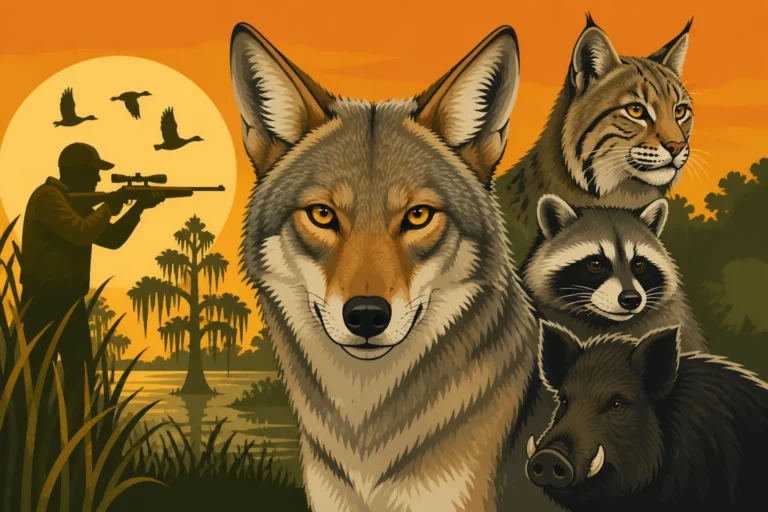
While coyotes are now Louisiana's most widespread and numerous predator, they share the landscape with others. Bobcats, for instance, are also common across the state, but they tend to be more solitary and prefer denser cover than coyotes. They also focus more heavily on rabbits and small rodents. Louisiana's Recovering Bobcat Population indicates they are doing well, but their ecological role is somewhat different.
Another significant "predator" (though often more of a nuisance) is the feral hog. Like coyotes, Feral Hogs Across Louisiana are invasive, widespread, and cause significant ecological damage. They often compete with coyotes for food sources, particularly carrion or agricultural products. While coyotes might occasionally prey on very small piglets, feral hogs are not typically a primary food source for them. Understanding the dynamics between these different species paints a fuller picture of Louisiana's diverse and complex ecosystem.
| Factor | Impact on Coyote Population | Notes |
|---|---|---|
| Prey Availability | Directly affects reproduction and survival rates. | Abundant rabbits, rodents, and deer fawns lead to higher densities. |
| Habitat Diversity | Supports versatile feeding and denning opportunities. | Mixed forests, agricultural edges, and suburban fringes provide ideal conditions. |
| Human Development | Creates edge habitat and supplemental food sources. | Leads to successful adaptation in varied landscapes, sometimes resulting in conflicts. |
| Hunting/Trapping | Localized population reductions, but resilient overall. | Serves as a primary management tool; populations quickly rebound or are replenished by dispersing individuals. |
| Disease/Parasites | Can cause localized mortality (e.g., mange, distemper). | Rarely impacts statewide numbers significantly; often acts as a natural population regulator. |
| Competition | Minimal direct impact from other native predators. | Feral hogs can compete for food, but coyotes generally maintain their ecological niche successfully. |
Conclusion: An Enduring Presence
The question of "How Many Coyotes Louisiana Has" isn't one with a neat, precise answer. What we can say with certainty is that coyotes are a firmly established, highly adaptable, and incredibly numerous species across all of Louisiana's diverse habitats. From their initial eastward migration decades ago to their current widespread presence, they have proven themselves to be one of the most successful wild canids on the continent.
Their impact on deer and small game populations is undeniable, making them a continuous focus for wildlife managers and hunters alike. While hunting and trapping remain crucial tools for managing their numbers and mitigating conflicts, the coyote is here to stay. Understanding their ecology, distribution, and the factors that influence their populations is key for anyone involved in Louisiana hunting, wildlife management, or simply appreciating the wild creatures that share our state. The adaptable coyote is a testament to nature's resilience, and they will continue to be a significant part of Louisiana's outdoors for generations to come.
Disclaimer
This article is for general informational purposes only and does not constitute professional advice. Laws, prices and regulations vary by location and change over time. Consult a qualified professional for guidance on your specific situation.