Crop Damage Costs From Louisiana Hogs
Farmers across Louisiana face a relentless and deeply frustrating battle against an unseen enemy that devastates their livelihoods: feral hogs. These invasive animals don't just graze; they actively destroy millions of dollars worth of crops and agricultural infrastructure each year, leaving a trail of economic hardship and emotional stress in their wake. This guide delves into the profound financial burden these prolific creatures impose on our state's vital agricultural sector, exploring the direct and indirect costs that often go unnoticed.
The Relentless March of Feral Hogs and Their Prolific Nature
Louisiana's mild climate and abundant natural resources, while a boon for many things, also create a perfect environment for feral hogs to thrive and multiply at an astonishing rate. This isn't just a nuisance; it's an ecological crisis with a massive economic fallout for our farmers. Understanding the sheer scale of the hog population helps to grasp why the damage costs are so astronomical.
Exponential Population Growth Makes Control Difficult
Feral hogs are perhaps the most prolific large mammal in North America. A sow can breed as early as six months old and produce multiple litters per year, often having 4-8 piglets in each. Imagine that exponential growth across thousands upon thousands of individuals, and you quickly see why their numbers explode. This incredible reproductive rate means that even aggressive hunting and trapping efforts often only manage to keep populations stable, rather than significantly reducing them. It's a constant uphill battle for landowners and wildlife managers alike. This biological advantage contributes heavily to Why Basin Hogs Reproduce So Fast, exacerbating the issue in fertile areas.
Widespread Distribution Across Louisiana's Diverse Landscapes
These resilient animals aren't picky about their habitat. You'll find them rooting through the rich alluvial soils of the Mississippi River Delta, wallowing in the cypress swamps of the Atchafalaya Basin, and tearing up fields in the piney woods of North Louisiana. Their adaptability means that virtually no agricultural land is safe. From vast rice fields in the southwest to sugarcane plantations in the south-central parishes, and corn and soybean farms spread across the northern half of the state, feral hogs have made themselves at home, making localized control incredibly challenging. Their omnipresence makes it difficult to even estimate How Many Feral Hogs Louisiana Has, but the number is undoubtedly staggering.
Direct Financial Losses to Louisiana's Farmers
The most obvious impact of feral hogs is the direct destruction of crops and property. Farmers often wake up to scenes of devastation, with entire sections of fields rooted up, flattened, or consumed, sometimes overnight. These aren't minor inconveniences; they are direct hits to a farmer's income, often jeopardizing an entire season's harvest.
Crop Destruction and Significant Yield Reduction
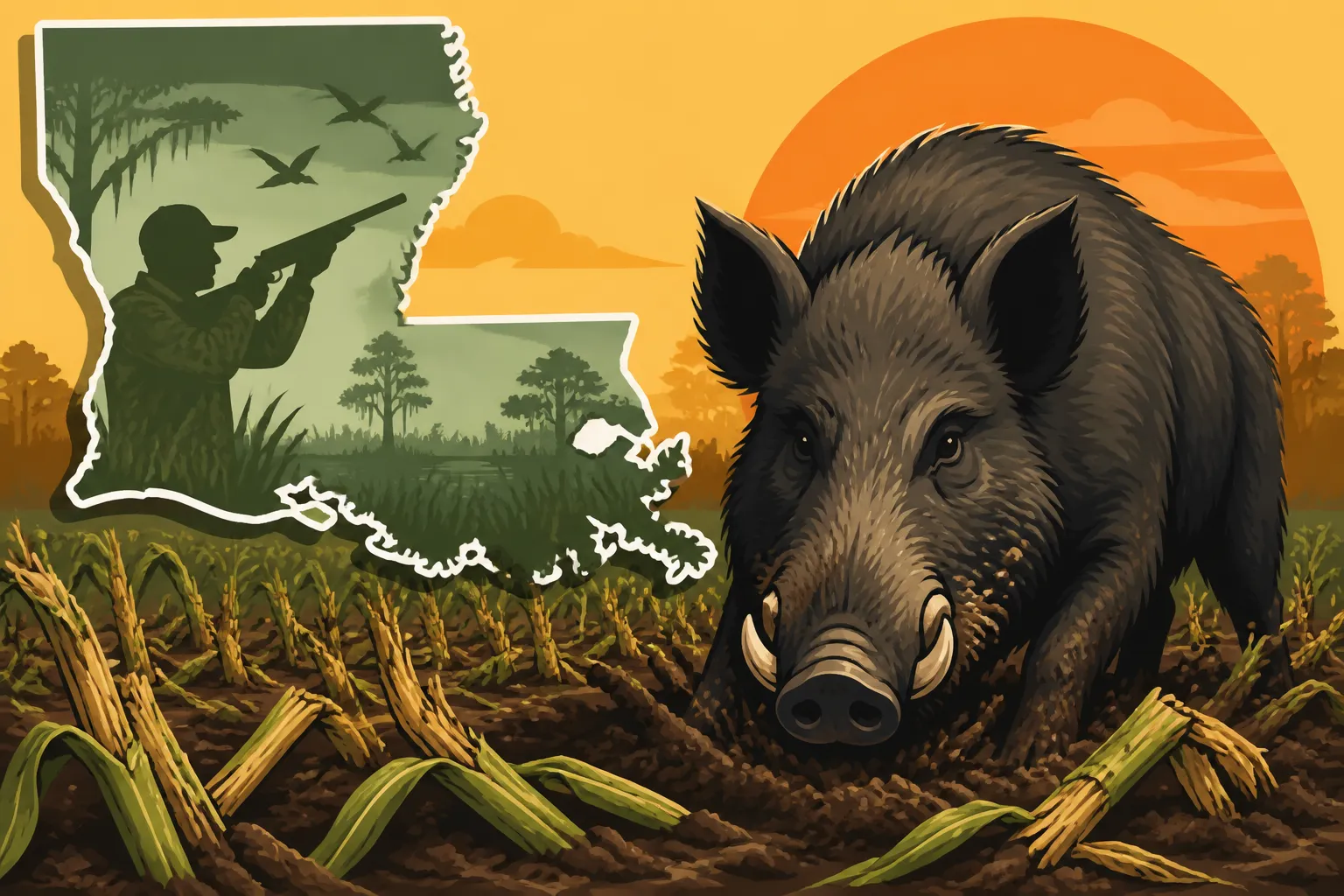
Feral hogs are opportunistic eaters, and a field of maturing corn, soybeans, rice, or sugarcane is essentially an all-you-can-eat buffet. They don't just eat the crops; they also trample vast areas as they move through, creating trails and wallows that make harvesting incredibly difficult, if not impossible. A group of hogs can destroy acres of crops in a single night. This leads to a direct loss of yield, which translates immediately into lost revenue for the farmer. Think about a cornfield ready for harvest; hogs will break stalks, eat the kernels, and leave much of the rest unusable. For rice, they can lie down in the shallow water, killing plants and creating muddy areas that interfere with machinery. Sugarcane fields are particularly vulnerable as hogs relish the sweet stalks, and their rooting can damage the root stock, impacting future yields for years.
Here's a look at common types of damage and their impact:
| Type of Damage | Common Crops Affected | Estimated Impact Description |
|---|---|---|
| Rooting and Digging | Corn, Soybeans, Pasture | Directly consumes planted seeds and young plants, damages roots of mature crops, disrupts soil structure, and reduces overall yield significantly. |
| Trampling and Wallowing | Rice, Sugarcane, Wheat, Hay | Flattens large areas of young and mature plants, creates muddy wallows, makes mechanical harvesting inefficient or impossible, and reduces crop quality. |
| Direct Consumption | Fruits, Vegetables, Nuts | Direct loss of marketable produce, especially vulnerable during ripening stages, leading to immediate revenue loss. |
| Infrastructure Damage | Fences, Irrigation Systems | Destroys perimeter fencing, allowing further crop access; breaks irrigation pipes and equipment, leading to water loss and costly repairs. |
| Soil Erosion | Any Tilled Land | Increased runoff due to disrupted soil, leading to loss of valuable topsoil, nutrient depletion, and long-term decline in soil productivity. |
| Contamination | Any Crop | Fecal contamination can render crops unmarketable or require extensive cleaning, especially for produce consumed directly by humans or livestock. |
Infrastructure Damage and Equipment Wear and Tear
Beyond just eating crops, feral hogs are incredibly destructive to agricultural infrastructure. They rub against and break down fences, creating access points for other wildlife and even more hogs. This means farmers constantly have to spend time and money repairing or replacing fencing. They can also damage irrigation lines, drainage systems, and even farm roads, making it harder to access fields and transport equipment.
The heavy, uneven ground left by their rooting patterns can also cause significant wear and tear on farm machinery during planting and harvesting. Imagine driving a tractor over a field pockmarked with hog wallows and trenches; the strain on axles, tires, and suspension systems can lead to costly repairs and downtime during critical operational windows. This indirect damage often adds up to thousands of dollars over a season.
Livestock and Pasture Impacts
While Louisiana's primary crop damage from hogs focuses on row crops, there's also an impact on livestock operations. Hogs will root up pastures, reducing the available forage for cattle and other grazing animals. This can force ranchers to supplement feed, increasing their costs. More disturbingly, feral hogs can prey on young calves, lambs, or goats, especially during farrowing or lambing seasons, leading to direct livestock losses. Furthermore, they compete directly with native wildlife for food resources, putting stress on local ecosystems.
The Hidden and Long-Term Economic Toll
The financial burden of feral hogs extends far beyond the immediate loss of crops. There are numerous hidden costs and long-term consequences that chip away at a farmer's profitability and the overall health of the agricultural landscape. These less visible impacts are often harder to quantify but are no less significant.
Soil Degradation and Erosion
The incessant rooting behavior of feral hogs isn't just about finding food; it's a massive disturbance to delicate soil ecosystems. Hogs churn up the soil, breaking down its structure and organic matter. This leaves the soil more vulnerable to wind and water erosion, especially in Louisiana's often heavy rainfall. Over time, this degradation can reduce the fertility and productivity of the land, requiring farmers to invest more in soil amendments, fertilizers, and conservation practices. It’s a slow, insidious form of damage that affects future yields and the long-term sustainability of the farm.
Disease Transmission Risks
Feral hogs are notorious carriers of various diseases that can jump to domestic livestock and even humans. Swine brucellosis and pseudorabies are just two examples that can devastate commercial hog operations, requiring expensive testing, culling, and strict biosecurity measures. While direct transmission to cattle or other livestock can be less common, the risk is always present, adding another layer of anxiety and potential cost for farmers. The presence of hogs also attracts other vectors, creating a broader health risk in agricultural areas.
Management and Control Costs
Farmers aren't just passively accepting these losses; they are actively fighting back, but these efforts come at a significant cost in both time and money. Trapping, hunting, and exclusionary fencing are the primary methods of control. Setting up and maintaining hog traps requires considerable investment in materials, labor, and ongoing bait. Night hunting with specialized equipment, while effective, also represents an investment in gear and countless hours spent in the field. Many proactive farmers are using advanced mapping and scouting tools, sometimes integrating platforms like GoHunt, to identify hog travel corridors and high-impact areas on their land. These digital tools help optimize trap placement and hunting efforts.
Even if GoHunt is primarily known for big game hunting, the principles of scouting and mapping apply universally to understanding game movement, including problem animals like feral hogs. Effective hog management isn't just about reacting to damage; it's about predicting it. Tools, even those designed for other hunting contexts like GoHunt, can help landowners visualize terrain, water sources, and cover that feral hogs frequent, aiding in strategic placement of traps or bait sites. This strategic approach, informed by detailed scouting, is key to reducing control costs over time. Understanding the movement patterns of these elusive animals is critical, and leveraging aerial imagery often found on digital scouting platforms like GoHunt can provide an edge, helping farmers pinpoint where Feral Swine Sightings in North Louisiana are most concentrated.
The Ripple Effect: Beyond the Farm Gate
The economic impact of feral hog damage isn't confined to the farmer's property line. It ripples outward, affecting local communities, supply chains, and ultimately, consumers. This broader economic fallout highlights the systemic nature of the problem.
Impact on Local Economies
When farmers experience significant crop losses, their income takes a hit. This reduced income means they have less money to spend at local businesses – fewer supplies bought from the feed store, less fuel purchased at the gas station, and fewer repairs made at the local mechanic. This downward spiral can weaken rural economies that are heavily reliant on agriculture. Agricultural inputs and services, like those needed for managing pests or maintaining equipment, also suffer when farmers are struggling.
Furthermore, the need for specialized hog control services creates a small industry, but this often doesn't offset the broader economic drain. The financial strain on individual farms can even impact property values over time, as land known for severe hog damage may be less attractive to potential buyers or renters.
Increased Food Prices and Supply Chain Strain
While it's difficult to directly attribute a significant increase in consumer food prices solely to Louisiana's feral hog problem, consistent widespread crop destruction across multiple agricultural regions can contribute to reduced supply. If enough producers experience significant yield reductions, it could, theoretically, put upward pressure on prices for certain commodities. More immediately, it adds stress to the agricultural supply chain, as processors and distributors face inconsistencies in the volume and quality of crops available. This unpredictability can lead to inefficiencies and increased operational costs throughout the food system.
Psychological Burden on Farmers
Perhaps the most overlooked cost is the psychological toll on farmers. Agriculture is an inherently risky business, subject to weather, market fluctuations, and disease. Adding the relentless, unpredictable destruction by feral hogs creates an immense source of stress, frustration, and even despair. Farmers pour their lives, savings, and sweat into their crops, only to see them ruined overnight by these animals. This constant battle can lead to burnout, affecting mental health and, in some cases, even leading farmers to consider abandoning certain crops or, tragically, their entire livelihood. It's a weight that goes beyond dollars and cents, deeply impacting the human spirit behind our food supply.
The fight against feral hogs is a critical challenge for Louisiana agriculture, demanding continued innovation, collaboration, and resources to protect our farms, our economy, and the well-being of our farming communities. It's a complex problem that requires more than just hunting, but a holistic approach to managing this pervasive invasive species.
Disclaimer
This article is for general informational purposes only and does not constitute professional advice. Laws, prices and regulations vary by location and change over time. Consult a qualified professional for guidance on your specific situation.