Louisiana Deer Damage Permits for Farmers
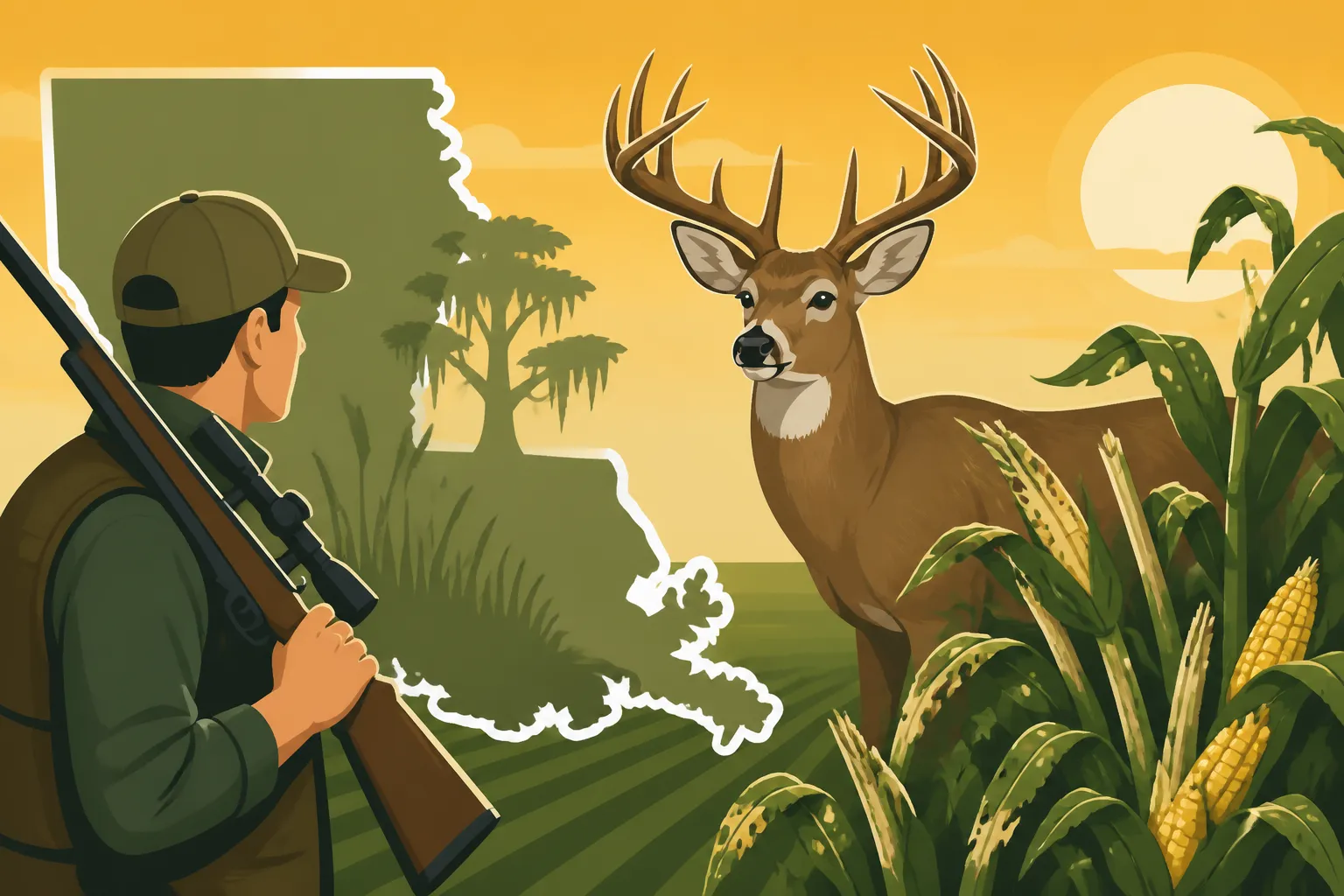
It’s a tale as old as time in rural Louisiana: you’ve poured your heart, sweat, and often your life savings into growing a crop, whether it’s corn, soybeans, sugarcane, or even a thriving pecan orchard. Then, just as things are looking good, you wake up to find your fields trampled and munched down by a herd of hungry white-tailed deer. The frustration is real, and the economic impact can be devastating. That's where Louisiana's Deer Damage Permits come into play, offering a critical tool for farmers to protect their livelihoods from excessive deer populations. This guide will walk you through what these permits are, who qualifies, and how to navigate the application process.
Understanding Louisiana Deer Damage Permits
For many farmers, deer aren't just a part of the natural landscape; they're a significant pest that can decimate crops and pastures. While hunting seasons offer some relief, sometimes the damage occurs outside those windows, or the deer population on a specific tract is simply too high for regular season harvest to make a dent. Deer Damage Permits, issued by the Louisiana Department of Wildlife and Fisheries (LDWF), are designed to provide a legal means for landowners or lessees suffering agricultural losses to remove deer causing the destruction outside of or in addition to regular hunting seasons.
This isn't just about a few deer nibbling at the edge of a field; we're talking about substantial economic hardship. Imagine the long hours spent planting and nurturing, only to see it all undone by deer activity. These permits are a lifeline, acknowledging that wildlife management needs to balance healthy deer populations with the very real concerns of agricultural production. They allow for a more targeted, responsive approach to deer control when traditional hunting methods simply aren't enough to mitigate significant crop loss.
The Impact of Deer on Agricultural Lands
The damage caused by deer can manifest in several ways, and it often hits hard when crops are most vulnerable. Young sprouts are particularly appealing, and deer can wipe out entire rows of emerging corn or soybean plants. As crops mature, deer can consume significant portions, reducing yield and quality. Beyond direct consumption, their hooves can trample plants, compact soil, and create trails that further hinder machinery access and crop health.
Consider a farmer in Concordia Parish, known for its extensive agricultural operations, facing a deer population that has exploded due to abundant food sources and mild winters. A standard hunting season, even with a generous Louisiana Deer Harvest Numbers and Louisiana Deer Tag Add-On Cost, might still leave enough deer to cause continued, unacceptable damage. The financial strain of replanting or absorbing reduced yields can be crippling, especially for smaller family farms. These permits provide a necessary measure of control when all other avenues have been exhausted or are simply insufficient to address the scale of the problem.
The Purpose Behind the Permits
The core purpose of deer damage permits is straightforward: to protect agricultural interests. LDWF recognizes the importance of agriculture to Louisiana's economy and the need to manage wildlife in a way that minimizes conflict with human endeavors. These permits are a testament to a nuanced approach to wildlife management, understanding that while deer are a valuable natural resource, their uncontrolled presence can become a detriment in specific contexts.
It’s important to clarify that these aren't general hunting licenses. They are specific, often highly regulated tools for a very particular problem. They are not intended for sport hunting or for increasing personal venison supply beyond the needs of damage control. Instead, they are a management tool to bring deer numbers down to a level where agricultural damage is reduced to an acceptable minimum, allowing farmers to continue their vital work of feeding our communities without undue hardship.
Who Qualifies for a Louisiana Deer Damage Permit?
Not just anyone can apply for a deer damage permit. These are specifically for landowners or lessees who are actively engaged in agricultural operations and can demonstrate legitimate, significant damage caused by deer to their crops, orchards, or planted food plots intended for livestock. This isn't a loophole for extra hunting; it's a serious process designed for those genuinely suffering losses.
The LDWF will look closely at the type of damage, the extent of the damage, and whether traditional methods have been considered or attempted. They want to ensure that these permits are issued responsibly and only when truly warranted. It's a balance of protecting wildlife and supporting the state's agricultural backbone.
Demonstrating Agricultural Damage
The first and most crucial step in qualifying is proving that deer are indeed causing significant damage. This isn't just a verbal claim. Farmers are often required to provide evidence, which can include photographs, estimates of crop loss, and a detailed description of the deer activity witnessed. LDWF biologists or enforcement agents may conduct site visits to verify the claims and assess the extent of the problem firsthand.
For instance, if you're a farmer in the fertile river bottoms of the Tensas River National Wildlife Refuge Hunting area, you might have extensive soybean fields. Documenting deer trails running through the rows, areas where plants have been eaten down to the nub, or even game camera footage of deer feeding nightly can be vital. The more clear and comprehensive your documentation, the better your chances of demonstrating a legitimate need. The LDWF needs to see a clear pattern of damage that goes beyond what could be mitigated by normal hunting pressure during established seasons.
Landowner and Lessee Requirements
The applicant must be the landowner or a legitimate lessee of the agricultural property experiencing the damage. This ensures that the permits are granted to those directly affected and responsible for the land's management. If you lease land for farming, be prepared to provide documentation of your lease agreement. This prevents misuse and ensures accountability.
It's also important to consider the size and scope of your operation. While there's no strict acreage minimum, the LDWF will assess the scale of the damage relative to your operation. A small garden plot might not qualify for a full-scale damage permit designed for thousands of acres of commercial crops, though local parish agents might offer advice on alternative deterrents for smaller issues. Farmers often use mapping tools like GoHunt to clearly delineate their property boundaries and crop fields, which can be invaluable when discussing damage areas with LDWF. These tools can help visually present the scope of your agricultural enterprise and the areas impacted by deer.
The Application Process for a Louisiana Deer Damage Permit
Applying for a deer damage permit isn't as simple as picking up a hunting license. It's a more involved process that requires communication with the LDWF, documentation, and a clear understanding of the rules. The goal is to ensure that these permits are used responsibly and effectively.
The process typically involves contacting your local LDWF office or wildlife agent. They will guide you through the specific requirements, which can sometimes vary slightly based on the severity of the issue or the local deer population dynamics. Don't be shy about reaching out early if you're experiencing significant damage; proactive communication can help streamline the process.
Initial Contact and Assessment
Your first step should be to contact the LDWF. You can usually find contact information for your regional office or local wildlife agent on the official LDWF website. Explain your situation, providing an overview of the damage you're experiencing and the types of crops affected. The agent will then explain the necessary steps, which usually include filling out an application form.
During this initial assessment phase, the LDWF agent may inquire about your current deer management strategies. Have you leased out hunting rights? Are hunters actively managing deer during the regular Louisiana Deer Hunting Area by Area seasons? This helps them understand the context and determine if a damage permit is the most appropriate solution. Sometimes, simply adjusting hunting pressure during the regular season, perhaps through Hunting the Long Either-Sex Window in Areas 5, 6 and 9, could be enough, but if not, the permit offers a path forward.
Required Documentation and Site Visits
Once you've made initial contact, you'll likely need to submit a formal application along with supporting documentation. This is where your detailed records come into play. As mentioned earlier, photographs of damaged crops, maps of your fields highlighting affected areas, and even estimates from agricultural extension agents on potential yield loss can strengthen your application.
LDWF personnel, usually a wildlife biologist or enforcement agent, will then likely schedule a site visit. This visit is crucial for them to observe the damage firsthand, assess the local deer population, and determine the best course of action. They might look for specific signs of deer activity, evaluate the proximity of deer habitat to your crops, and discuss your farm management practices. This comprehensive evaluation ensures that the permits are issued based on solid evidence and sound ecological principles. Using detailed mapping features on platforms like GoHunt can help you share precise locations of damage with the LDWF agent during their site visit, making the assessment process more efficient.
Rules and Regulations for Hunting Under a Damage Permit
Receiving a deer damage permit isn't a free pass to hunt deer indiscriminately. These permits come with very specific rules and regulations that must be strictly followed. They are designed to address the damage problem while still adhering to principles of responsible wildlife management. Failing to follow these rules can lead to fines, revocation of the permit, and other legal consequences.
It's vital for anyone operating under a damage permit to understand every detail of their specific permit. Each permit may have unique conditions tailored to the particular situation, including specific dates, times, locations, and methods allowed. Always review your permit carefully and ask the LDWF agent for clarification if anything is unclear.
Season, Bag Limits, and Methods
Deer damage permits often specify the timeframe during which deer can be harvested. This might be outside of the regular deer season, or it could allow for additional harvest during the regular season. Crucially, they also dictate specific bag limits. These limits are not arbitrary; they are calculated to reduce the damaging population to a manageable level without over-harvesting.
The methods allowed under a damage permit can also differ from regular hunting season rules. For example, some permits might allow for night hunting, which is typically prohibited during regular deer seasons, especially when coupled with artificial lights. This is done because deer often feed in fields at night, and removing them during those times can be more effective for damage control. However, these specific allowances are always clearly outlined on the permit itself and must be strictly adhered to. You might use a rifle, or in some cases, even a Crossbow Rules During Louisiana Archery Season could be permitted if it's deemed an effective and safe method.
Reporting Requirements
A critical component of any deer damage permit is the reporting requirement. Every deer harvested under the permit must be reported to the LDWF, usually within a specified timeframe. This allows the department to track the effectiveness of the permit, monitor the local deer population, and ensure compliance. This data is also crucial for LDWF to understand Louisiana Deer Population Estimate and make informed management decisions statewide.
Reporting typically involves providing details such as the date and time of harvest, the sex of the deer, and the specific location. Some permits may also require submission of specific biological samples, especially in areas designated as Louisiana's Chronic Wasting Disease Zones. Strict adherence to these reporting guidelines is non-negotiable, as it underpins the integrity and purpose of the entire damage permit program. For streamlined record-keeping and reporting, some farmers find that using digital tools like GoHunt helps them track harvests and comply with LDWF requirements efficiently.
Here’s a quick comparison of some general deer hunting rules versus what you might see under a specific damage permit:
| Feature | General Louisiana Deer Season | Louisiana Deer Damage Permit (Example) |
|---|---|---|
| Season | Fixed opening and closing dates by Area (e.g., When Louisiana's Archery Season Opens) | Specific dates, potentially outside or extending regular season |
| Time of Day | Daylight hours (½ hour before sunrise to ½ hour after sunset) | May allow night hunting with artificial lights (specified) |
| Bag Limit | Varies by Area and method (e.g., 6 deer, no more than 3 antlered) | Specific number of deer, often without antler restrictions, to mitigate damage |
| Methods | Archery, primitive firearms, modern firearms | May allow specific methods for efficiency (e.g., specific calibers, night vision) |
| Reporting | Mandatory Reporting a Deer Through Louisiana's App after harvest | Mandatory reporting as specified on permit, potentially more frequent |
| Purpose | Sport, recreation, population management | Direct mitigation of agricultural damage, not sport |
Carcass Disposition and Handling
The venison from deer harvested under a damage permit is typically required to be utilized, meaning it cannot be wasted. This venison can often be kept by the farmer, donated to individuals, or given to approved charities, but the exact rules for carcass disposition will be spelled out on your permit. You might also be required to take special precautions if you’re in a Louisiana CWD Management Zone Law.
Remember, these permits are a serious tool for serious problems. While they offer a practical solution to agricultural losses, they come with the responsibility of adhering to all regulations. LDWF is there to help, but ultimately, compliance falls on the permit holder. By understanding and following the rules, farmers can effectively protect their crops and contribute to responsible wildlife management in Louisiana.
Disclaimer
The information provided in this guide is for general informational purposes only and does not constitute legal advice. Hunting regulations and permit requirements can change. Always consult the official Louisiana Department of Wildlife and Fisheries (LDWF) regulations and communicate directly with LDWF personnel for the most current and accurate information before taking any action.