How Many Bears Louisiana’s Second Season Took
For any Louisiana hunter, the return of the black bear season has been a landmark event, sparking immense interest and a deep sense of anticipation. After decades of closure, the excitement around finally having a chance to pursue these magnificent animals legally in our home state is palpable. When a new season, especially one as highly anticipated and carefully managed as the bear hunt, comes to an end, the burning question in every hunter's mind is simple: how did it go? Specifically, how many bears did hunters take during Louisiana's second modern black bear season?
This guide will dive into the harvest numbers from Louisiana's 2023 black bear season, which was the second season since its reinstatement. We'll explore the factors that influenced the outcome, the challenges hunters faced, and what these results mean for the future of bear hunting in the Pelican State.
The Reinstatement of Louisiana's Black Bear Season
The journey to bring black bear hunting back to Louisiana has been a long and dedicated effort, rooted in conservation and careful population management. It's not just about pulling a tag; it's about celebrating a conservation success story decades in the making.
A Return After Decades of Absence
For many years, the Louisiana black bear was listed as a federally threatened species. Habitat loss and unregulated hunting in the past significantly depleted their numbers. However, thanks to rigorous conservation efforts by the Louisiana Department of Wildlife and Fisheries (LDWF) and partners, the population has rebounded significantly. These efforts included habitat restoration, public education, and stringent protections, culminating in the delisting of the bear in 2016. This recovery is a testament to what dedicated conservation can achieve, and it paved the way for the discussions around a limited, sustainable hunting season. The idea was to manage a healthy bear population while providing a unique hunting opportunity that hadn't existed for generations. It’s an exciting time to be a hunter in Louisiana, witnessing such a profound return of a native species to a huntable status. To fully appreciate the scope of this achievement, it's worth understanding Louisiana's Recovering Black Bear.
The Inaugural 2022 Season: Setting the Baseline
The 2022 season marked a historic moment: the first legal black bear hunt in Louisiana in over 30 years. It was a cautiously approached season, designed as a lottery hunt with extremely limited tags and strict regulations, primarily focused on the Tensas Basin population. The LDWF issued a very small number of tags – only 10 – to carefully chosen lottery winners. The success of this inaugural season was closely watched, not just by hunters, but by wildlife biologists and conservationists alike. In 2022, hunters successfully harvested two black bears, both large males, which was considered a success within the strict parameters set by the LDWF. This initial harvest provided valuable data and demonstrated that a controlled hunt was indeed possible. It also provided a crucial precedent and set expectations, both realistic and aspirational, for subsequent seasons. The experience gained during this initial hunt, and the mandatory training involved for tag holders, helped shape the approach for the following year. Hunters who participated in the 2022 season provided critical feedback that continues to inform management strategies.
Unpacking the 2023 Bear Season Harvest Results
After the historic 2022 season, all eyes were on the 2023 season, eager to see how the second chapter of Louisiana's modern bear hunt would unfold. The anticipation was certainly high among those who applied for the coveted lottery tags.
The Official Numbers and What They Mean
So, how many bears did Louisiana's second season take? The answer is stark, yet tells an important story: zero. That's right, during the 2023 black bear hunting season, no bears were harvested by the lottery tag holders. While this might sound discouraging at first glance, especially to those who longed for a successful hunt, it’s not necessarily an indicator of failure or a lack of bears. Instead, it underscores the extreme challenges and conservation-first approach embedded in Louisiana's bear management program.
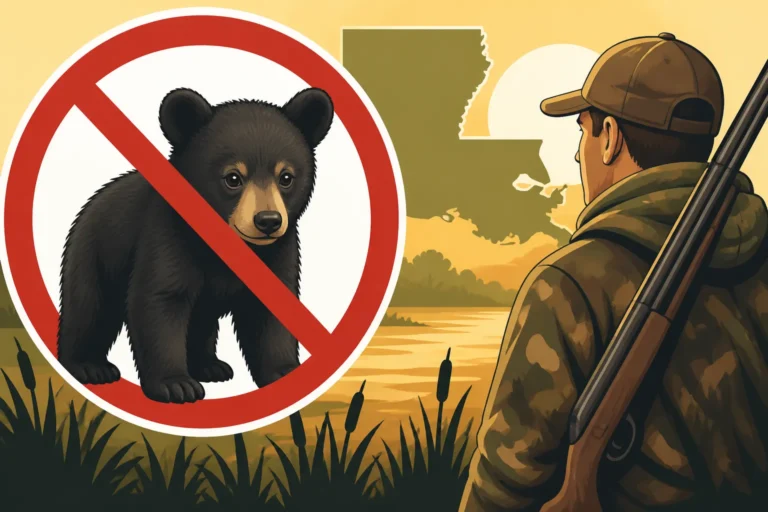
The LDWF again issued a very limited number of tags—just 10 total across the designated hunting zones—to ensure that any harvest was well within sustainable limits. These lottery tags were allocated to hunters through a highly competitive draw, giving only a select few the opportunity. The fact that no bears were harvested during the 2023 season means that either the conditions weren't favorable for hunters to encounter a legal bear, or hunters made the ethical choice to pass on bears that didn't meet the stringent legal requirements (for example, passing on cubs or sows with cubs). It's a testament to the hunters' adherence to the rules and the commitment to conservation. This result also demonstrates just how challenging it is to hunt bears in Louisiana's unique terrain, even with a tag in hand.
Let's look at a quick comparison between the two seasons:
| Season Year | Applications Received | Tags Issued | Total Bears Harvested | Average Bear Weight (lbs) | Notes |
|---|---|---|---|---|---|
| 2022 | High | 10 | 2 | 340 (average for harvested bears) | Inaugural modern season; two adult male bears harvested; strict regulations and mandatory hunter training in place. |
| 2023 | High | 10 | 0 | N/A | Second modern season; no bears harvested despite continued interest; likely due to a combination of factors including challenging conditions, bear behavior, and ethical hunter choices to pass on non-legal animals. |
As you can see, while both seasons had the same number of tags issued, the harvest results varied dramatically. This highlights the dynamic nature of wildlife management and the inherent variability of hunting success, especially with a species as elusive and strictly managed as the black bear.
Navigating the Challenges of a Limited Hunt
Achieving a harvest in Louisiana's bear season is far from a guarantee, and several factors likely contributed to the zero harvest in 2023. First, the extremely limited number of tags—only 10—means the odds are always stacked against success. Each tag represents an opportunity, but it doesn't guarantee a bear will be in the right place at the right time. The hunt areas, primarily within the Tensas and Atchafalaya River Basins, are vast, dense, and can be incredibly difficult to navigate. Bears roam large territories, and locating one that meets the legal harvest criteria (a specific weight and not a sow with cubs) within the allotted hunting days is a monumental task. Hunters must attend Attending the Mandatory Bear Hunter Course to understand these regulations.
Weather conditions also play a significant role. Warm temperatures during the early part of the season can make bears less active during daylight hours, pushing their movements into the cooler parts of the night or into deeper, less accessible cover. High water levels in the basins can also disperse bears, making them harder to pattern. Furthermore, the ethical considerations are paramount. Hunters undergo mandatory training that heavily emphasizes responsible hunting. This means passing on any bear that doesn't clearly meet the legal requirements, such as a sow with cubs or a bear that appears too small. This commitment to ethical harvesting, even at the cost of filling a tag, is a cornerstone of the Louisiana bear program. Knowing Judging a Legal Bear Versus a Cub is crucial for any hunter participating in this lottery hunt. The difficulty isn't just in finding a bear, but finding the right bear.
The Unique Dynamics of Bear Hunting in Louisiana
Hunting black bears in Louisiana is unlike pursuing deer or even hogs in much of the state. It demands a different approach, a deep understanding of the environment, and a commitment to conservation principles.
Understanding Bear Habitat and Movement Patterns
Louisiana's black bears primarily inhabit the dense, bottomland hardwood forests and swampy areas of the state, particularly in the Tensas River Basin and the Atchafalaya Basin. These environments are characterized by thick vegetation, numerous waterways, and often challenging access. Bears in these areas are opportunistic omnivores, with their diet heavily influenced by seasonal food availability. During the fall and early winter, they might be gorging on acorns, wild persimmons, and other mast crops to build up fat reserves for the winter. Understanding these natural food sources is key to predicting their movements. A hunter needs to be intimately familiar with the terrain, often relying on boats or extensive hiking to reach potential bear sign. Using mapping tools like GoHunt can be invaluable for identifying key habitat features, potential travel corridors, and access points in these expansive and often featureless environments. It's about knowing Where Louisiana Black Bears Range Today and how they utilize these unique landscapes. The challenges are amplified because bears are often reclusive, and their large home ranges mean they might not stay in one particular area for long.
The Ethical Hunter's Mindset
The Louisiana black bear season isn't just a hunt; it's a profound conservation experience. Every hunter fortunate enough to draw a tag is an ambassador for the species. This means adhering strictly to the regulations, which include specific minimum weight requirements and a prohibition on harvesting sows with cubs. The mandatory hunter education course covers these ethical guidelines extensively, ensuring participants understand the long-term goals of the program. Hunters are taught not just about bear biology and habits, but also about responsible Shot Placement on a Louisiana Black Bear and the importance of positive identification before taking a shot.
The decision to pass on a bear, even after investing significant time, effort, and expense, is a critical component of ethical bear hunting in Louisiana. The zero harvest in 2023 could very well be a reflection of hunters making these tough, responsible choices. It shows a commitment to the spirit of the hunt, prioritizing the health and growth of the bear population over individual harvest success. This ethical framework is what makes Louisiana's bear program so special and vital for the species' continued recovery.
Looking Ahead: The Future of Louisiana's Bear Season
The black bear program in Louisiana is still in its infancy in the modern hunting era, and each season provides invaluable lessons that will shape its future.
Balancing Conservation with Hunting Opportunity
The Louisiana Department of Wildlife and Fisheries is committed to a science-based approach to managing the state's black bear population. Their primary goal is the continued health and growth of the species, and the hunting season is just one tool in a broader conservation strategy. The limited number of tags, the lottery system, and the stringent harvest criteria are all designed to ensure that the hunt remains sustainable and does not negatively impact the bear population. Each year, biologists analyze data on bear populations, habitat conditions, and hunter success to make informed decisions about future seasons, including tag allocations and hunt zones.
The 2023 season, despite yielding no harvest, still provides important data. It indicates the challenges of hunting in these areas and the dedication of the hunters to ethical practices. It also underscores the need for continued monitoring of bear populations, particularly in areas like The Atchafalaya Basin Bear Population and The Tensas Basin Bear Population, which are critical strongholds for the species. The LDWF is constantly working to strike the right balance between providing a unique hunting opportunity and ensuring the long-term viability of Louisiana's black bears.
Preparing for Your Chance at a Lottery Tag
For those dreaming of a Louisiana bear hunt, the path forward involves persistence and preparation. Given the highly competitive nature of the lottery, applying annually is key. It's not just about luck; it's also about being ready when your number is called. This means staying informed about application deadlines and requirements for Applying for the Louisiana Bear Lottery.
Beyond the application, prospective hunters should focus on physical conditioning, as bear hunting in Louisiana's dense swamps and bottomlands can be incredibly demanding. Familiarize yourself with the primary bear habitats, such as the areas around the Tensas River National Wildlife Refuge or the expansive Atchafalaya Basin. Consider using advanced mapping applications like GoHunt to scout potential areas remotely, identifying public land boundaries, dense cover, and water features that bears might utilize. Even if you don't have a tag yet, understanding the terrain and bear behavior will give you a significant advantage when you do draw one. Continue to educate yourself on bear biology and behavior, and always be prepared to prioritize conservation and ethical hunting practices. The spirit of the Louisiana bear hunt is about more than just a trophy; it's about being part of a remarkable conservation success story.
Disclaimer
Please note: Hunting regulations and season dates can change. Always consult the most current Louisiana Department of Wildlife and Fisheries (LDWF) official regulations before planning any hunting trip.