What Louisiana’s Bear Training Course Covers
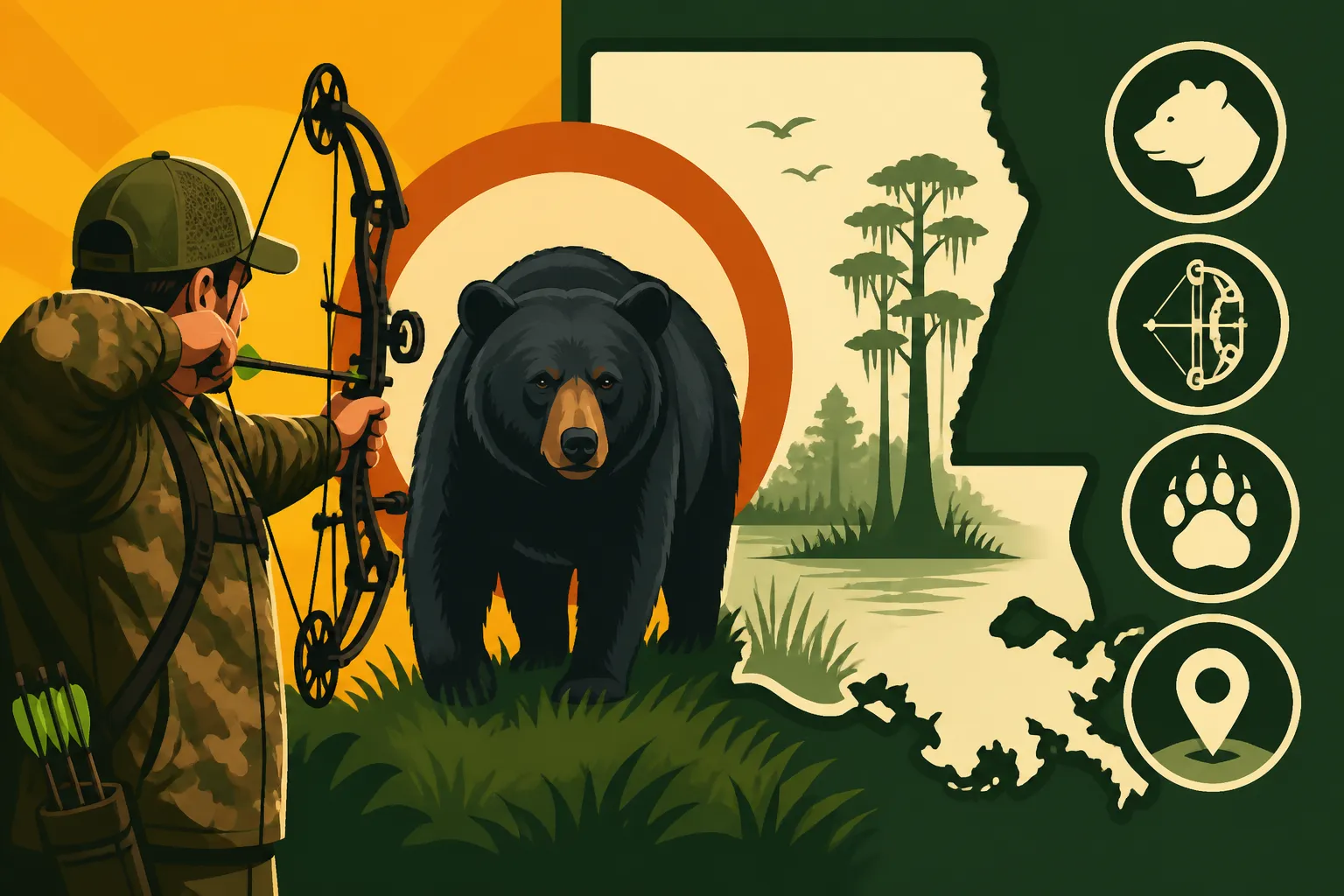
Drawing a Louisiana black bear lottery tag is a huge deal, a true dream for many. Before heading into the swamps or piney woods, though, there's a mandatory hurdle: the Louisiana Department of Wildlife and Fisheries (LDWF) bear hunter education course. While another required class might feel like a pain, this isn't just about ticking a box. It’s a crucial step for ensuring a safe, ethical, and successful hunt for one of our state’s most magnificent and powerful animals.
The Foundation of Responsibility: Why the Bear Course is Mandatory
Let's be honest, in today's world, it often feels like there's a permit, a license, or a course required for just about everything. When it comes to hunting, especially for a big game species like the black bear, these requirements aren't just bureaucratic red tape. They're put in place for very important reasons, chief among them being hunter safety, ethical practices, and the long-term conservation of the species. Louisiana's black bear population is a conservation success story, and we want to keep it that way.
Protecting a Recovering Population
Louisiana's black bear population has a truly remarkable comeback story. For decades, their numbers dwindled significantly, facing habitat loss and unregulated hunting pressure. Thanks to dedicated conservation efforts by the LDWF and private landowners, these incredible animals are once again thriving in certain parts of our state, particularly in areas like the Tensas River Basin and the Atchafalaya Basin. The Louisiana's Reinstated Black Bear Lottery and the subsequent bear season are a testament to this success, but it comes with a tremendous responsibility.
This course serves as a critical component in managing that success. It ensures that every hunter who enters the woods targeting a bear understands the ecological nuances, the challenges, and the vital role they play in sustainable management. Without proper education, there's a higher risk of mistakes that could not only harm individual bears but also jeopardize the entire species' recovery efforts. We're talking about ensuring that future generations also have the opportunity to see and potentially hunt these magnificent animals.
Ensuring Hunter and Public Safety
Hunting black bears isn't like hunting deer. While any hunt demands respect for firearms and the wild, the sheer power and unpredictable nature of a bear elevate the safety stakes considerably. An injured bear, or a bear surprised by a hunter, can be extremely dangerous. The mandatory course is designed to equip hunters with the knowledge to minimize risks, not just for themselves but for anyone else who might be recreating in the woods.
This means understanding bear behavior, knowing how to react in a close encounter, and ensuring you're employing the safest possible hunting techniques. It also covers crucial aspects like firearm handling in challenging terrain and weather conditions, which are often part of a bear hunt in Louisiana's diverse landscapes. The goal is for every hunter to come home safely, and for the bears to be treated with the utmost respect and care.
Promoting Ethical Hunting Practices
Ethical hunting is about more than just following the law; it's about honoring the animal and the tradition of hunting. For black bears, this means making clean, humane shots, knowing how to track and recover an animal quickly, and understanding the specific rules designed to protect cubs and sows. There's a moral imperative to ensure that if we choose to pursue these animals, we do so with skill, respect, and a commitment to causing the least amount of suffering.
The course delves into these ethical considerations, emphasizing the importance of shot placement and what constitutes a legal harvest. For example, hunters must be able to confidently differentiate between a mature bear and a cub, and understand the implications of shooting a sow with cubs. This ethical foundation is just as important as the practical skills taught in the course, shaping responsible hunters who uphold the integrity of the sport.
Dive Deep: What the Curriculum Truly Covers
When you sign up for the Attending the Mandatory Bear Hunter Course, you might expect a quick overview, but trust me, the LDWF has put together a comprehensive program. It's designed to leave no stone unturned, covering everything from bear biology to legal regulations, ensuring you're as prepared as possible for your hunt. This isn't just common sense stuff; it's specific, Louisiana-focused knowledge you need.
Black Bear Biology, Behavior, and Ecology
One of the cornerstones of the course is a deep dive into the natural history of Louisiana's black bears. You'll learn about their unique characteristics, which are distinct from other bear species found across North America. Understanding their diet, denning habits, and seasonal movements is absolutely crucial for a successful and ethical hunt.
You'll spend time learning about how to identify bear sign, what different behaviors might indicate, and critically, how to avoid situations that could lead to an aggressive encounter. A big focus is on the size and weight estimation, and understanding the concept of Judging a Legal Bear Versus a Cub. The regulations are very specific about not harvesting cubs or sows with cubs, and the course teaches you how to make those distinctions in the field, often under less-than-ideal viewing conditions. We want to ensure that only legal animals are taken, safeguarding the next generation of Louisiana bears.
Bear Hunting Techniques and Considerations
The course goes beyond just the "why" and into the "how" of bear hunting. This section is intensely practical, covering methods approved in Louisiana and offering insights into the tactics that yield success. You'll explore various hunting scenarios, from still-hunting in dense bottomland hardwoods to stand hunting near known bear travel corridors.
Expect detailed discussions on tracking, identifying fresh sign, and understanding how bear habits change with food availability and seasonal shifts. Crucially, the course provides extensive training on Shot Placement on a Louisiana Black Bear. Given the bear's anatomy and thick hide, precise shot placement is paramount for a quick, humane kill. This section also covers appropriate calibers and ammunition, ensuring you're using gear that's up to the task. It's not just about hitting the bear; it's about hitting it in the right spot, every single time. Many hunters also find resources like GoHunt helpful for researching optimal gear specific to bear hunting scenarios.
Legal Regulations, Reporting, and Carcass Handling
Navigating the legal landscape of bear hunting in Louisiana is complex, and the course is your primary guide. It covers everything from the initial lottery application process, outlined in detail when Applying for a Louisiana Bear Lottery Tag, to the precise dates and durations of the Louisiana Bear Season Dates. You'll learn the specific bag limits and antler point restrictions (though bears don't have antlers, it's about size and maturity here).
Beyond the hunt itself, the course covers the mandatory reporting requirements for your harvest, which are critical for LDWF's data collection and future management decisions. You'll also get crucial information on Handling a Bear After the Shot, including field dressing, proper cooling, and transportation regulations, especially considering Louisiana's warm climate. This ensures meat quality and compliance with wildlife health protocols, particularly concerning any potential disease management zones, though CWD is primarily a deer issue. The course also reinforces Louisiana Bear Legal Harvest Rules to ensure every hunter fully understands what constitutes a legal animal.
Getting Ready: Preparing for Your Bear Hunter Course
So, you've got your lottery tag, or maybe you're just planning ahead, and the bear course is on your calendar. Don't just show up cold; a little preparation can make a huge difference in how much you get out of the class and how confident you feel heading into the field.
Understanding Course Format and Materials
First things first, find out the format of the course. Is it an in-person class, or is there an online component you need to complete beforehand? The LDWF usually provides a study guide or a set of materials to review. Don't underestimate these resources; they're packed with the exact information that will be covered, and often, what you'll be tested on. Take the time to read through them thoroughly.
Think of it like studying for any other important exam. Highlight key points, make notes, and if there are quizzes or practice questions, definitely take them. Understanding the anatomical diagrams for shot placement, for instance, is far easier if you've studied them beforehand rather than trying to grasp them for the first time during the lecture. Utilizing online resources, perhaps even looking up bear hunting forums or articles on platforms like GoHunt, can supplement your understanding and give you different perspectives on the material.
What to Expect on Test Day
The "test" aspect of any course can feel daunting, but if you've done your homework, there's nothing to fear. The bear hunter education course typically culminates in a written exam designed to confirm your understanding of the regulations, biology, and safety protocols. It's not designed to trick you, but to ensure you've absorbed the critical information needed to be a responsible bear hunter.
Beyond the written portion, some courses might include practical demonstrations or discussions where you're asked to apply what you've learned to hypothetical scenarios. For example, an instructor might show a picture of a bear and ask you to identify if it's a legal animal based on size cues, or discuss how you would approach a specific tracking situation. Engage in these discussions! They are invaluable for solidifying your knowledge and building confidence for actual hunt situations.
Here's a quick look at key topics you'll solidify your understanding on during the course:
| Topic Area | Key Information Covered | Importance for Hunters |
|---|---|---|
| Bear Biology & Behavior | Species identification, diet, habitat preferences, seasonal patterns, signs of presence, aggression cues | Helps locate bears, avoid dangerous encounters, understand Why Cubs Under Seventy-Five Pounds Are Off-Limits |
| Legal Harvest Rules | Minimum size requirements, prohibited animals (sows with cubs), weapon restrictions, tag validation | Ensures compliance, avoids fines, promotes ethical and sustainable hunting |
| Shot Placement | Anatomy of a black bear, vital organ locations, trajectory considerations, ethical killing zones | Maximizes humane kills, minimizes suffering, increases recovery rates |
| Tracking & Recovery | Interpreting blood trails, identifying tracks, techniques for recovering game in challenging terrain, post-shot care | Reduces lost game, respects the animal, ensures meat quality |
| Safety in the Field | Firearm safety, communicating with hunting partners, dealing with encounters, first aid | Protects hunters, partners, and the public; prevents accidents |
| Regulations & Reporting | Season dates, tag requirements, reporting protocols (online/app), carcass transport rules, CWD considerations | Ensures legal compliance, contributes to wildlife management data |
Beyond the Classroom: Applying Your Knowledge in the Field
Taking the bear hunter education course is a vital first step, but the real test comes when you're actually in the Louisiana wilderness. All the theoretical knowledge in the world means nothing if you can't apply it effectively, safely, and ethically when the moment arrives.
Practical Application of Safety Protocols
Remember those discussions in the course about firearm safety, approaching a downed animal, or what to do if you encounter a sow with cubs? This is where that training becomes critical. Always treat your firearm as if it's loaded, keep the muzzle pointed in a safe direction, and be absolutely certain of your target and what's beyond it. Louisiana's dense cover can make target identification challenging, so err on the side of caution.
If you are fortunate enough to harvest a bear, the handling protocols taught in the course are paramount. This includes everything from proper field dressing to quickly cooling the carcass. Louisiana's climate can be brutal on game meat, so understanding how to mitigate spoilage is essential. This also ensures you comply with any requirements for disease sampling or carcass inspection by the LDWF.
Ethical Decision-Making in Real Time
Hunting is full of split-second decisions, and nowhere is this more true than when pursuing a bear. The course equips you with the knowledge, but in the heat of the moment, it's your ethical compass that truly guides you. Can you confidently identify the bear as a legal animal, free of cubs? Is your shot absolutely clear, and are you within your effective range? What if the bear moves before you can get a clean shot?
These are the tough questions that the course primes you to answer responsibly. It instills the understanding that a missed opportunity is always better than an unethical shot or harvesting an illegal animal. Remember that the long-term health of Louisiana's Recovering Black Bear population depends on every hunter making sound, ethical choices. Your actions reflect on all hunters, and upholding the integrity of the hunt is crucial.
Continuous Learning and Adaptability
Even after completing the course and a successful hunt, the learning never truly stops. Wildlife populations, habitats, and even regulations can change over time. Stay informed by regularly checking the LDWF website, reading hunting publications, and connecting with other experienced bear hunters. Resources like GoHunt can be invaluable for staying up-to-date on potential changes to seasons or regulations, and for continuing to learn advanced scouting and hunting techniques.
The Louisiana wilderness is an ever-changing environment, and a truly successful hunter is one who remains adaptable. The skills you learned in the bear hunter education course are the bedrock, but your ongoing commitment to safety, ethics, and continuous learning will make you a truly seasoned and respected bear hunter in the great state of Louisiana.
Disclaimer
The information provided in this guide is for general informational purposes only and does not constitute legal advice. Hunting regulations and requirements can change, and it is the hunter's sole responsibility to consult the most current Louisiana Department of Wildlife and Fisheries (LDWF) regulations and laws before participating in any hunting activity. Always prioritize safety and ethical practices afield.