Louisiana Turkey Area C Closing Date
There’s nothing quite like the heartbreak of realizing you missed the closing day of turkey season by a hair, especially after weeks of early mornings and patient waits in the Louisiana woods. You invest so much time and energy, only to find out you were a day late. That's why understanding the specific season dates, especially for Louisiana's distinct turkey hunting zones, is absolutely crucial. This guide is dedicated to helping you pinpoint the closing date for Louisiana's Turkey Area C, along with providing practical advice for making the most of those final days.
Understanding Louisiana's Turkey Hunting Zones
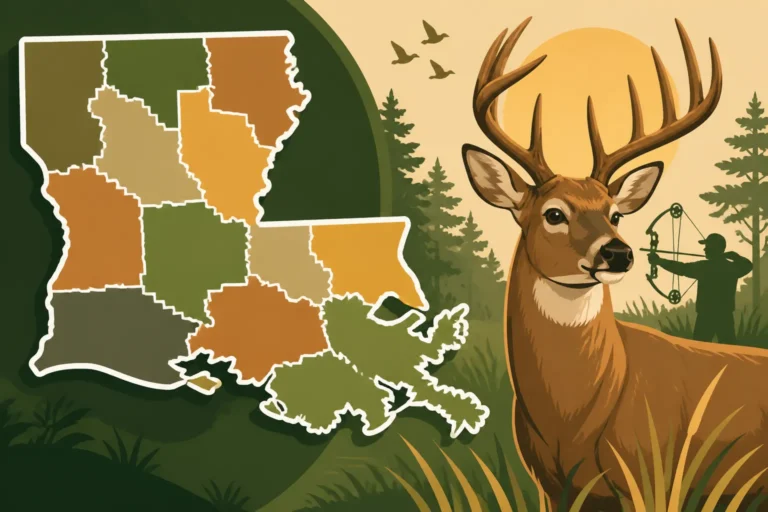
Louisiana, with its diverse habitats, manages its wild turkey population through a system of distinct hunting areas, each with its own specific season dates. These areas, designated as A, B, and C, aren't arbitrary lines on a map; they're carefully drawn by the Louisiana Department of Wildlife and Fisheries (LDWF) based on regional turkey populations, habitat types, and breeding chronology. The goal is to maximize hunting opportunities while ensuring the long-term health and sustainability of the gobbler population across the state.
These zones acknowledge that turkeys in, say, the piney hills of North Louisiana might start their breeding activities at a different time than those deep in the Florida Parishes or the more central parts of the state. This staggered approach helps spread out hunting pressure and allows hunters to potentially extend their season by traveling between zones, though it does require diligent homework to keep track of the differing dates. You can dive deeper into the nuances of these zones by checking out the guide on Louisiana Turkey Area A, B and C Rules.
Pinpointing Area C's Boundaries
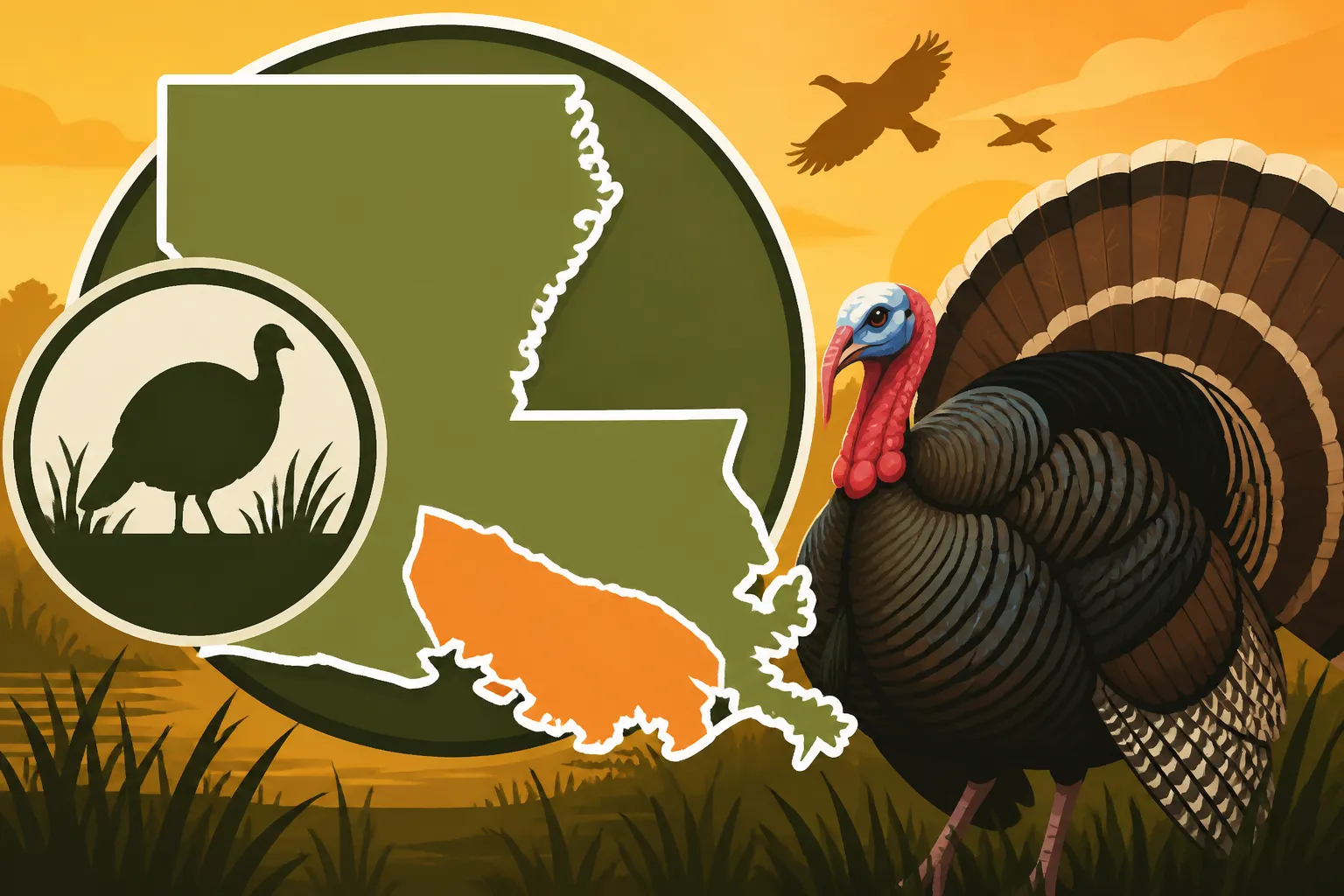
Area C encompasses a significant portion of what many hunters consider Central and Southwest Louisiana, extending towards the coastal prairie regions. Generally, this includes parishes like Allen, Beauregard, Evangeline, Jefferson Davis, and much of Rapides, Vernon, and Allen Parishes. It’s a vast area, covering diverse terrain from timber company lands to agricultural fields, and often borders the more heavily timbered regions to the north and east.
Knowing precisely where these boundaries lie is critical for compliance and successful hunting. Relying on an official LDWF map or a robust hunting app like GoHunt that overlays public and private land boundaries, along with deer and turkey zones, can prevent any accidental missteps. These digital tools can literally save your hunt—and your wallet—by showing you exactly which zone you're standing in at any given moment.
Factors Influencing Season End Dates
The LDWF doesn't just pull these dates out of a hat. There's a lot of science and observation that goes into setting them. Turkey season dates, including the closing date for Area C, are primarily influenced by the birds' reproductive cycle. Biologists track gobbling activity, nesting success, and poult-to-hen ratios to understand the timing of the spring breeding season. The season is generally structured to conclude before the peak of nesting and brooding, allowing hens to lay their clutches and raise their young with minimal disturbance.
Weather patterns, such as early springs or prolonged cold snaps, can subtly shift these timelines, but the LDWF uses long-term data to establish generally consistent dates year after year. The goal is to provide a challenging yet rewarding hunting experience without negatively impacting the turkey population's ability to reproduce. This careful management ensures that future generations of hunters will also have opportunities to chase gobblers across Louisiana's varied landscapes. For more on the statewide regulations, take a look at the comprehensive guide to Louisiana Spring Turkey Season Rules.
Area C's Official Closing Date
For the current and most recent hunting seasons, including 2024, the private land closing date for Louisiana Turkey Area C is April 21st. This is the date you need to etch into your memory if you plan to pursue gobblers on private property within this zone.
However, it's crucial to remember that hunting opportunities on Wildlife Management Areas (WMAs) within Area C can, and often do, have different season structures and closing dates. These WMA seasons are typically shorter and might close earlier, sometimes even with specific youth or physically challenged hunts overlapping. Always, always consult the current LDWF hunting regulations pamphlet or their website for the most up-to-date WMA specific dates. Neglecting to do so could lead to a citation, and nobody wants that. It's a key distinction, and you can learn more about it in Why WMA Turkey Dates Differ From Private Land.
Here's a quick overview of the private land closing dates for all three Louisiana turkey areas:
| Turkey Hunting Area | Private Land Closing Date (Most Recent Season) | General Region |
|---|---|---|
| Area A | April 28th | Northern LA |
| Area B | April 14th | Southeastern LA |
| Area C | April 21st | Central/Southwest LA |
This table provides a snapshot, but always remember to cross-reference with the official LDWF regulations, as dates can occasionally be adjusted.
Strategies for Hunting Late Season in Area C
As the calendar creeps toward late April and the closing date for Area C, the dynamics of turkey hunting shift significantly. Those booming gobblers from opening day might be quieter, and the woods might feel denser. But don't let that discourage you; late season can offer some of the most rewarding hunts for patient and adaptable hunters.
Adapting to Post-Peak Gobbling
Early season gobblers often sound off from the roost with enthusiasm, making them relatively easy to locate. By late April, especially in Area C, gobbling activity tends to taper off. Many hens are now bred and sitting on nests, which means gobblers might not feel the same urgency to announce their presence. They're often "henned up" – spending their days with a few remaining receptive hens, making them notoriously difficult to pull away.
This doesn't mean they stop gobbling entirely, but their vocalizations might be less frequent and less fervent. Instead of expecting a bird to shock gobble at every call, focus on locating them on the roost before sunrise. Stealthy entry and listening intently are paramount. If you're not hearing much, consider less aggressive calling sequences. Sometimes a soft series of hen yelps or clucks is all it takes to pique a gobbler's curiosity, rather than a loud, aggressive cutting that might turn him off. This is where subtle tactics, as discussed in When Louisiana Gobblers Go Quiet in Late April, truly shine.
Focusing on Food and Water Sources
As spring progresses in Area C, the vegetation becomes thicker, offering more cover and new food sources. Turkeys will shift their patterns accordingly. Focus your efforts on areas where food and water are reliably present. Look for fresh green growth in openings, areas with insects, and any remaining mast crops from the previous fall, especially if it was a good acorn year. Field edges, clearings, and the fringes of timber company pine plantations can be hot spots.
Water sources, like small ponds, sloughs, or creek bottoms, also become more important, particularly if it's been a dry spring. Gobblers will frequent these areas, not just for hydration, but often as strutting zones where they hope to intercept hens. Understanding these natural draws is key to patterning birds when they're less vocal. Using mapping tools like GoHunt to identify these features and scout them before your hunt can give you a significant advantage.
Dealing with Increased Pressure
It's a fact of public land hunting: as the season progresses, and especially as other areas close, more hunters might converge on the remaining open zones like Area C. This increased pressure can make gobblers even warier. They've heard it all, seen it all, and become very adept at avoiding hunters.
To counter this, consider adjusting your approach. Instead of hunting the easily accessible spots, be willing to walk further, deeper into less-pressured areas. Sometimes, covering an extra mile can put you on birds that haven't been relentlessly called to. When hunting public land, remember that other hunters might be using similar tactics. Being patient, observant, and respectful of fellow hunters is crucial. Avoiding over-calling is also a good strategy for pressured birds; less can often be more. Being able to adapt on the fly, as outlined in Run-and-Gun Turkey Tactics on Public Land, can be highly effective.
Essential Gear and Tactics for Area C
Success in the late season in Area C often boils down to preparation, patience, and a nuanced approach to calling and setup. You'll want to ensure your gear is optimized for the conditions and your tactics are refined for those wily, late-season birds.
Calls and Decoy Strategies
In the late season, subtle is often better. Instead of aggressive cutting and loud yelps, try soft tree yelps, clucks, and purrs. These softer sounds mimic a hen going about her day, which can often be more enticing to a gobbler who might already be wary of loud, insistent calling. Mouth calls offer the most hands-free versatility, allowing you to make soft sounds without moving. Friction calls like slate or box calls can also be used effectively for subtle vocalizations. You might want to brush up on Grunt Calls in Mature Louisiana Timber or even Rattling Volume in Thick Cover for deer, but for turkeys, it's a completely different approach.
When it comes to decoys, late-season can be a mixed bag. Some hunters swear by them, others find them detrimental to pressured birds. If you use a decoy, consider a single hen, or a submissive jake decoy, rather than an aggressive strutter setup which might deter older, dominant gobblers who have already established their pecking order. Proper Decoy Placement for Pressured Louisiana Birds is key, ensuring the decoy is visible but not over-exposed, and positioned to draw the gobbler into a comfortable shooting range. Remember, less can be more, especially for birds that have seen it all.
Stealth and Scouting
Late-season turkeys in Area C have PhDs in evasion. Their vision is exceptional, and they’ve learned to associate human movement and noise with danger. Therefore, stealth is your best friend. Move slowly, deliberately, and quietly through the woods. Pay attention to your entry and exit routes, minimizing disturbance. Avoid snapping twigs or rustling leaves, especially during critical moments like approaching a gobbler's roost.
Pre-hunt scouting, even if it's just a couple of days before the season closes, can make a huge difference. Look for fresh tracks, droppings, and strut marks. Identify natural travel corridors, potential roosting sites, and feeding areas. A valuable tool like GoHunt can help you mark these observations on a map, building a better picture of turkey movement patterns. Knowing where they prefer to roost, as outlined in Roost Hunting Louisiana Gobblers, can give you a vital head start. The more you know about their habits in your specific hunting area, the better equipped you'll be to intercept them. You can get more details on effective pre-season preparation in Scouting Louisiana Public Land Before Season.
Legalities and Reporting
Even in the final hours of the season, all legal requirements apply. Ensure your Louisiana hunting license is valid and that you have the proper turkey tag add-on. Remember Louisiana's specific Louisiana Turkey Bag Limit Rules. You must also report your harvest, often within 48 hours, through the LDWF app or website. Failure to do so can result in penalties, and it’s a critical part of the state’s wildlife management efforts.
If you're hunting on a WMA, be absolutely certain you understand and abide by any specific WMA regulations, which can include sign-in/sign-out procedures, restricted access areas, or even different daily hunting hours. These details are often found on kiosks at WMA entrances or on the LDWF website. Don't let your excitement to get out there override the responsibility of being a lawful and ethical hunter.
Planning Your Next Season
Once the final gobble echoes through Area C and the season closes on April 21st, it's not truly over for the dedicated turkey hunter. The end of one season is merely the beginning of preparation for the next.
Post-Season Scouting and Learnings
The period immediately following the season can be incredibly insightful for scouting. The landscape is still relatively open, and you can revisit areas where you heard gobblers or saw sign. Look for strut zones, dusting bowls, and potential roosting trees that might have been overlooked during the heat of the hunt. These observations are golden nuggets of information that can inform your strategies for the following spring. Document everything: what worked, what didn't, where you saw birds, and where you expected them but didn't find them. Using a mapping application like GoHunt to log these observations makes them easily retrievable for future planning.
Reflect on your calling techniques. Did certain calls work better than others? Were your setups effective? Every hunt is a learning experience, and taking the time to analyze your successes and failures is crucial for becoming a more skilled turkey hunter.
Exploring Other Louisiana Turkey Opportunities
While Area C closes, remember that Louisiana offers other hunting opportunities throughout the year, or even during different turkey seasons. Always check the regulations for The Louisiana Youth and Physically Challenged Hunt, which provides special access for these groups. If you're passionate about turkey hunting, understanding the broader landscape of seasons and zones can help you plan future adventures or mentor new hunters. Who knows, perhaps a trip to Area A for its longer season might be in your future!
License and Tag Reminders
Don't let the rush of the hunt make you forget the administrative side of things. Keep track of when your annual licenses expire and when new tags become available. Louisiana makes it relatively easy to purchase licenses online through the LDWF website or app. Planning ahead ensures you're ready to go on opening day, no matter which area you decide to hunt next. Staying compliant with all state regulations, including those for Louisiana Resident Hunting License Options, is part of being a responsible sportsman.
Disclaimer
Please note that hunting regulations, including season dates, can change. Always consult the official Louisiana Department of Wildlife and Fisheries (LDWF) hunting regulations for the most current and accurate information before planning any hunting trip. This guide is for informational purposes only and should not be considered a substitute for official state regulations.