Hunting a Clear-Cut Regrowth Edge
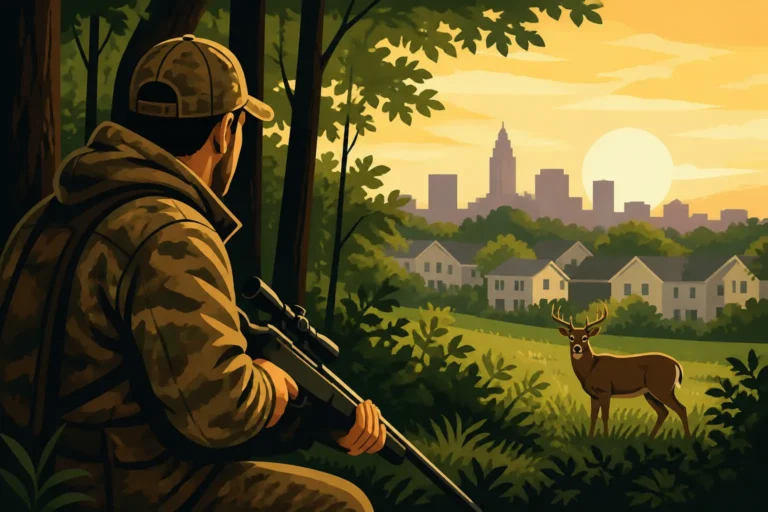
It's a scene many Louisiana hunters know too well: areas that once held deer suddenly become unrecognizable after a timber harvest, leaving you wondering where the deer have gone and how on earth you're supposed to hunt it now. While a fresh clear-cut can seem like a barren wasteland, it rapidly transforms into an absolute magnet for whitetails, offering both challenges and incredible opportunities for hunters willing to adapt. This guide will walk you through understanding, scouting, and effectively hunting these dynamic clear-cut regrowth edges across our diverse Louisiana landscapes.
Understanding the Clear-Cut Regrowth Edge
A clear-cut isn't just a cleared patch of woods; it's a rapidly evolving ecosystem that provides unique advantages for deer. The "edge" is that critical transition zone where the new, dense growth meets the mature, standing timber. This creates a distinct boundary that deer often exploit for food, cover, and travel.
What is a Clear-Cut Edge?
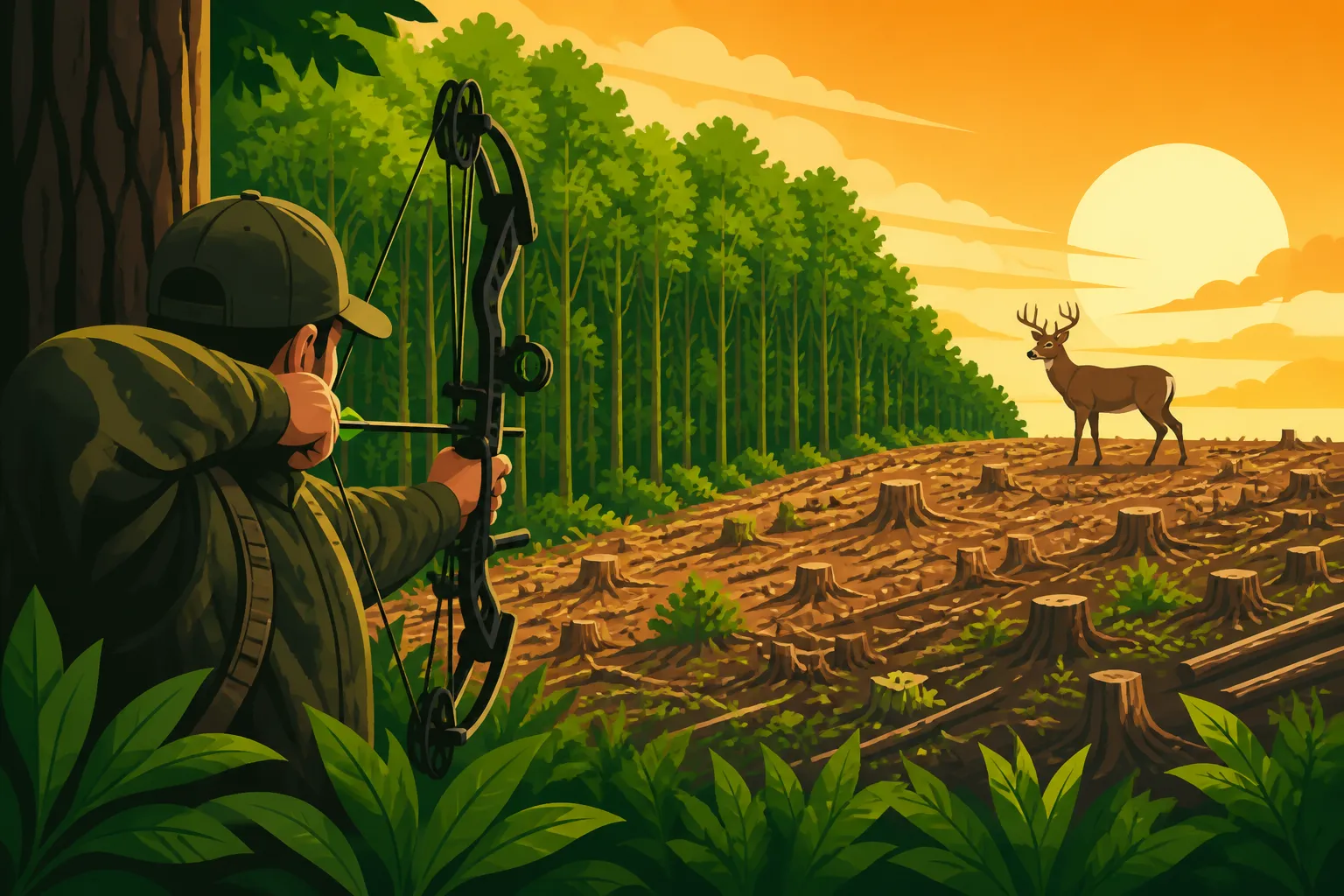
When a tract of timber is clear-cut, all or most of the trees are harvested, leaving behind an open area. Initially, it might look like a messy, stump-filled landscape, but nature quickly reclaims it. Within a few months, you'll see a flush of herbaceous growth – grasses, weeds, and forbs. As the years pass, this gives way to woody shrubs, briars, and young saplings like sweetgum, persimmon, and pine, all vigorously competing for sunlight. The "edge" is precisely where this dense, regenerating habitat abruptly meets the taller, mature timber that was left untouched. This transition can be sharp and distinct or more gradual, depending on the terrain and logging practices. It’s this contrast, the immediate availability of new food and thick cover next to the security of mature woods, that makes these areas so vital for deer.
Why Deer Gravitate Towards Regrowth
Deer are creatures of comfort and convenience, always seeking the best balance of food, cover, and security. A clear-cut regrowth edge offers this perfect trifecta in spades. In the early stages, the ground explodes with highly palatable browse. Think about all those tender young shoots, forbs, and weeds that pop up after the canopy is removed – it's an all-you-can-eat buffet for deer. As the regrowth matures into dense thickets of briars, saplings, and shrubs, it becomes incredible bedding cover. This impenetrable cover offers significant security from predators, including us hunters, and also provides crucial thermal regulation. On a scorching Louisiana afternoon, those dense thickets offer shade and cooler temperatures, while on a crisp winter morning, they can provide a windbreak and hold warmth. The deer can feed heavily in the clear-cut, then easily slip into the thickest parts for bedding or into the mature timber for escape, making the edge a high-traffic intersection.
Scouting and Locating Key Areas on the Edge
Hunting a clear-cut regrowth edge effectively starts long before you ever hoist your stand or set up a blind. Meticulous scouting is paramount, as deer movement in these dynamic areas can be highly concentrated in specific spots along the edge. Don't just look at the entire clear-cut as one big opportunity; zoom in on the micro-terrain and the specific signs the deer are leaving.
Reading the Habitat for Deer Sign
When you're walking the clear-cut edge, you're not just looking for deer; you're looking for their story. Start by identifying browse lines – these are often very distinct in clear-cuts. Deer will nip off the tender tops of young persimmon, sweetgum, and other woody sprouts, creating a noticeable "trimmed" look on vegetation within their reach. Fresh rubs and scrapes, particularly during the pre-rut and rut, are absolutely critical indicators. Bucks will often make these along the immediate edge of the mature timber, announcing their presence to does that are moving in and out of the dense cover.
Pay close attention to deer trails. Are they well-worn paths cutting through the regenerating growth, or are they subtle indentations in the leaves along the timber line? Are they crossing the clear-cut, using it as a direct route, or are they skirting the dense cover, paralleling the edge to access different parts of the forest? Often, you'll find primary trails running just inside the mature timber, with secondary trails branching off into the clear-cut itself. Look for areas where these trails converge or intersect, creating natural funnels. You can use mapping tools like GoHunt to analyze aerial photos before you even step foot in the woods, helping you identify potential pinch points, fingers of timber, or natural draws that might concentrate deer movement. This remote scouting can save you a lot of legwork, especially when you're Scouting Louisiana Public Land Before Season.
Identifying Entry and Exit Points
Deer, just like us, prefer the path of least resistance. Along a clear-cut edge, these easy pathways become natural entry and exit points. Look for depressions in the terrain, dry creek beds, or slight rises that offer an easier crossing through the tangled regrowth. These subtle changes can act as invisible highways for deer, funneling them through specific locations. Fingers of mature timber that extend into the clear-cut, or even isolated clumps of trees left standing, create bottlenecks that deer will almost certainly use. These "funnels" are prime spots for stand placement.
Consider where the clear-cut meets other habitat types, such as a planted green field, a hardwood bottom, or a swampy slough. These transitions often mean increased deer activity, as they move between bedding, feeding, and watering areas. For instance, in an area like the Atchafalaya Basin, a clear-cut adjacent to deeper swamp habitat can become an even stronger attractant, drawing deer from diverse environments. Hunters targeting deer in these areas might find valuable insights in specific tactics for Hunting Atchafalaya Basin Swamp Deer. By identifying these crucial ingress and egress routes, you can position yourself to intercept deer moving into or out of the dense cover.
Effective Hunting Strategies for Louisiana Clear-Cuts
Once you've done your homework scouting and identified those key hot spots along the clear-cut edge, it's time to think about strategy. Hunting these areas requires a bit more thought than simply picking a random tree, especially when dealing with the unpredictable winds and diverse cover found in Louisiana.
Stand Placement and Wind Considerations
The wind is your biggest friend and worst enemy when hunting a clear-cut edge. The dense, regenerating growth can create unpredictable thermals, especially during morning and evening transitions. Hot air rises in the morning, carrying your scent upward, while cool air sinks in the evening, pushing your scent down into low-lying areas. Factor in the prevailing wind direction, and try to position your stand so that your scent blows away from where you expect deer to approach or bed. An ideal setup might have your stand positioned on a slight rise, allowing your scent to rise above the primary deer travel lanes, or on the downwind side of a known travel corridor.
When placing your stand, consider your access and egress routes. Can you get in and out without spooking deer that might already be in the clear-cut? A noisy approach can ruin your hunt before it even begins. You'll want to place your stand overlooking obvious funnels, heavily used trails, or where browse is particularly abundant. Remember, deer are often using the clear-cut for security, so they will be on high alert. You need to be as concealed as possible. For those hunting in specific areas like Kisatchie National Forest, understanding how to apply these principles to varied terrain is crucial, and resources on Treestand Setups in Kisatchie National Forest can offer additional localized advice.
Timing Your Hunt
Timing is everything when hunting a clear-cut regrowth edge, as deer usage can change dramatically throughout the season.
- Early Season (September-October): During the early archery season, the clear-cut is often still lush with herbaceous growth and tender woody browse. Deer will be actively feeding in these areas, especially in the cooler morning and late evening hours. Focus on fresh browse and primary entry/exit trails. Bowhunters, in particular, will want to capitalize on this food source. For a deeper dive, consider the strategies for Bowhunting Louisiana's Long Archery Season.
- The Rut (Mid-October through December, depending on area): The rut is perhaps the most exciting time to hunt a clear-cut edge. Bucks will cruise these edges relentlessly, scent-checking for does that are feeding or staging within the thick cover. Positioning your stand overlooking a well-used trail along the edge, especially one that bottlenecks, can put you in a prime position to intercept a cruising buck. Understanding Hunting the Rut in the Early-Start Areas or Hunting the Rut in the Long-Window Areas can help you pinpoint peak activity.
- Late Season (January-February): As winter sets in, the food sources in the clear-cut might diminish, but the dense regrowth becomes even more critical for bedding and thermal cover. Deer will still use these areas, especially if there are any remaining mast crops in the adjacent mature timber. They might move through the clear-cut edge to access Late-Season Food Sources for Louisiana Whitetails like honeysuckle, green briar, or even planted food plots nearby. Focus on trails leading into the thickest bedding areas or towards these dwindling food sources.
Understanding the specific deer hunting areas in Louisiana and their season structures is also crucial. For example, Areas 5, 6, and 9 have Areas 5, 6 and 9's Long Either-Sex Window, offering extended opportunities to hunt these varied habitats.
Gear and Setup Considerations
Hunting a clear-cut regrowth edge can present unique challenges that influence your gear choices and setup. Visibility can be extremely limited in the dense new growth, and shot opportunities may be fleeting. Being prepared with the right equipment and understanding how to deploy it will significantly increase your odds of success.
Archery, Primitive, and Firearm Tactics
Your weapon choice heavily dictates your approach to a clear-cut edge.
- Archery: When bowhunting, shot distance is paramount. You need to be extremely close, typically within 20-30 yards, for a high-percentage shot. This means your stand placement needs to be surgical, directly over or immediately adjacent to a heavily used trail or feeding lane. Stealth is critical for entry and exit, and you'll often need to rely on deer coming to specific points. The dense cover can be your friend, offering concealment for the deer until they are almost on top of you, but it also demands a quick reaction time when a shot opportunity arises.
- Primitive Firearms: Louisiana's primitive firearms season offers a unique challenge, often requiring single-shot rifles or shotguns. While allowing for slightly longer shots than archery, usually within 100-150 yards, it still emphasizes shot placement and understanding your firearm's capabilities. The dense cover of a clear-cut means you might not get a second shot, so making that first one count is crucial. Choosing the right gear is important, and learning about Choosing Legal Primitive Firearms Gear can ensure you're compliant and effective.
- Modern Firearms: With modern rifles and shotguns, you gain a significant advantage in range and shot capacity. This allows for more flexibility in stand placement; you can set up further back from the immediate edge and cover a wider area. However, even with powerful firearms, the thick nature of clear-cuts can make shot placement difficult. Always identify your target and ensure a clear background, as deer can quickly disappear into the brush. Be prepared for quick shots, as deer might only be visible for a brief window.
Using Ground Blinds and Treestands
Both ground blinds and treestands have their place when hunting clear-cut regrowth edges, each with distinct advantages and disadvantages.
- Ground Blinds: These are excellent choices for clear-cuts, especially in areas where suitable trees for treestands are scarce or where the cover is so thick that an elevated position doesn't offer a significant advantage. A ground blind allows you to blend seamlessly into the dense regrowth, breaking up your outline and masking movement. This can be especially useful if you're hunting with youth or need more room. You can also brush in a pop-up blind to make it even more natural. However, scent control becomes even more critical at ground level, as your scent cone will spread more broadly. Learning to effectively use a ground blind on Using a Ground Blind on Louisiana Public Land can be a game-changer.
- Treestands: Treestands offer a crucial advantage in elevating your scent cone, potentially carrying it over incoming deer. They also provide a wider field of view, allowing you to see deer approaching over the dense regrowth. However, finding a suitable tree on the immediate edge of a clear-cut can be challenging. You might need to set up just inside the mature timber, slightly back from the direct edge. Portability is key, as conditions and deer movement can change, requiring you to move your stand. Ensure your approach and exit from the stand are quiet and concealed to avoid spooking game.
| Strategy / Gear | Best For | Advantages | Disadvantages |
|---|---|---|---|
| Archery from Treestand | Pinpointing specific trails/funnels where deer feed or travel along the edge. | Elevated view, scent dispersion, better shot angles on close deer. | Limited suitable trees, highly sensitive to wind shifts, short shot range. |
| Archery from Ground Blind | Thick, low-lying regrowth areas lacking stand trees; hunting with youth. | Excellent concealment, less movement detected, can be brushed in. | Scent management is critical, very limited visibility beyond the blind. |
| Firearm from Treestand | Covering wider areas along the edge; longer shot opportunities. | Wider field of view, increased range, good for scanning open clear-cut patches. | Limited suitable trees, approach can be noisy, still exposed to deer scanning. |
| Firearm from Ground Blind | Dense clear-cut areas where deer are likely to pop out suddenly; cold weather hunting. | Maximum concealment, stable rest for shooting, protection from elements. | Limited field of view, scent management crucial, deer can appear without warning. |
| Still-Hunting / Stalking | Scouting new areas; actively pursuing deer in very dense, broken terrain. | Highly mobile, allows for adapting to fresh sign, can cover a lot of ground. | Extremely difficult in thick clear-cuts, high chance of spooking deer, requires immense patience and skill. |
No matter your chosen method, remember that clear-cuts often attract a lot of attention. You might be sharing the woods with other hunters, especially on public land. Learning how to navigate Hunting Pressure on Louisiana Public Land and Finding Ground Others Walk Past can help you find less-disturbed pockets where deer feel safer.
Disclaimer
Hunting involves inherent risks, including but not limited to those associated with firearms, archery equipment, treestands, and outdoor conditions. Always prioritize safety, follow all local and state regulations, and obtain proper licenses and permits. This guide provides general information and should not replace professional advice or hunter education. Conditions and regulations can change, so always consult the latest Louisiana Department of Wildlife and Fisheries (LDWF) rules and advisories.