Squirrel Hunting Louisiana Bottomland Hardwoods
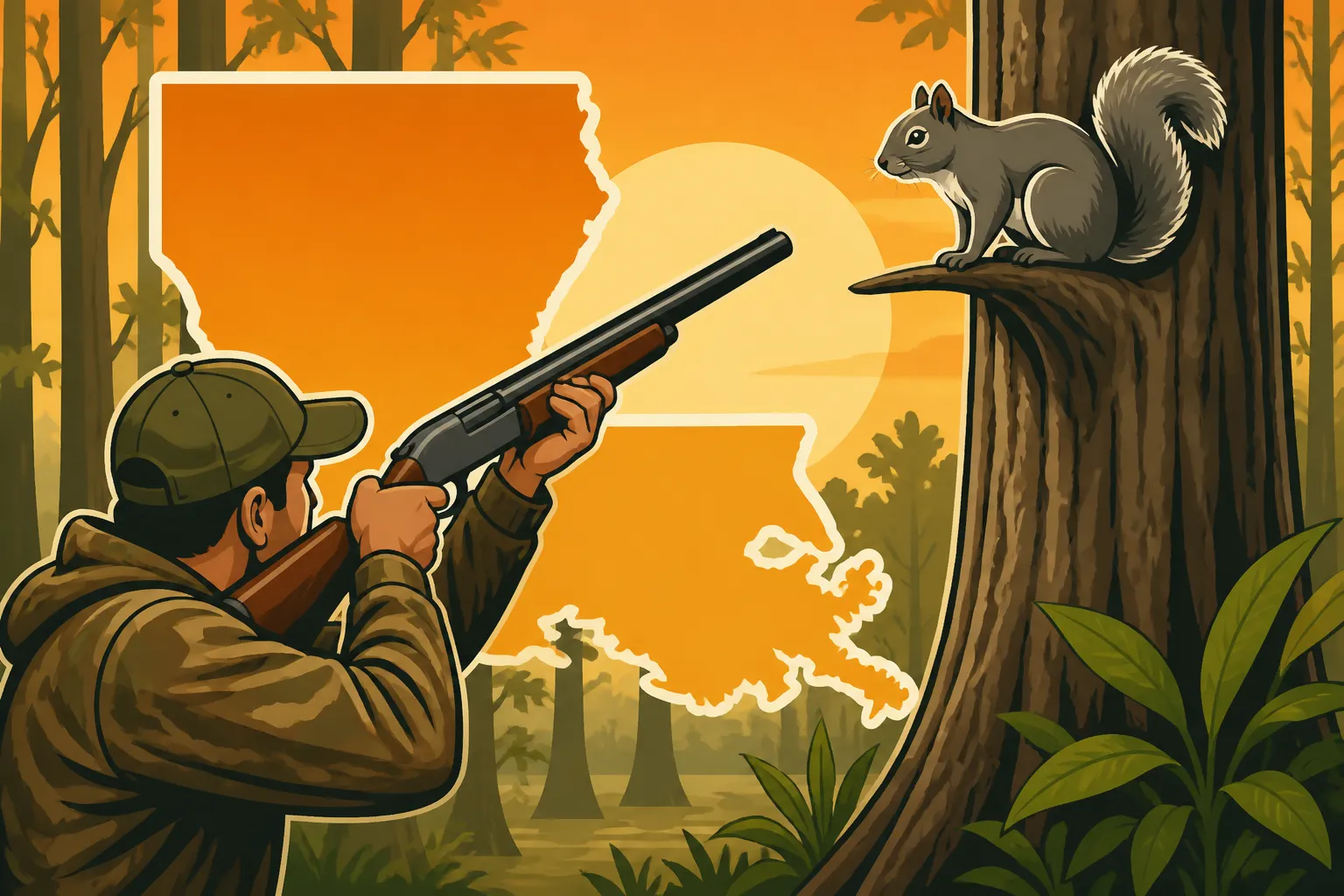
There’s nothing quite like the experience of squirrel hunting in Louisiana, especially when you’re deep in those sprawling bottomland hardwoods. But let's be real, those dense, often swampy environments can be incredibly challenging to navigate, making it tough to even find squirrels, much less get a shot off. This guide is here to walk you through everything you need to know to transform those frustrating hunts into successful outings, sharing insights on the habitat, gear, tactics, and timing that will put more squirrels in your game bag.
Understanding Louisiana Bottomland Hardwoods for Squirrels
The bottomland hardwood forests of Louisiana are a unique and incredibly rich ecosystem, a true paradise for squirrels. These aren't your manicured city parks; we're talking about vast expanses of timber, often interspersed with sloughs, bayous, and seasonally flooded areas. To successfully hunt squirrels here, you first have to understand the environment itself.
Key Tree Species and Their Role
When you step into a Louisiana bottomland hardwood forest, you'll immediately notice the towering canopy. Unlike pine plantations, these areas are dominated by a diverse array of deciduous trees that are critical to squirrel survival. Think about the mighty oaks – water oaks, nuttall oaks, willow oaks, pin oaks – these are absolute squirrel magnets. Their acorns are a primary food source, especially from late summer through winter. A keen hunter knows that finding a good mast crop means finding squirrels. Then you have the pecans and hickories, particularly prominent in areas like the Tensas Basin, which provide those delicious, nutrient-rich nuts. While you might be looking for Squirrel Hunting Louisiana Hickory Groves specifically, remember that these trees often intermingle, offering a buffet for bushy-tails. Beyond the oaks and hickories, you'll also find sweetgum, hackberry, and cypress trees. While these may not offer the same high-value food source as oaks, they provide crucial cover, denning sites, and travel corridors.
Seasonal Food Sources and Squirrel Behavior
Squirrel behavior is intrinsically linked to the availability of food, and in bottomland hardwoods, this changes with the seasons. In the early fall, when Louisiana's Squirrel Season Opening Day arrives, squirrels are typically feasting on green acorns, which are still developing but palatable. They're often seen high in the canopy, clipping nuts and dropping them. As fall progresses and acorns mature and drop, squirrels spend more time on the ground, burying caches for winter. This is a fantastic time to hunt, as their ground activity makes them more visible. During the colder winter months, when natural mast crops might be dwindling, squirrels will often rely on these buried caches or seek out persistent food sources like cypress cones or residual hard mast. Understanding this seasonal shift is paramount. For example, knowing How Early Season Squirrels Give Themselves Away by cutting green acorns can be a game-changer. Their activity patterns also change – they're most active during the cooler parts of the day, especially early morning and late afternoon, feeding furiously to maintain energy.
Navigating the Unique Terrain
Bottomland hardwoods are not for the faint of heart or the unprepared. The terrain can be incredibly challenging, making every step a deliberate effort. You'll encounter dense undergrowth, briar patches, fallen timber, and often, standing water or muddy conditions, even when it hasn't rained recently. This makes navigating quietly a real art. You can't just stroll through; you have to pick your steps, looking for drier ground, old logging roads, or natural ridges that offer slightly easier passage. Without good navigation tools, it's easy to get disoriented in the uniform canopy and thick brush. That's where tools like GoHunt come in handy, allowing you to mark waypoints, track your path, and understand the topography of the land, even if it seems flat. Knowing the lay of the land, even subtle changes in elevation or the direction of sloughs, can dictate squirrel movement and, by extension, your hunting success.
Essential Gear for Hardwood Squirrel Hunting
Success in the bottomland hardwoods hinges not just on skill, but on having the right gear. The environment demands durability, stealth, and practicality. Don't show up with flimsy equipment or inappropriate clothing, or you'll quickly find yourself miserable and unsuccessful.
Firearms and Ammunition Choices
When it comes to squirrel hunting in Louisiana's dense bottomlands, your choice of firearm can significantly impact your experience.
The classic .22 rifle is a perennial favorite for good reason. Its accuracy, low recoil, and quiet report make it ideal for precise headshots, preserving more meat. Rimfire cartridges like the .22 Long Rifle are affordable and effective. For those who prefer a little more challenge, a single-shot .22 can make you a more disciplined shooter. However, in thick cover, getting a clear shot with a rifle can be tricky, especially if squirrels are constantly on the move through dense branches.
Shotguns are another excellent option, particularly if you're hunting in really dense areas where squirrels might be jumping from tree to tree or if you prefer a more forgiving spread. A 20-gauge or .410 shotgun loaded with #6 or #7.5 shot is perfect. The lighter gauges reduce recoil, which is nice for a long day of walking. Some hunters even opt for a 12-gauge with lighter loads, but it's often overkill for squirrels. The key with a shotgun is understanding its effective range in the tight confines of bottomland timber; beyond 30-40 yards, your pattern might spread too thin for a clean kill. A multi-barrel setup, like a .22 over .410 combination gun, offers the best of both worlds, allowing you to adapt to the situation with either a precision rifle shot or a quick shotgun blast.
Clothing and Footwear for Comfort and Stealth
The right attire is paramount for a comfortable and effective hunt in bottomland hardwoods. Stealth is key, so choose camouflage patterns that blend with the deep greens, browns, and grays of the forest. Lightweight, breathable materials are essential for mobility and to manage the Louisiana humidity. You'll be moving, so layers are your friend, allowing you to adjust to temperature changes throughout the day.
But beyond just blending in, you need protection. Long sleeves and pants are a must to protect against briars, mosquitoes, and ticks – these woods are notorious for them. Consider adding gaiters to protect your lower legs from thorns and debris.
Footwear, however, might be the most critical choice. Rubber boots, preferably knee-high or hip waders, are practically non-negotiable. You will encounter mud, standing water, and sloughs. Waterproofing is not a luxury; it's a necessity. Look for boots with good ankle support to prevent twists and turns on uneven ground and a rugged sole for traction on slippery logs and muddy banks. A comfortable, well-fitting pair of Muck Boots or LaCrosse rubber boots will make a world of difference in your endurance and overall experience.
Navigation and Safety Tools
Getting lost in the vastness of a bottomland hardwood forest is a legitimate concern, especially if you're venturing off established trails or logging roads. A reliable GPS device or a smartphone app like GoHunt, loaded with detailed topographic maps and satellite imagery, is essential. Before you head out, download offline maps of your hunting area, as cell service can be spotty or nonexistent deep in the woods. Mark your starting point, known landmarks, and any promising areas you scouted earlier. This tool can also show you property lines if you're hunting near private land boundaries, preventing any accidental trespassing.
Beyond navigation, safety is paramount. Always carry a small first-aid kit for cuts, scrapes, and insect bites. A headlamp or flashlight is crucial, even if you plan to be out before dark, as an unexpected delay or a longer-than-anticipated blood trail can leave you in the dark. A whistle can be invaluable for signaling your location to hunting partners or in an emergency. Finally, always let someone know where you're going and when you expect to return. The dense environment means help might take longer to reach you if something goes wrong.
Proven Hunting Tactics for Bottomland Squirrels
Hunting squirrels in bottomland hardwoods isn't just about walking around and hoping to see something. It requires strategic thinking and an understanding of how squirrels use their habitat. Different tactics work better in various situations, and being adaptable is key.
Still Hunting and Stalking Strategies
Still hunting is arguably the most effective method for harvesting squirrels in bottomland hardwoods, especially for those who prefer to hunt solo or without dogs. This technique involves moving very slowly and deliberately, pausing frequently to observe, listen, and scan the trees. The "stop and go" rhythm is crucial: take a few quiet steps, then stand motionless for several minutes, allowing the forest to settle and squirrels to resume their activity. Often, you'll hear them before you see them – the subtle rustle of leaves, the "bark-bark-bark" alarm call, or the distinct sound of acorns being cut and dropped.
When still hunting, pay close attention to the wind direction. Try to move into the wind or with a crosswind to carry your scent away and muffle your sounds. Use natural cover like large tree trunks, thick brush, or fallen logs to break up your silhouette. Move at a snail's pace, constantly scanning the tree trunks for movement or the tell-tale lump of a squirrel pressed tight against the bark. If you spot one, try to get a clear, ethical shot as quickly and quietly as possible. This method demands patience and acute observational skills, but it's incredibly rewarding when you successfully outwit a wily bottomland squirrel.
| Tactic | Best For | Advantages | Disadvantages |
|---|---|---|---|
| Still Hunting | Covering ground, scouting, solitary hunting | Highly mobile, quiet, allows for adaptation to squirrel movement | Requires extreme patience and stealth, easily spook squirrels if not careful, physically demanding |
| Stand Hunting | High-activity areas, multiple hunters, comfort | Less physical exertion, allows for long periods of observation, good for groups | Limited coverage, relies on squirrels coming to you, less adaptable if squirrels move to another area |
| Dog Hunting | Dense cover, high squirrel numbers, social | Highly effective at locating and flushing squirrels, covers ground quickly | Requires well-trained dogs, can be noisy, might disturb other wildlife, not allowed on all public land |
Stand Hunting and Ambush Points
While still hunting is popular, stand hunting can also be highly effective, especially in areas where you've observed consistent squirrel activity. This method involves finding a strategic location, such as near a cluster of productive mast trees (like a grove of acorn-laden oaks) or along a well-used game trail, and setting up an ambush. A small, portable treestand can give you an elevated vantage point, allowing you to see squirrels moving through the canopy or on the forest floor without being easily detected. A ground blind, especially one brushed in naturally, can also work wonders. Just make sure to consider Using a Ground Blind on Louisiana Public Land and Brushing In a Blind on a Field Edge for maximum effectiveness and concealment.
The key to successful stand hunting for squirrels is patience and remaining absolutely still. Squirrels have excellent eyesight, and the slightest movement can send them scurrying. This method is particularly effective during peak feeding times, like early morning or late afternoon, when squirrels are most likely to visit your chosen ambush point. If you’ve done your scouting, perhaps even using a mapping tool like GoHunt to pinpoint productive groves, a well-placed stand can lead to a productive hunt.
Utilizing Dogs for Squirrels
For many Louisiana hunters, particularly those in the southern parishes, squirrel hunting with dogs is a cherished tradition and an incredibly effective method. A good squirrel dog can turn a challenging bottomland hunt into an exhilarating experience. Breeds like curs, feists, and certain terrier mixes are specifically bred and trained for this purpose.
The dogs' job is to range ahead, locate squirrels by scent or sight, and then "tree" them – meaning they corner the squirrel up a tree and bark persistently to alert the hunter. This saves the hunter immense effort in still hunting, especially in dense cover where squirrels are hard to spot. Once a squirrel is treed, the hunter approaches, often having to circle the tree to get a clear shot at the squirrel, which might be flattened against a limb or hidden in a leaf nest. This can lead to some quick, exciting shooting, which is why a shotgun is often preferred when hunting with dogs. The camaraderie of a dog hunt, often involving multiple hunters and dogs, is a unique aspect of Louisiana's hunting culture. Just be sure to check local regulations, as Hunting With Dogs Where Louisiana Allows It is crucial.
Optimal Times and Conditions for Success
Timing and understanding the prevailing conditions are as vital as your gear and tactics when pursuing squirrels in Louisiana's bottomland hardwoods. The swamp environment has its own rhythm, and learning to read it can make or break your hunt.
Best Times of Day and Season
Squirrels, much like many other game animals, operate on a fairly predictable schedule influenced by light, temperature, and food availability. The absolute best times to hunt them in bottomland hardwoods are typically the first few hours after sunrise and the last few hours before sunset. During these periods, temperatures are usually cooler, and squirrels are most active, scampering up and down trees, foraging for nuts, and generally making themselves more visible. As the sun climbs higher and temperatures rise, especially in Louisiana's often warm climate, squirrels tend to become less active, often retreating to their dens or stretching out on limbs to escape the heat.
Seasonally, the early fall, right after the season opens, is fantastic. The woods are still fairly thick, but squirrels are in a frenzy, cutting green acorns and stashing them for winter. As winter progresses, and the leaves fall, visibility improves dramatically, but squirrels might be a bit more wary and focused on their cached food or less abundant natural sources. Late season can still be productive, especially after a cold front pushes through, getting squirrels moving to feed. Remember that Louisiana Squirrel Season Rules provide precise dates, so always verify before planning your outing.
Weather Considerations and Their Impact
Weather plays a massive role in squirrel activity in the bottomlands. A crisp, cool morning after a cold front is practically a guarantee for active squirrels. The drop in temperature gets them moving, and a good frost can even shake loose more acorns, making for easier foraging. Overcast days, especially those with a light drizzle, can also be productive. The damp leaves quiet your footsteps, aiding in still hunting, and squirrels often remain active, though perhaps a bit lower in the canopy.
However, avoid hunting during heavy rain or strong winds. Heavy rain sends squirrels scurrying for cover, making them almost impossible to spot or hear. Strong winds, on the other hand, make it incredibly difficult to hear squirrels moving, and the swaying branches make it hard to spot them, even if they are active. It also makes for dangerous conditions with falling limbs. High humidity and oppressive heat tend to make squirrels lethargic, so you might want to postpone your hunt for a cooler day. Pay attention to the forecast, and plan your hunt for those ideal cool, calm, or slightly overcast days.
Reading Squirrel Sign and Activity
Before you even see a squirrel, the woods will tell you they're there. Learning to read these subtle signs is a hallmark of an experienced hunter. The most obvious sign is "cuttings" – bits of nut shells or green acorn husks dropped onto the forest floor. The fresher the cuttings, the more recent the activity. Look for them clustered under oaks, hickories, and pecan trees. If you find a pile of fresh cuttings, you know you're in a productive area. Another key sign is den trees. These are usually older, larger trees with obvious holes in the trunk or limbs, indicating a squirrel residence. Sometimes you'll spot leaf nests high in the canopy, which are also used as shelter.
Beyond visual signs, listening is paramount. Squirrels are noisy creatures. The rustle of leaves on the forest floor, the gnawing sound of a nut being opened, or their characteristic "bark" can pinpoint their location. Understanding the distinct calls of Gray Versus Fox Squirrels in Louisiana can also help you identify the species you're pursuing. When scouting public land, consider using a tool like GoHunt to mark areas where you find significant squirrel activity, allowing you to return efficiently during season. Don't forget that other animals also move through these areas, so knowing how to differentiate squirrel sign from, say, a deer moving through the underbrush is a skill developed over time.
Post-Harvest Care and Regulations
After a successful hunt, your work isn't quite done. Proper care of your harvested squirrels ensures you get the best meat, and understanding the regulations keeps you on the right side of the law.
Field Dressing and Storage
Once you've bagged a squirrel, prompt and proper field dressing is crucial, especially in Louisiana's often warm climate. The goal is to cool the meat down as quickly as possible to prevent spoilage. Many hunters simply remove the entrails (gutting) in the field. This is typically done by making a small incision near the chest cavity and carefully pulling out the internal organs. Some hunters also prefer to skin the squirrel in the field, which further aids in cooling. There are various techniques for skinning a squirrel quickly, from a simple cut around the middle to using your boots to pull the hide off. Once field dressed, place the squirrel in a game bag or cooler with ice to keep it cool on the way home. Avoid placing squirrels directly on ice water for extended periods, as this can make the meat mushy; instead, use a drainable cooler or ice packs. At home, you can further clean and process the meat, preparing it for cooking or freezing. Learning Cooking a Wild Turkey Breast might seem different, but the principles of careful meat handling apply to all wild game.
Louisiana Squirrel Season Rules and Limits
Like all game species in Louisiana, squirrels are managed by the Louisiana Department of Wildlife and Fisheries (LDWF) to ensure sustainable populations. It's every hunter's responsibility to know and abide by these regulations. This includes understanding the specific season dates, which can vary slightly by management area, and the daily bag limit. The Louisiana Squirrel Daily Bag Limit is generous, often set at eight squirrels per person per day, allowing for a good harvest. There’s also a possession limit, usually double the daily bag, which dictates how many squirrels you can have in your possession at any given time, including those at home.
You'll also need a valid Louisiana hunting license and a basic hunting license. Non-residents have different license requirements, so always check the LDWF website or their printed regulations pamphlet for the most up-to-date information. Specific WMAs (Wildlife Management Areas) might have additional rules, such as special season dates or restrictions on methods, so if you're hunting public land, always confirm the WMA-specific regulations. You can find more comprehensive details on general small game rules in Louisiana Small Game Season Rules. Adhering to these rules ensures that squirrel populations remain healthy for future generations of hunters to enjoy.
Disclaimer
Please be aware that hunting regulations, season dates, and license requirements can change. Always consult the official Louisiana Department of Wildlife and Fisheries (LDWF) website or the current year's hunting regulations pamphlet before planning any hunting trip to ensure you have the most up-to-date and accurate information. Safety should always be your top priority in the field.