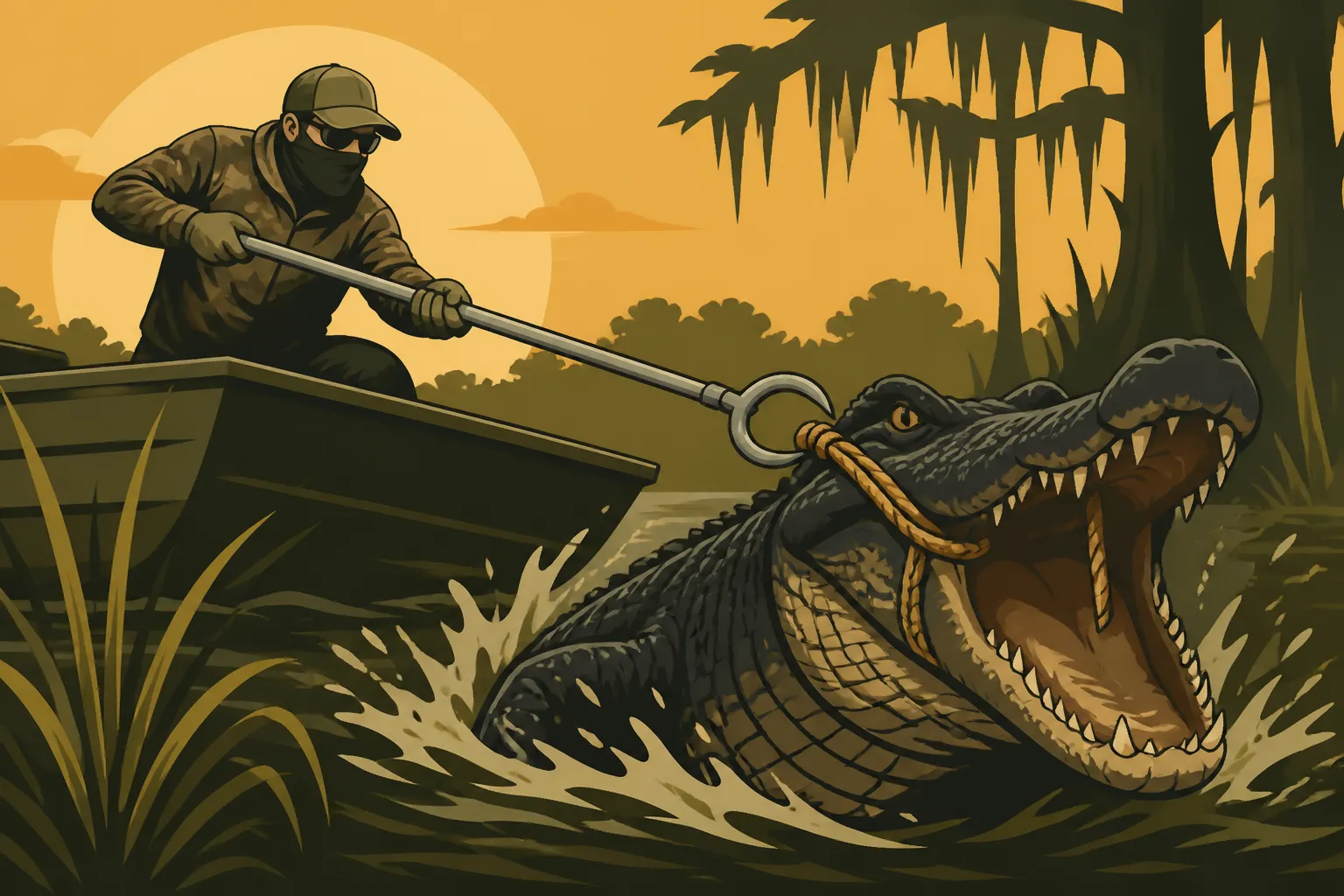
Snatch-Hook Alligator Tactics
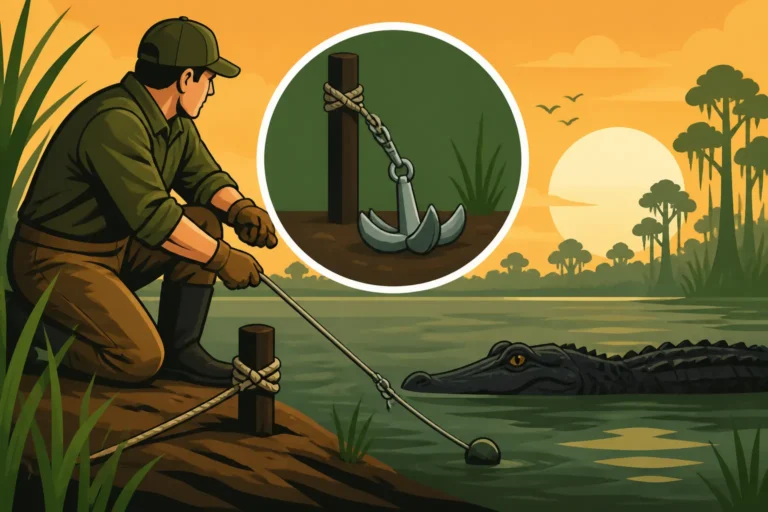
Alright, let's talk about alligator hunting in Louisiana, specifically diving into the often-misunderstood world of snatch-hook tactics. For many, the image of alligator hunting involves baiting lines and waiting, a traditional approach that works well. But what happens when the gators are just not biting the bait, or you're dealing with a particularly stubborn beast that's proving elusive? That's when snatch-hooking can come into play, offering an alternative strategy to harvest those tags. It's a method that requires precision, patience, and a deep understanding of alligator behavior, and this guide is here to walk you through every critical step.
Understanding Snatch-Hook Alligator Tactics
Snatch-hooking an alligator isn't about setting a baited trap and hoping for the best; it's a much more active and direct approach. When an alligator just isn't showing interest in your carefully placed bait, or perhaps you've got a specific gator in mind that's been eluding traditional methods, a snatch hook provides a different avenue. Essentially, it involves snagging the alligator directly with a specialized hook, often from a boat or bank, rather than waiting for it to consume bait. This isn't a technique for the faint of heart, nor is it a substitute for ethical hunting practices. It's a tool in the arsenal for experienced hunters who understand the unique challenges of Louisiana's bayous and marshes.
What Exactly is Snatch-Hooking?
Snatch-hooking, at its core, is the act of casting or deploying a large, unbaited treble hook (or similar multi-pronged hook) with the intent of physically snagging an alligator's hide, typically its back or tail, as opposed to hooking its mouth on bait. This method is often employed when gators are "belly-up" basking in the sun or when they are cruising just below the surface, making themselves visible but not susceptible to baited lines. It demands keen eyesight, excellent casting accuracy, and a strong understanding of how alligators move in the water. You're not trying to lure them in; you're trying to directly connect with them. This is a tactic that truly tests your skill as a hunter, moving beyond passive waiting to an active pursuit.
When you think about the vast expanses of Louisiana's Coastal Marsh, or the intricate network of bayous in the Atchafalaya Basin, traditional set lines can be incredibly effective. However, there are times, perhaps due to water temperature, recent feeding, or just a particular alligator's temperament, when they simply ignore bait. Imagine you've got your tags, you've spent days setting up prime locations, and the gators are everywhere, but they just won't hit. That's a common frustration, and it's precisely where snatch-hooking can offer a solution, allowing you to salvage a hunt that might otherwise go unfulfilled. It’s a method that requires a completely different mindset and set of skills, but it can be incredibly rewarding when executed properly and ethically.
Why Use Snatch Hooks Over Baited Lines?
The primary reason hunters turn to snatch-hooks is when conventional baited lines aren't yielding results. Alligators, like any wild animal, can be finicky. Sometimes, they've been heavily pressured, and they become wary of anything resembling a baited line. Other times, their natural feeding cycle might be off, perhaps due to an abundance of natural food sources, or changes in weather and water conditions. During the Louisiana's New Recreational Alligator Season, you might find yourself in a situation where you have limited time and a specific number of tags to fill, and waiting on a gator to take bait just isn't feasible.
Snatch-hooking provides a way to target specific alligators you've scouted. Maybe there's a particular large male you've seen repeatedly in an area, but it never seems to take a bait. With a snatch-hook, you can attempt to directly engage that specific animal. This method is particularly effective in areas where alligators are plentiful but cautious, or in shallow waters where bait placement might be tricky. It also allows for more immediate action and can be less labor-intensive in terms of preparing and maintaining multiple bait stations, though the actual act of catching a gator this way is far from easy. It's a testament to the versatility required of an alligator hunter to adapt to what the environment and the animals are presenting.
Legal Framework and Equipment for Snatch-Hooking
Before you even think about deploying a snatch hook, it's absolutely crucial to understand the rules. Louisiana has specific regulations governing all aspects of alligator hunting, and snatch-hooking is no exception. Ignoring these can lead to serious penalties, loss of tags, and damage to the sport's reputation. Beyond the legalities, having the right gear isn't just about efficiency; it's about safety, both for you and for the animal. Trying to snatch-hook a powerful alligator with inadequate equipment is a recipe for frustration and potential danger.
Louisiana Regulations for Snatch-Hooking
The Louisiana Department of Wildlife and Fisheries (LDWF) provides clear guidelines for all alligator hunting methods, including snatch-hooking. When you're looking at Louisiana Alligator Legal Methods, you'll see that while baited hook-and-line sets are the most common, direct harvest methods are also permitted under certain circumstances. Crucially, snatch-hooking is typically allowed only after an alligator has been legally hooked on a set line or when it's necessary to capture an alligator for tagging purposes post-hookup. This is a critical distinction that many novice hunters overlook. You generally cannot just go out and randomly cast a snatch hook at any alligator you see without it first being engaged by a legal primary method. The primary intent of snatch-hooking is often to secure an alligator that is already on a legal line but is difficult to control or bring to boat, or to finish the harvest efficiently and safely.
Furthermore, hunters must have their valid Louisiana Resident Alligator License Cost and associated tags in possession. Alligators must meet the legal size requirements, typically a minimum of 48 inches from snout to tip of tail, though this can vary by zone and year. It's not a free-for-all; every alligator harvested, regardless of method, must be immediately tagged with an official LDWF tag. Always consult the latest LDWF regulations pamphlet for the most current and specific rules, as they can change annually. Ignoring these rules isn't just breaking the law; it undermines the conservation efforts that have brought Louisiana's alligator population back so strongly.
Essential Snatch-Hooking Gear
The equipment for snatch-hooking is specialized and needs to be robust enough to handle the immense power of an alligator. Here’s a breakdown of what you'll typically need:
- Snatch Hooks: These are typically large, strong treble hooks, often weighted or attached to a heavy leader to aid in casting and sinking. Some hunters prefer custom-made hooks designed specifically for snagging. The size of the hook will vary depending on the target alligator size, but generally, you're looking for something substantial that can penetrate thick hide.
- Heavy-Duty Rod and Reel: Forget your bass fishing setup. You need a stout, heavy-action saltwater rod, often 7-9 feet in length, paired with a large, strong conventional reel capable of holding hundreds of yards of heavy braided line. Think big game offshore fishing gear.
- Braided Line: A minimum of 80-100 lb test braided line is recommended, with some hunters going even heavier. Braid offers superior strength, sensitivity, and less stretch than monofilament, which is crucial for feeling the snag and setting the hook firmly.
- Strong Leaders: Alligators have incredibly tough hides and powerful jaws. A heavy monofilament or fluorocarbon leader (200-400 lb test) is essential to prevent cut-offs, or even better, a cable or wire leader designed for toothy critters.
- Harpoon/Gaff: Once an alligator is hooked, a harpoon with a detachable dart or a heavy gaff is vital for securing the animal alongside the boat, especially if it's a large one. This provides a secure attachment point for control and ensures safety during the final harvest.
- Processing Tools: Bring a bang stick or a large caliber handgun (.357, .44 magnum, 10mm) for humane dispatch, heavy-duty gloves, and a knife for tagging.
- Navigation and Mapping: Using tools like GoHunt can be incredibly helpful for marking successful snatch-hook locations, identifying potential alligator habitats, and navigating the intricate waterways, especially if you're in a less familiar part of the marsh or basin.
Investing in quality gear isn't just about making the job easier; it's about minimizing the risk of an alligator escaping wounded and ensuring a safe and efficient harvest.
Choosing the Right Locations and Time for Snatch-Hooking
Success in snatch-hooking, much like any form of alligator hunting, hinges significantly on where and when you decide to try. Alligators are creatures of habit, heavily influenced by their environment and the time of year. Knowing their preferences, seasonal movements, and daily routines will dramatically increase your chances of success and make your efforts far more productive than simply cruising aimlessly. This requires a deep understanding of the local ecosystem and the behavior of these ancient reptiles.
Identifying Prime Snatch-Hooking Spots
The best spots for snatch-hooking often overlap with areas where you’d typically find a high concentration of alligators, but with a specific nuance: visibility and accessibility. You need to be able to see the alligator to cast at it, and you need to be able to maneuver your boat or position yourself on the bank effectively. Think about the following types of areas:
- Basking Banks: Alligators are cold-blooded and love to bask in the sun to regulate their body temperature. Look for muddy banks, sandbars, or even floating mats of vegetation that offer easy access to the sun, especially during cooler mornings or after a rain shower. These are ideal scenarios for spotting a visible, often stationary, alligator.
- Shallow Water Edges: Alligators often cruise just below the surface along the edges of bayous, canals, or ponds, especially where there's dense vegetation for cover or access to deeper water nearby. These "transition zones" can be goldmines.
- Deep Holes and Drop-offs: While you might not spot them as easily, alligators will retreat to deeper, cooler water during the hottest parts of the day. If you know of such a spot, a well-placed, deeper cast with a weighted snatch hook might surprise a cruising gator.
- Areas of Known Activity: If you’ve spent time in a particular area, perhaps Hunting Atchafalaya Basin Swamp Deer or Waterfowl Hunting the Louisiana Coastal Marsh, and noticed consistent alligator presence, these are excellent starting points. Alligators are territorial, and a visible gator today is often in the same general vicinity tomorrow. Utilize maps and historical knowledge to your advantage; some hunters even use GPS data from tools like GoHunt to mark areas where they’ve seen significant alligator activity in the past.
Remember, the goal is often to target specific alligators that aren't responding to bait, so areas with good visibility and clear casting lanes are key.
Best Times of Day and Year
Timing is everything when it comes to alligator hunting, and snatch-hooking is no different.
- Time of Year: The recreational alligator season in Louisiana typically runs from late August through September. This period is generally warm, and alligators are active. As the season progresses, cooler temperatures can make gators less active and harder to spot. Early season, when temperatures are consistently warm, tends to offer the best opportunities for visible, active alligators.
- Time of Day:
- Morning (First Light to Mid-Morning): This is often a prime time. Alligators, having cooled overnight, will seek out sunny spots to bask and warm up. They are often less wary and more visible during these hours. The cooler air and rising sun make them predictable.
- Late Afternoon (Late Afternoon to Sunset): Similar to mornings, as the sun begins to set and the air cools, alligators might come out for one last bask before nightfall. However, as light fades, visibility for casting becomes more challenging.
- Mid-day (Hot Hours): During the peak heat of a Louisiana summer day, alligators will often retreat to deeper, cooler water or dense shade. They become much harder to spot and engage. While not impossible, it's generally less productive.
- Night: Snatch-hooking at night is possible with the use of spotlights, which can temporarily stun or mesmerize alligators. This can be effective, but it requires even more skill and extreme caution due to reduced visibility and the dangers of navigating waterways in the dark. Always check current LDWF regulations regarding night hunting and light usage for alligators.
Pay close attention to weather patterns too. A sudden cold front can shut down alligator activity instantly, while consistent warm, sunny days will bring them out. Understanding when Louisiana's New Recreational Alligator Season officially opens for your specific zone is also key to maximizing your time afield.
Setting Up and Deploying Snatch Hooks Effectively
Once you've identified your target area and the optimal time, the real work begins: setting up your gear and deploying the snatch hooks. This isn't just about brute force; it's a delicate balance of stealth, precision, and quick reflexes. A poorly executed cast or a fumbled retrieve can mean the difference between a successful harvest and a missed opportunity, or worse, a dangerous situation with a very powerful animal.
Casting Techniques and Deployment
The technique for casting a snatch hook is similar to heavy-duty surf fishing or casting for large saltwater species, but with an added layer of urgency and precision. You’re not just trying to get distance; you’re trying to accurately place a heavy, unbaited hook near or on an alligator.
- Spotting Your Target: First and foremost, you need to clearly spot the alligator. Look for their distinct eye ridges, nostrils, or the entire back as they bask or cruise. Sometimes you'll only see a disturbance in the water – a tell-tale ripple that indicates a large gator just beneath the surface.
- Stealthy Approach: Alligators are incredibly wary. Approach your target slowly and quietly, often idling your boat or paddling silently. Avoid sudden movements or loud noises that could spook the animal, sending it to the bottom. Maintaining a safe distance is critical; you want to be close enough for an accurate cast but not so close as to endanger yourself or scare the gator.
- The Cast: Cast your heavy rod and reel setup with a powerful overhead or sidearm motion, aiming to land the snatch hook just beyond or to the side of the alligator. You don't want to hit the alligator directly with the hook on the initial cast, as this can spook it. The idea is for the hook to sink slightly and then be retrieved over the alligator's body.
- The Retrieve and Snag: Once the hook is in the water, begin a slow, sweeping retrieve. As you feel the line come into contact with the alligator's body – whether it's the rough hide of its back, a leg, or the thick tail – deliver a powerful, sweeping hookset, much like you would when setting a large treble hook into a fish. You're trying to embed the hook into its tough skin. This is where the heavy braided line and sturdy rod really earn their keep. Sometimes it takes multiple casts and retrieves to get a solid snag.
- Targeting Specific Areas: Hunters often aim for the back or tail of the alligator. These areas provide the largest target and offer a better chance of a solid hookup, especially if you're Landing an Alligator From a Small Boat. The head and neck are smaller, more dangerous targets, and difficult to snag effectively.
Precision and patience are paramount. Don't rush the cast, and don't get frustrated if it takes several tries.
Securing a Hooked Alligator
Once you've successfully snagged an alligator, the real battle begins. These animals are incredibly strong and will put up a tremendous fight. This phase is critical for safety and efficiency.
- Maintaining Tension: Immediately after the hookset, maintain constant, heavy tension on the line. The alligator will likely thrash, roll, and dive. Your goal is to prevent it from getting to heavy cover, tangled in submerged logs, or cutting your line on sharp obstacles. Let the rod and drag do their work, but keep the pressure on.
- Working the Alligator to the Boat: Use your boat to your advantage. If possible, try to pull the alligator into open water, away from snags. If it dives, motor over it to prevent it from resting on the bottom. Slowly but surely, pump the rod and reel in line, working the alligator closer to the boat. This can be a prolonged struggle, especially with larger gators.
- Using a Harpoon or Gaff: As the alligator gets within reach of the boat, this is where your harpoon or heavy gaff comes into play. A well-placed harpoon dart, connected to a buoy or separate line, provides a secondary, secure attachment point. This is crucial for control. It allows you to release tension on your rod and reel line if needed and gives you more leverage. Many hunters will immediately harpoon the alligator once it’s alongside the boat, aiming for the thick hide just behind the head or in the shoulder area.
- Final Control: With the alligator secured by a harpoon or gaff, you can now exert more control. Its mouth may need to be secured with a rope or tape, which is a dangerous but sometimes necessary step, especially with very aggressive animals. This is also where you confirm it meets the legal size, making sure you are Judging a Legal Forty-Eight-Inch Alligator. This entire process, from hookset to final control, requires teamwork if you have a partner, with one person handling the rod and another ready with the harpoon.
| Method | Primary Use Case | Equipment | Skill Level | Key Advantages |
|---|---|---|---|---|
| Baited Lines | Luring and hooking alligators passively | Baited hooks, lines, floats, weights | Moderate | Set and forget, effective for shy gators, targets feeding gators. |
| Snatch Hooks | Directly snagging visible or non-biting alligators | Heavy rod/reel, braided line, large treble hooks, harpoon | High (active) | Targets specific gators, effective when bait fails, immediate action. |
| Hook & Line | Active fishing with bait (e.g., Hook-and-Line Alligator Setups) | Heavy rod/reel, baited hook, heavy line | High (active) | Engaging, direct control, can target specific gators, good for smaller boats. |
Safety Considerations and Best Practices
Alligator hunting, by any method, carries inherent risks. Snatch-hooking, due to its active and direct nature, can be particularly dangerous if proper safety protocols aren't rigorously followed. You're dealing with a powerful, unpredictable predator, often in challenging aquatic environments. Thinking ahead and preparing for worst-case scenarios isn't being paranoid; it's being smart.
Mitigating Risks on the Water
The watery domain of the alligator presents its own unique set of hazards, compounded by the presence of a thrashing, potentially enormous reptile.
- Boat Safety: Ensure your boat is stable, well-maintained, and suitable for the waterways you’re navigating. A small, unstable craft is incredibly risky when battling a large alligator. Always have life jackets readily accessible and wear them, especially if you’re maneuvering quickly or in rough water. Know your boat's limits.
- Teamwork: Hunting alligators, especially with snatch hooks, is not a solo endeavor. Always hunt with at least one partner. A second pair of hands is invaluable for everything from navigating and spotting to harpooning and controlling a hooked gator. Two heads are also better than one when quick decisions are needed under pressure.
- Awareness of Surroundings: Beyond the alligator you're targeting, be constantly aware of other potential hazards: submerged logs, stumps, shallow water, other boats, and even other alligators. Running aground or hitting an obstacle while fighting a gator could turn a difficult situation into a catastrophic one.
- Emergency Gear: Always have a well-stocked first-aid kit, communication devices (fully charged phone, satellite communicator), and extra fuel. The Louisiana wilderness can be remote, and help isn't always around the corner. Inform someone of your hunting plan, including your location and expected return time.
- Weather Monitoring: Louisiana weather can change rapidly. Monitor forecasts closely and be prepared for sudden thunderstorms, high winds, or unexpected cold fronts. These conditions can make alligator hunting far more dangerous and less productive. Tools like GoHunt often include weather overlays that can be beneficial for planning your hunt and staying safe.
Always remember that respect for the animal and the environment is paramount. Don't take unnecessary risks.
Safe Handling and Humane Dispatch
Once an alligator is hooked and brought alongside the boat, the most dangerous phase begins. Controlling a live alligator is no small feat, and humane dispatch is a critical ethical and legal responsibility.
- Secure the Head: A secured alligator is a safer alligator. Once harpooned, if possible and safe to do so, use heavy ropes or duct tape to secure the alligator's jaws shut. Alligators have immense biting power, and their thrashing can be incredibly violent. A thrashing head is a major injury risk. This step is particularly important if you're working with a large alligator that’s still very active.
- Humane Dispatch: Louisiana regulations require the humane dispatch of alligators. The most common and effective methods involve a bang stick (a pole-mounted device that fires a cartridge upon impact) or a large caliber handgun (.357 Magnum, .44 Magnum, 10mm). The shot must be placed precisely in the brain, which is a relatively small target located just behind the eyes on the top of the head. A misplaced shot can prolong the animal's suffering and endanger hunters. Practice with your chosen dispatch weapon and know its capabilities and limitations.
- Tagging Immediately: As soon as the alligator is dispatched, it must be legally tagged. This usually involves attaching one of your official LDWF alligator tags to the carcass, typically through the hide of the tail or neck, as per regulations. Failure to tag immediately can result in severe penalties. This is a non-negotiable step in Louisiana Alligator Zone Allocations and general regulations.
- Careful Handling Post-Harvest: Even after dispatch, an alligator's muscles can continue to twitch for some time. Always treat it with respect and caution. When moving the carcass, be mindful of its weight and awkward size. Larger alligators can be incredibly heavy and difficult to maneuver, especially when trying to drag a deer out of a swamp or load them into a boat. Take your time, use appropriate lifting techniques, and don't hesitate to ask your hunting partners for help. This is where you might need to recover an alligator from a basin slough or handle it in other challenging environments, making proper preparation crucial.
Retrieving Your Alligator and Post-Harvest Steps
You've successfully snatched-hooked, battled, and dispatched your alligator – congratulations! But the hunt isn't truly over until the animal is out of the water, properly processed, and reported. This final phase ensures you comply with all legal requirements and get the most out of your hard-earned harvest.
Hauling and Transporting the Carcass
Getting a large alligator out of the water and to your vehicle or processing station can be a significant challenge, especially in the thick Louisiana terrain.
- Secure the Carcass in the Boat: Once dispatched and tagged, the alligator needs to be carefully loaded into your boat. For smaller to medium-sized gators, this might involve simply pulling it over the gunwale. For really big ones, you might need a ramp, or even to partially fill the boat with water, float the gator in, and then pump the water out. Always distribute the weight evenly to maintain boat stability, particularly when you're Landing an Alligator From a Small Boat.
- Consider the Weight: Remember that alligators are incredibly heavy. A 10-foot alligator can weigh 300-500 pounds, and a 12-footer can easily exceed 600 pounds. Plan your exit route from the water carefully. If you have a long drag through mud or thick vegetation, consider using a cart or even a small ATV, if permitted, to assist.
- Keeping it Cool: Louisiana's heat and humidity can spoil meat quickly. If you have a long journey back, consider covering the alligator with wet burlap sacks or tarps to keep it out of direct sun, and if possible, having coolers with ice ready for the meat you'll harvest. While a whole alligator carcass is hard to ice, keeping it as cool as possible is always a good practice. This is particularly important for areas like Alligator Hunting Louisiana's Coastal Marsh where temperatures can be high.
- Proper Transport: Ensure the alligator is transported legally. It should be tagged, and depending on where you're going, you might need to cover it to prevent public alarm. Always check specific LDWF rules regarding the transport of harvested game.
Processing and Reporting Your Harvest
The final steps involve processing the alligator for its valuable meat and hide, and officially reporting your harvest to the LDWF.
- Skinning and Butchering: This is a skilled job. If you’re not experienced, consider taking your alligator to a professional processor. They can efficiently remove the hide and meat, maximizing your yield. If you choose to do it yourself, you'll need sharp knives, a clean workspace, and an understanding of alligator anatomy. The prime meat cuts include the tail, jowls, and tenderloins. The hide is also a valuable resource and needs to be properly salted and rolled if you plan to send it to a tannery.
- Meat Care: Alligator meat is delicious but can spoil quickly if not handled properly. After butchering, trim any fat, wash the meat, and immediately package it for freezing or cooking. Vacuum sealing is ideal for long-term storage.
- Mandatory Reporting: Louisiana mandates that all alligator harvests be reported. This typically involves reporting online via the LDWF website or app, providing details about the alligator (length, sex) and the tag number used. This data is vital for LDWF biologists to manage the alligator population and ensure sustainable hunting seasons. This process is similar to Checking a Louisiana Deer Harvest Online and ensures accurate conservation data. Make sure to complete this step within the specified timeframe.
- Utilizing Alligator Parts: Beyond the meat and hide, many hunters utilize other parts of the alligator. The fat can be rendered for oil, and the skull can be cleaned for a unique trophy. Make sure to abide by any regulations regarding the sale or trade of alligator parts. This complete utilization honors the animal and is part of responsible hunting.
Snatch-hooking is a demanding but rewarding way to hunt alligators in Louisiana. It requires dedication, skill, and a deep respect for the animal and the laws that protect it. With the right preparation and approach, it can lead to some of the most memorable hunting experiences the Pelican State has to offer.
Disclaimer
The information provided in this guide is for general informational purposes only and does not constitute legal advice. Hunting regulations in Louisiana are subject to change. It is the sole responsibility of the hunter to review and comply with all current laws, rules, and regulations set forth by the Louisiana Department of Wildlife and Fisheries (LDWF) before engaging in any hunting activities. Always prioritize safety and ethical hunting practices.