Louisiana Outfitters in the Florida Parishes
Finding a reputable hunting outfitter in Louisiana's Florida Parishes can feel like navigating a maze, especially if you're not intimately familiar with the region's unique blend of private land and diverse habitats. Many hunters struggle to pinpoint legitimate operations that offer consistent success and a truly authentic experience. This guide aims to cut through the confusion, offering a deep dive into what outfitters provide in the Florida Parishes and how to choose the right one for your next hunting adventure.
Understanding the Florida Parishes Hunting Landscape
The Florida Parishes region of Louisiana presents a distinct hunting environment, quite different from the vast swamps of the Atchafalaya Basin or the pine plantations of North Louisiana. Hunters often find themselves enchanted by its rolling hills and mixed forests, but sometimes perplexed by its access challenges.
What Makes the Florida Parishes Unique for Hunting?
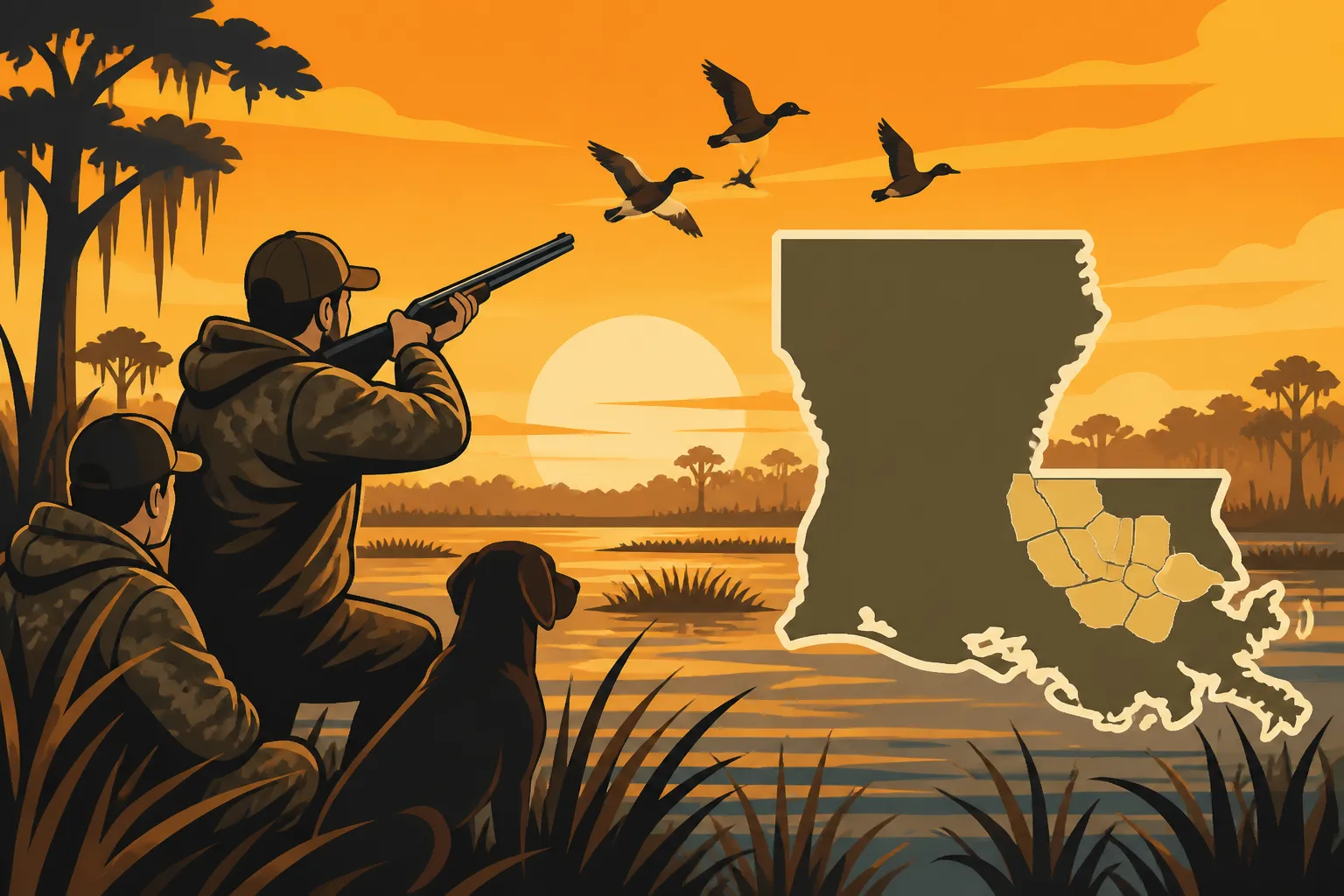
The Florida Parishes, including areas like East Feliciana, West Feliciana, Tangipahoa, and Washington Parishes, are characterized by their diverse topography and vegetation. You'll find a mix of piney woods, particularly in the eastern parts, interspersed with beautiful hardwood bottomlands along creeks and rivers. This varied habitat, combined with rich agricultural lands, creates ideal conditions for robust populations of white-tailed deer, wild turkeys, and an abundance of feral hogs. The fertile soils contribute to excellent forage, often leading to bigger, healthier deer and strong turkey numbers. This region is particularly renowned for growing Why the Florida Parishes Grow Big Bucks, often attributed to nutrition and management practices on private lands.
Unlike some other parts of the state with extensive public lands, the Florida Parishes are overwhelmingly dominated by private property. This means that access is often the biggest hurdle for hunters, especially those visiting from out of state or other areas of Louisiana without existing connections. Local landowners, hunting clubs, and outfitters often control access to the most productive areas, making their relationships and leases invaluable. The rolling terrain also offers different hunting tactics compared to the flat, often flooded, landscapes found elsewhere in the state. You might find yourself still-hunting ridges, setting up on field edges, or working creek bottoms – a stark contrast to wading through cypress knees.
Common Challenges for Out-of-Area Hunters
For hunters not from around here, trying to sort out where to go and who to trust in the Florida Parishes can be a real headache. One of the primary frustrations is simply gaining access to quality land. With so much private property, knocking on doors can be a time-consuming and often fruitless endeavor, especially if you don't know the local etiquette or already have established relationships. Many of the prime hunting grounds are tied up in long-term leases by private clubs or individuals. This makes finding a good spot on your own incredibly difficult, leading many to feel excluded from some of the best hunting the state has to offer.
Furthermore, the sheer number of informal guides or "friends of a friend" can make vetting a legitimate outfitter a confusing process. You want to ensure you're booking with someone who is experienced, professional, and operates legally, not just someone with access to a deer stand on a small parcel. Understanding the specific regulations for the various Louisiana's Ten Deer Hunting Areas Explained that cut through the Florida Parishes, or the nuances of Louisiana Spring Turkey Season Rules, can also be a learning curve. Hunters coming from different states might also be unfamiliar with Louisiana's unique climate challenges, like intense humidity or sudden thunderstorms, which require specific gear and strategies.
How Outfitters Connect Hunters with Florida Parishes Opportunities
This is where a quality outfitter truly shines. They bridge the gap between eager hunters and the prime, often exclusive, hunting opportunities within the Florida Parishes.
The Value Proposition of a Local Guide
A local guide or outfitter in the Florida Parishes offers several undeniable advantages, especially for those without established connections. Firstly, and perhaps most importantly, they provide access. These outfitters have typically spent years, if not decades, building relationships with landowners and securing leases on prime hunting tracts. This means you're not just getting a guide; you're gaining entry to well-managed properties that might otherwise be completely inaccessible. Their leases often span thousands of acres, giving them a broad range of habitat and ensuring they can move hunters to different areas based on game movement and pressure.
Secondly, you benefit from their deep local knowledge. A good Florida Parishes outfitter lives and breathes this land. They understand the specific food sources that deer are keying on, where turkeys are roosting, and the travel corridors hogs prefer. They know how the wind and thermals affect game movement in the rolling terrain, and they've likely scouted these properties extensively, setting trail cameras and observing patterns. This expertise dramatically increases your chances of success and turns what might be a frustrating public land endeavor into a focused, productive hunt. Lastly, an outfitter handles the logistics, from pre-scouted stand placements to field dressing assistance, allowing you to focus purely on the hunt itself.
Types of Guided Hunts Available
Outfitters in the Florida Parishes typically offer a range of guided hunting experiences, catering to different species and preferences.
- White-Tailed Deer Hunts: These are perhaps the most popular offerings. Deer hunts can range from trophy-focused endeavors, often utilizing comfortable box blinds overlooking food plots or power line cuts, to more active still-hunting or spot-and-stalk opportunities in the timber. Guides will position you based on current deer patterns, wind direction, and your desired hunting style. Many hunts are strategically timed around the peak of the rut in this area, which often falls into the long either-sex window of specific deer areas, offering exciting chances at mature bucks.
- Wild Turkey Hunts: Spring turkey hunting here can be exhilarating. Outfitters often have multiple roost sites scouted and will employ various tactics, from early morning roost hunts, calling gobblers off the limb, to more aggressive run-and-gun strategies across varied terrain. The mixed pine and hardwood forests provide excellent turkey habitat, and a skilled guide can help you navigate the nuances of calling pressured birds. Spring Turkey Hunting in Louisiana offers a unique challenge that many hunters adore.
- Feral Hog Hunts: Given Louisiana's year-round hog population, these hunts are a popular choice, often available outside of traditional deer and turkey seasons, or as an add-on. Outfitters utilize methods such as stand hunting over bait, thermal imaging for night hunting on private land, or even dog drives in suitable terrain. These hunts are action-packed and serve a vital role in wildlife management by helping control the burgeoning hog population, which is especially prevalent across Feral Hogs Across Louisiana.
- Combo Hunts: Some outfitters might offer combo packages, particularly in the fall, allowing hunters to pursue both deer and hogs, or even small game like squirrels and rabbits if conditions and regulations permit.
Choosing the right type of hunt depends on your target species, the time of year, and your preferred hunting style. Always discuss the specific methods and expectations with your potential outfitter before booking.
Finding and Vetting Florida Parishes Outfitters
With the investment of time and money that goes into a guided hunt, finding the right outfitter is paramount. This isn't a decision to be rushed.
Online Resources and Platforms
In today's digital age, your search for a reputable Florida Parishes outfitter will likely begin online. General hunting booking platforms can be a great starting point. Websites like BookYourHunt allow you to filter by species, location, and even specific services, giving you a broad overview of available options. You can often find detailed descriptions, photos, and reviews from previous clients, which are invaluable for comparing different outfitters. While direct bookings might be a few clicks away, use these platforms as a research tool to gather names and initial impressions. Don't limit yourself to just booking sites; many outfitters have their own professional websites or active social media presences.
Beyond booking platforms, consider using online mapping and scouting tools to get a lay of the land, even if you're not self-guiding. Services like GoHunt provide detailed topographical maps, satellite imagery, and even land ownership overlays that can give you a better understanding of the type of terrain an outfitter might be hunting. While you won't get precise stand locations, it helps you visualize the habitat and ask more informed questions about their hunting areas. When reading reviews, pay close attention to comments specifically mentioning the Florida Parishes region and the outfitter's ability to consistently deliver on promises, not just generic positive feedback.
Key Questions to Ask Potential Outfitters
Once you've identified a few potential outfitters, it's time to dig deeper. Don't be shy about asking detailed questions. A professional outfitter will welcome your thoroughness.
- Land Access Specifics: How much acreage do they lease or own in the Florida Parishes? Is it exclusively for their clients, or are other hunters on it? How far apart are stands typically placed? This helps gauge the hunting pressure and quality of the land. Ask for details about the specific parishes they operate in, as rules and habitat can vary even within the region.
- Success Rates and Harvest Records: Ask for realistic success rates for both opportunities and actual harvests. A good outfitter won't guarantee a kill, but they should be able to provide percentages or averages based on past seasons. Ask if they keep records of buck age structure or turkey gobbler age, as this speaks to their land management. Be wary of anyone promising a "guaranteed trophy."
- What's Included in the Hunt: Clarify every detail. Does the price include lodging, meals, transportation during the hunt, field dressing, and initial game recovery? What about caping for taxidermy or basic meat processing? Are licenses and tags included, or do you need to purchase these separately? (Spoiler: you'll almost always purchase your Louisiana Hunting Licenses and What They Cost and tags yourself). What is the guide-to-hunter ratio?
- References from Past Clients: This is crucial. Ask for contact information for at least two or three clients who have hunted with them in the past year, specifically for the type of hunt you're interested in and ideally in the Florida Parishes. Speak to these references about their overall experience, the guide's professionalism, the quality of the hunting, and how accurately the outfitter's description matched the reality. This is one of the best ways to vet an outfitter, as covered in Getting References From Past Louisiana Clients.
Understanding Costs and What to Expect
The cost of a guided hunt in the Florida Parishes can vary significantly, depending on several factors. Species hunted, duration of the hunt, level of luxury in accommodations, and inclusions (meals, transport, etc.) all play a role.
| Hunt Type | Typical Duration | General Methods | Estimated Cost Shape (per hunter) |
|---|---|---|---|
| White-tailed Deer | 2-5 days | Stand hunting, still-hunting, food plots, feeders | Moderate to High |
| Wild Turkey | 1-3 days | Roost hunting, run-and-gun, calling, blind setups | Moderate to High |
| Feral Hog | 1 day or multi-day add-on | Baiting, thermal night hunts, dog drives | Low to Moderate |
It's common for outfitters to offer both day rates and multi-day packages. Day rates are often suitable for hog hunts or a quick turkey trip, while deer hunts typically involve multi-day packages to maximize opportunity. Expect to pay a deposit upfront, often non-refundable, to secure your dates. Always review the cancellation policy carefully before committing. Beyond the sticker price, remember to budget for your hunting license, tags, travel expenses, personal gear, and importantly, tips for your guide and any lodge staff. Tipping is customary and a vital part of acknowledging good service, as detailed in Tipping Guides and Boat Captains. Understand that while a guide greatly increases your chances, hunting is never a guarantee. Focus on the experience, the knowledge gained, and the opportunity to hunt beautiful land.
Maximizing Your Guided Hunt Experience
Once you've booked your Florida Parishes outfitter, there are several steps you can take to ensure you get the most out of your trip.
Preparing for Your Trip
Preparation is key to a successful and enjoyable guided hunt. First, consider the physical demands. While some deer hunts might involve sitting in a comfortable box blind, others might require walking through hilly, humid terrain to reach remote stand locations. For turkey or still-hunting, you'll definitely be covering ground. Light physical conditioning in the weeks leading up to your trip can make a big difference. Next, gather your gear. Louisiana weather can be unpredictable, especially in the transition seasons. Layered clothing is essential, as temperatures can swing dramatically between early morning and midday. Good rain gear is a must, even if the forecast looks clear. Don't forget bug spray, especially for mosquitoes and ticks that thrive in our humid environment. A good pair of waterproof, broken-in boots is non-negotiable. Familiarize yourself with What to Pack for a Guided Louisiana Hunt for a comprehensive list.
Most importantly, practice with your chosen weapon. Whether it's a rifle, shotgun, or bow, ensure you are proficient and comfortable shooting from various positions. You want to be confident when that shot opportunity arises. Discuss with your outfitter any specific equipment requirements, such as minimum caliber for deer or the type of ammunition they recommend. Also, ensure you have reviewed Louisiana's specific blaze orange requirements, particularly if you'll be hunting during a firearms season, as detailed in Louisiana Blaze Requirement During Gun Season.
Being a Good Client
A guided hunt is a partnership. To make the most of it, be a respectful and communicative client. Clearly communicate your expectations and goals with your guide early on. Are you looking for any deer, or holding out for a trophy? Are you comfortable with long walks, or do you need easier access? This helps your guide tailor the experience to you. Once in the field, listen to your guide's advice. They spend countless hours on this specific property and know the game patterns better than anyone. Trust their judgment on stand placement, calling strategies, and movement.
Be punctual for pick-ups and drop-offs. Respect the land, the wildlife, and your guide's equipment. Remember, ethical hunting practices are paramount. Don't push your guide for shots that aren't clean or safe. Understand that hunting involves elements beyond anyone's control, like weather and animal behavior. There are no guarantees in hunting, and a "bad" day in the woods is still better than a good day at the office! A positive attitude, regardless of harvest success, contributes greatly to the overall enjoyment for everyone involved.
Post-Hunt Considerations
Once your hunt is concluded, there are a few practical considerations to wrap things up smoothly. If you were successful, discuss with your outfitter the best plan for Field Dressing a Deer in Warm Weather and getting your game processed. Many outfitters have arrangements with local meat processors, or they might offer basic services themselves. If you're traveling a long distance, research options for keeping your meat cool and transport regulations. For trophy animals, your outfitter can often recommend local taxidermists or prepare the cape and antlers for transport to your preferred taxidermist back home.
Finally, consider providing constructive feedback to your outfitter, whether positive or areas for improvement. This helps them refine their services for future clients. Leaving a positive review on platforms like BookYourHunt or their social media can also be a great way to show appreciation for a job well done and help other hunters find a reputable guide. Building a good relationship with an outfitter can lead to future hunting opportunities and a deeper connection to the unique hunting heritage of Louisiana's Florida Parishes.
Disclaimer
This article is for general informational purposes only and does not constitute professional advice. Laws, prices and regulations vary by location and change over time. Consult a qualified professional for guidance on your specific situation.