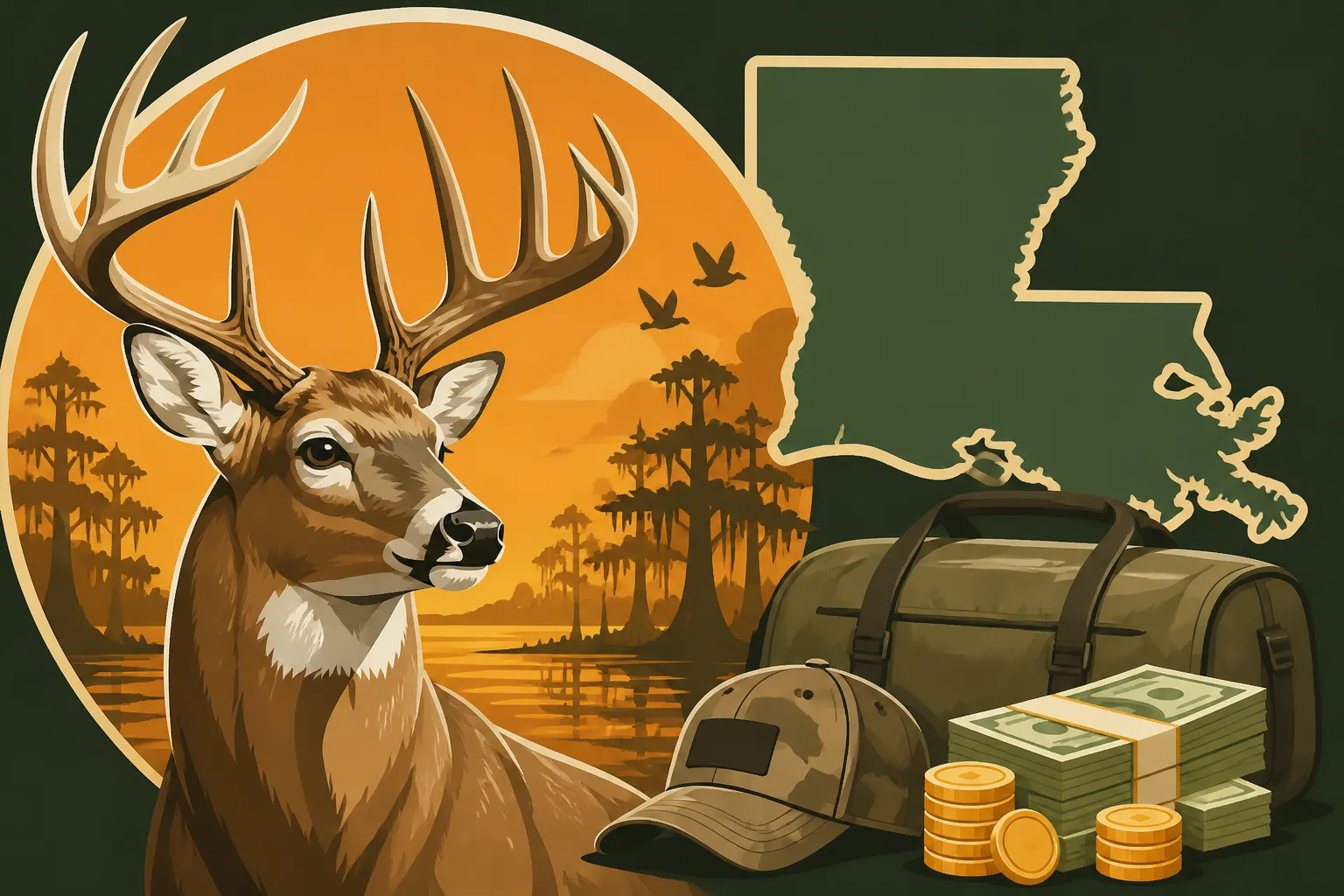
What a Trophy Basin Buck Hunt Costs
For many of us, the dream of bagging a trophy buck in Louisiana's famed Atchafalaya Basin is a powerful one. It's a place steeped in mystique, where giant deer are whispered about, but actually making that dream a reality – and understanding what it truly costs – can feel like navigating the swamp itself. Between finding the right guide, understanding what's included (and what's not), and preparing for the unique challenges of the Basin, it's easy to get overwhelmed. This guide is here to shed some light on what you can expect when budgeting for a guided trophy buck hunt in the Atchafalaya Basin.
Understanding the Allure of a Trophy Basin Buck
The Atchafalaya Basin isn't just any hunting ground; it's a legendary landscape that holds a special place in the hearts of Louisiana hunters. When you talk about a "trophy buck" from the Basin, you're often talking about something beyond just antler size.
Why the Atchafalaya Basin is Legendary for Bucks
The Atchafalaya Basin is a sprawling wetland ecosystem, a mix of cypress-tupelo swamps, bottomland hardwoods, and meandering bayous. This isn't your typical piney woods deer habitat. The challenging terrain, the constantly shifting water levels, and the sheer remoteness create a unique environment where deer thrive. Bucks here often grow to impressive body sizes, a testament to the rich forage and difficult access that keeps hunting pressure localized. The genetics in some pockets of the Basin are phenomenal, producing deer with heavy racks and impressive mass. It's a place where a buck has to be truly elusive to reach maturity, making any harvest a hard-earned trophy. The struggle to navigate these waters, the heat, the mosquitoes, and the thick cover all contribute to the mystique. When you talk about Hunting Atchafalaya Basin Swamp Deer, you're talking about a hunt that tests every skill you have.
The "Trophy" Factor: What Defines It in the Basin
When someone mentions a "trophy buck" from the Atchafalaya Basin, it’s not always just about the Boone and Crockett score, though those certainly exist here. Often, it's about the animal's age, its sheer body weight, and the character of its rack, whatever the score might be. A mature, 5.5-year-old Basin buck, even if his rack isn't a world record, is considered a tremendous trophy due to the sheer difficulty of him reaching that age in such a challenging environment. These deer are survivors, masters of their swampy domain. For many, a trophy is simply a mature buck, a testament to a successful hunt in an unforgiving landscape. The experience of navigating the Basin, finding a mature animal, and executing a successful harvest is often as much a part of the "trophy" as the antlers themselves. You'll find many guides who prioritize the overall experience and the quality of the hunt for a mature animal over strictly chasing a specific score.
Factors Influencing the Cost of a Guided Basin Hunt
The price tag for a guided trophy buck hunt in the Atchafalaya Basin isn't a single, fixed number. It's a spectrum, heavily influenced by several key variables that impact the overall experience and the likelihood of success.
Guide Experience and Reputation
Let's be honest: you're paying for expertise when you book a guided hunt, especially in a place as complex as the Atchafalaya Basin. A seasoned Basin guide isn't just someone who knows how to run a boat; they possess an intimate knowledge of the waterway systems, the hidden sloughs, the seasonal patterns of deer movement, and how to read the subtle changes in the environment. These guides have years, sometimes decades, invested in learning the Basin's secrets. They often have established relationships with landowners or hold exclusive leases that provide access to prime, low-pressure areas. Their reputation for putting clients on mature deer, their safety record, and their ability to adapt to changing conditions (like rising water or sudden cold fronts) all command a premium. When you're Vetting a Louisiana Outfitter Before You Book, a guide's experience in the specific challenges of the Basin should be top of your list.
Duration and Inclusions of the Hunt
The length of your hunt and what's bundled into the price significantly impact the cost. Are you looking for a single-day outing, or a multi-day package that includes lodging, meals, and multiple opportunities to hunt?
- Day Hunts: These are typically less expensive upfront but might offer fewer chances at a true trophy, especially with the travel time in and out of the Basin. They often include the guide's time, boat transportation to and from the hunting area, and game retrieval.
- Multi-Day Packages: These usually involve 2-4 days of hunting, often with comfortable lodging at a nearby camp or lodge. Meals, non-alcoholic beverages, and sometimes even basic caping and quartering services might be included. The more comprehensive the package – think all-inclusive with gourmet meals and deluxe accommodations – the higher the price will naturally climb. These longer hunts give you more time to learn the area, adapt to conditions, and increase your odds of encountering a mature buck.
Hunt Style and Methods
The way a hunt is conducted in the Basin can also sway the price. Basin hunting often involves unique challenges that require specialized gear and techniques.
- Stand Hunting: This is common, with guides often setting up tree stands or ground blinds in strategic locations along sloughs, ridges, or on islands of higher ground. Access to these spots might require navigating tricky waterways by boat.
- Still Hunting: Some guides specialize in quiet, slow movements through the dense cover, a true art form in the swamp. This can be physically demanding and requires a guide with exceptional tracking and woodsmanship skills.
- Dog Drives: While not legal everywhere, in some areas of Louisiana, hunting deer with dogs is a deeply rooted tradition. If a guide offers this specialized service, which requires multiple dog handlers, dogs, and specific logistical coordination, it will naturally be a higher-cost option. You can learn more about Hunting With Dogs Where Louisiana Allows It. Each method demands different resources and guide-to-hunter ratios, affecting the overall cost.
Timing of the Season
Just like real estate, timing is everything in hunting. The cost of a guided Basin hunt can fluctuate dramatically depending on when you choose to go.
- Early Season: While still challenging, hunts before the peak rut are generally less expensive. Deer are often more patternable around specific food sources, but trophy buck movement might be more nocturnal.
- The Rut: This is prime time, the absolute peak of deer activity, and therefore the most expensive window. Bucks are on the move, chasing does, and often letting their guard down. Booking a hunt during the peak of the rut in the Basin means you're competing for limited spots, and guides charge accordingly for these highly desirable dates. Understanding Hunting the Rut in the Early-Start Areas or Hunting the Rut in the Long-Window Areas can help you time your trip, but expect to pay a premium for those coveted dates.
- Primitive Firearms Season: Louisiana has a distinct primitive firearms season, which can be an excellent opportunity. Some guides might offer specific packages for this window, and while it's often concurrent with the rut in certain areas, the specialized gear might influence pricing.
Typical Cost Ranges for a Guided Basin Buck Hunt
Now, let's talk numbers. It's tough to give exact figures because things are always changing, but I can give you a solid idea of the ranges you might encounter. Remember, these are general estimates, and you should always get a detailed quote directly from any outfitter you consider.
Day Hunts vs. Multi-Day Packages
The biggest differentiator in cost will often be the duration of your trip.
- Single-Day Guided Hunts: For a dedicated day of trying to connect with a trophy Basin buck, you might look at a range that starts on the lower end, often for a 1-on-1 or 2-on-1 guided experience. These typically cover the guide's fee, boat transport, and the effort to put you in a good spot for the day. You'll usually need to bring your own lunch and snacks.
- Multi-Day Guided Packages: This is where the costs begin to climb, but you also get a more immersive experience.
- 2-3 Day Hunts: These are very popular and offer a good balance of time in the field and cost. They often include lodging (which could be a rustic camp or a comfortable lodge), meals, and several guided hunts (morning and afternoon). You'll find these packages spanning a considerable range, depending on the amenities and the guide's reputation.
- 4-5+ Day Hunts: For the serious hunter looking for the highest chance at a true giant, or those who simply want to soak in the Basin experience, longer trips are available. These will be at the higher end of the scale, reflecting the extended guide time, lodging, and services. These longer trips often focus on specific high-potential properties and involve intensive scouting by the guide.
What the Price Tag Often Covers
When you see a price quoted for a guided Basin hunt, here's what it typically includes:
| Inclusions | Typical Coverage |
|---|---|
| Guide Services | Professional guide, their knowledge, and time in the field. |
| Transportation | Boat travel to/from hunting areas within the Basin. |
| Lodging | For multi-day hunts, overnight stays in a camp, cabin, or lodge. |
| Meals | For multi-day hunts, breakfast, lunch, dinner (often home-cooked). |
| Game Retrieval | Help locating, recovering, and transporting your harvested deer. |
| Basic Field Care | Field dressing, possibly caping for taxidermy, and quartering. |
| Pre-scouting | The guide's efforts to locate deer before your arrival. |
| Stands/Blinds | Use of pre-set treestands or ground blinds. |
It's crucial to get a detailed breakdown from any outfitter. A good guide will clearly lay out exactly what's included in their package price.
Hidden Costs to Consider
Beyond the base price of the hunt, there are several "hidden" costs that can quickly add up and surprise you if you don't budget for them.
- Louisiana Hunting Licenses and Tags: This is non-negotiable. You'll need to purchase the appropriate Louisiana hunting license and deer tags, which can vary depending on whether you're a resident or non-resident. Make sure you understand Louisiana Resident Hunting License Options or Louisiana Nonresident Hunting License Options.
- Tips for Your Guide: Tipping is customary in the outdoor industry. A good rule of thumb is 15-20% of the hunt's cost if you had a great experience and your guide worked hard. This is often not included in the upfront price. How Much to Tip a Louisiana Deer Guide covers this in more detail.
- Travel Expenses: Don't forget the cost of getting to Louisiana and then to the outfitter's meeting point. This includes flights, gas, rental cars, and any overnight stays before or after your hunt if necessary.
- Meat Processing: While your guide might field dress and quarter your deer, most do not include professional meat processing. You'll need to arrange and pay for this separately, which can add a few hundred dollars depending on the size of the animal and your desired cuts.
- Taxidermy: If you harvest that trophy buck you've dreamed of, you'll likely want it mounted. Taxidermy costs are significant and entirely separate from the hunt.
- Gear and Supplies: Do you have appropriate camo, bug spray for the swamp, waterproof boots, a good cooler for meat transport, and all the necessary ammunition? Make a checklist.
- Coolers for Meat: You'll need plenty of cooler space to transport your venison home, especially if you're traveling a long distance. Factor in ice costs as well.
Finding and Vetting Basin Outfitters
Finding the right outfitter for a trophy Basin buck hunt is half the battle. You want someone reputable, experienced, and a good fit for your hunting style.
Researching Reputable Guides
The internet is a great place to start, but don't stop there.
- Online Platforms: Websites like BookYourHunt and GoHunt list various outfitters and often include reviews from past clients. These can be good starting points to see what's available and get an initial feel for prices and services. However, always dig deeper.
- Hunting Forums and Social Media Groups: Search for Louisiana hunting forums or Facebook groups. Post questions, ask for recommendations, and read discussions about Basin guides. You'll often get unfiltered opinions and insights here.
- Word of Mouth: This is often the gold standard. Talk to other hunters who have hunted the Atchafalaya Basin. A personal recommendation from someone you trust is invaluable.
- Outdoor Shows: Attending regional or national outdoor shows can be a great way to meet outfitters in person, ask questions, and gauge their personality and professionalism.
Remember to consult resources like Louisiana Deer Hunting Area by Area to understand the specific regions within the Basin and which guides specialize there.
Questions to Ask Before Booking
Once you've narrowed down a few potential guides, it's time to get on the phone and ask specific questions. Don't be shy; a professional outfitter will appreciate your thoroughness.
- "What is your typical client success rate on mature bucks in the Basin?" (Be wary of guarantees – hunting is never a sure thing).
- "Can you provide references from past clients who hunted trophy bucks in the Basin?" (And then actually call those references!)
- "What exactly is included in the package price, and what are the common additional expenses?"
- "What are your policies for inclement weather, such as heavy rain or flooding in the Basin?"
- "What is your philosophy on harvesting deer? Do you have age or score minimums?"
- "How do you handle game recovery in the challenging Basin terrain?"
- "What are the accommodations like, and what kind of meals can I expect?"
- "What is the average size/age of bucks harvested on your hunts?"
- "How far in advance do I need to book, especially for peak rut dates?"
For a comprehensive list of what to probe, refer to Questions to Ask Before Booking a Louisiana Hunt.
Deposit and Cancellation Policies
Before you commit any money, read the fine print carefully. Understanding the deposit and cancellation terms is crucial, as things can change unexpectedly in life.
- Deposit Requirements: Most reputable outfitters require a non-refundable deposit to secure your dates. Make sure you understand the amount, due date, and if it's transferrable to another date if something comes up.
- Payment Schedule: Clarify when the remaining balance is due. Is it upon arrival, or a certain number of days before the hunt?
- Cancellation Policy: What happens if you need to cancel? Can you rebook for a later date? Is there a penalty? While nobody plans to cancel, life happens, and a clear policy protects both you and the outfitter.
- Contingency for Weather: Especially in the Basin, weather can be a major factor. Ask about their policy if severe weather makes the hunt impossible or unsafe. Do they offer a reschedule, a credit, or a partial refund?
Some hunters opt for travel insurance or specific hunt cancellation insurance to protect their investment, especially on higher-cost trips. It’s always best to be prepared for the unexpected.
Disclaimer
This article is for general informational purposes only and does not constitute professional advice. Laws, prices and regulations vary by location and change over time. Consult a qualified professional for guidance on your specific situation.