Alcohol Policies at Louisiana Hunting Lodges
After a long, hard day in the Louisiana woods or marsh, feeling the grit and sweat, there's a natural urge for many hunters to kick back with a cold drink and recount the day's stories. But when you're staying at a hunting lodge, especially a guided operation, the rules around alcohol can be a real grey area and often lead to awkward situations if you're not prepared. It’s not like your own camp where you make the rules; you’re a guest in someone else’s business, and understanding their stance on spirits can make or break your trip. This guide will help you navigate the often-unspoken — and sometimes explicitly stated — alcohol policies you might encounter at Louisiana hunting lodges, ensuring your focus remains on the hunt and good company.
Understanding the "Why" Behind Lodge Alcohol Policies
It's easy to feel like policies are put in place just to cramp your style, but there's always a reason, especially when it comes to alcohol on a guided hunting trip. These lodges aren't just selling you a place to sleep; they're providing an experience, and with that comes a significant responsibility. The "why" behind their rules is usually rooted in a combination of safety, liability, and ensuring a positive experience for all their guests.
Safety First: Firearms, Boats, and Good Judgment
Hunting, by its very nature, involves firearms, sharp knives, and often operating vehicles or boats in challenging conditions, especially here in Louisiana's swamps and marshes. Mix alcohol into that equation, and the risks escalate dramatically. Lodge owners and guides are hyper-aware of these dangers. They have a duty to keep everyone safe, including their staff, their clients, and even themselves. A guide's livelihood depends on responsible behavior, and an intoxicated hunter is a liability waiting to happen. Imagine a hunter accidentally discharging a firearm, falling out of a boat in the dark, or making poor decisions that spook game for the entire group. These aren't just minor inconveniences; they're potentially life-threatening situations that lodges work hard to prevent. Firearm Safety Rules on a Guided Group Hunt is a critical read before any trip, and alcohol complicates adherence.
Liability and Reputation: Protecting the Business
Beyond immediate safety, there's the massive legal and financial liability that lodges face. If a guest consumes alcohol on their property and then causes an accident, the lodge could be held responsible. This isn't just a hypothetical concern; it's a very real threat to their business. Insurance costs are already astronomical for hunting operations, and incidents involving alcohol can cause premiums to skyrocket or even lead to cancellation of coverage. Furthermore, a lodge's reputation is everything. Word travels fast in the hunting community, and a reputation for uncontrolled drinking or unsafe practices can quickly lead to a loss of bookings. They want to ensure every guest has a memorable, positive (and sober, when necessary) experience, and that means maintaining a certain level of decorum and safety that alcohol can easily undermine. This is especially true for lodges that market themselves as family-friendly or those catering to corporate groups.
Guest Experience: Ensuring Harmony Among Hunters
Think about it: you've saved up, taken time off, and travelled to enjoy a hunting experience. The last thing you want is to have your trip disrupted by another guest whose judgment is impaired by alcohol. Lodges often host diverse groups of hunters, some who enjoy a drink and some who prefer complete sobriety. Loud, disruptive behavior, arguments, or disrespectful interactions stemming from excessive drinking can ruin the atmosphere for everyone. Guides also rely on clear communication and alert hunters. If a client is hungover or still under the influence when they need to be focused in the blind or on the stand, it impacts the success of the hunt for everyone, including the guide who wants nothing more than for you to succeed. Responsible alcohol policies help maintain a respectful, enjoyable environment for all guests, ensuring that everyone gets the most out of their Lodge Accommodation and Meals and hunting time.
Common Types of Alcohol Policies You'll Encounter
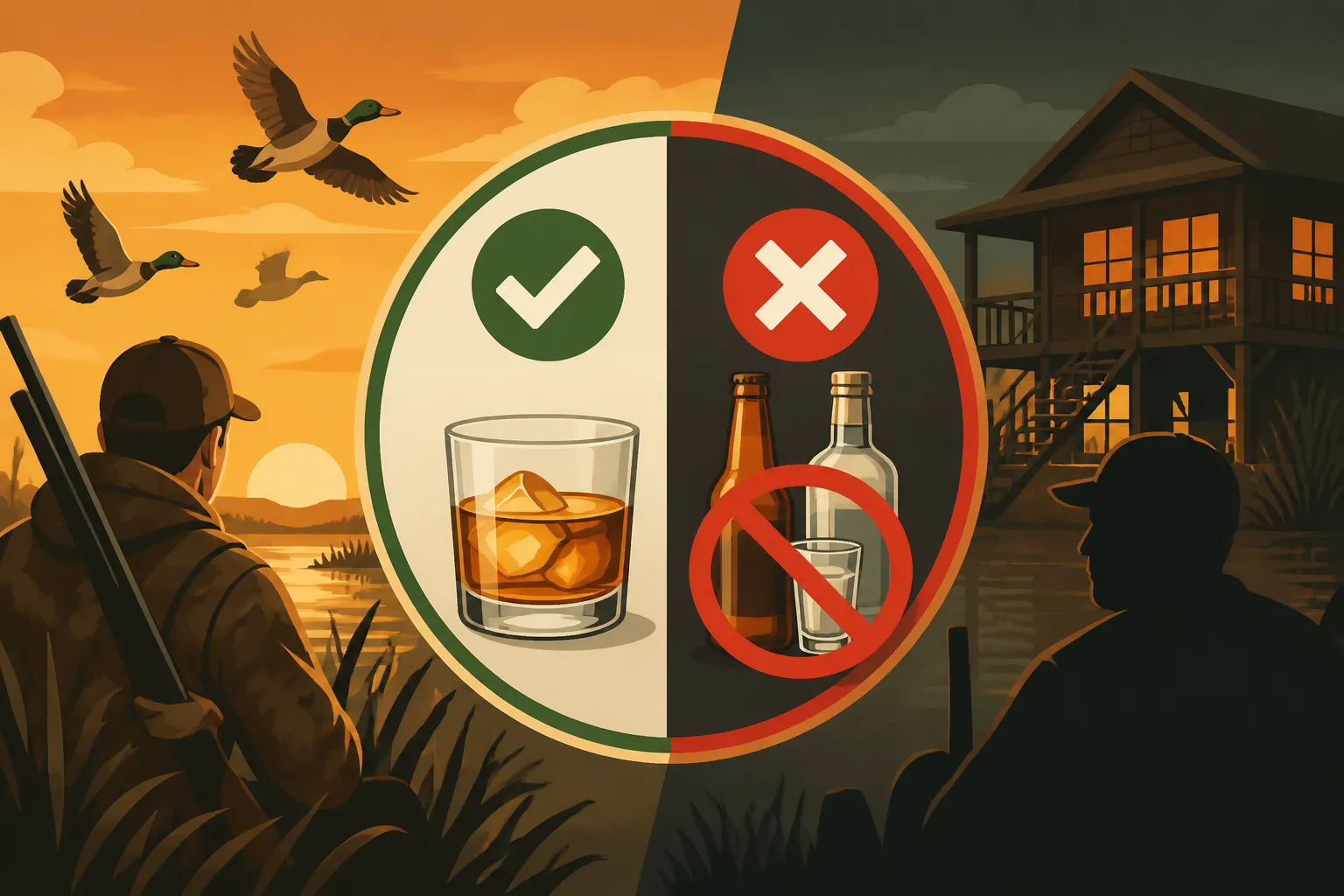
Just like deer areas differ across Louisiana, so too do alcohol policies at hunting lodges. There's no one-size-fits-all rule, which is why it's so important to ask questions up front. Generally, you'll find a few main categories of policies, each with its own nuances.
Strict "No Alcohol" Rules
Some lodges, often those with a very strong emphasis on safety, family environments, or specific religious affiliations, will have an absolute "no alcohol" policy. This means no bringing your own, and certainly no alcohol served by the lodge. This might seem extreme to some, but it’s a clear-cut rule designed to eliminate any potential issues. These lodges want every hunter completely clear-headed and focused, from morning until night. You might find this common in operations that cater heavily to youth hunts or those located near communities with strict local ordinances. If you book with such a lodge, respect their rules. Trying to sneak in a flask is not only disrespectful but could lead to you being asked to leave without a refund. It’s better to know this upfront than to be caught off guard.
BYOB (Bring Your Own Beverage) with Restrictions
This is probably the most common policy you'll encounter. Many lodges allow guests to bring their own alcoholic beverages, but with significant caveats. These usually involve:
- Time restrictions: Alcohol often isn't permitted until after all hunting activities for the day are concluded, and firearms are secured. This means no "wake-up mimosa" before the duck hunt or a beer in the blind.
- Quantity limits: While usually unstated, excessive consumption is frowned upon. The expectation is responsible, moderate drinking.
- Designated areas: Some lodges might prefer you consume alcohol only in specific communal areas, like a lounge or porch, rather than in individual cabins or rooms.
- No hard liquor: Some BYOB policies might restrict guests to beer and wine only, explicitly prohibiting hard liquor due to its higher alcohol content and potential for quicker impairment.
Lodges with BYOB policies often operate on the honor system, but guides and staff are always observing. They expect you to exercise good judgment. If you're planning a trip, platforms like BookYourHunt or GoHunt might list general amenity details, but always confirm the specifics directly with the lodge.
Lodge-Provided Alcohol (Cash Bar or Inclusive)
A more upscale experience might include a lodge with a liquor license that provides alcohol. This could be a full cash bar where you purchase drinks, or sometimes a limited selection of beer and wine might be included in an all-inclusive package.
- Cash Bar: These function much like a regular bar, giving you options. The lodge still controls serving and will cut off anyone who appears to be over-served, adhering to state liquor laws.
- Inclusive Options: If alcohol is included, it's almost always a limited selection (e.g., domestic beers, house wines) and still comes with the expectation of moderation. It’s never an open invitation for unlimited consumption.
Even when alcohol is provided by the lodge, the fundamental rules of "no drinking before or during hunting activities" and "responsible consumption" still apply. The advantage here is convenience, and often a better selection than you might bring yourself. However, it also means the lodge has direct control over how much is consumed by guests.
Here's a quick comparison of common lodge alcohol policies:
| Policy Type | Availability/Provision | Common Restrictions | Hunter Responsibility | Best For… |
|---|---|---|---|---|
| Strict "No Alcohol" | Not permitted | Absolute ban at all times | Full sobriety required | Family trips, youth hunts, highly safety-focused |
| BYOB (Restricted) | Bring your own (beer/wine often) | After hunting, moderation, specific areas | Exercise strong personal judgment, responsible consumption | Most general hunting trips |
| Lodge-Provided | Cash bar or included (limited) | Lodge controls servings, after hunting, moderation | Responsible consumption, follow lodge's lead | Upscale experiences, convenience, regulated options |
Navigating the Rules: What to Ask Before You Book
The absolute best way to avoid any awkwardness or disappointment regarding alcohol is to ask direct questions before you put down a deposit. Don't assume anything. A good outfitter will appreciate your proactive approach.
Key Questions to Clarify Policies
When you're talking to a lodge owner or booking agent, don't be shy. Here are some questions to ask:
- "What is your lodge's policy on alcoholic beverages?" This open-ended question lets them explain their system.
- "Are guests permitted to bring their own alcohol?" If yes, follow up with:
- "Are there any restrictions on what type of alcohol (beer, wine, liquor) we can bring?"
- "Is there a designated time or area where alcohol can be consumed?"
- "Is there a corkage fee or any other charge for bringing our own?"
- "Do you provide or sell alcoholic beverages at the lodge?" If yes, ask about pricing or if it's included.
Be sure to ask if the policies change depending on the type of hunt or the specific season. For instance, a duck lodge might have slightly different rules than a deer lodge simply due to the nature of the hunt. You'll want to review Questions to Ask Before Booking a Louisiana Hunt to make sure you're covered on all fronts.
Reading the Fine Print: Contracts and Disclosures
Always, always read any contract or booking agreement thoroughly. Many lodges will include their alcohol policy within these documents. Sometimes it's a simple sentence, other times it's a paragraph outlining the expectations. If it's not explicitly stated, that's your cue to ask. Don't be afraid to get clarity in writing if you have significant concerns. Also, check online reviews and testimonials on sites like GoHunt; sometimes past clients will mention the atmosphere regarding alcohol, which can give you an indirect clue. However, remember that individual experiences vary, so direct communication is always best.
Understanding the Consequences of Non-Compliance
It's not just about getting a polite reminder. Disregarding a lodge's alcohol policy can have serious repercussions. At best, you might receive a stern warning. More severely, you could be asked to leave the property, forfeiting your payment for the hunt. In extreme cases involving safety violations or property damage due to intoxication, legal action could be taken. No one wants their dream Louisiana hunting trip to end in such a way, especially not for something that could have been clarified with a simple conversation beforehand. Make sure you understand the Vetting a Louisiana Outfitter Before You Book process fully, and part of that vetting is understanding their rules and your responsibilities.
The Impact of Alcohol on Your Hunt
Beyond the rules and regulations, it's important to consider how alcohol consumption can genuinely affect your hunting experience. It's not just about staying out of trouble with the lodge; it's about making the most of your valuable time afield.
Personal Performance and Opportunity
Let's be real: hunting requires focus, patience, and quick decision-making. Whether you're trying to discern a subtle deer movement in thick cover or identify a duck species zipping overhead in low light, your senses need to be sharp. Even a few drinks the night before can dull your reflexes, impair your vision, and reduce your ability to concentrate. You might sleep through your alarm, feel sluggish during the early morning walk to the stand, or simply miss key opportunities because you're not fully present. Many hunters travel great distances for a chance at Louisiana Deer Harvest Records or a memorable duck hunt; don't let a few drinks compromise that hard-earned opportunity.
Guide-Client Relationship and Trust
Your guide is your partner in the field. They are working hard to put you on game and ensure your success. This relationship is built on trust and mutual respect. If you show up hungover, unresponsive, or clearly impaired, it undermines that trust. A guide needs to know you can follow instructions, handle your firearm safely, and react appropriately. If they perceive you as a liability, it not only makes their job harder but also puts them in a difficult position. A good guide wants to share in your excitement and success, and being reliable, attentive, and sober when it counts goes a long way in fostering a positive relationship. Consider how much effort goes into Working Flooded Timber for Mallards or Hunting the Tensas River Basin – your guide needs you at your best.
Overall Enjoyment and Memories
Ultimately, you're hunting to create memories and enjoy the outdoors. While a celebratory drink after a successful hunt or at the end of a long day can be part of the camaraderie, letting alcohol become the focus shifts the entire experience. The best memories often come from the crisp morning air, the intense moments of the stalk, the shared laughs over a campfire, and the stories told over a hearty meal – not from how much you drank. Being fully present allows you to soak in all the beauty and challenge that Louisiana Deer Hunting Area by Area offers. Prioritizing the hunt and the camaraderie over excessive drinking will ensure you leave with stories worth telling and a desire to return, rather than regrets or a hazy recollection of your trip.
Always remember that lodges are private businesses with their own rules. Respecting those rules, and understanding why they exist, is fundamental to a successful and enjoyable guided hunting experience in Louisiana. It’s about being a responsible guest and a safe hunter.
Disclaimer
This article is for general informational purposes only and does not constitute professional advice. Laws, prices and regulations vary by location and change over time. Consult a qualified professional for guidance on your specific situation.