What Happens If a Hurricane Threatens Your Trip
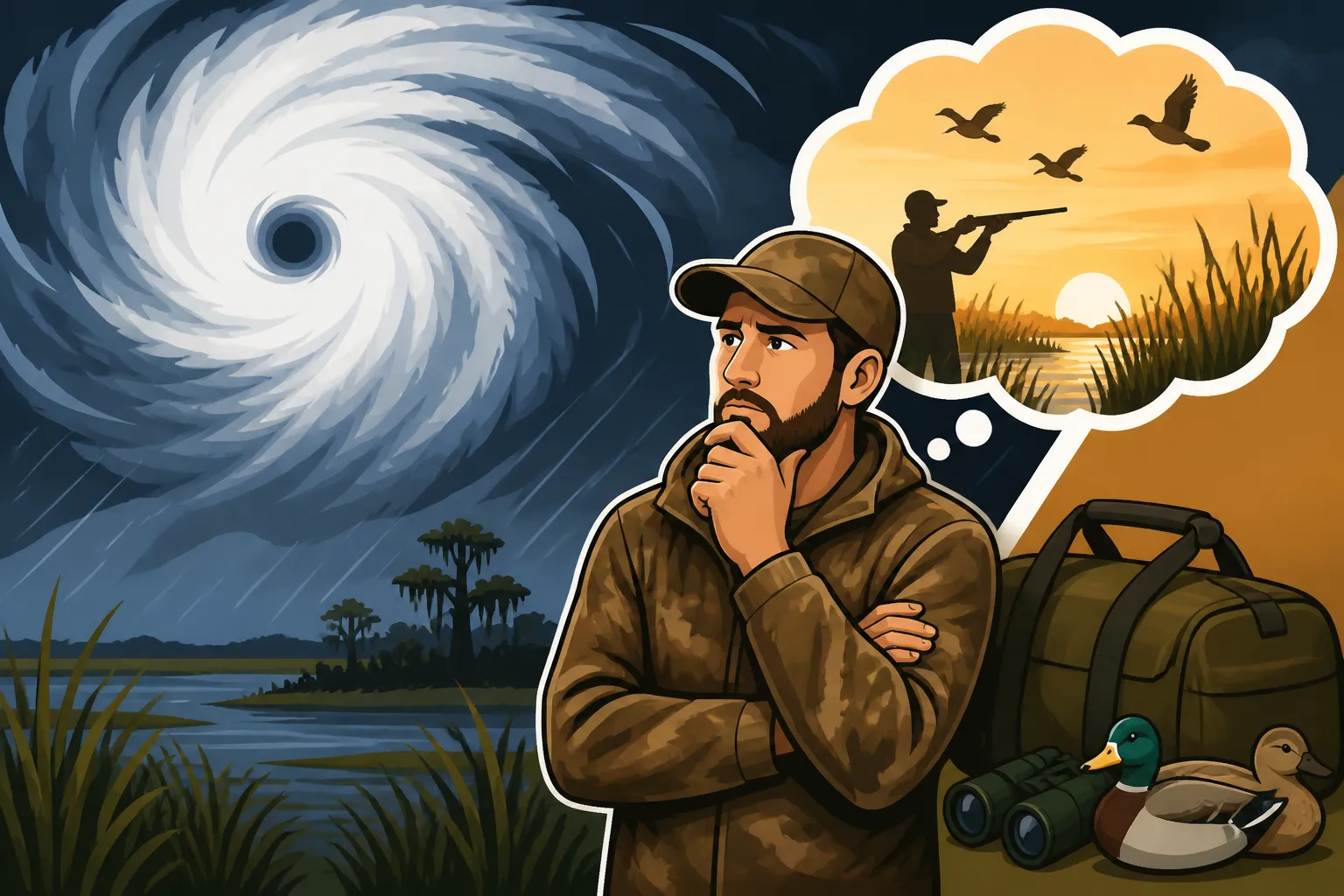
You’ve spent months planning, maybe even years saving, for that dream hunting trip to Louisiana. You’ve booked the outfitter, secured your license, packed your gear, and then, a week out, the weather forecast starts flashing ominous red circles. A tropical depression is forming, quickly gaining strength, and heading straight for the coast. The pit in your stomach grows – what exactly happens if a hurricane threatens to derail your meticulously planned adventure? It's a real fear for anyone heading to the Gulf Coast, and this guide will walk you through what to expect and how to navigate the uncertainty when a major storm looms.
Understanding the Real Threat: More Than Just Wind and Rain
When we talk about a hurricane, most people immediately think of high winds and torrential downpours. While those are certainly devastating, for a hunter, the impact extends far beyond the immediate storm. Louisiana's unique geography, with its vast marshes, swamps, and low-lying coastal areas, makes it particularly vulnerable to a cascade of issues that can linger long after the storm has passed.
The Stages of a Looming Storm
A hurricane doesn't just appear overnight; it builds, giving us some time to prepare and react. However, the speed at which these storms can intensify, and their unpredictable paths, means that "some time" often feels like "no time at all."
When you see that first tropical wave form in the Atlantic or Caribbean, it’s merely a blip on the radar. But as it moves into the Gulf of Mexico, things can escalate rapidly. From a tropical depression to a named storm, then a hurricane, the warnings become more urgent. Coastal parishes might issue voluntary or mandatory evacuation orders, roads will close, and businesses will board up. For hunters, this means not just potential cancellation of the hunt itself, but also the very real possibility of being unable to travel to or from the area safely. Even if your outfitter is confident they can weather the storm, if you can't physically get there, or if local authorities deem it unsafe, the trip is off. It's crucial to monitor the National Hurricane Center and local Louisiana news outlets, not just for the storm's track, but for official advisories impacting travel and access.
Long-Term Impacts Beyond the Immediate Weather
Let’s say the storm veers away, or it’s a weaker system. You might think you're in the clear. But even a glancing blow from a tropical storm can cause significant issues for hunting. Think about the massive amounts of rain that fall. Rivers swell, bayous overflow, and vast stretches of timber and marshland become completely inundated. Deer are displaced, turkeys get scattered, and ducks, while loving water, might spread out to newly flooded areas, making traditional hunting spots less productive.
Beyond flooding, wind damage can be extensive. Downed trees can block access roads, destroy existing treestand setups, and completely alter familiar hunting grounds. Imagine spending hours Scouting Louisiana Public Land Before Season, marking prime spots, only for a storm to come through and wipe out all your hard work. Power outages can last for weeks, making communication difficult and any plans involving lodge stays or processing facilities complicated. This is especially true for Hunting the Atchafalaya Basin or Hunting Louisiana's Coastal Marsh Parishes, where the landscape is already dominated by water and susceptible to storm surge. These long-term environmental changes can impact hunting success for months, sometimes even years, after a significant hurricane.
Navigating Outfitter Policies and Personal Insurance
This is where the rubber meets the road. You’ve got money on the line, and potentially vacation time that you can't easily get back. Understanding the financial implications of a hurricane-threatened trip is paramount.
Reading the Fine Print: Outfitter Cancellation Policies
Every reputable outfitter will have a cancellation policy, and many will specifically address weather events. However, these policies can vary wildly. Some are incredibly flexible, offering full refunds or credit for future hunts if the outfitter has to cancel due to an "act of God" like a hurricane. Others might have stricter rules, especially if the storm doesn't directly hit their operation but causes travel issues for the hunter.
Before you ever put down a deposit, you should explicitly ask about their hurricane contingency plan. Don't just assume. Get it in writing. What if there's a mandatory evacuation? What if their lodge or hunting grounds sustain damage? What if the airport closes and you can't get there? A good outfitter, like those you might find listed on a platform like BookYourHunt, will be transparent about these scenarios. They understand the reality of hunting in coastal states and should have clear answers. If an outfitter is cagey about their policy, or doesn't have one, that's a major red flag, and it's worth considering Vetting a Louisiana Outfitter Before You Book even more diligently.
Here’s a general idea of how different scenarios might play out:
| Scenario Type | Typical Outfitter Response (General) | Hunter-Initiated Cancellation (General) |
|---|---|---|
| Outfitter Initiates Due to Direct Threat/Damage | Reschedule, full credit, or full refund (if unable to reschedule). | N/A (outfitter takes the lead, often favorable to hunter). |
| Hunter Initiates Due to Travel Concerns/Fear | Hunter may lose deposit or full payment as per contract, unless explicit weather clause. | Often falls under "no-show" or standard cancellation penalties. |
| Hunt Area Unreachable (Roads/Airports Closed) | Considered outfitter-initiated if access truly impossible for everyone. | If only specific to hunter's route, may be hunter-initiated. |
| Minor Weather Impact (Heavy Rain/Wind, Still Huntable) | Hunt proceeds as planned, no refunds/reschedules for minor issues. | Hunter would typically lose all payment if they decide not to go. |
It’s a tough line to walk. Outfitters run a business and can’t afford to refund every trip if a hunter simply gets cold feet. However, they also rely on good relationships and repeat clients. Weather Contingency Policies for Marsh Guides are particularly critical, as these areas are directly exposed to the brunt of tropical systems.
The Role of Travel Insurance
For many hunters, especially those investing a significant amount in a guided trip, travel insurance is an absolute lifesaver when a hurricane is on the horizon. Not all travel insurance is created equal, however. You'll want to look for policies that specifically cover trip cancellation or interruption due to weather events, including named storms and mandatory evacuations.
Some policies require you to purchase them a certain number of days or weeks before a storm is named. Don't wait until the hurricane is already in the Gulf. Once a storm has a name, it's often too late to get coverage for that specific event. Read the policy details carefully. Does it cover just the financial loss of the trip, or also expenses like delayed flights or additional lodging? It’s an added cost, yes, but when you consider What a Guided Louisiana Deer Hunt Costs or Coastal Marsh Duck Lodge Multi-Day Rates, it’s a small price to pay for peace of mind. Without it, you could be out thousands of dollars with no recourse beyond the outfitter's goodwill.
Rescheduling, Refunds, and Alternative Plans
So, the inevitable happens: your hunt is canceled or interrupted by a hurricane. What are your options, and how do you make the best of a bad situation?
Working with Your Outfitter for Rescheduling or Credit
The most common outcome when an outfitter cancels a hunt due to a hurricane is a credit for a future trip or an offer to reschedule. Most reputable guides want to keep your business and understand that it's an unfortunate circumstance for everyone involved. They might offer to roll your deposit over to next season, or allow you to book a different date later in the current season if conditions improve.
Communication is key here. Be patient and understanding, as the outfitter will likely be dealing with damage to their property, loss of power, and a slew of other cancellations. However, be firm and clear about your expectations based on their stated policy. If they offer a credit, confirm how long that credit is valid. If rescheduling, ask about availability for Hunting the Rut in the Early-Start Areas or Hunting the Rut in the Long-Window Areas later in the season, or even for next year. Sometimes, they might have openings for Hunting Louisiana's Year-Round Feral Hogs if you're willing to shift species. Platforms like GoHunt can be useful for researching other outfitters or even self-guided opportunities if your current outfitter can't accommodate a reschedule.
A full cash refund, while ideal for some, isn't always feasible for small businesses, especially after a major storm hits. This is where good travel insurance can really make a difference, covering your financial loss even if the outfitter can only offer a credit.
Considering Alternative Hunting Opportunities
If your primary hunt location is severely impacted, but you still have the vacation time, it might be worth exploring other options within Louisiana. The state is vast, and while one region might be devastated, another could be entirely unaffected. For instance, a hurricane hitting the Gulf Coast might mean Hunting the Vermilion Parish Marsh is out of the question, but areas further inland, like Hunting North Louisiana's Piney Hills or the Tensas River National Wildlife Refuge Hunting, might still be viable, though they offer very different hunting experiences.
This could mean a shift from a guided waterfowl hunt to a self-guided deer hunt on public land. It requires flexibility and a rapid change of plans, but it's often better than completely scrapping your trip. You might need to quickly secure new licenses or permits for a different area. Utilize resources like the LDWF website and their interactive maps to identify open WMAs or national forests. Be aware that post-storm conditions can make even unaffected public lands busier than usual, as other hunters scramble for alternatives. Look into Hunting Louisiana's Ten Deer Areas Differ to find a region that might be less impacted and still offers a good hunting experience.
Post-Hurricane Impacts on Hunting Areas
Even if you successfully reschedule or find an alternative, it’s important to understand how a hurricane can permanently or temporarily alter the hunting landscape. This isn't just about immediate access; it's about the long-term ecological changes.
Habitat Changes and Animal Displacement
Hurricanes bring massive storm surges and inland flooding that can completely reshape ecosystems. Coastal marshes, prime duck hunting grounds in Cameron Parish Marsh Public Access or Terrebonne Parish Marsh Public Access, can experience saltwater intrusion far inland, damaging freshwater vegetation that ducks and other wildlife rely on. Trees in swamps and bottomlands can be snapped, uprooted, or left standing in deep water for extended periods, killing them off. This can create new openings but also destroy vital cover and food sources.
Deer, hogs, turkeys, and other game animals are incredibly resilient, but they are also creatures of habit. A major storm can displace entire populations, forcing them to move to higher ground or new areas in search of food and shelter. What was once a well-used trail or a productive feeding area might be gone, replaced by impassable debris or standing water. This means future hunting, even on a rescheduled trip, will require a completely different approach. Hunters might need to focus on Late-Season Food Sources for Louisiana Whitetails or adapt tactics like Working a Bayou Bank for Late-Season Deer as the landscape changes.
Access Challenges and Recovery Efforts
Beyond the initial storm, recovery efforts can impact hunting for months. Roads might be damaged or closed for repairs. Public lands could be closed temporarily for safety assessments, debris removal, or even just to allow wildlife to recover without added pressure. Louisiana WMA Quota Hunt Sign-In Process or access to National Forests might be restricted.
Outfitters who suffered damage will be focused on rebuilding their lodges, repairing blinds, and clearing access routes. This takes time and resources. Even private landowners might have to deal with extensive damage to their property, making it difficult for them to grant permission or host hunters. Understanding that the human and ecological recovery takes precedence is essential. While it's frustrating to miss a hunt, supporting local communities and giving the land time to heal ensures that future generations can continue to enjoy the incredible hunting opportunities Louisiana offers. Louisiana Deer Damage Permits for Farmers may become more common as displaced deer seek new food sources, which could open up some hunting opportunities on private land for those willing to help manage populations.
Disclaimer
This article is for general informational purposes only and does not constitute professional advice. Laws, prices and regulations vary by location and change over time. Consult a qualified professional for guidance on your specific situation.