Terrebonne Parish Marsh Public Access
For many of us who dream of hunting Louisiana's rich coastal marshes, the sheer scale and complexity of Terrebonne Parish can feel incredibly overwhelming. It's a vast mosaic of water, mud, and private land, making the idea of finding reliable public access a daunting puzzle. This guide aims to cut through that confusion, offering clear, actionable insights into how you can effectively locate and hunt public lands within the sprawling Terrebonne Parish marsh, making your next outing less about frustration and more about the hunt itself.
The Dauntless Challenge of Terrebonne Parish Marsh Access
Let's be honest, trying to navigate the Terrebonne Parish marsh, especially if you're looking for public hunting grounds, can feel like you're trying to find a needle in a haystack—a very wet, very muddy haystack. The landscape itself is a formidable opponent, and understanding its nuances is the first step to conquering it.
Understanding the Unique Marsh Environment
The Terrebonne Parish marsh is an intricate tapestry woven from brackish and saltwater, defined by a seemingly endless network of bayous, canals, ponds, and mudflats. It's not like hunting a piney woods or a river bottom where you can just walk a logging road. Here, water is the highway, and the ground beneath you is often a deceptive mix of solid earth, soft muck, and submerged vegetation. This unique environment presents several challenges:
- Tidal Influence: Unlike inland areas, your access and hunting strategy in the marsh are heavily dictated by the tides. What was an open flat at low tide might be a passable bayou at high tide, and vice versa. Missing a tide window can leave you stranded, or worse, cut off from your desired hunting spot. This constantly shifting water level affects everything from boat travel to finding dry ground for a blind.
- Vegetation: The marsh is dominated by various grasses, reeds, and submerged aquatic vegetation. While this provides excellent cover for waterfowl and other game, it also makes walking incredibly difficult, if not impossible, in many areas. Expect to be pushing through thick stands of roseau cane or navigating dense patches of wiregrass, often on unstable footing.
- Limited "Dry" Ground: True dry ground is a luxury in the marsh. Most hunting takes place from a boat, a shallow-draft mud boat, or out of a temporary blind set up on a small, slightly elevated hummock or a levee bank. Finding a stable spot that offers good concealment and shooting lanes is a constant scouting effort.
The sheer scale of the marsh can also lead to mental fatigue. You might spend hours navigating, thinking you're headed for a prime spot, only to find yourself in an identical-looking section of marsh. It's truly a test of patience and preparation.
Navigating the Maze: Finding Public Ground
One of the biggest frustrations for hunters in the Terrebonne marsh is distinguishing public hunting areas from the vast expanse of private land and leased hunting clubs. Louisiana's coastal parishes, Terrebonne included, have a long history of private land ownership and duck leases, which can make a newcomer feel like they're constantly on the verge of trespassing.
You'll encounter countless small, unmarked canals and ponds that look public, but are actually part of a vast private holding. The boundaries aren't always clear on the ground, and a simple mistake can lead to a hefty fine or a confrontation with an unhappy landowner. This is where diligent scouting and the right tools become absolutely non-negotiable. Without them, you're essentially blindly poking around in a maze.
Furthermore, public access itself often comes with specific rules. You can't just set up a permanent structure on public land or expect the same season dates as private ground. Understanding the specific WMA or refuge rules before you even launch your boat is paramount to a successful and legal hunt. It requires more than just showing up; it demands homework. Louisiana Waterfowl Zones and Seasons are a great place to start understanding the general framework.
Unlocking Public Hunting Opportunities in Terrebonne
Despite the challenges, Terrebonne Parish offers some incredible public hunting experiences, especially for waterfowl, hogs, and even alligator (via lottery). The key is knowing where to look and how to approach these unique opportunities.
Key Public Access Areas and Entry Points
While much of Terrebonne Parish's marsh is private, there are still vital tracts of public land managed by the Louisiana Department of Wildlife and Fisheries (LDWF) or other federal agencies. These are your targets. One of the most prominent examples within the general area that offers public access and a classic marsh hunting experience is Point-aux-Chenes Wildlife Management Area (WMA).
- Wildlife Management Areas (WMAs): Point-aux-Chenes WMA, though located just east of the main Terrebonne Parish boundary in Lafourche and Jefferson parishes, is a prime example of the kind of public marsh hunting found in this region and is highly relevant for anyone looking for that experience when considering Terrebonne. It provides extensive marsh habitat accessible by boat. For other public lands, you'll need to consult the LDWF's official website or app to find other WMAs or special areas that fall directly within Terrebonne Parish's borders and offer hunting opportunities. These WMAs typically have designated boat launches that serve as your primary entry points. Plan your routes carefully, as travel can be slow.
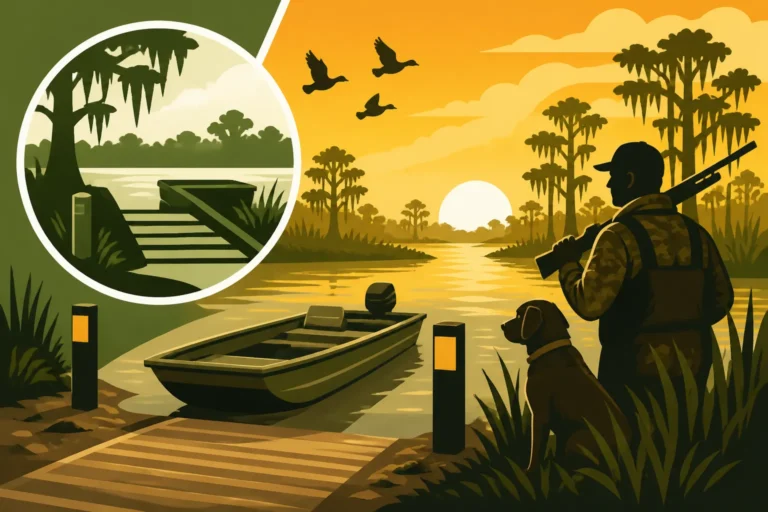
- Waterways and Launches: Your vehicle for accessing the marsh is almost always a boat. Shallow-draft vessels like mud boats, airboats, or even kayaks and canoes for smaller sloughs, are essential. Look for established public boat launches along major highways or secondary roads that lead into the marsh. These act as your base camp. From there, you'll use main bayous and canals to navigate deeper into public tracts. Remember, Hunting the Vermilion Parish Marsh shares many of these access and navigation principles.
A good rule of thumb is to look for areas where major public waterways intersect with WMA boundaries. These intersections often create funnel points or natural access corridors into prime hunting territory.
Species-Specific Tactics for the Terrebonne Marsh
The diverse marsh environment supports a variety of game. Your approach will change dramatically depending on what you're after.
Waterfowl Hunting
Terrebonne Parish is legendary for its waterfowl hunting, especially ducks. You'll find everything from teal to gadwall, pintail, and wigeon flocking to these wetlands during the migration.
- Mobility is Key: Unlike static dry-land hunting, marsh duck hunting often requires a mobile approach. Jump shooting ducks along small ponds and bayous is a common and effective tactic. This involves slowly working your boat, kayak, or even pushing a pirogue through smaller waterways, surprising ducks that are resting or feeding.
- Temporary Blinds: If you prefer to set up, temporary blinds are the way to go. These can be as simple as a few bundles of marsh grass strapped to your boat or a portable blind set up on a small levee or island. The goal is to blend into the natural surroundings. Always scout ahead to find areas with good bird activity and natural cover.
- Decoy Spreads: Small, realistic decoy spreads work best in the marsh. Focus on creating natural-looking groups that mimic feeding birds. Motion decoys, especially spinning-wing varieties, can be highly effective in attracting distant birds in the flat, open marsh. Remember, Waterfowl Hunting the Louisiana Coastal Marsh goes into more depth on these strategies.
Feral Hog Hunting
While often associated with timbered areas, feral hogs are prevalent in the marsh, especially on slightly higher ground, natural levees, and spoil banks. They thrive in the dense cover and feed on roots, tubers, and anything else they can find.
- Spot and Stalk: On higher spoil banks or larger levees, spot and stalk can be effective, especially at dawn and dusk. Look for fresh sign like rooting, tracks in the mud, and wallows.
- Boat Access to Edges: Use your boat to access the edges of larger islands or landmasses within the marsh. Hogs will often travel these edges. You might find them moving between patches of cover or feeding on vegetation.
- Night Hunting (Private Land): While this guide focuses on public access, it's worth noting that night hunting for hogs with lights is legal on private land in Louisiana, offering a year-round opportunity to manage their destructive populations. However, for public marsh, stick to legal daylight hours and methods. If you are interested in comprehensive hog control methods, consider Trapping Louisiana Feral Hogs for a different approach.
Alligator Hunting
Louisiana's recreational alligator season is a highly sought-after opportunity, and Terrebonne Parish is a prime area. However, access for alligator hunting on public land is strictly controlled by a lottery system.
- Lottery System: Hunters must apply for an alligator lottery tag through the LDWF. If successful, you'll be allocated a specific zone and a certain number of tags. These zones often include portions of the vast Terrebonne marsh.
- Legal Methods: Once you have a tag, you'll use specific legal methods like hook-and-line sets, which involve baiting lines with chicken or other meat and securing them to solid structures. Hook-and-Line Alligator Setups delves into the specifics of these methods.
- Access is Granted by Tag: Unlike general deer or duck hunting, your "access" for alligator hunting on public ground is essentially granted by winning a lottery tag for a specific zone. You'll then utilize your boat to reach the designated areas within that zone. Understanding Louisiana Alligator Zone Allocations will give you a better idea of how these hunting areas are organized.
Essential Gear, Mapping, and Regulations for Success
Hunting the Terrebonne Parish marsh demands a different set of tools and a deep understanding of the rules. Being prepared can mean the difference between a memorable hunt and a frustrating, even dangerous, experience.
Leveraging Modern Mapping Technology
Gone are the days of relying solely on paper maps that quickly get soaked or outdated. Modern mapping apps are an absolute game-changer for marsh hunting, allowing you to confidently navigate and identify public boundaries.
- GPS and Satellite Imagery: Tools like
onX HuntandGoHuntoffer detailed satellite imagery that can reveal hidden ponds, subtle changes in vegetation, and potential travel corridors that are invisible from the water level. The ability to mark waypoints for blinds, boat runs, or areas of high game sign is invaluable. You can see public land boundaries clearly, helping you avoid accidental trespassing—a critical concern in the heavily fragmented marsh. Scouting Louisiana Public Land Before Season becomes much easier with these digital tools. - Offline Maps: Crucially, these apps allow you to download maps for offline use. Cellular service in many parts of the Terrebonne marsh is unreliable or nonexistent. Having your maps and GPS capabilities accessible without a signal is a lifesaver for navigation and safety.
- Property Line Overlay: The most beneficial feature is the property line overlay. This immediately shows you exactly where public land ends and private property begins. Given the intricate nature of marsh ownership, this visual cue is essential for staying legal and avoiding conflict. Before heading out, you can overlay public and private boundaries on satellite imagery, meticulously planning your routes and hunting zones. This helps you identify pockets of public ground that might otherwise be overlooked, hidden deep within larger tracts.
These digital mapping solutions essentially put a knowledgeable guide in your pocket, making the complex task of navigating and identifying public land in the Terrebonne marsh significantly more manageable.
Navigating Louisiana's Marsh Hunting Regulations
Louisiana, and specifically the LDWF, has detailed regulations designed to manage wildlife and ensure safety. For the Terrebonne marsh, these often include unique provisions for coastal hunting.
General Regulations and Permits
- LDWF Website and App: Your first and most reliable source for all regulations is the official LDWF website or their mobile app. This is where you'll find specific WMA rules, season dates, bag limits, and any special permits required. Using the LDWF Map Tool is an excellent resource for this. Rules can vary significantly between different public areas, so never assume.
- Licenses and HIP Certification: Beyond your basic Louisiana hunting license and species-specific tags (like for deer or turkey), waterfowl hunters must also possess a Louisiana Duck License, a Federal Duck Stamp, and be HIP (Harvest Information Program) certified. These are all part of ensuring responsible management of migratory birds.
- WMA Specific Rules: If you're hunting a WMA, be prepared for specific regulations regarding boat motor size, hunting hours, types of legal firearms, and even daily check-in/check-out procedures. Some WMAs may require a self-clearing permit that you fill out at a designated kiosk upon entry and exit. Always read these rules carefully.
Blaze Orange and Water Safety
- Blaze Requirements: While not always required for waterfowl hunting from a blind, general blaze orange requirements apply during certain firearms seasons on public land. However, for most marsh hunting, especially waterfowl, the focus shifts to camouflage. Always be aware of the specific regulations for the species and weapon you are hunting.
- Water Safety: The marsh environment demands strict adherence to water safety. Always wear a PFD (personal flotation device), ensure your boat has all required safety equipment (lights, sound-making device, fire extinguisher), and file a float plan with someone on shore. The weather can change rapidly in the marsh, and getting caught in a squall on open water is no joke. Carry extra fuel, a fully charged cell phone (even if you expect no signal, it's good for emergencies if you find a spot of service), and an emergency beacon if venturing far offshore or into remote areas. Tell someone where you're going and when you expect to return.
Understanding and respecting these regulations not only keeps you legal but also contributes to the sustainable management of Louisiana's incredible hunting resources. The Terrebonne marsh is a fragile and dynamic ecosystem, and responsible hunting ensures it remains a treasure for generations to come.
Disclaimer
This article is for general informational purposes only and does not constitute professional advice. Laws, prices and regulations vary by location and change over time. Consult a qualified professional for guidance on your specific situation.