How Nutria Erode Louisiana Marsh
Nutria destruction of plant roots in Louisiana marshes creates barren mudflats, causing severe coastal erosion and permanent land loss.
Know what you’re after.
Big game, small game, upland birds, and waterfowl — identification, behavior, rut and migration timing, and how each species moves through the season.
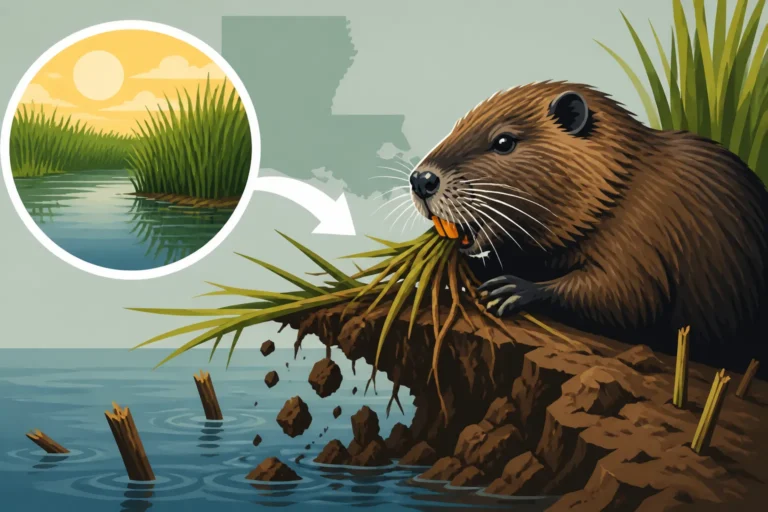
Nutria destruction of plant roots in Louisiana marshes creates barren mudflats, causing severe coastal erosion and permanent land loss.
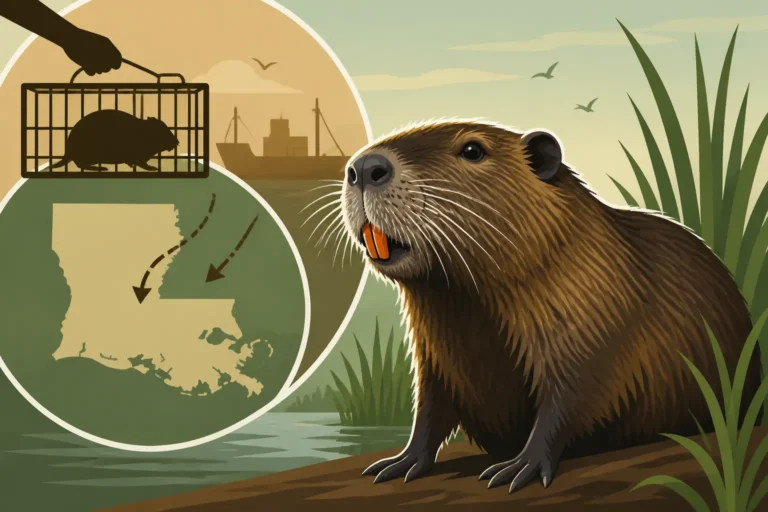
Nutria importation to Louisiana during the 1930s fur trade aimed to establish a commercial furbearing industry and boost the coastal economy.
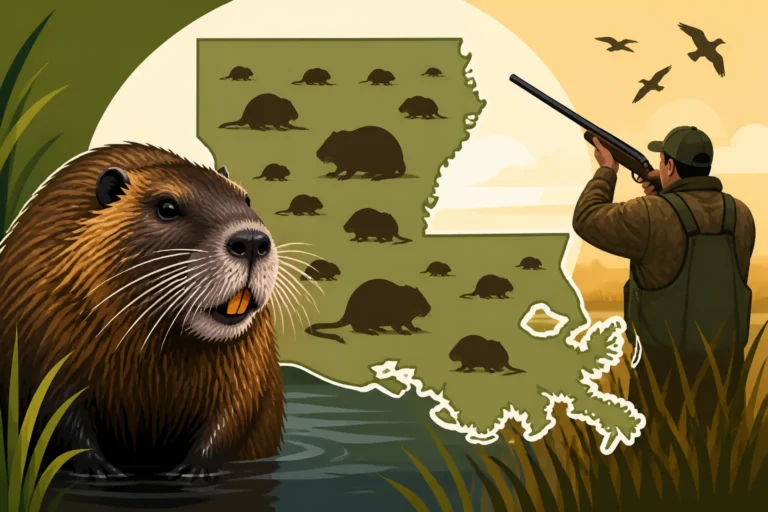
Louisiana nutria population estimates, tracking methods, and management efforts help explain the ongoing battle against invasive swamp rodents.
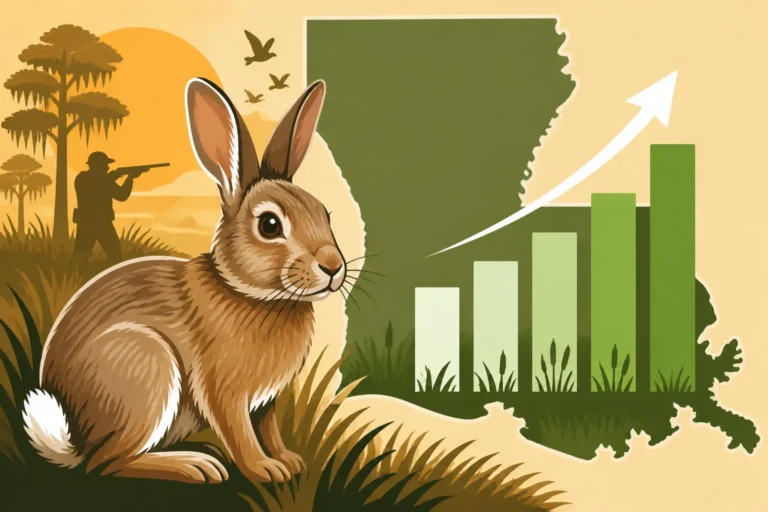
Louisiana cottontail rabbit populations fluctuate due to weather, food availability, predators, and changing local habitats.
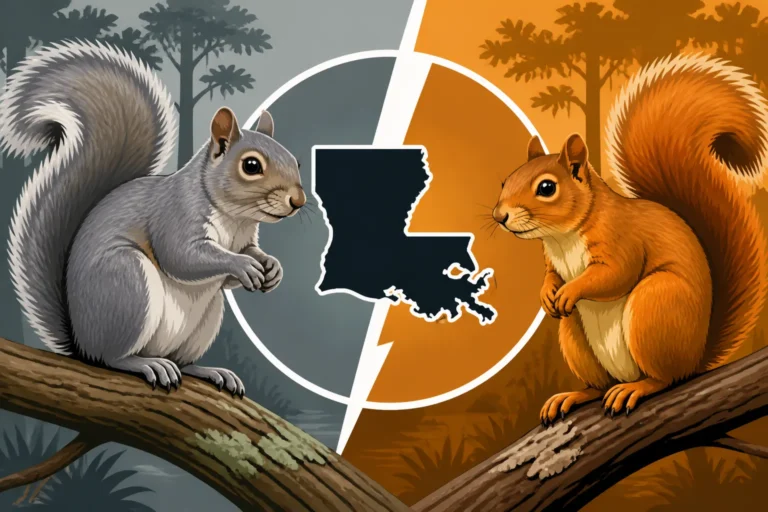
Gray and fox squirrels in Louisiana differ in size, weight, coloration, social behavior, and preferred woodland habitats.
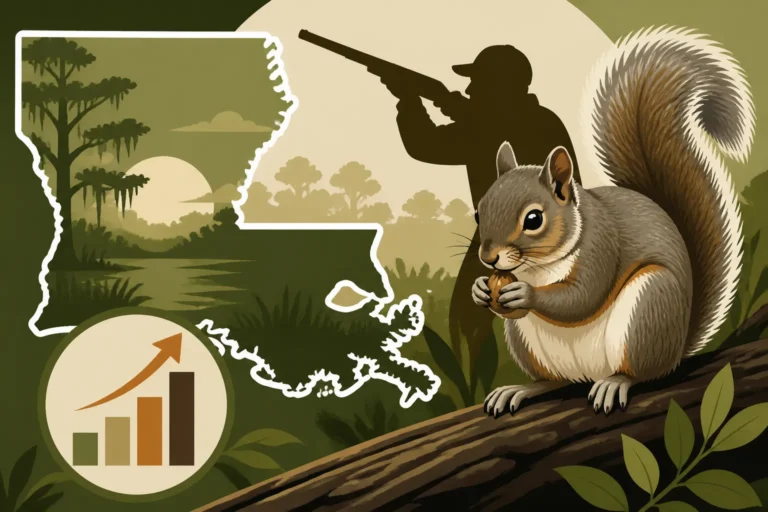
Louisiana squirrel harvest data, gathered through post-season hunter surveys by the department, estimates total statewide small game numbers.
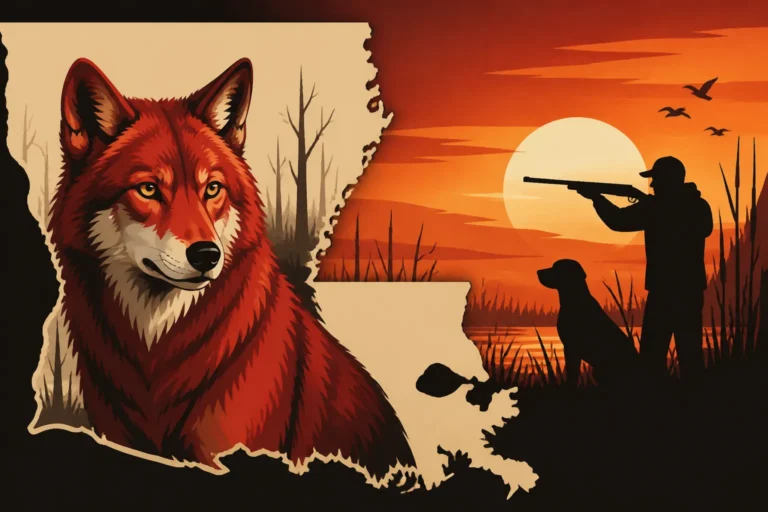
The historical disappearance of native red wolves from Louisiana explains habitat loss, human expansion, and coyote hybridization.
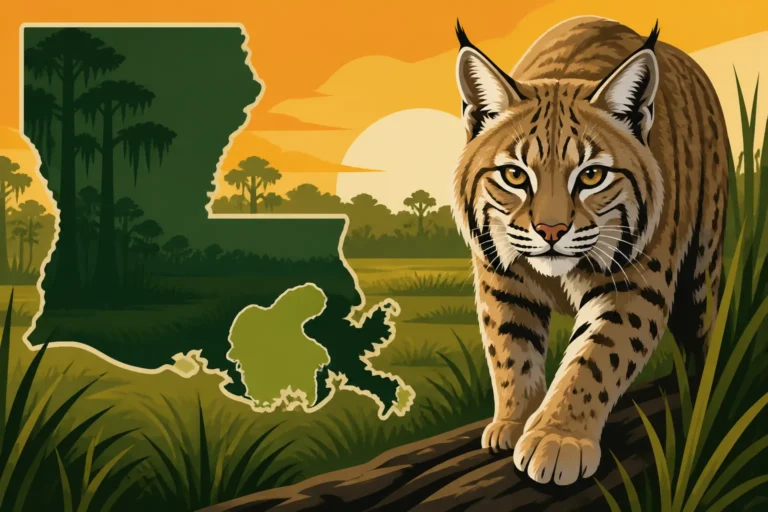
Louisiana bobcat populations are rebounding due to better habitats, abundant prey, and improved wildlife management practices.
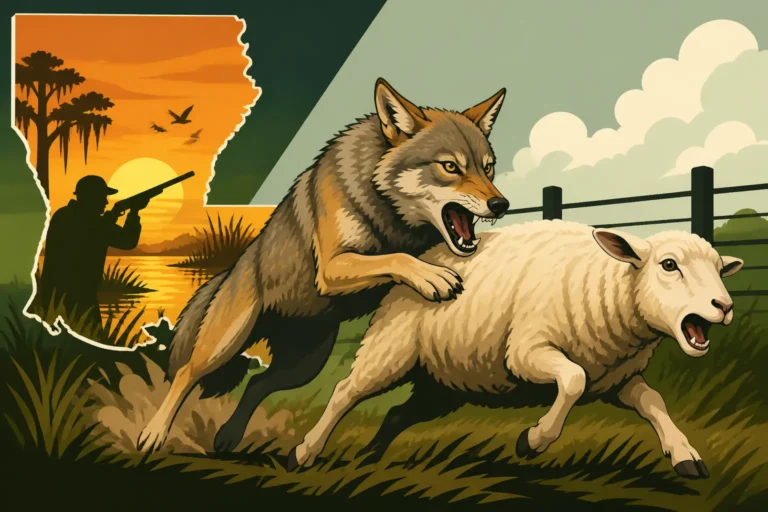
Louisiana coyote attacks on livestock threaten herds, leading farmers to identify predator behaviors and protect vulnerable farm animals.
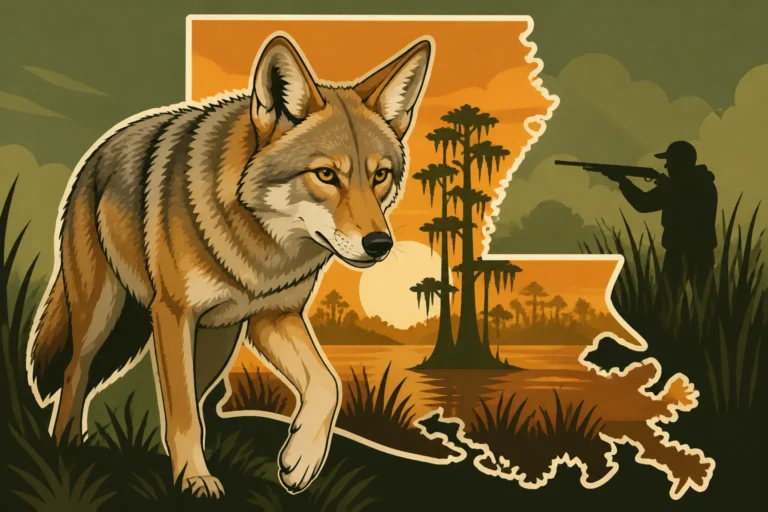
The historical journey of coyotes into Louisiana explains their gradual eastward migration and current ecological role today.