Louisiana Feral Swine Genetics and Origin
Louisiana feral swine origins and genetic traits explain their population growth and agricultural destruction across the state.
Know what you’re after.
Big game, small game, upland birds, and waterfowl — identification, behavior, rut and migration timing, and how each species moves through the season.
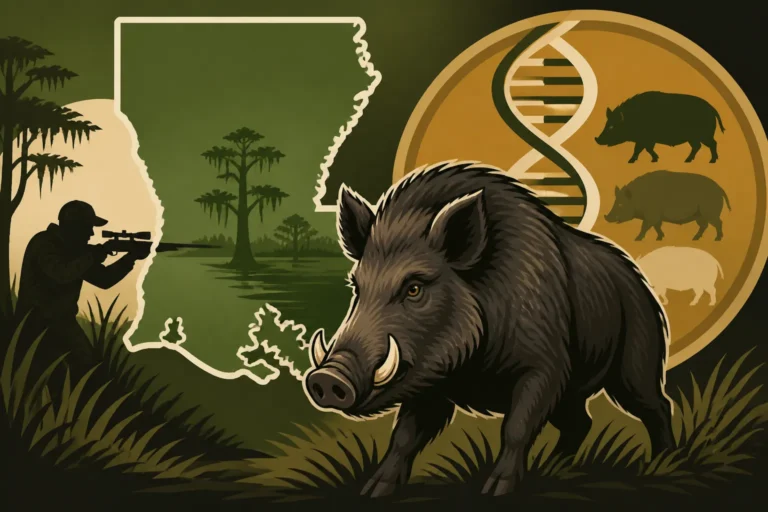
Louisiana feral swine origins and genetic traits explain their population growth and agricultural destruction across the state.
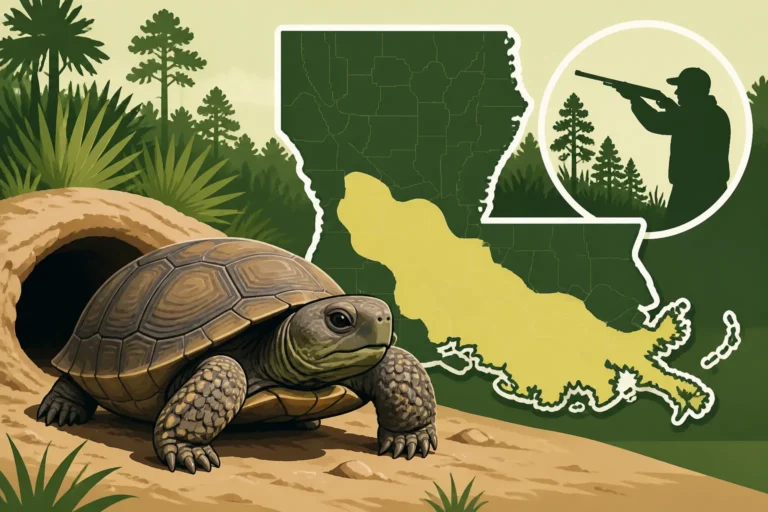
Louisiana gopher tortoise range details and habitat requirements, focusing on the Kisatchie National Forest and longleaf pine forests.
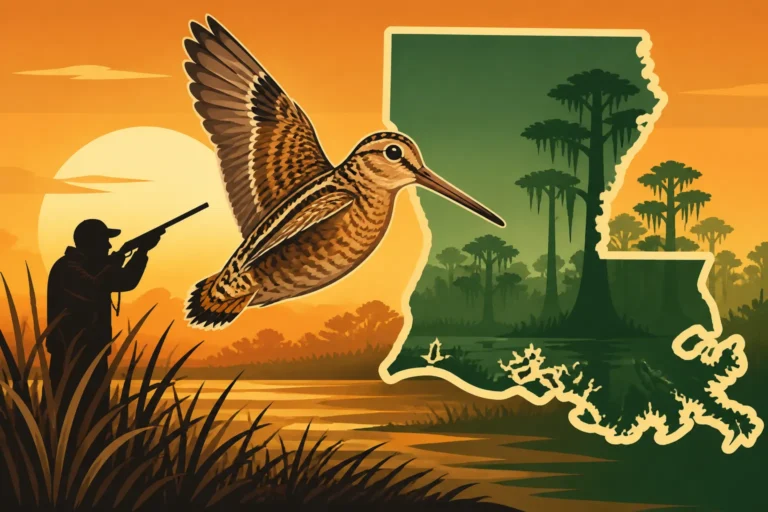
Louisiana provides wintering grounds for American woodcocks migrating south along the Mississippi Flyway from northern states.
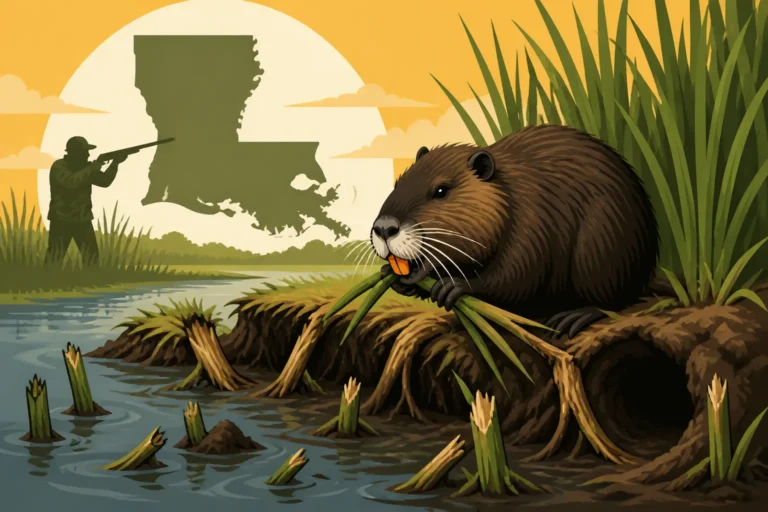
Nutria destruction of Louisiana coastal marshes involves invasive rodents eating plant roots, causing severe erosion and habitat loss.
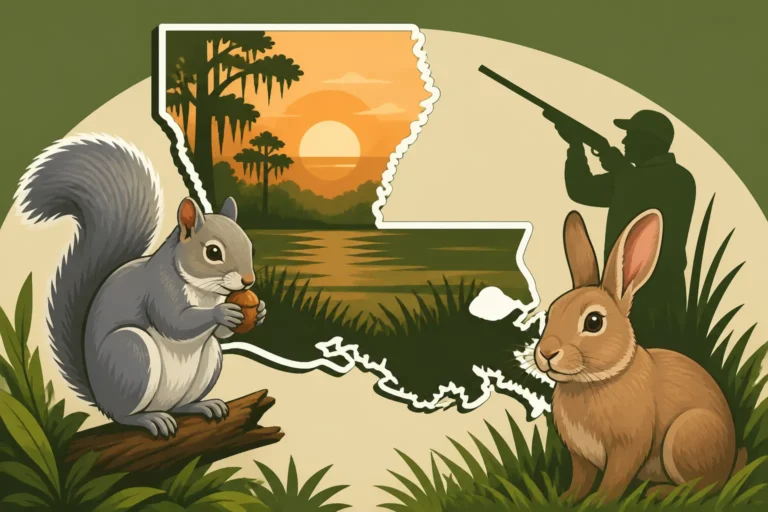
Louisiana squirrel populations, including gray and fox squirrels, rely heavily on hardwood and pine forest habitats for food.
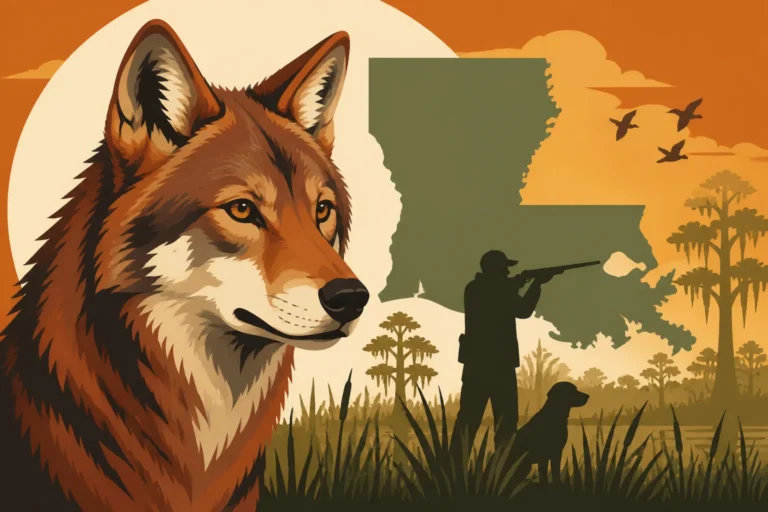
Red wolf history in Louisiana traces the native predator across early forests and swamps, detailing its historical presence and decline.
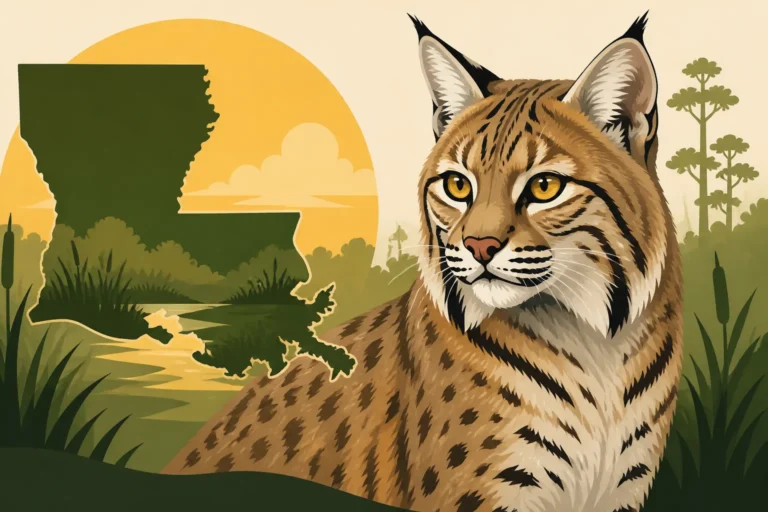
Louisiana bobcats are recovering through habitat recovery and regulated hunting, rebounding after past population declines from predator control.
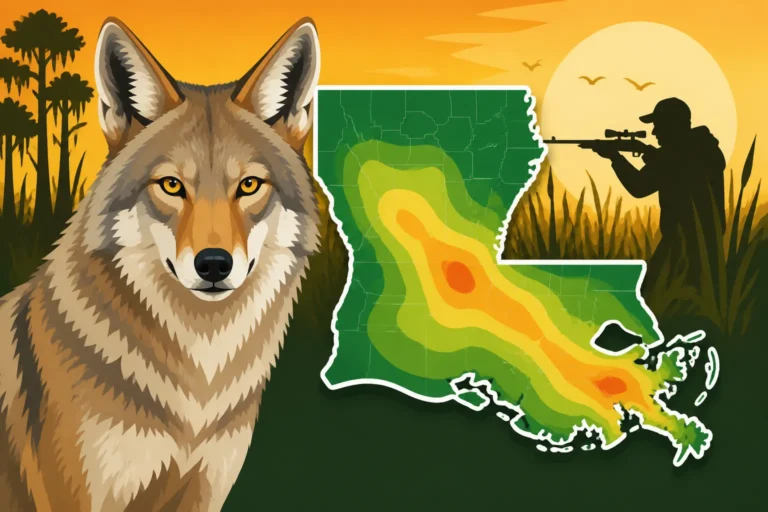
Louisiana coyote range and density across all 64 parishes explains population spread in agricultural and timber habitats.
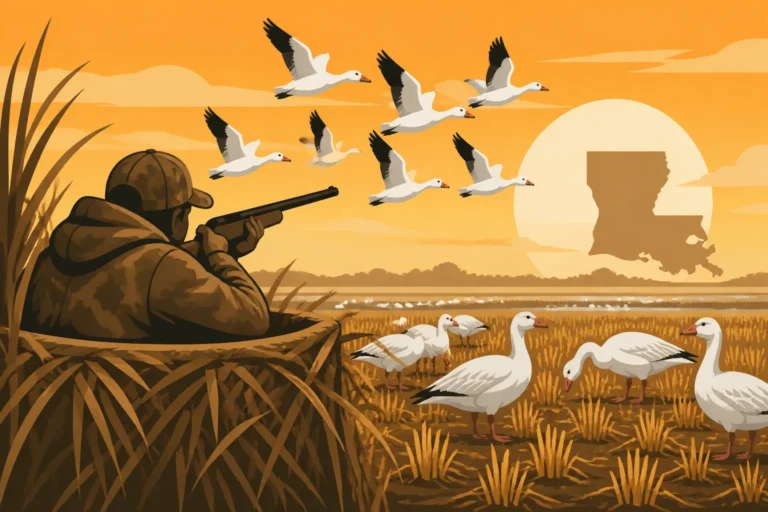
Snow geese hunting in Louisiana rice fields requires specific tactics and gear to target millions of wintering migratory birds.
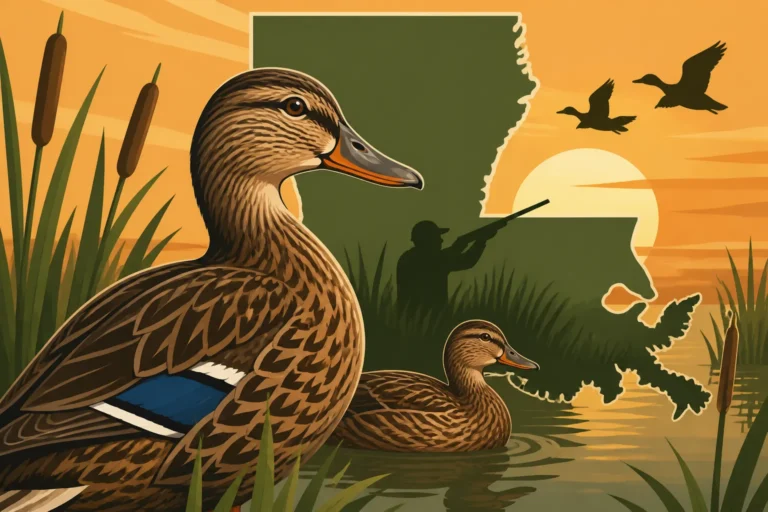
Louisiana mottled ducks are year-round resident waterfowl with unique plumage, cautious habits, and specific coastal marsh habitats.