Public Hunting Land in Louisiana
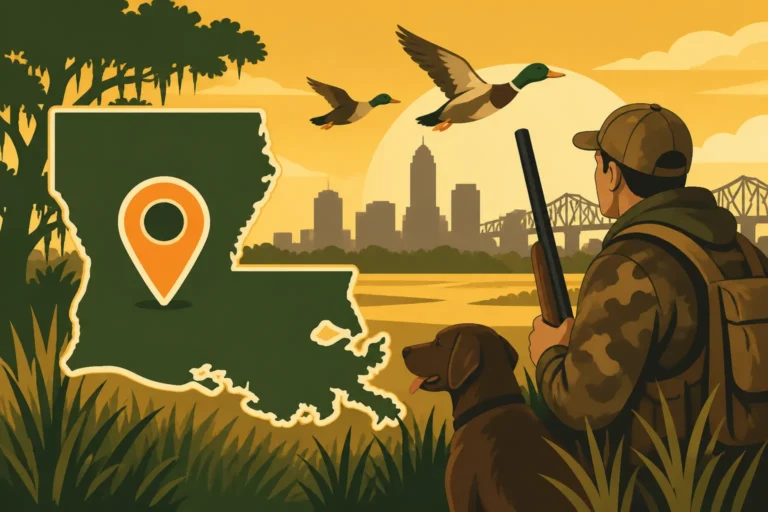
Finding a place to hunt in Louisiana can feel like an uphill battle sometimes, especially when you're not lucky enough to have access to private land or a hunting club. Many of us grow up hearing about vast tracts of family property or exclusive leases, and it can leave you wondering if there’s any ground left for the average hunter. But don't despair! Louisiana actually boasts a significant amount of public hunting land, offering incredible opportunities for deer, turkey, small game, and waterfowl if you know where to look and how to navigate the system. This comprehensive guide is here to empower you with the knowledge, tools, and strategies to confidently explore and hunt Louisiana's diverse public lands.
The Unique Challenge of Public Land Hunting in Louisiana
Louisiana is a state defined by its rich natural resources, but when it comes to hunting, the landscape is heavily skewed towards private ownership. This reality often presents a challenge for hunters seeking accessible ground. It's a frustration many of us share, wondering where we can go without paying hefty lease fees or getting an invitation to a private camp.
Understanding Louisiana's Land Ownership Landscape
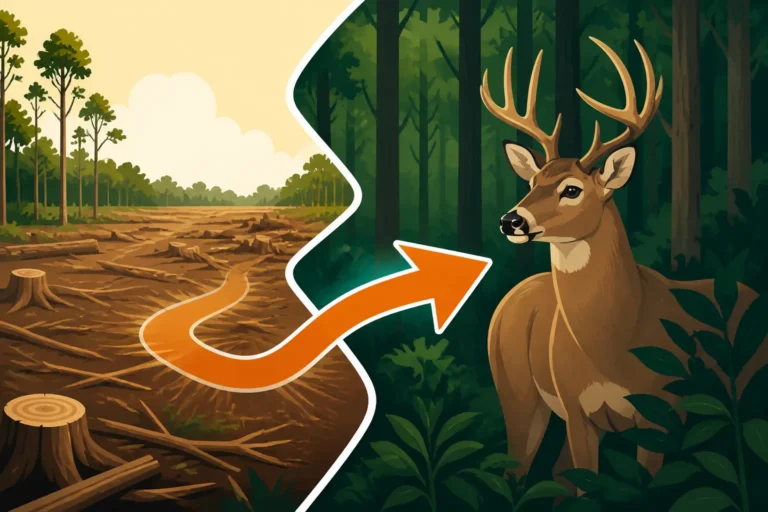
Let's be real: Louisiana is a mosaic of private property. From sprawling timber company holdings to family farms and inherited woodlands, the vast majority of huntable acreage is not open to the public without permission. This historical pattern of land ownership, driven by agriculture, timber, and oil and gas industries, means that public lands often exist as islands in a sea of private ground. For generations, hunting has been a deeply ingrained cultural tradition here, often passed down through family leases or club memberships. If you didn't have those connections, finding a spot could feel impossible. We've all seen those "Posted: No Trespassing" signs proliferate, and it can be disheartening when you're just looking for a piece of public dirt to hang a stand.
This fragmentation of public land parcels means that many of our Wildlife Management Areas (WMAs) or National Wildlife Refuges (NWRs) aren't always contiguous vast expanses. They might be broken up by private tracts, waterways, or roads, requiring a different approach to scouting and access than you might find in some Western states. You can't just expect endless miles of unbroken public territory; instead, you learn to appreciate and maximize every acre of open ground you can find.
Overcoming the Perception of "No Public Land"
It's a common refrain you hear at the gas station or around the campfire: "There's no public land left in Louisiana." While it's true that we don't have the same proportion of public land as, say, Montana or Colorado, this perception can be misleading and downright discouraging. It’s important to understand that while it might not be as abundant as some wish, there is significant public ground available. The key isn't to look for endless wilderness, but to appreciate the specific, often highly productive, pockets that exist.
The reality is, what Louisiana lacks in sheer volume of public land, it often makes up for in habitat diversity and game density within those managed areas. Our WMAs, National Forests, and National Wildlife Refuges are specifically managed for wildlife and public recreation, often resulting in incredibly healthy game populations. The challenge is often in identifying these areas, understanding their unique regulations, and then having the grit to scout them effectively. By shifting our mindset from "no public land" to "how can I maximize the public land I have access to," a whole new world of hunting opportunities opens up. You just have to be willing to put in the homework and the legwork, because the rewards are absolutely there for those who do.
Navigating Louisiana's Major Public Hunting Systems
Louisiana offers a variety of public land types, each with its own management style, habitat, and regulations. Understanding these different systems is crucial for any public land hunter looking to maximize their opportunities. It's not a one-size-fits-all approach; what works in the piney hills won't necessarily translate to the coastal marsh or the deep cypress swamps.
Wildlife Management Areas (WMAs): Your Go-To Resource
Wildlife Management Areas, or WMAs, are arguably the bread and butter of Louisiana's public hunting opportunities. These are lands specifically acquired and managed by the Louisiana Department of Wildlife and Fisheries (LDWF) to conserve wildlife and provide recreational access, including hunting and fishing. We're talking about a vast network of properties spread across the state, from the northern pine forests to the sprawling coastal wetlands.
The sheer number and diversity of WMAs mean there's usually one within a reasonable drive, no matter where you are in Louisiana. You'll find everything from bottomland hardwoods along major rivers like the Pearl River WMA, offering excellent deer and small game hunting, to upland pine plantations in central Louisiana. Each WMA is a unique ecosystem, and the LDWF actively manages these areas through timber harvests, prescribed burns, food plots, and water level control to optimize habitat for game species. Places like Richard K. Yancey Wildlife Management Area are legendary for their deer hunting, while others might be waterfowl meccas. To hunt on a WMA, you'll generally need to purchase a WMA Access Permit in addition to your regular hunting license and tags. This permit helps fund the management efforts that make these areas so productive. Always check the specific WMA regulations for permit requirements, any check-in procedures, and season dates, as they can differ significantly from statewide private land seasons. Familiarizing yourself with the Louisiana WMA Permit Requirement is a crucial first step.
Kisatchie National Forest: Upland Opportunities
If you're looking for a different flavor of public land hunting in Louisiana, Kisatchie National Forest is your answer. Unlike the often flat, swampy, or agricultural landscapes that define much of the state, Kisatchie offers rolling pine hills, deep ravines, and hardwood bottoms. It's a refreshing change for hunters accustomed to dodging cypress knees or trudging through marsh muck. This vast national forest, primarily located in central and western Louisiana, provides expansive opportunities for deer, turkey, hogs, and small game.
Kisatchie National Forest Hunting involves navigating a different kind of terrain and management structure than a WMA. While under federal management, LDWF sets the hunting seasons and regulations. Kisatchie is divided into several ranger districts, each with slightly different habitat characteristics and access points. For instance, the Evangeline and Caney Ranger Districts might offer more mature timber and rolling terrain, while others could have younger pine plantations. Within Kisatchie, you'll also find designated Wilderness Areas, such as the Kisatchie Hills Wilderness Boundaries, where mechanized travel is restricted, offering a truly primitive hunting experience for those willing to put in the effort. Hunting in Kisatchie often means covering a lot of ground, utilizing ridge lines, and adapting to the piney woods environment. It’s a completely different challenge and immensely rewarding.
National Wildlife Refuges (NWRs): Specialized Hunting
National Wildlife Refuges (NWRs) provide another layer of public hunting opportunities in Louisiana, though they often come with more stringent regulations and often require special permits or participation in quota hunts. These refuges are managed by the U.S. Fish and Wildlife Service, with a primary mission to conserve wildlife and habitat, but many also offer limited recreational opportunities like hunting. The hunting seasons and methods on NWRs are often tailored to specific conservation goals for the refuge's resident and migratory wildlife populations.
Many NWRs are waterfowl havens, strategically located along the Mississippi Flyway. Refuges like Cameron Prairie or Sabine NWR are renowned for duck and goose hunting, often through a lottery draw system for blinds or designated areas. However, other refuges, particularly in the northern and central parts of the state, offer excellent opportunities for deer, feral hogs, and even turkey. For example, Tensas River National Wildlife Refuge Hunting is known for its excellent deer herd in the rich bottomland hardwoods of northeast Louisiana, though it falls within a CWD management zone, so hunters must be aware of special rules. Similarly, Catahoula National Wildlife Refuge Hunting provides opportunities for deer, often through quota hunts that require an application. It's absolutely critical to research the specific refuge you plan to hunt, as their rules can be complex and change annually. You'll often find specific application periods, bag limits, weapon restrictions, and even specific hunting days that differ dramatically from state or WMA regulations.
Essential Tools for Finding and Accessing Public Land
Gone are the days when a paper map and a compass were your only scouting tools. While those are still invaluable for understanding the landscape, modern technology has revolutionized how we find, access, and navigate public hunting land in Louisiana. These tools are indispensable for any hunter wanting to make the most of limited public opportunities.
The Power of Digital Mapping Applications
If you're not using a digital mapping application on your phone or GPS device, you're missing out on a game-changer for public land hunting. Applications like onX Hunt and GoHunt have transformed how hunters identify property lines, navigate unfamiliar terrain, and plan their movements. These tools utilize GPS technology and comprehensive land ownership data to overlay public and private land boundaries directly onto detailed satellite imagery or topographic maps.
Imagine this scenario: you're driving down a country road, and you spot what looks like prime hunting habitat. With onX Hunt open on your phone, you can instantly see if that promising patch of woods is public land, or if it's part of a private lease. No more guessing, no more unintentional trespassing. These apps also allow you to mark waypoints for potential stand locations, scouting finds like rub lines or scrape lines, or even your vehicle's parking spot. Their offline map capabilities are especially critical in remote Louisiana areas where cell service is often nonexistent. Before you head out, simply download the map layers for your target area, and you'll have full functionality even without a signal. This precision in knowing exactly where you stand, literally, can build immense confidence and drastically improve your efficiency when Scouting With the LDWF App or other sources.
LDWF's Official Resources
While third-party apps are fantastic for navigation, the Louisiana Department of Wildlife and Fisheries (LDWF) remains your primary and most authoritative source for public land information, regulations, and season dates. Their website is a treasure trove of maps, pamphlets, news releases, and official proclamations that directly govern hunting on WMAs, Kisatchie National Forest, and even provide guidance for National Wildlife Refuges.
The LDWF website offers downloadable maps for every WMA, often showing access roads, boundaries, and specific areas where certain activities might be restricted. They also publish annual hunting digests that consolidate all seasons, bag limits, and specific rules for each hunting area. It's not enough to just look at a map; you absolutely must read the accompanying regulations for your chosen area. The LDWF app complements their website, allowing hunters to view regulations, check-in for quota hunts, and even report harvests directly from their mobile device. The best strategy is to cross-reference the detailed boundary information from an app like onX Hunt with the official LDWF maps and regulations. This ensures you're not only on public land, but you're also hunting legally and ethically according to the most current rules. Remember, ignorance of the law is no excuse, and LDWF resources are the final word.
Reading Aerial Photos and Topo Maps
Even with the most advanced digital tools, developing the skill of interpreting aerial photographs and topographic maps is absolutely essential for understanding a hunting area and making informed decisions. Digital maps like those found on GoHunt often incorporate both, but knowing what you're looking at is key. Aerial photos give you a bird's-eye view, showing vegetation types, clear-cuts, water features like sloughs and bayous, and logging roads. Topo maps reveal the contours of the land – hills, valleys, drainage patterns – which are incredibly important for predicting deer movement, understanding wind currents, and identifying natural funnels.
For example, when Reading Aerial Photos for Central Louisiana Deer, you might spot a subtle ridge line leading into a swampy bottom, or a patch of thick briar regrowth next to a mature pine stand. These are potential bedding areas, travel corridors, or pinch points that might not be obvious on the ground without hours of trudging. By understanding the flow of the land from a topo map, you can anticipate where deer will likely travel, especially in areas with slight elevation changes, or where water bodies force game into predictable patterns. Combining the visual information from aerial photos with the elevation data from topo maps allows you to identify key terrain features that concentrate game, predict their movements based on historical patterns, and choose stand locations that maximize your chances. It's about seeing the "big picture" of the landscape, not just a dot representing your current position.
Understanding Public Land Regulations and Etiquette
Hunting on public land comes with a unique set of responsibilities and a different kind of camaraderie. Unlike private leases where you might have more leeway, public lands demand strict adherence to regulations and a high degree of respect for the land, wildlife, and fellow hunters. Ignorance of the rules is never an excuse, and understanding them is paramount for a successful and legal hunt.
General Rules and Specific WMA Regulations
While Louisiana has overarching statewide hunting regulations that cover license requirements, bag limits, and season structures, public lands—especially WMAs—often have their own distinct rule sets. These WMA-specific regulations are designed to manage hunter pressure, protect sensitive habitats, and ensure sustainable harvests. You can't just assume WMA dates and limits mirror private land. For instance, a WMA might open later for firearms season, have different either-sex days, or even restrict weapon types to specific periods.
Beyond game-specific rules, there are general public land ethics that apply everywhere. Blaze orange requirements during gun seasons are universal for safety; make sure you know when and where to wear it, as detailed in Louisiana Blaze Requirement During Gun Season. Littering is a definite no-go – pack out everything you pack in. Alcohol is often prohibited. When it comes to equipment, WMAs often have specific rules regarding tree stands. Many WMAs require stands to be portable and removed daily, or only allow specific types of stands. Leaving stands up year-round or constructing permanent blinds is generally forbidden. You absolutely must consult the specific WMA regulations pamphlet for the area you intend to hunt every single year, as rules can and do change. These pamphlets are available on the LDWF website and often at WMA kiosks. Failure to follow these specific rules can lead to citations, fines, or even loss of hunting privileges. Understanding Treestand Rules on Louisiana Public Land is just one example of critical information you need.
Respecting Boundaries and Private Land Adjacent to Public
One of the biggest anxieties for public land hunters, particularly in a state like Louisiana with its fragmented public parcels, is inadvertently crossing onto private property. This is where those digital mapping applications like onX Hunt truly shine. They allow you to clearly see the property lines, helping you stay on the correct side of the fence. However, even with these tools, exercising caution and respecting boundaries is paramount.
Louisiana's trespass laws are clear: you need permission to enter private land. This applies even if you're tracking a wounded animal. While ethically, you want to recover game, legally, you must obtain landowner permission before pursuing a deer that crosses a property line. This is explicitly covered by rules such as Retrieving Game From Private Land in Louisiana. Never assume that just because an area looks unkempt or unfenced, it's public. Always verify. Beyond legal implications, respecting private land is a matter of courtesy and ensures a positive relationship between hunters and landowners, which benefits everyone in the long run. Parking is another common point of friction. Always ensure your vehicle is completely off private property and not blocking any access roads, gates, or driveways, even if it's just for a few minutes. Checking Finding Louisiana Property Lines before you ever set foot in the woods is your best defense against accidental trespassing.
Managing Hunter Pressure and Finding Solitude
Let's face it: public land, especially in Louisiana, can get crowded, particularly on opening weekends and during prime times. The frustration of showing up to your spot only to find another truck already parked there, or hearing shots from multiple directions, is a common experience. This pressure is a reality, but it doesn't mean you can't find quality hunting experiences; it just means you need a strategy. The Opening Weekend Crowds on Louisiana Public Land are undeniable, but they also highlight opportunities.
One of the most effective ways to escape the crowds is simply to walk farther. Many hunters are reluctant to venture deep into the woods, sticking close to main roads and easily accessible trails. By pushing past these readily accessible zones—often just a half-mile or even a quarter-mile—you can find pockets of unpressured game. These areas often require more effort, navigating tougher terrain, crossing sloughs, or busting through thick brush, but the reward is often unpressured deer or turkeys. Another strategy is to target less popular WMAs or hunt during weekdays when pressure naturally dips. Off-season scouting, well before opening day, can reveal remote spots that other hunters overlook. Look for areas with difficult access, like those surrounded by water, or those that require a long hike. These places are often ignored by the casual hunter and can hold mature animals that have learned to avoid easy access points. Developing a good scouting regimen, and being willing to exert a little more effort, can turn a crowded public land experience into a solitary, successful hunt. This dedication to Finding Ground That Sees Fewer Hunters is often the difference maker.
Regional Public Land Opportunities in Louisiana
Louisiana is a geographically diverse state, and its public hunting lands reflect that. From dense swamps to sprawling coastal marshes and rolling pine forests, each region offers unique hunting experiences, challenges, and target species. Understanding these regional differences is key to planning a successful public land hunt.
The Vast Atchafalaya Basin
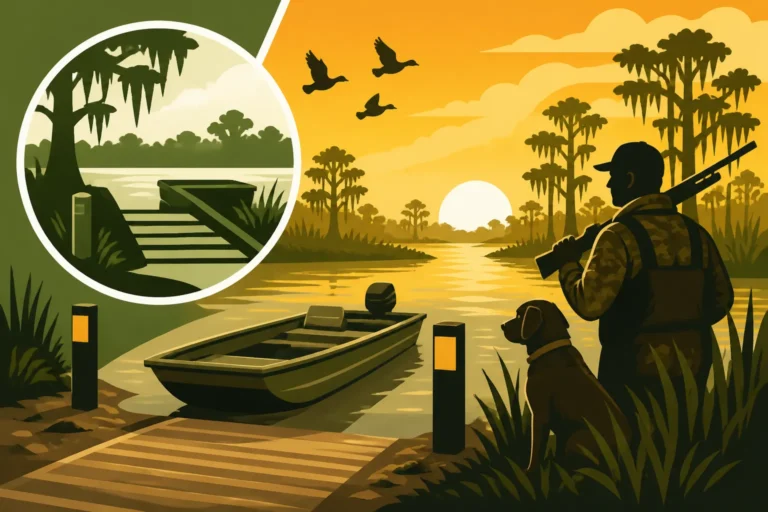
The Atchafalaya Basin is an iconic Louisiana landscape and a true marvel of nature. This immense swamp, floodway, and delta system covers hundreds of thousands of acres and offers some of the most challenging but ultimately rewarding public land hunting in the state. If you're looking for a hunting experience that tests your woodsmanship and grit, Hunting the Atchafalaya Basin is it. Access is often entirely by boat, requiring intimate knowledge of the waterways, bayous, and sloughs.
Deer hunting in the Basin is legendary, with bucks growing large in the nutrient-rich environment, though they are notoriously elusive. Hunters must contend with fluctuating water levels, thick cover, mosquitoes, and navigating a labyrinthine landscape. WMAs like the Attakapas WMA and parts of Sherburne WMA offer access into the Basin. Beyond deer, the Basin provides excellent opportunities for feral hogs, which thrive in this environment, as well as squirrel and other small game. Waterfowl hunting can also be phenomenal in specific areas, especially for wood ducks. Success in the Basin often hinges on being self-sufficient, having reliable boat navigation skills, and understanding the subtle movements of water-wise deer. Tactics for Hunting Atchafalaya Basin Swamp Deer usually involve still-hunting or setting up over subtle ridges or high ground that become islands during high water. It's a wilderness experience unlike any other in Louisiana.
Coastal Marsh Hunting
For waterfowl enthusiasts, Louisiana's coastal marsh offers some of the best duck and goose hunting opportunities on the continent. The vast expanses of brackish and saltwater marsh along the Gulf Coast are wintering grounds for millions of migratory birds along the Mississippi Flyway. While much of this land is privately owned or leased, several major public areas provide exceptional access. Hunting Louisiana's Coastal Marsh Parishes means preparing for a hunt dominated by water, tides, and specialized equipment.
WMAs like Salvador, Pass-a-Loutre, and Biloxi Marsh, as well as portions of National Wildlife Refuges such as Sabine NWR and Cameron Prairie NWR, offer incredible waterfowl hunting. These areas often require boat access, specialized decoys, and a keen understanding of bird movements influenced by tides and weather. Species like gadwall, teal, wigeon, and pintail are common, alongside the iconic mallard. Hunting the marsh is physically demanding, often involving retrieving birds from water, navigating shallow channels, and setting up in layout blinds or natural cover. Beyond ducks, some areas offer opportunities for specklebelly and snow geese in agricultural fields bordering the marsh. Hunting Cameron Parish Marsh Ducks is a prime example of the incredible, yet challenging, opportunities that await the dedicated waterfowler in this unique ecosystem. Understanding tide charts, knowing your boat, and having a plan for decoys and blind placement are paramount to success.
North Louisiana Piney Hills and River Bottoms
Moving northward, Louisiana's landscape transforms into rolling pine hills and rich river bottomlands, offering a stark contrast to the southern swamps and marshes. This region, particularly the area covered by Kisatchie National Forest and various WMAs, provides excellent hunting for deer, turkey, and small game. Hunting North Louisiana's Piney Hills involves different strategies and a different understanding of habitat.
In the piney hills, you'll find a mix of mature timber and younger pine plantations. Deer often prefer the dense cover of young pines for bedding and browse, while mature hardwoods provide acorn crops. Turkey populations are also strong in these areas, with birds often roosting along creek bottoms and feeding in open pine stands or field edges. WMAs like Jackson-Bienville and Maurepas provide diverse habitat in the northern parishes. Tactics here often involve still-hunting ridges, setting up along natural funnels between different timber types, or hunting food plots where available. Scouting for turkey roosts along creek drainages in spring is a common approach. The river bottoms, particularly those along the Ouachita, Red, and Mississippi Rivers, offer highly fertile ground, growing impressive deer. These areas, like the Tensas River basin, present a blend of swamps and agricultural edges. It’s a dynamic landscape where hunters can adapt their strategies from open country to dense forest, providing a varied and engaging hunting experience.
Planning Your Public Land Hunt: Logistics and Gear
A successful public land hunt in Louisiana isn't just about knowing where to go; it's about meticulous planning, preparation, and having the right gear to contend with the state's diverse and often challenging environments. Louisiana weather, terrain, and insects can be formidable adversaries if you're not prepared.
Scouting and Preparation: More Than Just Looking at Maps
While digital maps and official LDWF resources provide an invaluable starting point, nothing—and I mean nothing—replaces boots-on-the-ground scouting. You can pour over aerial photos for hours, identifying potential pinch points or bedding areas, but until you walk that ground, you're only seeing half the picture. Actual physical scouting allows you to confirm what you see on a map, but also to discover details maps can't convey: faint deer trails, fresh rubs and scrapes, specific acorn trees, or subtle changes in elevation that funnel deer.
Consider an off-season scouting trip to your target WMA. This allows you to walk silently, without the pressure of hunting, absorbing the nuances of the terrain. Look for old sign, but also anticipate where deer might move during the season. Where are the dominant food sources? Where is the thickest cover for bedding? What are the main travel routes between them? Scouting Louisiana Public Land Before Season is not just a suggestion; it's a critical component of consistently finding success. Beyond physical scouting, preparation also includes mental and physical readiness. Practice your shooting, whether with a bow or firearm, from various positions you might encounter in the woods. Ensure your calls are working and you're proficient in using them. Knowing you've done the work beforehand builds confidence, and that confidence translates into better decision-making in the field.
Essential Gear for Louisiana Public Land
Louisiana's diverse public lands demand a versatile and robust gear list. What works for a high-country elk hunt won't cut it in the humid, buggy swamps of the Atchafalaya. Your gear needs to stand up to heat, humidity, rain, mud, and a persistent array of biting insects.
Here’s a breakdown of essential gear categories to consider:
| Category | Essential Items | Notes |
|---|---|---|
| Navigation | GPS device or smartphone with mapping app (onX Hunt) | Pre-downloaded offline maps are crucial. Extra battery/power bank. |
| Compass, paper map | Backup for electronic failure. | |
| Personal Safety | First-aid kit (comprehensive) | Snakebite kit, blister treatment, pain relievers, bandages. |
| Whistle, headlamp/flashlight | For emergencies and navigating in the dark. | |
| Water filter/purifier or ample water supply | Essential for hydration in hot weather. | |
| Fire starter, emergency blanket | For unexpected overnight stays. | |
| Clothing & Footwear | Moisture-wicking base layers, light outer layers | Layer for changing temperatures, quick-drying materials. |
| Waterproof rain gear | Absolutely non-negotiable in Louisiana. | |
| Snake boots or gaiters | Highly recommended for swampy or thick areas. | |
| Comfortable, waterproof hunting boots | For upland hunts. | |
| Chest waders or hip boots | Essential for swamp/marsh access. | |
| Blaze orange vest/hat | Required during firearms season. | |
| Bug Protection | Repellent (DEET recommended), Thermacell | Mosquitoes and ticks are a constant threat. |
| Head net (optional) | For extreme bug pressure. | |
| Hunting Specific | Weapon of choice (bow, rifle, shotgun) | Ensure legal for season and area. |
| Ammunition/arrows | Ample supply. | |
| Binoculars, rangefinder | For scouting and shot placement. | |
| Game bags, drag rope | For field dressing and extraction. | |
| Tree stand/ground blind (check WMA rules) | Ensure it meets regulations; often must be portable. | |
| Calls (deer, turkey, duck, hog) | Relevant to your target species. | |
| Other | Knife/multi-tool | Indispensable for various tasks. |
| Game processing gloves | For hygiene during field dressing. | |
| Cooler with ice | For preserving game meat, especially in warm weather. |
This isn't an exhaustive list, but it highlights the distinct needs of a Louisiana public land hunter. Always adapt your gear to the specific area and species you're pursuing.
Safety and Contingency Planning
Louisiana's wild places are beautiful, but they can also be dangerous if you're not prepared for contingencies. Safety should always be your number one priority, especially when venturing deep into unfamiliar public lands.
Before you ever step foot on public ground, make sure someone knows exactly where you're going and when you expect to return. Share your specific hunting area, intended access points, and any potential routes you plan to take. This "leave a plan" strategy is crucial for search and rescue efforts if you don't return on time. Carrying a fully charged cell phone (with a power bank!) is vital, even if you anticipate no service, for emergency calls from unexpected areas. A loud whistle can attract attention far more effectively than shouting if you get lost or need help.
Beyond general safety, consider the specific environmental hazards of Louisiana. Snakes are prevalent in many areas, particularly water moccasins in swamps and timber rattlesnakes in uplands. Wearing snake boots or gaiters is a wise precaution. Insect-borne diseases are also a concern, so consistent use of insect repellent is a must. Furthermore, Louisiana's weather can be unpredictable. Rapid thunderstorms, sudden cold fronts, or unexpected heat waves can change conditions dramatically. Always check the forecast, pack rain gear, and understand the potential for flooding, especially in low-lying WMAs or the Basin. Knowing how to react to rising water or a sudden severe storm can literally be a lifesaver. Being prepared for the worst allows you to enjoy the best of Louisiana's public hunting opportunities with peace of mind.
The Future of Public Land Hunting in Louisiana
Public hunting land in Louisiana is a precious resource, and its availability and quality are directly tied to ongoing conservation efforts and the active participation of hunters. Understanding these dynamics is essential for ensuring these opportunities continue for future generations.
Conservation Efforts and Hunter Contributions
It's easy to take public lands for granted, but their existence and continued viability are a direct result of dedicated conservation funding and active management. In Louisiana, as in most states, a significant portion of conservation work is funded by hunters. Your hunting license fees, WMA permits, and federal excise taxes on firearms, ammunition, and archery equipment (thanks to the Pittman-Robertson Act) directly contribute to land acquisition, habitat restoration, and wildlife research. Every dollar spent on these items helps maintain and expand the very public lands we love to hunt.
The LDWF and other agencies utilize these funds for critical projects: conducting prescribed burns to improve forest health and wildlife habitat, planting food plots to support deer and turkey populations, managing water levels in marsh WMAs for waterfowl, and acquiring new public acreage. Hunters are not just users of public land; they are primary financial contributors and active participants in its stewardship. Many hunters also volunteer for habitat improvement projects or participate in advisory committees, further cementing their role in conservation. Supporting organizations that advocate for public land access and wildlife habitat is another way to ensure the future of hunting in Louisiana.
Staying Informed About Changes
The world of hunting regulations and land management is not static; it's a dynamic environment that constantly adapts to new scientific data, environmental challenges, and legal shifts. This is especially true in Louisiana, where complex ecosystems and evolving wildlife populations—such as the spread of Chronic Wasting Disease (CWD)—necessitate regular updates to hunting rules.
It is absolutely crucial for public land hunters to stay informed. Regulations for WMAs, National Forests, and NWRs can change annually, sometimes even mid-season, based on biological surveys, weather events, or disease outbreaks. The recent establishment of Louisiana's Chronic Wasting Disease Zones is a prime example of how new information can lead to significant changes in carcass movement, testing requirements, and baiting rules. Always check the current year's hunting digest, the LDWF website, and specific WMA pamphlets before heading into the woods. Subscribing to LDWF email newsletters or following their social media channels can provide timely alerts about important changes. Don't rely on outdated information or hearsay from a friend; verify everything with official sources. Proactive awareness isn't just about avoiding violations; it's about being a responsible, ethical hunter who respects the wildlife and the rules designed to protect it for everyone.
Disclaimer
This article is for general informational purposes only and does not constitute professional advice. Laws, prices and regulations vary by location and change over time. Consult a qualified professional for guidance on your specific situation.