Reporting a Sick Animal in Louisiana
It's an unsettling feeling, isn't it? You're out in the woods, enjoying the peace and quiet, maybe scouting for deer sign or listening for gobblers, and then you see it—an animal that just doesn't look right. Maybe it's a deer stumbling aimlessly, a bird with ruffled feathers acting strangely, or a coyote with patches of missing fur. Your first instinct might be to help, to intervene, but knowing what to do, and more importantly, who to call, can be confusing and even a little scary. This guide is here to cut through that confusion, helping you understand why reporting a sick or injured animal in Louisiana is crucial, what to look for, and exactly how to make that vital report to the right authorities, ensuring both wildlife and human safety.
Why Reporting Sick Wildlife Matters for Louisiana's Ecosystems
Finding a sick animal in the wild isn't just a sad sight; it's often a critical clue to something larger happening within our state's diverse ecosystems. Your report isn't just about one animal; it's a piece of a much bigger puzzle that wildlife biologists are constantly trying to solve. Every observation contributes to the health and management of Louisiana’s incredible natural resources.
Early Detection of Disease Outbreaks
Imagine a wildfire—you want to put it out when it's just a spark, right? Wildlife diseases are much the same. Early detection is absolutely paramount. When you report an animal exhibiting signs of illness, you're potentially providing the first alert to a brewing health crisis in the animal population. Think about Chronic Wasting Disease (CWD) in deer, which has unfortunately been detected in Louisiana. A hunter reporting a deer that looks "off" could be the first indication of the disease in a new area. Diseases like Epizootic Hemorrhagic Disease (EHD) can also cause significant die-offs in deer, and while it's often seasonal, knowing where and when it's hitting helps biologists understand its spread and impact. Similarly, Avian Influenza in bird populations or mange in coyote and fox populations can spread rapidly, affecting not only those species but potentially others within the food chain. Your keen eye can be the first line of defense, helping the Louisiana Department of Wildlife and Fisheries (LDWF) monitor and respond to these threats before they become widespread epidemics. It's all part of the larger effort in Louisiana Wildlife Disease Monitoring.
Protecting Hunters and Public Health
Beyond the animals themselves, sick wildlife can pose risks to human health. Many diseases are zoonotic, meaning they can be transmitted from animals to humans. Rabies, for example, is a serious concern, and while not common in Louisiana's deer or duck populations, it can be carried by mammals like raccoons, foxes, and even bats. Handling a sick or dead animal without proper protection, or allowing pets to interact with it, can put you and your family at risk. By reporting, you're allowing trained professionals to assess the situation safely, mitigating potential public health threats. Furthermore, if you're a hunter, you want to be confident that the game you harvest is healthy and safe for consumption. Although LDWF has protocols for handling venison from CWD management zones, reporting a sick deer helps inform those strategies and keeps the broader hunting community safe. It's a testament to the interconnectedness of our health and the health of the wild places we cherish.
Data Collection for Wildlife Management
Every report you make contributes to a massive database that wildlife agencies like LDWF use to track trends, understand populations, and make informed management decisions. It’s not just about crisis management; it’s about long-term health. Knowing the prevalence of certain conditions or the geographical spread of illnesses helps biologists understand habitat health, population densities, and even the effects of environmental changes. For example, if there's a localized cluster of reports of emaciated rabbits, it might signal an issue with local food sources or a specific pathogen. This data is critical for understanding Louisiana Deer Population Estimate and the health of other game species. It informs hunting regulations, habitat restoration projects, and disease mitigation strategies. Your single report might seem small, but collectively, these observations paint a comprehensive picture that guides the stewards of Louisiana’s wildlife for generations to come.
What to Look For: Signs of Sickness in Louisiana Animals
Knowing what constitutes "sick" versus merely "unusual" is key. Wild animals are tough; they often hide illness until it's severe. But there are definite red flags that should prompt you to make a report. It’s not about diagnosing them, but recognizing when something is clearly amiss.
Behavioral Anomalies
Sometimes, an animal's behavior is the most telling sign that something is wrong. A healthy wild animal is typically wary of humans, quick to flee or remain hidden. When that natural caution is gone, it's a huge warning sign.
- Disorientation or Stumbling: An animal that's walking in circles, bumping into objects, or struggling to stand and move purposefully is in distress. This can be a sign of neurological issues or severe weakness. You might see a deer that can barely lift its head, or a bird that can't fly straight.
- Lethargy and Lack of Fear: If a deer lets you approach unusually close, a squirrel seems unresponsive, or a bird doesn't fly away when you get near, that's not normal. Extreme lethargy, where an animal is simply lying motionless and doesn't react to your presence, is a strong indicator of illness.
- Repetitive or Erratic Movements: Head pressing against objects, unusual vocalizations, or constant scratching can point to internal parasites, neurological damage, or severe irritation.
- Unusual Aggression: While any wild animal can be aggressive if cornered, an animal acting uncharacteristically aggressive without provocation—especially if combined with other odd behaviors—could be rabid or severely ill. Keep a very safe distance.
Physical Symptoms
Visual cues can also be stark indicators of a problem. These are the things you can see from a safe distance, often at a glance.
- Emaciation or Severe Weight Loss: An animal that looks extremely thin, with its ribs or hip bones prominent, is struggling to find food or is battling a severe internal issue. This is especially noticeable if other animals of the same species in the area appear healthy.
- Lesions, Sores, or Unusual Growths: Open wounds that aren't healing, pus-filled sores, or strange growths on the skin or around the mouth could indicate bacterial infections, tumors, or external parasites. Sometimes you'll see hair loss around these areas too.
- Discharge from Eyes, Nose, or Mouth: Excessive weeping from the eyes, foamy saliva around the mouth, or a constantly runny nose can signal respiratory infections, distemper, or other serious diseases.
- Severely Limping or Unable to Move: While animals can get injured, a severe, unhealing limp or an inability to put weight on a limb for an extended period, especially if it's not from a clear traumatic event, can be a symptom of a deeper illness affecting bones, joints, or overall strength.
- Poor Coat Condition: A coat that is dull, matted, excessively dirty, or has large patches of missing hair (alopecia) can be a sign of parasites like mange, nutritional deficiencies, or other chronic illnesses. For example, Mange in Louisiana Coyotes and Foxes can be quite visible.
Common Illnesses and Their Indicators
While you don't need to be a vet, understanding some of the more common diseases can help you know what to look for, especially in game species.
- Chronic Wasting Disease (CWD) in Deer: Deer with CWD might appear extremely emaciated ("wasting away"), have droopy ears, excessive salivation, difficulty swallowing, or exhibit behavioral changes like listlessness and a lack of fear of humans. It’s a progressive neurological disease. This is why vigilance in areas near Louisiana's Chronic Wasting Disease Zones is so important.
- Epizootic Hemorrhagic Disease (EHD) in Deer: EHD often presents as deer found dead near water sources. Live deer might appear weak, disoriented, or have swelling of the head, neck, or tongue. You might also notice sloughing hooves in deer that survive an EHD infection. EHD Die-Offs in Louisiana Deer are not uncommon in late summer and early fall.
- Avian Influenza (Bird Flu) in Waterfowl and Other Birds: Birds affected by avian influenza might show neurological signs like tremors, circling, lack of coordination, or holding their heads in unusual positions. They might also appear lethargic, have ruffled feathers, or have swelling around the head and eyes. Avian Influenza in Louisiana Birds is a concern, particularly with migratory waterfowl.
How to Report a Sick or Injured Animal in Louisiana
You’ve spotted an animal that looks sick. Now what? The process is straightforward, but it requires getting in touch with the right people and providing them with the necessary details. Don’t hesitate; a prompt report can make a real difference.
Contacting the Louisiana Department of Wildlife and Fisheries (LDWF)
The LDWF is the primary agency responsible for managing and conserving Louisiana's wildlife, including responding to reports of sick or diseased animals. They have biologists and enforcement agents trained to handle these situations safely and effectively.
- Phone Call: The most direct way to report is often by phone. Look up the non-emergency contact number for LDWF enforcement or your regional LDWF office. During business hours, you'll reach staff who can direct your report to the appropriate biologist or agent. For immediate concerns, especially if it involves a potentially dangerous animal or a large die-off, use their toll-free Enforcement Division hotline. Remember, while a sick deer is concerning, a sick, aggressive raccoon in a residential area might warrant a different urgency than a listless bird in the middle of a vast WMA.
- Online Reporting or Email: LDWF may have online forms or specific email addresses for submitting wildlife observations. Check their official website for these resources. This can be useful for non-urgent observations where you can include photos if you have them.
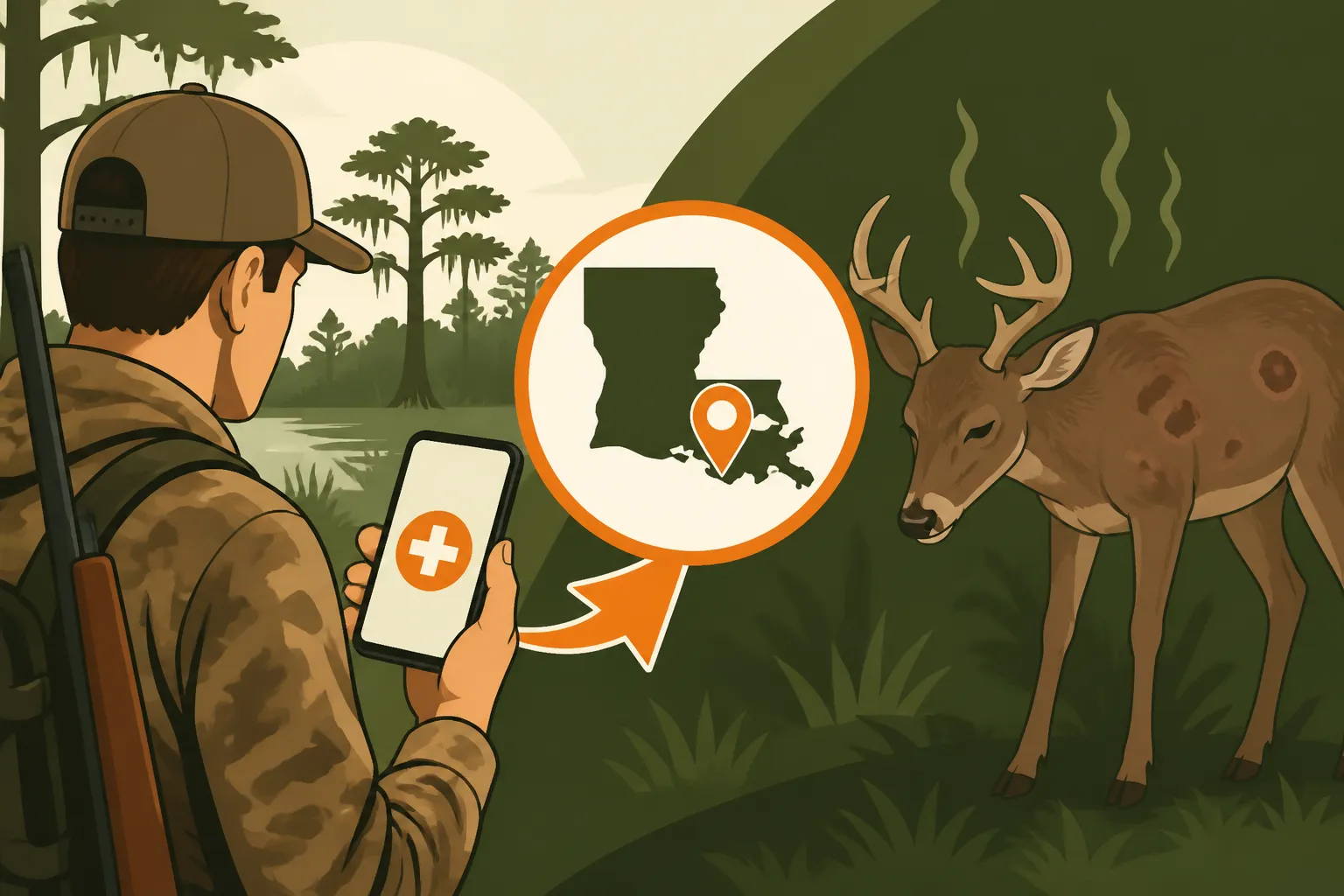
- LDWF App: Louisiana offers a handy app that hunters and outdoors enthusiasts can use for various purposes, including reporting harvests and potentially submitting observations. Using the Scouting With the LDWF App can be a convenient way to submit a report, especially if it allows for GPS tagging of the location. Always double-check if the app has a specific feature for reporting sick animals.
When you contact them, be prepared to give as much detail as possible.
When to Contact Other Authorities
While LDWF is your go-to for most wild game species and significant wildlife health concerns, there are specific situations where other authorities might also be relevant.
- Local Animal Control: For sick or injured animals in urban or suburban settings, especially domestic animals gone feral (like stray cats or dogs) or common nuisance animals (raccoons, opossums) that are clearly suffering and in close proximity to human dwellings, your local animal control agency might be the more appropriate first call. They are equipped to handle animal welfare issues within city limits and can respond to animals that pose an immediate risk to public safety in populated areas.
- Licensed Wildlife Rehabilitators: If you encounter an injured (not sick) animal—like a bird with a broken wing or a fawn hit by a car—and it's clearly not a game species or a dangerous predator, a licensed wildlife rehabilitator might be able to help. These individuals or organizations specialize in caring for injured or orphaned wildlife with the goal of releasing them back into the wild. However, for genuinely sick animals, particularly those exhibiting signs of disease, LDWF should still be your first contact, as rehabilitation facilities are often not equipped to handle infectious diseases that could spread to other animals in their care. Always call first; do not pick up the animal. Louisiana does have facilities that engage in Louisiana Wildlife Rehabilitation for Injured Game.
What Information to Provide
The more precise and detailed your report, the better equipped LDWF will be to respond. Think like a detective when you make your call or fill out a form.
- Precise Location: This is paramount. Provide exact GPS coordinates if you have them (many mapping apps, like GoHunt, can provide these) or detailed landmarks. "Near the big oak by the creek" is good, but "Approximately 1.5 miles north of the main entrance to Sherburne WMA, just off the third logging road past the powerline cut, near a cypress brake, coordinates 30.555, -91.222" is far better. LDWF personnel use these details to find the exact spot.
- Species of Animal: Clearly identify the animal if you can (e.g., adult white-tailed buck, juvenile grey squirrel, mallard duck, coyote).
- Observed Symptoms/Behavior: Describe exactly what you saw. Was it stumbling? Foaming at the mouth? Emaciated? Did it react to you? How long did you observe it?
- Date and Time of Observation: "Today at 9:30 AM" is perfect. Even "Yesterday afternoon" is better than no timeframe.
- Your Contact Information: Provide your name and a phone number where you can be reached. This allows LDWF to follow up for more details if needed. You might be asked if you can provide photographs or videos, which can be incredibly helpful for their assessment.
What NOT to Do When You Find a Sick Animal
It's natural to want to help, but with sick wild animals, good intentions can sometimes lead to bad outcomes, both for you and the animal. It’s critical to remember that wild animals are not pets, and they often carry pathogens that can be harmful to humans or domestic animals.
Avoid Direct Contact and Handling
This is the golden rule: do not touch or attempt to capture a sick wild animal.
- Risk of Disease Transmission: As mentioned earlier, many wildlife diseases are zoonotic. Rabies, distemper, tularemia, and leptospirosis are just a few examples of diseases that can be passed from animals to humans or pets. Even if the animal doesn't appear aggressive, a sick animal might bite out of fear or disorientation, transmitting disease through saliva.
- Risk of Injury: A sick animal, even one that seems weak, can still inflict serious injury if it feels threatened. A deer can kick, a bird can scratch, and a coyote can bite. Their actions can be unpredictable, especially when they are ill and stressed.
- Contamination of Environment: If you handle a diseased animal and then touch other surfaces or items without proper decontamination, you could inadvertently spread pathogens to other areas, including your vehicle or home.
Always maintain a safe distance. Observe from afar and use binoculars if needed.
Do Not Attempt to Treat or Relocate
Unless you are a trained and licensed wildlife rehabilitator or veterinarian specializing in wildlife, attempting to treat or relocate a sick wild animal is generally ill-advised and often illegal.
- Lack of Expertise: Wildlife diseases are complex. What might look like a simple injury could be a symptom of a systemic infection. Untrained intervention can cause more stress and harm to the animal, or even lead to its premature death. Giving it food or water could also be detrimental if it has a digestive or swallowing issue.
- Illegal Activity: In many cases, it is illegal to possess, transport, or treat wild animals without specific permits from state wildlife agencies. These regulations are in place to protect both the animals and the public. Relocating a sick animal, for example, could inadvertently introduce a disease to a previously unaffected area, worsening an outbreak. Imagine moving a CWD-positive deer to an area where the disease hasn't been found—that's a worst-case scenario.
- Stress to the Animal: Capturing and transporting an already sick or injured wild animal causes immense stress, which can severely compromise its chances of recovery or even lead to shock and death.
Your best "treatment" is to report it to the professionals who are equipped and authorized to assess and intervene appropriately.
Respecting the Animal's Space
Once you've made your observation and are preparing to report it, make sure to give the animal its space.
- Avoid Harassment: Do not follow the animal, harass it with noise, or try to provoke a reaction. This will only add to its stress and could make it more defensive.
- Allow Natural Processes: In the wild, sickness and death are part of the natural cycle. While it's tough to witness, sometimes the most humane thing we can do is allow nature to take its course, especially for animals that are beyond help, while ensuring their condition is noted for disease monitoring. Your report helps LDWF determine if intervention is needed or if the situation indicates a larger ecological trend.
By following these guidelines, you're performing a valuable service to Louisiana's wildlife and ensuring your own safety, all while letting the experts do their crucial work.
Here’s a quick overview to help you decide what to do:
| Observed Condition | Key Symptoms | Recommended Action |
|---|---|---|
| Suspected Disease/Illness (Wild Animals) | Stumbling, lethargy, emaciation, abnormal growths, discharge, uncharacteristic boldness | Report to LDWF immediately. Provide location, species, and symptoms. Keep a safe distance. |
| Minor Injury (Non-Dangerous Wild Animal) | Limping (but otherwise alert), minor wound (no severe bleeding), orphaned healthy young | Contact a licensed wildlife rehabilitator. Do NOT approach or handle unless advised by a professional. |
| Major Injury/Trauma (Wild Animals) | Severe bleeding, broken limbs, hit by vehicle, animal caught in fence | Report to LDWF immediately. For urban areas, local animal control might also be a contact. Do NOT approach. |
| Sick/Injured Animal in Urban/Residential Area | Aggressive raccoon, disoriented fox, clearly suffering squirrel near homes | Contact local animal control. If it's a large game species (deer), contact LDWF. Keep pets/people away. |
| Mass Wildlife Mortality Event | Multiple dead or dying animals of the same species in a specific area | Report to LDWF immediately and provide precise location. This is a high-priority alert. |
| Animal Exhibiting Rabies-like Symptoms | Foaming at mouth, aggression, disorientation, paralysis, unusual vocalizations | Report to LDWF (and possibly local animal control for urban areas) IMMEDIATELY. EXTREME CAUTION. Do NOT approach. |
When in doubt, remember that LDWF is always the best first contact for questions about wildlife health in Louisiana.
Reporting a sick animal isn't just a civic duty; it's an act of stewardship for our precious wild places. It connects you directly to the ongoing conservation efforts of the state, ensuring that the wild creatures of Louisiana remain healthy and thriving for all of us to enjoy. Whether you're using a mapping tool like GoHunt to pinpoint a precise location or simply making a phone call, your observation contributes to the collective knowledge that protects these animals. Your vigilance makes a difference.
Disclaimer
This article is for general informational purposes only and does not constitute professional advice. Laws, prices and regulations vary by location and change over time. Consult a qualified professional for guidance on your specific situation.