Why Nutria Were Brought to Louisiana
It’s truly disheartening to see the damage that nutria inflict on our precious Louisiana wetlands, turning vibrant marsh into open water in what seems like the blink of an eye. For anyone who loves the outdoors here, whether you’re a hunter, a fisherman, or just someone who appreciates our unique ecosystem, the sight of a "nutria eat-out" is a stark reminder of a problem that often feels insurmountable. But how did we get here? This guide is going to take you back in time, explaining exactly why these highly destructive rodents were first brought to Louisiana, what people hoped to gain, and the profound, long-lasting consequences of that decision.
The Allure of the Fur Trade and Nutria's Arrival
Back in the day, the prospect of striking it rich, or at least making a comfortable living, from our natural resources was a powerful motivator. Louisiana has a long, storied history with the fur trade, a tradition that brought many families through tough times. So, when a "new" furbearer was introduced that promised even greater returns, it’s easy to understand why people were excited, even if, in hindsight, it seems like a terrible gamble.
Early Introductions and Initial Hopes
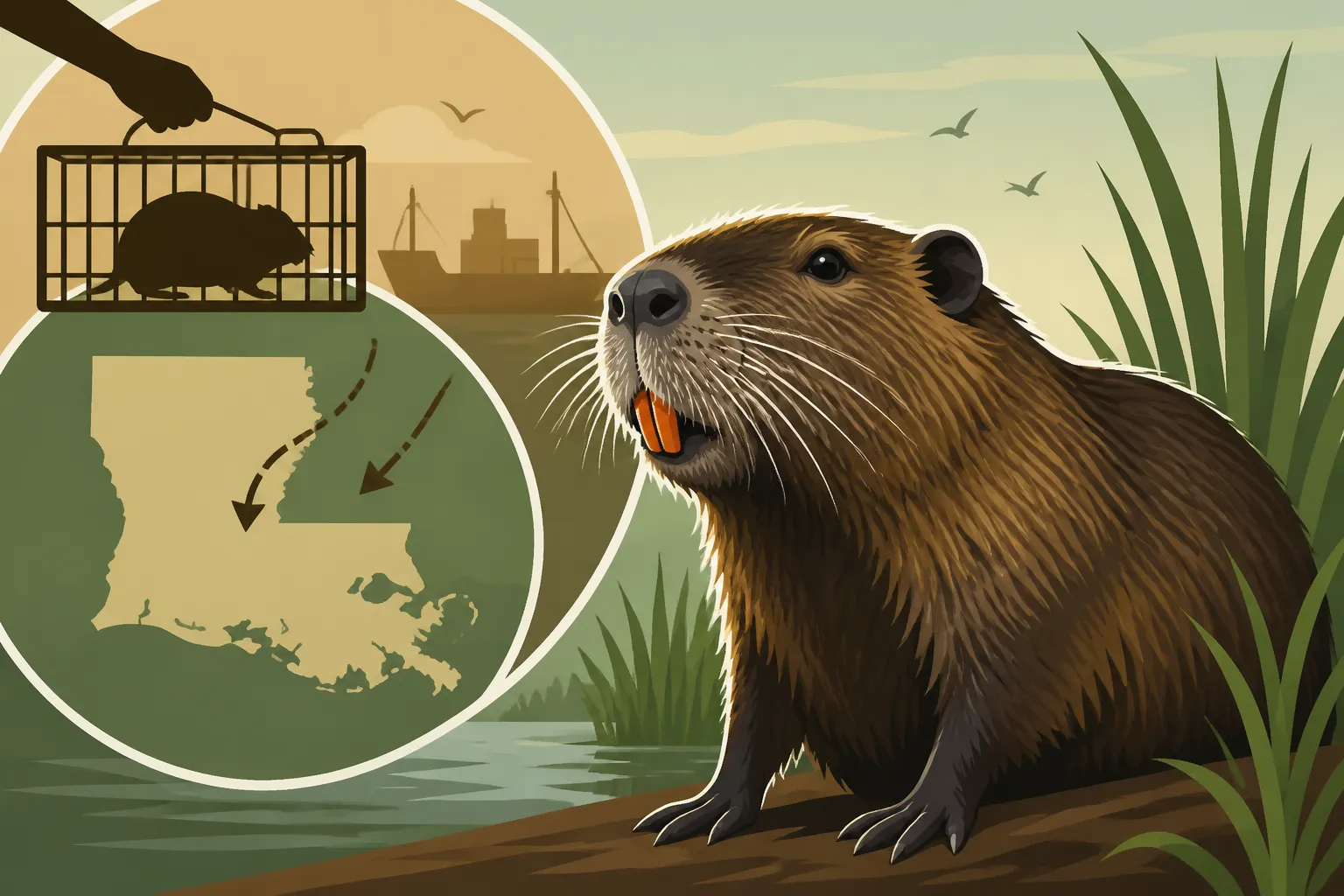
The story of nutria in Louisiana really kicks off in the 1930s, a period when the Great Depression made economic opportunities scarce and any venture that promised a livelihood was eagerly embraced. The first significant introductions of nutria, or coypu as they’re known elsewhere, were by individuals and businesses looking to capitalize on their fur. These weren't haphazard releases; they were deliberate attempts to establish a commercial furbearing industry. People saw nutria as a fast-breeding, adaptable animal that could thrive in our wetland environment, essentially turning marsh grasses into valuable pelts.
The initial thought was that these animals would be contained within farms, much like mink or fox were raised for fur. Trapping wild animals was a demanding, often unpredictable business, and the idea of farming fur-bearers offered a more controlled and potentially more profitable alternative. Our climate and abundant vegetation seemed perfect for them to multiply quickly, providing a steady supply for the market. It was an optimistic time, filled with the belief that human ingenuity could harness nature for prosperity, without fully grasping the ecological repercussions.
The Promise of Profit and the "Marsh Beaver"
The economic motivations behind bringing nutria to Louisiana were straightforward: money, pure and simple. At the time, the demand for furs was strong, and native furbearers like muskrats and mink were already a valuable commodity. However, muskrats have specific habitat requirements and their populations can fluctuate, and mink are a bit trickier to raise in numbers. Nutria, with their impressive reproductive rate and voracious appetites, seemed like a dream come true to fur farmers. They were often marketed as a "marsh beaver" – a larger, more prolific version of our native marsh resident, promising bigger pelts and thus bigger paydays.
Imagine the pitch: an animal that could eat practically anything green, breed several times a year, and produce large, relatively soft pelts. It sounded like an endless supply of wealth from the seemingly limitless resources of the Louisiana marsh. Many believed that if they could just get a foothold, these animals would supplement, or even replace, the existing fur harvest, creating new jobs and economic stability in a region that desperately needed it. It wasn't just about individual gain; it was seen as a boost for the entire coastal economy, a way to make our vast wetlands even more productive. Unfortunately, this vision was severely shortsighted.
Unintended Consequences and Ecological Disaster
The best-laid plans often go awry, and with nutria, they went spectacularly off the rails. What started as a promising economic venture quickly devolved into an environmental catastrophe. The idea that these animals could be contained was a fantasy, and their natural tendencies, combined with Louisiana’s unique environment, created a perfect storm for ecological devastation.
Escape from Farms and Rapid Proliferation
The narrative of "escaped" nutria is complex, encompassing both accidental and, in some cases, deliberate releases. Early enclosures, often hastily constructed, proved no match for the determined nature of these semi-aquatic rodents. They could dig, chew, and climb their way out of what seemed like secure pens. Then, the raw power of Louisiana's weather played its part; hurricanes and tropical storms, which are a regular feature of our coastal life, were often strong enough to dismantle holding pens, washing nutria out into the open marsh. In other instances, as the fur market softened, some disillusioned farmers simply opened their gates, releasing their stock rather than dealing with the animals.
Once free, the nutria populations exploded. This wasn't just due to their amazing reproductive capacity—females can start breeding as young as four months old and produce multiple litters of several young per year—but also because they had no significant natural predators in the Louisiana marsh. Our native alligators and larger birds of prey might take a few, but certainly not enough to control their rapidly expanding numbers. The mild climate and year-round abundance of food meant they could breed continuously, spreading like wildfire across the coastal parishes and beyond. It didn't take long before they were no longer a curiosity but a widespread menace.
The Devastating Impact on Coastal Wetlands
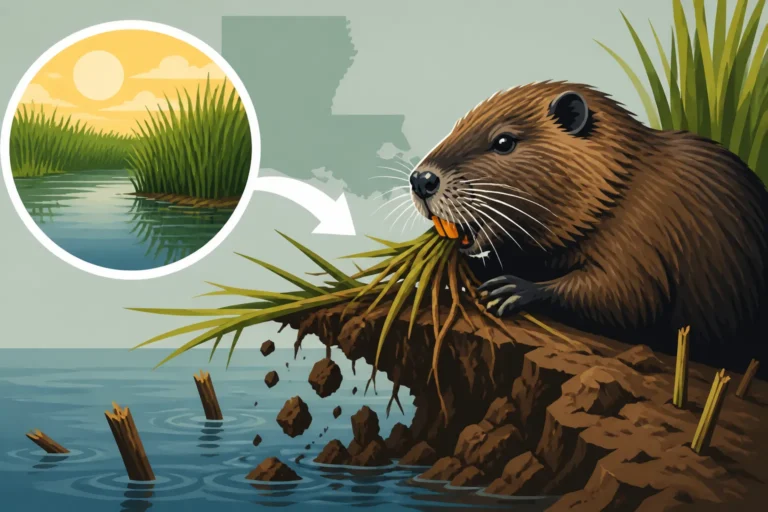
The true cost of the nutria introduction became tragically clear as their populations surged. Their primary impact is their incredibly destructive feeding habits. Nutria are herbivores, and they don't just graze; they essentially "eat out" vast sections of marsh. They chew through the base of marsh grasses, sedges, and other vegetation, consuming the roots and rhizomes that are vital for holding the fragile marsh soil together. It’s like a tiny, furry bulldozer going through the landscape.
When these root systems are destroyed, the marsh soil loses its integrity. What was once a dense mat of vegetation supporting countless species becomes bare mud, highly susceptible to erosion from tides, waves, and storms. This contributes directly to our already critical problem of Louisiana Coastal Wetland Loss and Access. You can actually see the distinct "eat-outs" from the air, appearing as barren patches of water where healthy marsh once stood. This loss of vegetation doesn't just impact the plants; it removes crucial habitat for birds, fish, crabs, and countless other creatures that depend on the marsh for food, shelter, and breeding grounds. The domino effect on the entire ecosystem is profound, further exacerbating the challenges of preserving Nutria and Louisiana Wetlands.
The Ongoing Battle: Management and Mitigation Efforts
Understanding why nutria were brought here doesn't change the fact that we're now stuck with a massive problem. The sheer scale of the ecological damage has demanded constant attention and significant resources. It's a testament to the resilience of our state, but also a sober reminder of the long-term consequences of human intervention.
Early Attempts at Control
In the early days, once the severity of the nutria problem became undeniable, there were various attempts to control their numbers. These often centered around encouraging trapping. Bounties were sometimes placed on nutria, offering a small payment for each animal harvested, hoping to incentivize hunters and trappers to reduce the population. Local trappers, many of whom were already pursuing Louisiana Muskrat and Mink Trapping Trends, did their best to add nutria to their lines.
However, these early efforts, while well-intentioned, ultimately proved insufficient to stem the tide. The nutria’s reproductive rate simply outpaced the trapping efforts. Even with bounties, the market value of their fur was often too low to make large-scale, continuous trapping economically viable for enough people to make a significant dent in the population. It was a classic case of too many animals and not enough sustained effort, spread across an immense and often inaccessible marsh landscape. The problem continued to grow, year after year, further cementing the nutria as a permanent, destructive fixture.
Modern Management Programs and Tools
Today, the approach to nutria control is far more organized and aggressive, recognizing the ongoing threat they pose to our disappearing coast. The most significant effort has been the Coastwide Nutria Control Program (CNCP), which offers an incentive payment for every nutria tail harvested. This program, managed by the Louisiana Department of Wildlife and Fisheries (LDWF), is specifically designed to reduce nutria herbivory across coastal Louisiana. It's an essential part of Louisiana's Chronic Wasting Disease Zones as it helps maintain healthy ecosystems overall by preserving habitat.
The CNCP works by providing a financial incentive per nutria tail, making large-scale trapping more economically attractive for trappers. This isn't just about population control; it's a vital tool in habitat restoration. By reducing nutria numbers, vegetation has a chance to recover, helping to rebuild the marsh and protect against further erosion. Hunters and trappers interested in participating in such programs or simply wanting to understand where their efforts might be most needed can often utilize advanced mapping tools. A resource like GoHunt, for instance, while typically used for big game, offers detailed mapping layers that can help identify different habitat types or even areas reported with significant nutria damage, aiding in strategic trapping efforts. Understanding the Louisiana Nutria Control Program Rules is crucial for anyone looking to participate.
Here's a quick look at the journey of the nutria:
| Period | Reason for Introduction | Expected Benefit | Actual Outcome |
|---|---|---|---|
| 1930s-1940s | Fur farming | Economic prosperity, new fur source | Widespread escapes, rapid population growth |
| 1950s-1970s | Market fluctuations, storm damage | Limited commercial harvest | Severe wetland destruction becomes evident |
| 1980s-Present | Ecological concern | Population control, marsh restoration | Ongoing management programs, partial success |
A Lasting Legacy: What We've Learned
The story of nutria in Louisiana is a powerful cautionary tale, one that has taught us invaluable lessons about the delicate balance of ecosystems and the profound impact of human decisions. It's a constant reminder that even well-intentioned actions can have dire, unforeseen consequences.
The Perils of Non-Native Species Introduction
The nutria stands as a textbook example of the dangers associated with introducing non-native species into a new environment. What seems like a harmless, or even beneficial, addition can quickly become an invasive species that outcompetes native wildlife, disrupts ecological processes, and causes immense damage. Louisiana has learned this lesson the hard way, not just with nutria but with other introduced species that have caused their own set of problems, reminding us of the importance of vigilance. When you're Scouting Louisiana Public Land Before Season for deer or small game, or even just exploring with tools like GoHunt, it's not uncommon to come across evidence of how pervasive these invasive species have become, from the tell-tale signs of nutria eat-outs to the rooting of Hunting Louisiana's Year-Round Feral Hogs. It’s a constant battle across our landscape.
The costs associated with nutria—both ecological and economic—are staggering. Millions have been spent on control programs, and the irreversible loss of marshland impacts everything from our seafood industry to our hurricane protection. This saga underscores the critical need for rigorous scientific assessment before any species introduction and ongoing monitoring to prevent future ecological disasters.
The Reshaping of Louisiana's Landscape
There's no sugarcoating it: nutria have permanently reshaped parts of Louisiana's coastal landscape. While efforts through the Louisiana Nutria Control Program Rules have certainly helped mitigate some of the damage, particularly in allowing stressed marsh areas to recover, the total eradication of nutria is likely an impossibility. They are simply too established, too widespread, and too prolific.
Our focus now, and for the foreseeable future, must remain on sustained management, coastal restoration projects, and adaptive strategies to live with and mitigate the impact of these animals. It’s a continuous commitment to preserving what we have left and restoring what we can, all while bearing the weight of a decision made decades ago with the best of intentions but without the foresight to understand the full ecological cost. It's a powerful and humbling lesson about our interconnected world and the responsibility we bear as stewards of its delicate balance.
Disclaimer
This article is for general informational purposes only and does not constitute professional advice. Laws, prices and regulations vary by location and change over time. Consult a qualified professional for guidance on your specific situation.