Louisiana Mottled Duck Population Trend
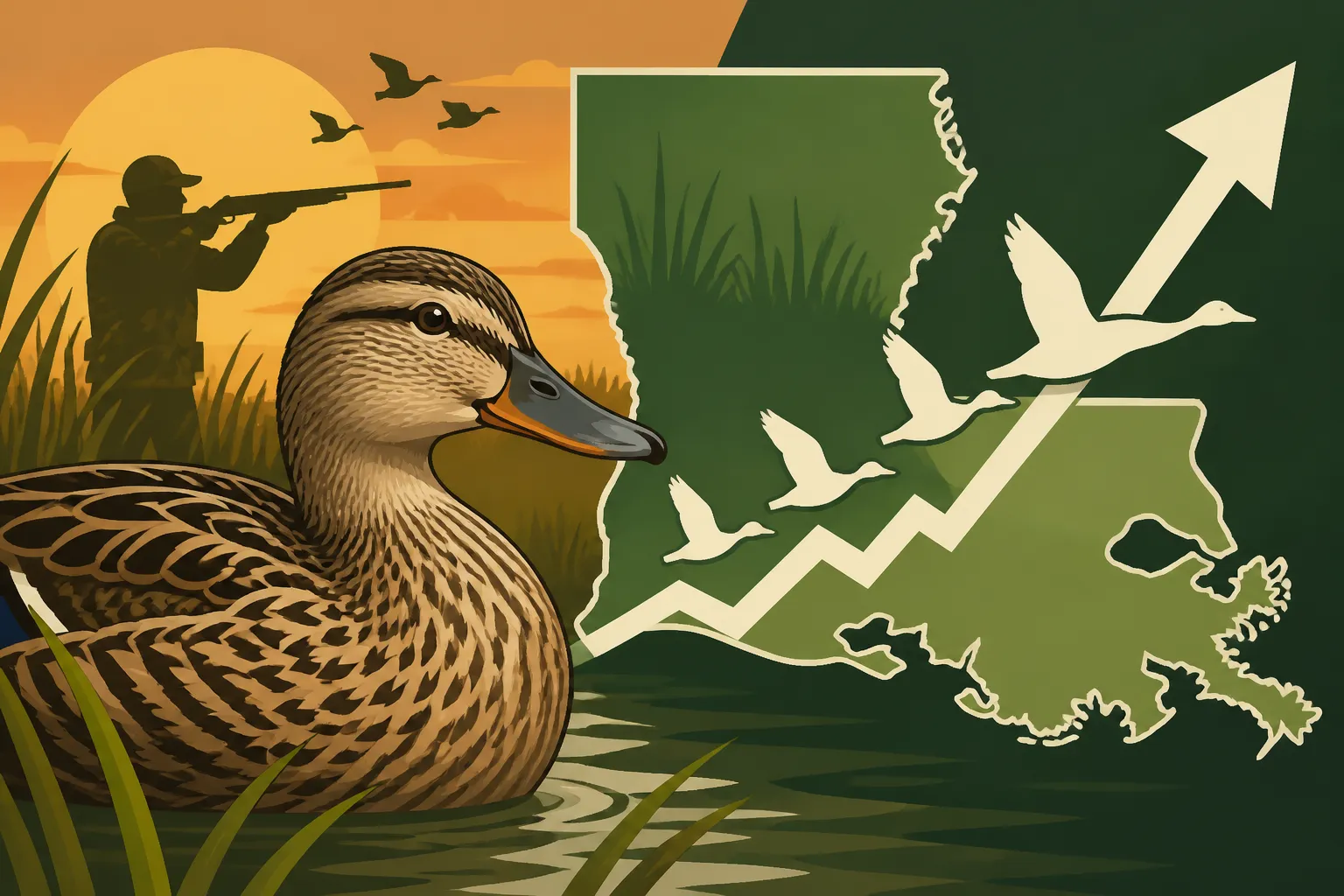
For Louisiana waterfowl hunters, few things hit closer to home than our beloved mottled duck. Unlike the waves of migratory birds that pass through each fall, these hardy ducks are our ducks, born and raised right here in the coastal marshes and rice fields. So, when talk turns to their population trends, it's a concern deeply felt by everyone who cherishes these unique birds. This guide aims to pull back the curtain on the Louisiana mottled duck's journey, exploring what makes them special, the challenges they face, and the ongoing efforts to ensure their future.
Understanding Louisiana's Mottled Duck: Our Resident Jewel
When we talk about duck hunting in Louisiana, many instantly picture vast flocks of green-winged teal or pintails descending into a flooded impoundment. And while those migratory birds are certainly a huge part of our heritage, the mottled duck holds a different kind of special place in our hearts. They're the ones we see year-round, the ones that embody the spirit of our unique southern wetlands.
What Makes Mottled Ducks Unique to Louisiana?
What sets the mottled duck apart from most other duck species is its resident status. While most ducks breeding in the northern states and Canada make epic migrations down the Mississippi Flyway to winter in our milder climate, mottled ducks are homebodies. They breed, nest, and live their entire lives right here along the Gulf Coast, from Texas through Louisiana and into Florida. This makes them incredibly vulnerable to local habitat changes, as they don't have the option to pick up and move if their immediate environment takes a hit. Their resilience in the face of our challenging coastal landscape is truly remarkable, but it also means we bear a significant responsibility for their well-being. They're not just visitors; they're our permanent feathered neighbors.
The Importance of Coastal Marsh Habitat
If you've spent any time hunting or fishing our coast, you know how vital the marsh is. For mottled ducks, it's everything. They thrive in the brackish and saline marshes, the wet prairies, and the fringes of our vast rice fields. These areas provide the perfect blend of dense emergent vegetation for nesting, shallow waters rich with invertebrates and seeds for food, and protective cover from predators. A healthy coastal marsh system ensures they have safe places to lay their clutches of eggs, raise their ducklings, and forage for food without excessive energy expenditure. Any degradation or loss of this critical habitat directly impacts their ability to reproduce and survive, affecting the entire Louisiana Mottled Duck Population Trend. Without the marsh, there are no mottled ducks. It's that simple.
The Rollercoaster of Mottled Duck Population Trends
The story of the mottled duck's population in Louisiana isn't a straight line; it's more like a rollercoaster, with exhilarating highs and worrying lows. Decades of observation and scientific study have given us a clearer picture, revealing a species constantly battling against environmental pressures.
Historical Declines and Contributing Factors
For years, hunters and biologists alike have watched the mottled duck with a keen eye, noticing periods of decline that sparked significant concern. The biggest culprit, hands down, has been the relentless Louisiana Coastal Wetland Loss and Access. Our coast is disappearing at an alarming rate, swallowed by the Gulf of Mexico due to subsidence, sea-level rise, and the alteration of natural sediment delivery from the Mississippi River. Every acre of marsh that turns to open water is an acre less for a mottled duck hen to build her nest and protect her brood. Storm surges from hurricanes can devastate nesting efforts, literally washing away nests and young ducklings, and the lingering saltwater intrusion can turn once-productive brackish marshes into barren saline flats.
Beyond habitat destruction, other factors contribute to their struggles. Increased predation pressure on nests and ducklings, often from species that thrive in fragmented landscapes, plays a role. Pesticide use in agricultural areas adjacent to marsh habitat can impact insect populations, which are a crucial food source for growing ducklings. It's a complex web of environmental challenges, each pulling at the threads of the mottled duck's survival.
Current Population Status and Monitoring Efforts
Today, the Louisiana Department of Wildlife and Fisheries (LDWF) and federal agencies like the U.S. Fish and Wildlife Service keep a very close watch on mottled duck numbers. This isn't just guesswork; it involves rigorous surveys. Aerial surveys are conducted to count breeding pairs, and banding programs provide invaluable data on survival rates and movement patterns. These efforts are crucial for understanding the current Louisiana Mottled Duck Population Trend and informing management decisions.
The data gathered helps paint a picture, though it's often one of fluctuation. We might see a bump in numbers after a mild winter and good nesting conditions, only for those gains to be eroded by a severe drought or a particularly active hurricane season. It's a constant battle, and the numbers reflect the resilience of the birds alongside the fragility of their habitat. Hunters often use apps like GoHunt to stay updated on hunting regulations, but these resources can also offer insights into general wildlife trends if regularly updated with LDWF information.
Here’s a simplified look at factors influencing mottled duck populations:
| Factor | Impact on Mottled Ducks | Trend |
|---|---|---|
| Coastal Erosion | Direct loss of nesting/foraging habitat | Negative, ongoing |
| Hurricane Activity | Direct nest destruction, saltwater intrusion | Variable, potentially increasing severity |
| Predation | Nest and duckling mortality | Stable to slightly increasing |
| Habitat Restoration | Creation of new or improved nesting/foraging areas | Positive, localized |
| Rainfall Patterns | Affects water levels, food availability, nesting | Variable, climate-dependent |
| Hunting Pressure | Regulated by bag limits and season length | Managed, generally stable |
Conservation Efforts and Management Strategies
The good news is that people care deeply about mottled ducks, and significant resources are being poured into protecting them. These efforts range from massive coastal restoration projects to carefully crafted hunting regulations.
Protecting and Restoring Critical Habitat
The cornerstone of mottled duck conservation is habitat. You simply can't have healthy duck populations without healthy wetlands. Organizations like Ducks Unlimited, along with state and federal agencies, are investing heavily in projects aimed at restoring and protecting coastal marshes. This includes reintroducing freshwater to combat saltwater intrusion, building diversions to mimic natural sediment delivery, and creating or enhancing wetland impoundments. These projects are literally fighting against the tide to rebuild the landscapes these ducks call home.
Imagine the painstaking work of planting marsh grasses where open water once dominated, or managing water levels in vast impoundments to create ideal conditions for nesting hens. It's a long, slow process, but every acre brought back or protected is a victory for the mottled duck. These efforts are not just about ducks; they benefit countless other species that rely on our unique coastal ecosystem.
Hunting Regulations and Their Role in Management
Louisiana hunters play a crucial role in mottled duck conservation, not just through their license fees and stamp purchases, but also through adherence to well-researched hunting regulations. The Louisiana Duck Daily Bag Limit and season dates for mottled ducks are carefully determined based on population data, breeding success, and overall harvest goals. Biologists constantly evaluate these numbers to ensure that hunting remains sustainable and does not negatively impact the long-term Louisiana Mottled Duck Population Trend.
For instance, you might notice that mottled duck limits can be more restrictive than those for other species like gadwall or green-winged teal. This isn't arbitrary; it's a direct reflection of their resident status and vulnerability to local conditions. Hunters who diligently follow these rules contribute directly to the species' survival. Understanding regulations, perhaps through a quick check on the GoHunt app for current season dates, is part of being a responsible steward of the resource.
Hunter Contributions to Conservation
It's easy to overlook, but hunters are often the most passionate advocates for wildlife and wild places. Every time you purchase a Louisiana Resident Hunting License Options or a federal duck stamp, a portion of that money goes directly into wetland conservation, habitat acquisition, and wildlife research. For migratory birds, you also need a Louisiana HIP Certification for Bird Hunters, which helps track migratory bird hunters nationwide. This funding is absolutely vital for the projects mentioned above, the ones that are literally building a future for mottled ducks.
Beyond the financial contributions, many hunters actively participate in habitat work, volunteer for clean-up days on WMAs, or provide valuable observations to wildlife biologists. They are the eyes and ears on the ground, witnessing changes in the environment firsthand and often being the first to report concerns. This deep connection to the land fosters a profound sense of responsibility for its well-being.
What Hunters Can Do to Help (and Stay Informed)
As hunters, we're not just users of the resource; we're also its guardians. Our actions, both individually and collectively, have a real impact on the future of species like the mottled duck. Being informed and engaged is key to making a difference.
Supporting Conservation Organizations
One of the most direct ways to help the Louisiana Mottled Duck Population Trend is by supporting organizations dedicated to wetland conservation. Groups like Ducks Unlimited, the Louisiana Wildlife Federation, and Delta Waterfowl are on the front lines, doing the critical work of habitat restoration, scientific research, and policy advocacy. Membership fees, donations, and volunteer hours directly fund projects that benefit mottled ducks and countless other species. These organizations often run local chapters, providing a great opportunity to get involved in your own community and connect with like-minded conservationists. It's about putting your money and your time where your heart is, ensuring that the places we love to hunt are there for future generations.
Staying Informed with Current Data
Knowledge is power, especially when it comes to conservation. Staying informed about the latest population data, habitat conditions, and management decisions allows you to be a more effective advocate and a more responsible hunter. The LDWF website is a treasure trove of information, offering detailed reports on species populations, hunting regulations, and ongoing conservation projects. You can check out information on Louisiana Duck Harvest Numbers or even monitor specific WMA conditions.
Utilize modern tools like GoHunt, which often integrates state-specific regulations and mapping features, to keep up-to-date with season dates, bag limits, and even insights into habitat conditions if available through their platform. Regularly reading conservation publications and attending local wildlife meetings can also provide invaluable insights and connect you with the scientific community. The more you know, the better equipped you are to understand the nuances of mottled duck management and contribute to their long-term survival. Understanding the science behind conservation helps us appreciate why specific rules, like those governing Louisiana Duck Zone Rules or the careful setting of Louisiana Waterfowl Zones and Seasons, are put in place. It's all part of a larger plan to ensure we can continue to enjoy these incredible birds for years to come.
Disclaimer
This article is for general informational purposes only and does not constitute professional advice. Laws, prices and regulations vary by location and change over time. Consult a qualified professional for guidance on your specific situation.