Louisiana Record Book Gobblers
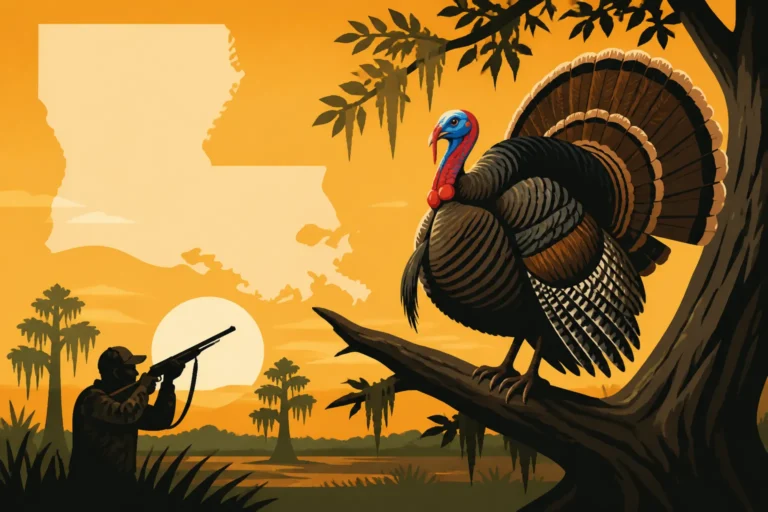
There's a special kind of thrill that comes with chasing wild turkeys in Louisiana – the pre-dawn silence, the sudden gobble that rattles your teeth, and the intricate dance of calling. But for many dedicated hunters, the ultimate dream isn't just harvesting a bird, it's tagging one that truly stands out, a gobbler worthy of the record books. This guide is here to walk you through what defines a Louisiana record book gobbler, where these impressive birds tend to roam, and the strategies you can employ to increase your odds of encountering one.
What Makes a Louisiana Gobbler "Record Book" Worthy?
When we talk about "record book" gobblers, we're not just talking about any big bird you harvest. We're talking about a turkey that measures up to specific criteria set by recognized organizations like the National Wild Turkey Federation (NWTF). It’s about more than just weight; it’s a combination of factors that, when added together, paint a picture of a truly exceptional specimen. Hunters often feel a sense of pride in understanding these metrics, especially after putting in the hard work that Louisiana turkey hunting demands.
Understanding the NWTF Scoring System
The NWTF maintains the standard for scoring wild turkeys, and it's a fascinating system that accounts for the bird's overall impressiveness, not just one single feature. You'll hear talk of "beard length," "spur length," and "live weight," and these are the three pillars of the scoring formula. Each measurement contributes points, and it’s the sum of these points that determines if your gobbler makes the cut. For those tracking their hunts with tools like the GoHunt app, understanding these details can add another layer to documenting your experiences and perhaps even comparing notes with other hunters.
The actual formula is straightforward: two times the beard length (measured in sixteenths of an inch), plus ten times the combined length of both spurs (measured in sixteenths of an inch), plus the live weight (in pounds and ounces). For example, a gobbler weighing 20 pounds, with a 10-inch beard and 1.5-inch spurs, would score significantly higher than a bird with the same weight but shorter spurs and beard. This system rewards birds that are not only heavy but have also lived long enough to develop impressive secondary characteristics.
The Significance of Beard and Spur Development
While weight certainly plays a role, the length and quality of a gobbler's beard and spurs are often the most defining features when it comes to trophy status. A turkey's beard is a collection of coarse bristles that grows from its chest. The longer and thicker the beard, the more points it contributes. Sometimes, a bird might have multiple beards, which can significantly boost its score, although these are quite rare. It's a testament to the bird's age and health, a true indicator of maturity.
Spurs, those sharp, bony protrusions on the back of a gobbler's legs, are perhaps even more indicative of age and dominance. Like beards, their length is crucial, but their sharpness and curvature are also admired. A long, needle-sharp spur usually means an older, more dominant tom. We're talking about birds with spurs well over an inch, sometimes reaching 1.5 inches or more, that have survived multiple seasons and likely won their fair share of territorial disputes. This takes time, good genetics, and favorable habitat, which leads us to where these magnificent birds are often found.
Here's a quick look at how the NWTF scoring breaks down:
| Scoring Component | Measurement Unit | Contribution to Score | Notes |
|---|---|---|---|
| Live Weight | Pounds and Ounces | Directly adds | Actual weight of the bird when harvested. |
| Beard Length | Sixteenths of an inch | Multiplied by 2 | Measure longest beard from base to tip. Multiple beards count individually. |
| Combined Spur Length | Sixteenths of an inch | Multiplied by 10 | Sum of both spurs, measured along the outside curve to the sharp tip. |
Where Louisiana's Giants Roam: Prime Habitats
Louisiana is a diverse state, offering a variety of habitats, but not all areas are created equal when it comes to producing truly massive gobblers. The key to growing big turkeys, especially those with impressive beards and spurs, lies in factors like habitat quality, food availability, predation pressure, and hunting pressure. You’ll find that certain regions consistently produce bigger, older birds, and understanding these trends is crucial for anyone hoping to bag a record. The "Wild Turkeys in Louisiana" are truly a sight to behold, and knowing their preferred stomping grounds is half the battle.
Bottomland Hardwoods and River Basins
When you hear talk of prime turkey habitat in Louisiana, bottomland hardwood forests and major river basins usually come up first. Areas like the mighty Mississippi River Delta, the Red River valley, and the Pearl River Basin provide rich, fertile soils that support abundant mast crops like acorns and pecans. This consistent, high-quality food source allows turkeys to thrive, reach maturity, and grow those coveted long beards and spurs. The dense understory also offers excellent cover for nesting and roosting, giving young turkeys a better chance to survive.
Think about places like the Richard K. Yancey Wildlife Management Area or the Pearl River WMA; these areas exemplify the kind of mature timber and diverse plant life that turkeys love. The consistent food supply, combined with limited human disturbance in some of the deeper tracts, allows these birds to reach an age where they can develop truly impressive trophy characteristics. If you're planning a trip to these types of areas, it's wise to review the Louisiana Spring Turkey Season Rules well in advance to ensure you're compliant.
Piney Hills and Mixed Pine/Hardwood Stands
While bottomland hardwoods often get the most attention for big gobblers, don't overlook the piney hills and mixed pine/hardwood stands, especially in North Louisiana. These areas, particularly where managed timber lands meet creek bottoms or agricultural fields, can be fantastic. The pines provide excellent roosting sites and thermal cover, while the hardwood pockets and creek drainages offer crucial food sources like acorns, dogwood berries, and insects.
Areas in the Florida Parishes, for instance, or the mixed forests found in parishes stretching from the Ouachita to the Red River, can produce some exceptional birds. The rolling terrain and scattered food plots on private lands can create ideal conditions. What sets these areas apart is often a combination of lower hunting pressure in specific pockets and careful habitat management, allowing birds to age. If you're considering these types of areas, understanding Turkey Tactics for North Louisiana Field Edges might prove particularly useful.
Strategies for Hunting Record Book Gobblers
Hunting record book gobblers isn't just about finding the right location; it’s about patience, keen observation, and often, outsmarting a bird that has already outsmarted many others. These aren't your typical run-of-the-mill jakes or two-year-old gobblers. These are old, wise, and often very wary birds. You'll need to hone your scouting, calling, and setup skills to stand a chance.
Intensive Pre-Season Scouting
You simply cannot overstate the importance of pre-season scouting when you're targeting a trophy gobbler. These birds often have very specific patterns and preferred strutting zones, roosting sites, and travel corridors. Weeks before the Louisiana Spring Turkey Season Rules allow hunting, you should be in the woods, listening for roost locations at dawn and dusk, looking for tracks in sandy creek beds, and searching for strut marks, dusting bowls, and shed feathers. Digital scouting tools, like those offered by GoHunt, can give you a significant edge by helping you analyze terrain, identify potential travel routes, and mark key locations right from your home.
Focus on finding areas with mature roost trees, especially large oaks or pines near water sources. Pay attention to fields or open areas where gobblers might strut. Look for pinch points or funnels created by terrain features that could concentrate movement. Finding a primary strut zone for a dominant gobbler is like finding a pot of gold – that's where he'll be trying to attract hens, and that's often where you'll get your best shot. Knowing Where Louisiana Gobblers Roost is foundational to this approach.
Mastering Your Calling and Setup
Calling a record book gobbler is a delicate dance. These older birds have heard it all, and they're not easily fooled by aggressive, repetitive calling. Often, a subtle approach works best. Start with soft hen yelps or clucks, mimicking a contented hen. Listen intently for his response, and adjust your calling rhythm and volume based on his interest. Sometimes, completely shutting up after an initial call is the most effective strategy, forcing him to come looking for the "hen" he heard. You might also consider using locator calls sparingly to pinpoint his position without immediately alerting him.
Your setup is just as critical as your calling. Position yourself with good cover, preferably against a wide tree that breaks up your silhouette and protects your back. Ensure you have a clear shooting lane in the direction you expect the gobbler to approach. Using a decoy, particularly a submissive hen or a jake decoy, can sometimes provoke an older tom into coming closer to assert dominance, but be mindful of their effectiveness in pressured areas. Remember, a wise gobbler is less likely to expose himself in the open for long. Patience is key; sometimes, a true giant will circle widely or take a very long time to commit. This is where Calling a Louisiana Gobbler Off the Roost really puts your skills to the test.
The Realities and Rewards of the Hunt
Chasing a record book gobbler is not for the faint of heart. It requires significant time, dedication, and often, enduring more silent mornings and missed opportunities than successful hunts. But the reward, the moment you finally connect with a truly magnificent bird, is an experience that stays with you forever. It's a testament to your perseverance and your ability to adapt to the wild.
Dealing with Pressure and Luck
Louisiana's turkey woods can see significant pressure, especially on public lands during opening weekend. Older, record-class gobblers are often the first to become wary of human intrusion. They learn to avoid roads, shy away from aggressive calling, and become masters of staying just out of sight. This means you might need to hike deeper, spend more time observing, and hunt during weekdays when pressure is lower. The Louisiana Turkey Population Trends can give you an idea of overall bird numbers, but the distribution of those older, trophy birds is often in more secluded areas.
Luck, of course, plays a role in every hunt. You can do everything right – scout perfectly, call flawlessly, set up ideally – and a hen can still lead your target gobbler away, or another hunter might bump him before you even get a chance. The key is to embrace the process, learn from every outing, and understand that harvesting a record book gobbler is the culmination of many variables aligning. The enjoyment is in the pursuit itself, the time spent immersed in nature, and the challenge of the chase.
Ethical Considerations and Conservation
As hunters, we have a responsibility to uphold ethical hunting practices and contribute to conservation efforts. When pursuing a trophy bird, this means respecting bag limits, ensuring clean, ethical shots, and accurately reporting your harvest. The Louisiana Turkey Bag Limit Rules are in place for a reason, to ensure sustainable populations for future generations.
Organizations like the NWTF, which maintain the record books, are also at the forefront of wild turkey conservation. Their work in habitat restoration and public awareness is vital. By participating in the hunting tradition responsibly and supporting these organizations, you're not just chasing a record for yourself, you're helping to ensure that future generations can also experience the thrill of the hunt and perhaps even chase their own Louisiana record book gobblers. It’s a holistic approach to our passion, one that extends far beyond the moment of harvest.
Disclaimer
This article is for general informational purposes only and does not constitute professional advice. Laws, prices and regulations vary by location and change over time. Consult a qualified professional for guidance on your specific situation.