Louisiana Goose Season Dates
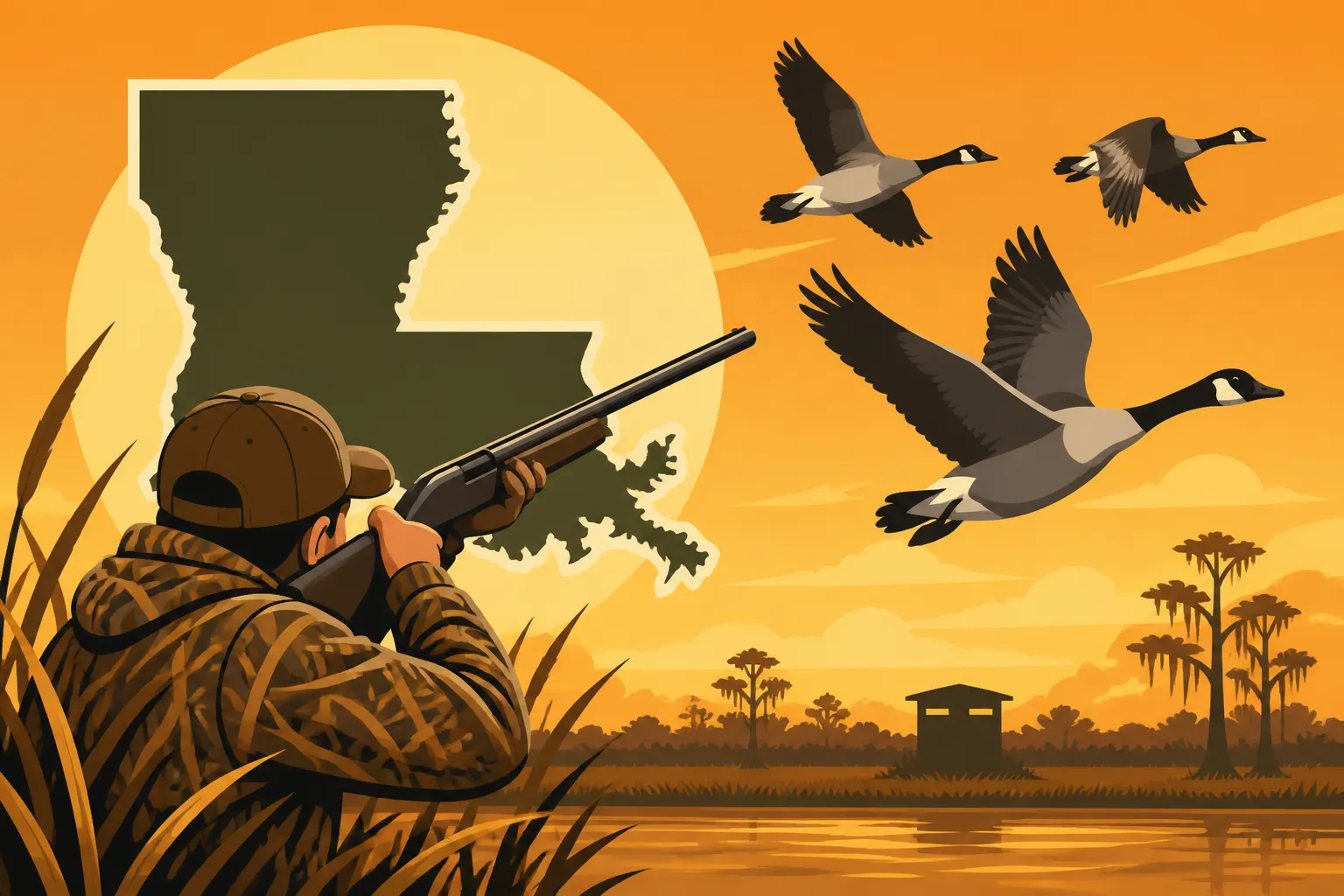
Trying to keep track of all the different hunting seasons in Louisiana can feel like you need a special decoder ring, especially when it comes to migratory birds like geese. Just when you think you've got a handle on duck season, the goose dates throw another curveball, making it tough to plan your hunts and ensure you're always within legal limits. This guide is here to clear up all that confusion, giving you a crystal-clear understanding of Louisiana's goose season dates so you can focus on calling them in, not on deciphering regulations.
Understanding Louisiana's Goose Zones and Species
Louisiana is an absolute magnet for migratory waterfowl, and geese are a huge part of that picture. But to really nail down the season dates, you've got to understand which geese we're talking about and how the state's waterfowl zones play a role. It's not a one-size-fits-all situation, and getting this right is the first step to a successful goose hunt.
The Major Goose Species You'll Encounter
When you're out in the blind or traversing a cut rice field, you're primarily looking at a few key goose species. The most common, and often the most numerous, are the "light geese." This group includes the massive flocks of snow geese (both white and blue phase) and Ross's geese. These birds are legendary for their sheer numbers, especially during the later parts of the season, and their conservation status often leads to unique hunting opportunities. Then you have the "dark geese," which primarily means Canada geese and specklebelly geese, or greater white-fronted geese. Specklebellies are highly prized for their table fare and can be a real challenge to hunt, often requiring a different approach than the sometimes less wary light geese. It's crucial to know which species you're targeting because bag limits and, sometimes, even season lengths can differ. Keep an eye on your local scouting reports or use a tool like GoHunt to help identify peak migration times for different species in your chosen area.
Louisiana's Waterfowl Zones and Their Impact
Unlike some states with complex zone structures, Louisiana simplifies things quite a bit for waterfowl. We generally operate under three duck zones – East, West, and Coastal – but for goose hunting, it's often more about specific regulations that apply statewide or to certain periods rather than distinct goose zones. However, understanding the broader Louisiana Waterfowl Zones and Seasons is still essential, as goose seasons often align with or are affected by these boundaries, especially for species that might be hunted concurrently with ducks. For instance, the timing of an early goose season might be consistent across the state, but if you're hunting ducks and geese simultaneously, you'll need to be aware of the specific duck zone you're in. This really comes into play when you're planning multi-species hunts. The Louisiana Department of Wildlife and Fisheries (LDWF) provides clear maps, and a good resource like the GoHunt app can help you pinpoint your location within these zones and quickly cross-reference current regulations, saving you a lot of headache on chilly mornings.
Deciphering Regular and Special Goose Season Dates
The goose seasons in Louisiana aren't just one long stretch; they're broken down into various segments, each with its own quirks. From early opportunities to the main event, and then those extended conservation efforts, it's easy to get lost in the details. But with a bit of clarity, you'll see there's a method to the madness.
Early Goose Seasons for Specific Species
Before the main waterfowl rush truly begins, Louisiana often offers a special, limited opportunity to pursue certain goose species. This usually involves an early season specifically for Canada geese. These early hunts typically target resident or early-migrating Canada geese before the larger push of migratory birds arrives from up north. These seasons are generally short, sometimes only a week or two, and often occur in late September or early October, coinciding with some of the earliest duck season openings in other parts of the country. For hunters eager to get out, this is a fantastic chance to knock down a few birds before the pressure mounts. It's a prime example of how important it is to check the official LDWF regulations each year, as these specific dates can shift slightly. Often, these early hunts have different Louisiana Duck and Goose Bag Limits than the regular season, so paying close attention to the details is crucial. Remember, having your Louisiana Migratory Bird Certification and a valid Louisiana Federal Duck Stamp Requirement are non-negotiable for these early season outings.
Core Goose Season Windows for All Hunters
The main goose season is when the bulk of hunters hit the fields and marshes, targeting a mix of light geese (snow and Ross's) and dark geese (specklebellies and Canada geese). These regular seasons generally run concurrently with the broader duck seasons, though their precise start and end dates can vary slightly. You'll often find that the regular goose season opens in early November and continues, with a brief split, through late January or early February.
For instance, in the East Zone, you might see a continuous season for light geese from early November right through the end of January, while dark geese might have a slightly shorter window or a split in December. The West Zone and Coastal Zone will have similar structures but with their own specific opening and closing dates that mirror their respective duck seasons. This is where those cumulative Louisiana Duck Harvest Numbers also reflect a good deal of goose activity, as many hunters pursue both.
Hunting during these core windows means facing peak migration periods, and often, more hunting pressure. Scouting is paramount. Learning to identify goose sign, whether it's fresh tracks in a mud flat or specklebelly talk echoing across a flooded field, will be key to your success. Utilizing mobile apps like GoHunt for real-time weather and tide data can be a game-changer when planning your regular season hunts. You'll find many opportunities for Early Goose Season Tactics in Louisiana during this period as well, especially if you're flexible with your hunting locations.
Here's a generalized overview of what you might expect for Louisiana goose seasons. Always, always double-check the current year's LDWF hunting regulations, as these dates are subject to change annually.
Table: Typical Louisiana Goose Season Framework (Always Verify Annual Regulations)
| Goose Species Category | Zone/Season Type | Typical Start Date | Typical End Date | Notes |
|---|---|---|---|---|
| Canada Geese | Early Canada Goose | Late September | Early October | Short season, specific to resident/early migrants. |
| Light Geese | Regular (East/West/Coastal) | Early November | Late January | Snow and Ross's geese. May have a split. |
| (Snow/Ross's Geese) | Conservation Order | Early February | Late March | Extended season, special rules (electronic calls, no limit). |
| Dark Geese | Regular (East/West/Coastal) | Early November | Late January | Specklebellies and Canada geese (after early season). May have a split. |
| (Specklebelly/Canada Geese) | Bag limits apply. |
Note: Dates are illustrative and require verification with current LDWF publications.
The Conservation Order Light Goose Season
For those who can't get enough goose hunting, or who are particularly passionate about the sheer spectacle of thousands of snow geese, the Conservation Order Light Goose Season is a highly anticipated event. This season is specifically designed to help manage the massive populations of snow, blue, and Ross's geese, whose exploding numbers have led to significant habitat degradation on their Arctic breeding grounds.
Rules and Regulations for Conservation Season
The Conservation Order (CO) season usually kicks off right after the regular waterfowl seasons close, typically starting in early February and running through late March. This extended season provides an incredible opportunity for hunters, but it comes with a unique set of rules that differ significantly from regular waterfowl hunting. For starters, the bag limit for light geese during the Conservation Order is generally unlimited. Yes, you read that right – unlimited. This is a direct reflection of the conservation goal to reduce their population.
Beyond the generous bag limit, hunters are often permitted to use methods that are typically illegal during regular seasons. This includes the use of electronic calls (e-calls) to lure in large flocks, and shotguns capable of holding more than three shells (plug removal is generally allowed). These rule relaxations are powerful tools for hunters to be more effective in harvesting birds, which is precisely the point of the Conservation Order. It's a unique and exciting hunt, but again, always consult the current year's LDWF regulations to confirm all legal methods and dates. The LDWF is very clear about these special provisions, and it's your responsibility to be informed.
Special Methods Allowed for Light Goose Hunters
The allowance of electronic calls during the Conservation Order season is a game-changer. Instead of relying on manual calling, which can be exhausting and less effective on pressured birds, an e-caller can broadcast realistic goose sounds at high volume, drawing in distant flocks. Many hunters create elaborate decoy spreads, often involving hundreds or even thousands of decoys, including full-body, SilloSocks, and wind socks, to simulate a massive feeding flock. Combining a huge spread with loud e-calls can be incredibly effective when Snow Geese on Louisiana Rice Fields are hungry and flying.
Another crucial aspect is the ability to use unplugged shotguns. Being able to load more than three shells means you have a greater capacity for follow-up shots on incoming or decoying birds, which is a major advantage when dealing with large, swirling flocks of snow geese. Hunters will often employ Layout Blind Hunting Coastal Rice Fields or even just wearing white suits to blend into the sea of decoys and the vast, open fields.
This season requires significant effort in terms of scouting and setup, but the reward of a successful hunt can be truly unforgettable. Imagine a flock of hundreds, maybe thousands, of snow geese circling your spread, wings cupped, before committing to land. It's a spectacle that every waterfowl hunter should experience. Companies like GoHunt can even offer insights into land access for large spreads, which is often key for these conservation hunts. If you're considering setting up in the marsh, understanding how to read the water and current, much like when Hunting Cameron Parish Marsh Ducks, will be invaluable. You might even find opportunities by Reading a Marsh Pond for a Morning Flight if you're not exclusively focused on fields. And for those utilizing cut fields, the art of Layout Blind Hunting a Cut Rice Field is definitely worth mastering.
Disclaimer
Please note that hunting regulations, seasons, and bag limits can change annually. It is the hunter's sole responsibility to consult the most current Louisiana Department of Wildlife and Fisheries (LDWF) official regulations before participating in any hunting activity. This guide provides general information and should not be considered a substitute for official sources.