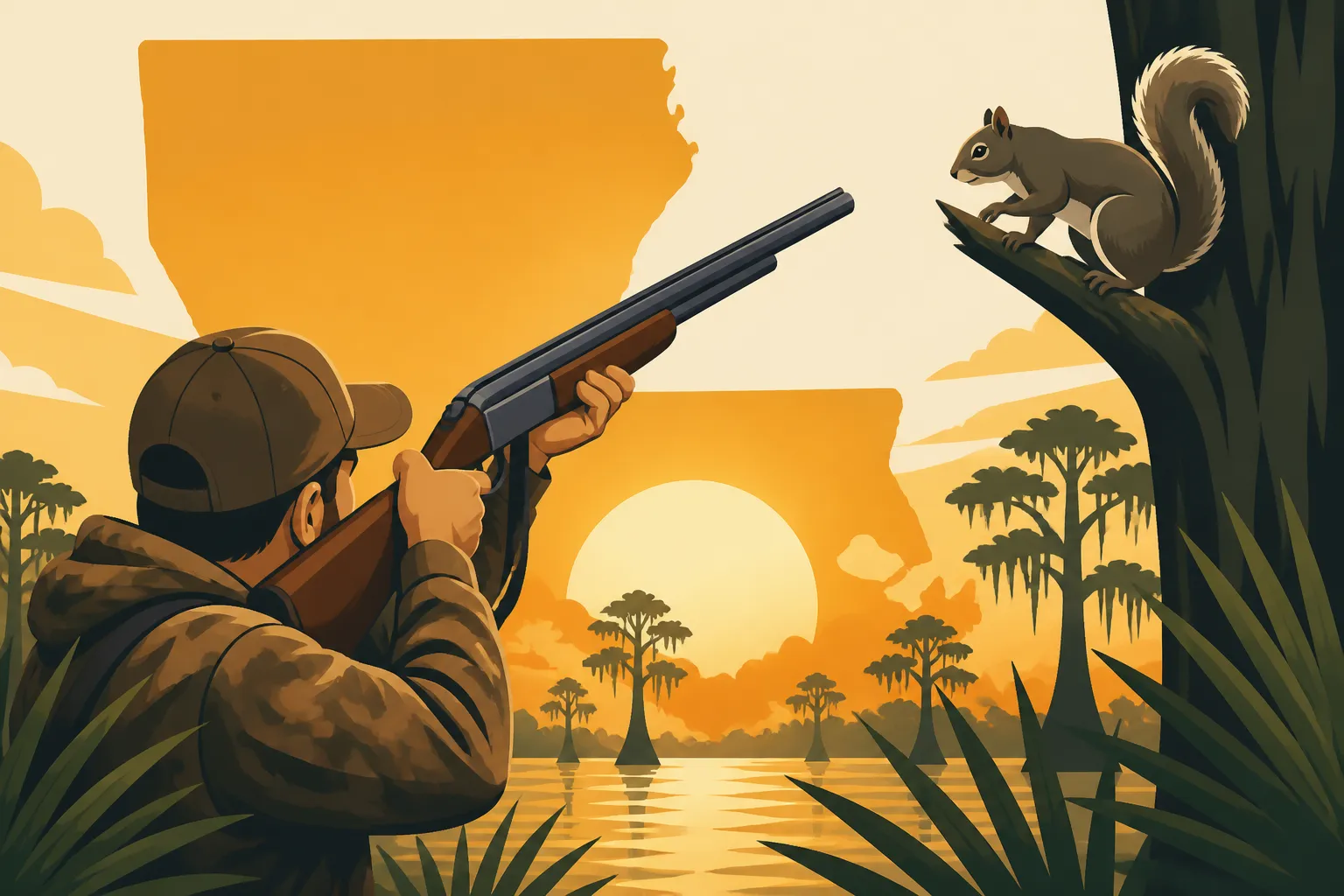
Louisiana Squirrel Season Opening Day
The crisp morning air, the rustle of leaves underfoot, and the distinct chatter of a squirrel—it’s a symphony that ignites the spirit of many Louisiana hunters. Yet, for all the excitement, one common hurdle often trips up even seasoned enthusiasts: nailing down the exact opening day for squirrel season. It's not always a straightforward, statewide "start date" like some other seasons, and that can lead to confusion and missed opportunities. This guide is here to untangle the nuances of Louisiana's squirrel season opening day, ensuring you're well-prepared, fully licensed, and ready to hit the woods when the time is right.
Pinpointing Louisiana's Squirrel Opening Days
You might think there's just one date circled on the calendar for squirrel season in Louisiana, but the truth is a little more nuanced. It really depends on where you plan to hunt. Louisiana’s diverse landscape and varied management strategies mean that private lands often follow a different calendar than our public Wildlife Management Areas (WMAs). Understanding these distinctions is crucial for a successful and legal hunt.
Private Land Opening Dates by Deer Area
For many hunters, the private land squirrel season opening day is the main event. Generally, across much of the state, you can expect the squirrel season on private lands to kick off around October 1st. This date holds true for Deer Areas 1, 2, 3, 7, 8, 9, and 10, which encompass a vast majority of Louisiana. However, there’s a small exception: if you're planning to hunt in Deer Area 4, you might get a jump start with an opening day typically around September 30th. These dates usually run all the way through the end of February, giving you a generous window to enjoy the bounty.
It's important to understand that these squirrel season dates are often aligned with the state's broader deer management areas. While it might seem odd to tie a small game season to deer zones, it helps streamline regulations and provides a consistent framework for hunters across different regions. This predictability for private land hunters is a real blessing, letting you plan your autumn weekends around chasing bushy-tails. However, state regulations can change, so always double-check the current Louisiana Department of Wildlife and Fisheries (LDWF) Hunting Regulations pamphlet each year. It’s your official go-to source for the most up-to-date information.
Wildlife Management Area (WMA) Openers
Now, if your plan involves hunting Louisiana's extensive public lands, specifically the Wildlife Management Areas (WMAs), you absolutely cannot assume the private land opening dates apply. This is where many hunters get tripped up. WMAs, by their very nature, are managed for a variety of wildlife species and often have different, sometimes later, opening dates for small game, including squirrels.
These staggered opening dates on WMAs aren't arbitrary; they serve important purposes. Sometimes, WMA squirrel season is delayed to accommodate early deer seasons, to manage hunting pressure, or to allow specific mast crops to fully develop, providing optimal nutrition for the squirrel population. Each WMA has its own set of rules and dates, and what applies to Sherburne WMA might be completely different from what you'd find at Richard K. Yancey WMA. The frustration of showing up on opening day only to find the WMA is closed for squirrel hunting is real, and it’s easily avoided by doing your homework. You'll need to consult the specific WMA regulations for the current hunting year. Many of these details can be found on the LDWF website or by looking at individual WMA pamphlets. Understanding the specific rules for these public hunting grounds is crucial, so take the time to learn about Louisiana WMA Permit Requirement and other guidelines before you head out.
Understanding the "Why" Behind Varied Dates
It can feel a bit complicated, juggling different opening days for different areas, but there's solid wildlife management science behind it. The varied opening dates help distribute hunting pressure more evenly across the state's squirrel population, preventing too much pressure on any single area right at the start of the season. This careful scheduling contributes to healthier, more stable squirrel populations year after year, ensuring that the tradition of squirrel hunting can continue for generations to come.
Moreover, the season dates are often influenced by natural cycles, such as the availability of mast crops. Early fall is when many nuts and acorns are ripening and falling, which is prime feeding time for squirrels. By timing the season appropriately, the LDWF aims to provide hunters with good opportunities while still allowing squirrels ample time to forage and prepare for the leaner winter months. It's a delicate balance that aims for both recreational opportunity and ecological sustainability.
Essential Preparations for Early Season Squirrel Hunting
Once you've got those opening dates locked down, it's time to shift your focus to preparation. Early season squirrel hunting in Louisiana means warm weather, active wildlife, and specific gear needs. Being prepared isn't just about having the right weapon; it’s about having the right licenses, clothing, and a solid understanding of the terrain.
Licensing, Stamps, and Permits
Before you even think about stepping foot in the woods, the very first thing you need to ensure is that your paperwork is in order. Every hunter in Louisiana needs a valid basic hunting license. This is non-negotiable, whether you’re hunting on private land or a WMA. If your sights are set on public land, specifically a Wildlife Management Area, you'll also need a WMA Access Permit. These permits help fund the management and maintenance of these valuable public resources.
Acquiring these licenses and permits is thankfully pretty straightforward. You can purchase them directly through the LDWF website, often referred to as Louisiana Outdoors, or at authorized license vendors across the state, such as sporting goods stores and some local convenience stores. It’s always a good idea to buy your licenses well in advance to avoid any last-minute rushes or technical glitches. Carrying proof of your license, whether a physical copy or on your phone through the LDWF app, is mandatory when afield. For a full breakdown of costs and options, you can consult our detailed guide on Louisiana Hunting Licenses and What They Cost. Furthermore, using tools like GoHunt can assist you in researching public land maps and identifying specific WMA regulations, indirectly guiding you on what permits might be necessary for your chosen hunting spot. This proactive approach ensures you're legally covered and ready for opening day.
Gear Up for Success
Early season squirrel hunting in Louisiana usually means dealing with temperatures that can still be quite warm, especially in the morning as the sun climbs. This directly influences your gear choices.
- Firearms: For squirrels, a .22 caliber rimfire rifle is a classic choice. Its accuracy and low report make it ideal for headshots, preserving meat. Many hunters also opt for a shotgun, particularly a .410 or a 20-gauge, which can be more forgiving for running shots through dense foliage. The choice really comes down to personal preference and skill level, but always prioritize ethical shot placement to ensure a clean kill.
- Clothing: Forget heavy insulated gear. You'll want lightweight, breathable camouflage that helps you blend into the early fall greenery. Layers are always a good idea, as mornings can start cool but quickly warm up. Long sleeves and pants are recommended to protect against insect bites and thorny brush.
- Other Essentials: Bug spray is your best friend in the Louisiana woods. A good pair of comfortable, waterproof boots, plenty of water, and a small game vest or backpack with pouches for your harvest are also crucial. A sharp knife for field dressing, a compass or GPS, and a fully charged phone with a mapping app (like the LDWF's own app or commercial options) are also invaluable. Before you even head out, GoHunt can be a fantastic resource. By using its mapping features to scout and locate prime squirrel habitat from home, you can make more informed decisions about the specific gear you'll need for the terrain you're planning to hunt.
Early Season Scouting Tactics
Opening day success isn't just about showing up; it's about showing up in the right place at the right time. That means scouting, and doing it effectively. Squirrels, especially early in the season, are driven by one thing: food. Your scouting efforts should focus heavily on identifying active mast trees.
Look for hardwood trees, particularly oak, hickory, and pecan trees. These are squirrel magnets when their nuts are ripening and falling. The tell-tale sign of active squirrels isn't just seeing them; it’s finding their "cuttings" on the forest floor—small, gnawed fragments of nut shells. A fresh pile of cuttings under a tree is like a neon sign telling you, "Squirrels eat here!" Also, listen intently. Squirrels are noisy eaters and communicators. Their barks, chirps, and the sound of nut shells cracking are excellent indicators of their presence. Early morning walks through the woods before the season opens can provide invaluable intelligence. You'll learn the lay of the land, identify heavily used travel corridors, and pinpoint exactly where those bushy-tails are feasting. For more detailed insights into prime habitat, our guide on Squirrel Hunting Louisiana Bottomland Hardwoods can offer additional tips. Knowing How Early Season Squirrels Give Themselves Away through sound and sign will significantly boost your chances.
Strategies for Opening Day Squirrels
Opening day is all about strategy. It's not just a walk in the woods; it's a careful dance with nature, leveraging the squirrels' natural habits and the early season conditions to your advantage. Being patient, observant, and quiet are your keys to success.
Still-Hunting Through the Hardwoods
One of the most effective methods for opening day squirrels is still-hunting. This isn't about sitting in a single spot for hours (though that has its place too). Still-hunting is a slow, deliberate process of moving through the woods. You take a few quiet steps, then pause, sometimes for several minutes, scanning the trees and listening intently. Think of it as moving through the woods at a snail's pace, constantly observing your surroundings.
During these pauses, use your binoculars to scrutinize every branch and tree trunk. Squirrels are masters of camouflage, and they can blend in remarkably well, especially when pressed flat against bark. Look for any slight movement, a twitch of a tail, or the glint of an eye. Once you spot one, try to get a clear, ethical shot. If it ducks behind the tree, simply wait. Often, their curiosity will get the better of them, and they'll peek back around the trunk, offering another opportunity. This methodical approach allows you to cover ground effectively while maintaining the stealth required to get close to these wary creatures.
Early Morning Advantage
When it comes to squirrel hunting, especially on opening day, the old adage "the early bird gets the worm" couldn't be more true. Squirrels are incredibly active right after first light. This is their prime feeding window, when they venture out of their nests and dens to gather nuts, acorns, and other mast. Being in your chosen hunting spot before the sun even breaches the horizon gives you a massive advantage.
By arriving in the pre-dawn darkness, you avoid making noise that would alert the squirrels. You can quietly get settled and let the woods come alive around you. As the light filters through the canopy, you'll start to hear their distinctive barks and the rustle of leaves as they begin their morning foraging. This allows you to pinpoint their activity before they become aware of your presence. Patience is key here; sometimes, after you've identified a hot feeding area, the best strategy is to find a comfortable, concealed spot and simply sit and wait. Let the squirrels come to you as they go about their natural morning routine.
Knowing Your Bag Limits and Shooting Hours
Responsible hunting is paramount, and that means adhering strictly to the established regulations. For squirrels in Louisiana, the statewide daily bag limit is 8 squirrels per hunter, per day. This limit is in place to ensure that the population remains healthy and sustainable for future hunting seasons. It’s not just a number; it’s a vital part of conservation.
Equally important are the legal shooting hours. Generally, these are set from ½ hour before sunrise to ½ hour after sunset. Hunting outside these hours is not only illegal but also unsafe and unethical. It can be tempting to stay out a little longer or sneak in an extra early shot, but adhering to these times ensures fair chase and maximum visibility. Always double-check the exact sunrise and sunset times for your specific location on opening day. These regulations are designed to provide a sustainable hunting experience for all, and checking them annually, perhaps through a quick check on a platform like GoHunt, is part of being a responsible hunter. Remember, understanding Louisiana Squirrel Daily Bag Limit is as important as knowing your firearm.
After the Shot: Care, Regulations, and Table Fare
The excitement of opening day doesn't end with a successful shot. What you do next, from field care to understanding broader regulations, is just as crucial for a rewarding and ethical hunting experience. And, of course, the ultimate reward for your efforts is enjoying the delicious bounty of the woods.
Field Care for Warm Weather
Louisiana's early fall temperatures mean that prompt field care for your harvested squirrels is absolutely critical. Unlike hunting in freezing conditions, warm weather can quickly lead to spoilage if the game isn't handled properly. The moment you recover a squirrel, you should begin the process of cooling it down.
The best practice is to field dress your squirrels as quickly as possible. This involves gutting them to remove the entrails, which are a primary source of heat and bacteria. Some hunters also prefer to skin their squirrels in the field, as the fur can trap heat. If you're not comfortable skinning right away, at least get the guts out. Once dressed, place the squirrels in a cooler with ice, or in a well-ventilated game bag if a cooler isn't immediately available, to allow air circulation. Getting the meat chilled rapidly is the key to preserving its quality and flavor. Neglecting this step in the Louisiana heat can quickly turn a prized harvest into a wasted opportunity. You can adapt techniques from larger game, as discussed in Field Dressing a Deer in Warm Weather, to ensure your small game is handled with the same care.
Respecting Private Land Boundaries and Public Land Etiquette
Even if you're hunting on private land you have permission for, it's vital to be aware of surrounding property lines. Straying onto unpermitted land, even accidentally, is trespassing and can lead to serious legal consequences. Always know your boundaries, and utilize mapping tools to ensure you stay within your legal hunting area. For those hunting public lands, exercising good etiquette is essential. The WMAs and other public hunting grounds are shared resources, and showing respect for other hunters ensures a pleasant experience for everyone.
This means parking considerately, minimizing unnecessary noise, and, most importantly, leaving no trace behind. Pack out everything you pack in, including spent shell casings, food wrappers, and anything else. Be mindful of others who might be still-hunting or sitting quietly; loud conversations or crashing through the brush can ruin someone else's hunt. Being a courteous public land user helps maintain positive relationships among hunters and keeps these valuable areas open for all. Understanding Finding Louisiana Property Lines and Hunting Pressure on Louisiana Public Land can help you navigate these situations effectively.
Enjoying the Harvest
After all the effort—the scouting, the early mornings, the careful stalking, and the diligent field care—the ultimate reward of squirrel hunting is enjoying the delicious meat. Squirrel meat is lean, flavorful, and incredibly versatile in the kitchen. It has a mild, slightly nutty taste that many compare to rabbit or even the dark meat of chicken, but with a unique wild game character.
There are countless ways to prepare your harvest. Fried squirrel, often battered and pan-fried until golden brown, is a southern classic. Squirrel can also be slow-cooked into a rich stew, used in a hearty gumbo, or even grilled or baked. It pairs beautifully with traditional Louisiana sides like rice and gravy, collard greens, or cornbread. Don't be shy about experimenting with different recipes. Sharing your prepared squirrel with family and friends is not just about a meal; it's about sharing the stories of the hunt, the connection to nature, and the satisfaction of providing for your table. It’s truly among the Best-Eating Game in Louisiana and a culinary experience that every hunter should savor.
| Category | Private Land (Most Areas) | WMA Considerations | Daily Bag Limit | Legal Shooting Hours |
|---|---|---|---|---|
| Opening Day | Oct 1st (Area 4: Sept 30) | Varies significantly by WMA; often later | 8 Squirrels | ½ hour before sunrise to ½ hour after sunset |
| Season End | Feb 29th | Varies by WMA | ||
| License Required | Basic Hunting License | Basic Hunting License + WMA Access Permit |
Disclaimer
The information provided in this article is for general guidance only and is based on typical Louisiana hunting regulations. Hunting regulations can change annually. It is the hunter's responsibility to consult the current year's official Louisiana Department of Wildlife and Fisheries (LDWF) hunting regulations pamphlet and specific WMA regulations before engaging in any hunting activity. Failure to do so may result in fines or penalties.