Louisiana Spring Turkey Bag Limit
There's nothing quite like the sound of a gobbler hammering on the limb at first light, the cool Louisiana spring air still thick with dew. It's a feeling that gets deep into your bones, a primal thrill. But amidst all that excitement, it's easy to get tangled up in the rules, especially when it comes to something as critical as the Louisiana spring turkey bag limit. Many folks get confused about whether the limit changes depending on what part of the state they're hunting in, or if those special youth hunts have different rules. It can feel like a maze, and nobody wants to mess up and risk a violation. This guide is here to untangle all of that for you, ensuring you head into the woods confident and compliant, ready to enjoy every single moment of turkey season.
Decoding Louisiana's Statewide Spring Turkey Bag Limits
When you're chasing longbeards across the diverse landscapes of Louisiana, from the piney hills to the river bottoms, understanding the rules for how many birds you can legally harvest is paramount. It’s not just about staying within the law; it’s about participating responsibly in wildlife management that ensures future generations can experience the same thrilling hunts.
The Golden Rule: One Gobbler A Day, Two Per Season
Let's cut right to the chase with the most important rule for spring turkey hunting in Louisiana: the daily bag limit is one gobbler, and the seasonal bag limit is two gobblers. This isn't a complex formula that changes based on the phase of the moon or the color of your camouflage. It's a clear, consistent regulation across the entire state, regardless of which hunting area you're in or whether you're on private or public land.
This means that on any given day you're out in the woods, you can only harvest one male wild turkey, often referred to as a gobbler or a longbeard. Once you've punched that tag, your turkey hunting for that particular day is done. Then, looking at the entire spring season, you are permitted to harvest a total of two gobblers. That's your absolute ceiling for the year. It's worth noting that this statewide limit of two gobblers per season applies to all hunters, whether they are residents or non-residents, and it includes any birds taken during special youth or physically challenged hunts. There aren't separate, additional tags beyond this fundamental two-bird limit for the entire spring season. For a complete rundown of all the rules, be sure to check out the official Louisiana Spring Turkey Season Rules document each year.
How Hunting Areas Influence Your Opportunity, Not Your Overall Limit
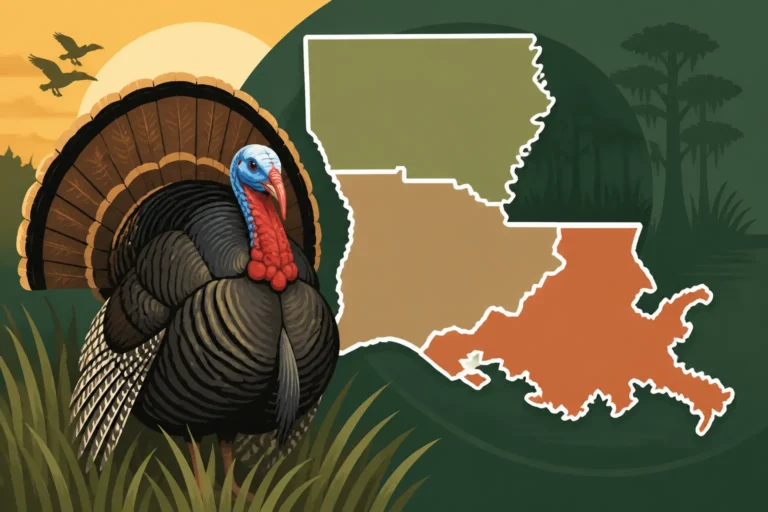
Louisiana is a big state with varying turkey populations and habitats, so it makes sense that the season dates themselves are broken down into different hunting areas. We have Area A, Area B, and Area C, and each of these has specific opening and closing dates for turkey season. This is where a lot of hunters get a little confused, thinking that the bag limit might change with the area. But here's the crucial takeaway: while the length of your hunting opportunity might differ, the actual daily and season bag limits remain constant – one gobbler a day, two per season.
For instance, Area A typically boasts the longest season, giving hunters a generous window to fill their two-gobbler limit. This extended period can be a real blessing, especially when spring weather is unpredictable or if you have a busy schedule. You might find yourself taking a bird early in the season and then patiently waiting for the gobblers to get vocal again later in the spring before trying to tag your second. Contrast that with Area C, which usually has the shortest season. Here, you'll need to be much more strategic with your hunting days. You still have the opportunity to harvest two birds, but that window closes much faster, meaning every hunt counts. Understanding these area-specific nuances is key to planning your season effectively. It’s not about getting more birds in a specific area, but about having a longer or shorter timeframe to achieve that consistent two-bird maximum. To really dive deep into the specific dates for your chosen zone, you'll want to review the Louisiana Turkey Area A, B and C Rules annually. Knowing these dates inside and out will prevent you from accidentally hunting out of season, which is just as important as knowing your bag limit.
Special Considerations for Youth and Physically Challenged Hunters
Louisiana is fantastic about providing opportunities for the next generation of hunters and for those with physical challenges. Special youth and physically challenged hunter weekends are designated before the general season opens in many areas. These early opportunities are incredibly valuable, giving these hunters a chance to experience the woods when gobblers are often less pressured and more vocal.
During these special hunts, the daily bag limit remains one gobbler. Crucially, any gobbler harvested during these early weekends counts toward the hunter's overall two-gobbler season limit. So, if a youth hunter takes a gobbler during the special youth weekend, they still only have one more gobbler they can legally harvest during the remainder of the regular spring turkey season. These special opportunities are designed to enhance participation and create lasting memories, not to provide an additional bag beyond the statewide limit. It's a chance to get a jump start on the season and enjoy some prime hunting conditions. Many of the general guidelines from the wider Louisiana Youth and Veterans Weekend Rules often apply here, with specific turkey details outlined in the annual turkey regulations. Always confirm the exact dates and rules for these special hunts directly from the Louisiana Department of Wildlife and Fisheries (LDWF) before heading out.
The Essential Step of Reporting Your Spring Turkey Harvest
Hunting is more than just the pursuit of game; it's an active role in conservation. One of the most critical responsibilities a hunter has, especially after a successful spring turkey hunt, is to accurately and promptly report their harvest. This might seem like a bureaucratic step, but it’s a cornerstone of effective wildlife management.
Why Accurate Reporting Fuels Future Turkey Seasons
Imagine trying to manage a bank account without knowing how much money is coming in or going out. It'd be chaos, right? Wildlife management is similar. The LDWF relies heavily on harvest data provided by hunters to make informed decisions about future seasons, bag limits, and conservation strategies. When you report your harvested gobbler, you’re not just checking a box; you’re providing vital information about turkey populations, hunter effort, and distribution. This data helps biologists understand Louisiana Turkey Population Trends, assess the health of the flock, and determine if changes need to be made to ensure sustainable hunting opportunities for years to come.
Without accurate reporting, the state's wildlife agencies are essentially flying blind, making it much harder to balance hunter demand with the biological needs of the turkey population. Your reported harvest, along with data from other hunters, contributes to the overall Louisiana Turkey Harvest Numbers, which are critical metrics. It’s a direct way for every hunter to contribute to the future of the sport, ensuring that the thrill of a spring gobbler hunt remains a cherished tradition in Louisiana. Think of it as your personal contribution to keeping those gobblers hammering in the woods every spring.
Step-by-Step Guide to Digital Harvest Reporting
Gone are the days of paper tags and mailing in forms. In Louisiana, reporting your turkey harvest is a streamlined digital process, primarily through the LDWF’s convenient website or their official mobile application. This makes it quick, easy, and efficient, ensuring your data is captured promptly.
Here’s a general rundown of how it works:
- Tag Your Bird Immediately: As soon as you harvest a gobbler, you must immediately tag it using your physically purchased tag or by noting your harvest information on a piece of paper if you're using a digital license. This step is critical and legally required before you move the bird.
- Access the Reporting System: Within 72 hours of harvest (or before the bird is processed for consumption, whichever comes first), you need to report your kill. You can do this by visiting the LDWF website or, even better, by downloading and using the official "LDWF Hunting & Fishing" mobile app. The app is fantastic because it works even in areas with spotty cell service, allowing you to record your harvest offline and then upload it once you regain connectivity.
- Enter the Details: The system will prompt you for specific information, including:
- Your license number.
- The date and time of harvest.
- The parish where the bird was taken.
- The type of land (public WMA, private, National Forest, etc.).
- Whether the bird was a gobbler or jake (though typically jakes are not legal in spring season, it's good practice to understand).
- Spur length and beard length are also often requested, providing valuable biological data.
- Receive Confirmation: Once submitted, you'll receive a confirmation number. Keep this number handy, as it serves as proof that you’ve legally reported your harvest.
It’s a straightforward process designed to make compliance easy for hunters. Don't skip this step! It's not just a regulation; it's how we all play a part in managing our precious wild turkey resource.
Navigating the Season Successfully and Legally
Spring turkey season in Louisiana offers some of the most exciting hunting opportunities of the year, but with different zones and specific regulations, it's easy to overlook a small detail that could lead to a big problem. A little preparation and attention to detail can make all the difference between a successful, stress-free hunt and an unwanted encounter with a game warden.
Confirming Your Hunting Area and Dates is Crucial
You wouldn't start a road trip without checking your map, right? The same logic applies to turkey hunting. Before you even think about putting on your camo and heading to the woods, you absolutely must confirm which hunting area your chosen spot falls into. Louisiana has three distinct turkey hunting areas: A, B, and C, each with its own specific season dates. What's legal on one side of a parish line might be illegal on the other.
This isn't just about avoiding a ticket; it's about making sure you're hunting when the season is open and the turkeys are available. Imagine the heartbreak of finally getting a gobbler to commit, only to realize you're a week early or a week late for that specific zone. Tools like the official LDWF website and their interactive maps are invaluable resources. Many seasoned hunters also swear by mapping applications like GoHunt, which can overlay public land boundaries and even show you which hunting area you're standing in, often with real-time GPS. This can be particularly useful if you're exploring new public lands or hunting near a parish boundary. Knowing your exact location and its corresponding area dates is as fundamental as knowing how to Call a Louisiana Gobbler Off the Roost. Always cross-reference multiple sources, especially if you're near a boundary, to ensure you're on the right side of the law. This diligent preparation is a key part of Scouting Louisiana Public Land Before Season and will undoubtedly lead to a more enjoyable and legal hunt.
Avoiding Common Pitfalls in Bag Limit Compliance
Even the most experienced hunters can make mistakes if they're not careful. When it comes to spring turkey bag limits in Louisiana, some common pitfalls can trip hunters up. Being aware of these can help you avoid unintended violations.
One of the most frequent issues arises when hunters assume they have a "bank" of two birds per area rather than two birds per season statewide. If you hunt in Area A and take a gobbler, and then later decide to hunt in Area B, you still only have one gobbler remaining for the entire season. Your second bird from Area A does not magically reset when you cross into Area B. Your personal season limit is two birds, period, no matter how many areas you hunt or how long the different seasons are. Another trap can be misidentifying a bird. While Louisiana's spring season is typically gobbler-only (meaning male turkeys), a jake (a young male turkey, usually with a short beard and spurs) is considered a legal gobbler. However, it’s vital to be absolutely sure of your target. Firing at a hen by mistake is a serious violation and entirely avoidable. Take your time, confirm your target is a legal gobbler, and ensure it's a clean shot.
Additionally, always double-check the harvest reporting deadline. While the 72-hour window seems generous, it can slip by, especially if you're busy at work or traveling after a hunt. Setting a reminder on your phone as soon as you tag a bird is a great habit to adopt. Remembering these simple steps will ensure your focus stays on the incredible experience of the hunt itself, whether you're Setting Up Against a Big Oak or engaging in some aggressive Run-and-Gun Turkey Tactics on Public Land.
Here’s a quick overview of Louisiana’s spring turkey season areas and their typical characteristics, keeping in mind that the statewide bag limits remain consistent across all of them:
| Hunting Area | Typical Season Length | Daily Bag Limit | Season Bag Limit | Key Consideration |
|---|---|---|---|---|
| Area A | Longest (often 4-5 weeks) | 1 Gobbler | 2 Gobblers | Offers extended opportunity; popular for those with flexible schedules. |
| Area B | Medium (often 3-4 weeks) | 1 Gobbler | 2 Gobblers | Balanced season length; good for hunters across various regions. |
| Area C | Shortest (often 2-3 weeks) | 1 Gobbler | 2 Gobblers | Requires strategic hunting due to limited time frame; usually in southeast LA. |
| Youth/Physically Challenged | Special Early Window | 1 Gobbler | 2 Gobblers | Early access, harvest counts toward statewide season limit. |
Note: Specific season dates vary annually. Always check the official LDWF hunting regulations for the current year.
Disclaimer
The information provided in this guide is for general informational purposes only and does not constitute legal advice. Hunting regulations, seasons, and bag limits are subject to change. Always consult the most current official Louisiana Department of Wildlife and Fisheries (LDWF) regulations and laws before engaging in any hunting activities. Adherence to all local, state, and federal laws is the responsibility of the individual hunter.