Finding a Louisiana CWD Sampling Location
It's no secret that Chronic Wasting Disease (CWD) has thrown a curveball into deer hunting in Louisiana. Hunters are already balancing work, family, and precious time afield, and now there’s the added layer of understanding new regulations, especially around carcass movement and mandatory testing. It can feel overwhelming trying to keep up with what's required and, more importantly, where to even take your harvested deer for sampling. This guide is here to cut through the confusion and walk you through exactly how to find a Louisiana CWD sampling location, ensuring you stay compliant and help protect our deer herd.
Understanding Chronic Wasting Disease and Its Impact on Hunters
Chronic Wasting Disease is a serious, fatal neurological disease that affects deer, elk, and moose. It's caused by abnormal proteins called prions, and once it's in an area, it's incredibly difficult to eradicate. For Louisiana hunters, the discovery of CWD in the state has meant significant changes to how we hunt and handle deer, particularly in specific geographic zones. These aren't just arbitrary rules; they're critical steps to monitor the disease's spread and protect the health of our deer population for future generations.
Why CWD Testing is Crucial for Louisiana Deer
When CWD was first detected in Louisiana, particularly in areas like Tensas Parish, it sent ripples through the hunting community. Suddenly, the disease wasn't just something we read about in other states; it was on our doorstep. The Louisiana Department of Wildlife and Fisheries (LDWF) immediately implemented measures to track and hopefully contain its spread. Mandatory testing in CWD Management Zones is a cornerstone of this strategy. By collecting samples from harvested deer, biologists can map the disease's prevalence, identify new areas of concern, and tailor management strategies.
Imagine putting in all that effort: scouting public land before season, maybe even using tools like GoHunt to analyze aerial photos and identify prime bedding areas or travel corridors. You finally connect with a great buck, put in the hard work of a recovery, and then you're faced with the question of what to do next. Knowing about CWD testing requirements and where to go is now an essential part of that successful hunt, not just an afterthought. It's a way for every hunter to contribute to the long-term health of our wildlife resources.
Navigating CWD Management and Enhanced Mitigation Zones
Louisiana has established specific zones to manage CWD. Currently, these include a CWD Management Zone and, within that, an Enhanced Mitigation Zone. The rules for carcass movement and mandatory sampling differ slightly between these areas, and it's absolutely vital to know which zone you're hunting in. For instance, in an Enhanced Mitigation Zone, you'll find stricter rules regarding the movement of deer carcasses, often prohibiting the removal of whole carcasses or certain parts outside the zone.
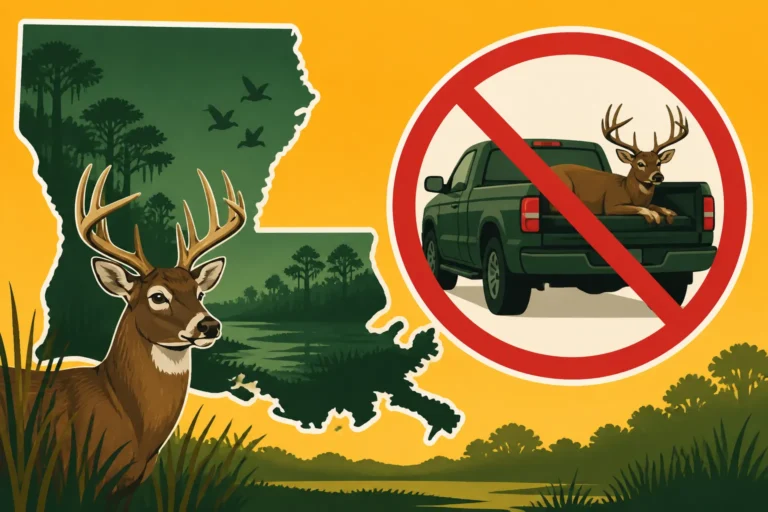
This means if you harvest a deer in one of these zones, you can't just throw it in the truck and head straight home to process it, especially if home is outside the designated area. You must take it to an approved sampling location. This might seem like an extra hassle after a long day in the woods, but it's a necessary step to prevent inadvertently spreading prions to new areas. Understanding these zones is the first step in knowing if and where you need to get your deer tested. You can find up-to-date maps of these zones on the LDWF website, which is typically the most reliable source for current regulations.
Types of CWD Sampling Locations Available to Hunters
When it comes to getting your deer tested for CWD, Louisiana offers a couple of different options, designed to give hunters flexibility while still ensuring proper sample collection. Knowing the difference between these will help you choose the best route after your harvest.
Self-Service CWD Kiosks: Convenience and How They Work
Self-service CWD kiosks are becoming more common and offer a convenient option for hunters, especially those who hunt frequently or in areas where a staffed station might not be readily available. These kiosks are usually set up at strategic locations like WMA entrances, public boat launches, or rural stores in CWD-affected parishes. They're typically operational 24/7 during deer season, giving you the flexibility to submit a sample at any time, day or night.
When you arrive at a self-service kiosk, you'll find instructions clearly posted. The basic process involves taking a lymph node sample from the deer's neck and placing it in a provided sample bag. You'll also need to fill out a data card with important information like your name, license number, harvest date, and the specific location of your harvest. Many kiosks will also require you to scan your deer tag via the Louisiana Outdoors Public Safety & Hunting App or website, linking your harvest report to the CWD sample. It's a straightforward process, but it does require you to be comfortable with the simple field dressing step of extracting the lymph nodes. If you're unsure, there are usually diagrams or online tutorials available from LDWF to guide you. It's a fantastic solution for hunters who prioritize efficiency and aren't squeamish about a little extra field work.
Staffed CWD Sampling Stations: Expert Assistance and Scheduled Hours
For hunters who prefer assistance or are new to CWD sampling, staffed CWD sampling stations are an excellent resource. These stations are typically set up at LDWF offices, certain Wildlife Management Areas (WMAs), or designated check stations during peak hunting periods, especially on opening weekends of firearms seasons. The major advantage here is that LDWF personnel or trained volunteers are on hand to help you with the sampling process, or even take the sample for you.
Staffed stations provide an opportunity to ask questions about CWD, learn more about the regulations, and ensure your sample is collected correctly. They can be especially helpful if you're feeling a bit overwhelmed by the process or if it's your first time. The main downside, of course, is that they operate during specific hours, so you'll need to plan your hunt and travel accordingly. You might also encounter lines during busy times, particularly on days like the statewide gun opener. However, the peace of mind that comes with having an expert handle the sample can be well worth the wait. Sometimes, these stations are part of a larger check-in process, particularly for certain WMA Quota Hunt Sign-In Process days, making it a one-stop shop for compliance.
How to Locate a CWD Sampling Station Near You
Finding the nearest CWD sampling station can sometimes feel like a treasure hunt, but with the right tools, it's actually quite simple. The Louisiana Department of Wildlife and Fisheries (LDWF) provides several excellent resources to help you pinpoint exactly where you need to go. Don't wait until you have a deer on the ground to figure this out; do a little prep work beforehand!
Utilizing the LDWF Website and Interactive Maps
Your absolute best friend for finding CWD sampling locations will be the official LDWF website. They maintain an updated list and interactive map specifically dedicated to CWD information, including all known sampling stations. Seriously, bookmark this page! When you visit the site, look for sections related to "Deer Hunting" or "Chronic Wasting Disease." Within these sections, you'll almost always find a link to CWD sampling locations.
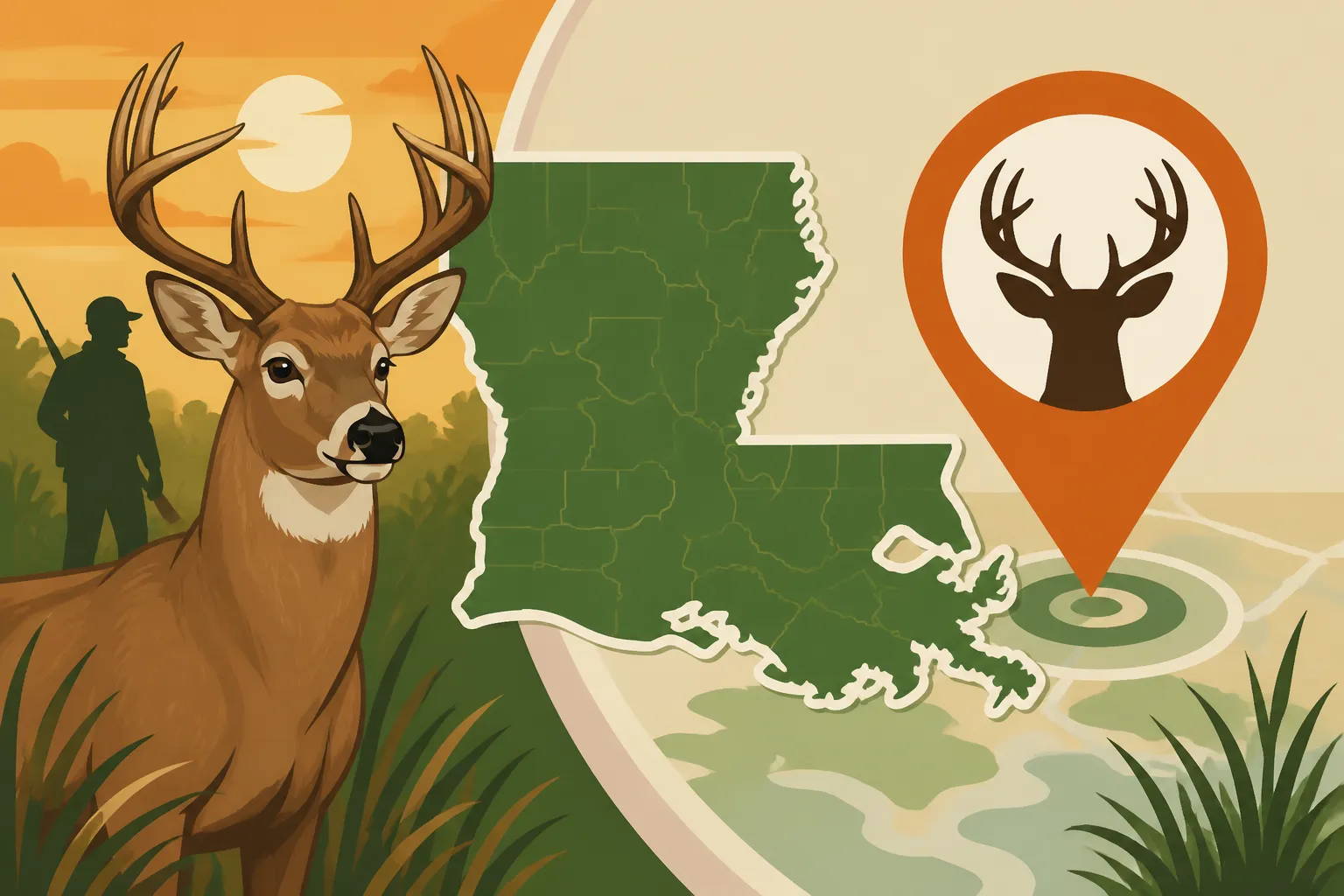
The interactive map is particularly useful. It typically uses pins or markers to show the exact spots where self-service kiosks and staffed stations are located. You can often zoom in, click on a pin for more details like addresses, operating hours (for staffed stations), and specific instructions. This level of detail is invaluable for planning your post-harvest logistics, especially if you're hunting in a new area. Let's say you're hunting in the Tensas River Basin, an area known for both its deer and its CWD challenges. You'll definitely want to check the LDWF map to see the closest sampling site before you head out. Planning your entry and exit routes, as well as considering your CWD sampling stop, is just as important as deciding on your Treestand Setups in Kisatchie National Forest or a new approach for Hunting Atchafalaya Basin Swamp Deer.
Leveraging the Louisiana Outdoors Public Safety & Hunting App
In today's digital age, our phones are rarely far from our grasp, and the Louisiana Outdoors Public Safety & Hunting App is another powerful tool in your CWD sampling arsenal. This app, available for both iOS and Android devices, isn't just for checking your license or reporting a harvest; it also often integrates CWD sampling information. Many state wildlife apps, including Louisiana's, will have a dedicated section or map overlay that shows CWD sampling locations.
The advantage of using the app is its portability and real-time capabilities. You can check locations while you're still in the field, or even when you're driving to your hunting spot. Some apps even offer GPS integration, allowing you to get directions directly to the nearest sampling station. This can be a real lifesaver if you're in an unfamiliar part of the state. For instance, if you're just finished Hunting Louisiana's Year-Round Feral Hogs and then harvested a deer, you can quickly switch to the CWD map within the app. Always make sure your app is updated to ensure you have the latest information.
Calling Your Local LDWF Office or Enforcement Agent
While digital tools are incredibly convenient, sometimes there's no substitute for a human conversation. If you're having trouble locating a station, or if you have specific questions about the sampling process, don't hesitate to call your local LDWF regional office. The staff there are a wealth of knowledge and can provide precise directions, current hours for staffed stations, and clarify any confusing regulations.
You can also reach out to an LDWF enforcement agent in your area. These agents are constantly patrolling and are very familiar with the local hunting landscape, including where CWD stations are located. They can often provide the most up-to-date information, especially if there have been temporary station changes or new kiosks added. You might be surprised how helpful they can be in ensuring you're doing things correctly. They're not just there to write tickets; they're also a vital resource for hunters who want to be compliant and responsible.
Utilizing Online Hunting Communities and Forums
While not an official source, online hunting communities and forums dedicated to Louisiana hunting can sometimes offer real-time, ground-level information. Hunters often share their experiences, including where they found active sampling stations, any issues they encountered, or tips for using self-service kiosks. Brands like GoHunt, for example, often have robust online communities where hunters discuss various topics, including localized hunting regulations and issues like CWD.
Just be sure to cross-reference any information you find on these forums with official LDWF sources. Regulations can change, and what one hunter experienced last week might not be entirely accurate this week. However, these communities can be great for getting a general idea or finding out if a particular station is unusually busy. It's a bit like getting local intel from fellow hunters, which can be super valuable in a pinch, but always verify with official channels.
What to Expect and How to Prepare for CWD Sampling
Once you've located your sampling station, it's a good idea to know what to expect and how to prepare. A little foresight can save you time and frustration, making the entire process smoother after a successful hunt.
The Sample Collection Process
Whether you're using a self-service kiosk or visiting a staffed station, the core of CWD sampling involves collecting specific tissue from the deer. The most common sample taken for CWD testing is the retropharyngeal lymph nodes, located in the deer's throat/neck area. At a staffed station, an LDWF technician will usually handle this. They are skilled and efficient, and it often takes just a few minutes.
If you're using a self-service kiosk, you'll be responsible for taking the sample yourself. Don't worry, it's not overly complicated, but it does require a sharp knife and a willingness to get a little messy. The kiosks will have detailed instructions, often with diagrams, showing exactly where to find these lymph nodes. Essentially, you'll need to make an incision in the neck area behind the jawbone to expose them. They look like small, kidney-bean-shaped glands. Once you've extracted them, you place them in the provided sample bag, fill out the necessary information card, and deposit them in the designated drop box. It’s always a good idea to review the LDWF's instructional videos or guides on sampling before you go, just to feel more confident.
Necessary Information and Documentation
Before you head to a sampling station, make sure you have all your necessary information and documentation ready. This typically includes:
- Your hunting license and deer tags: You'll need your license number, and you might need to tag your deer and report the harvest before or at the sampling station. Remember the rules for Louisiana Deer Reporting Requirements.
- Harvest information: Date of harvest, parish of harvest, specific location (e.g., WMA name, nearest road intersection, GPS coordinates), and deer characteristics (sex, estimated age).
- A pen/pencil: For filling out any physical forms at kiosks.
- Gloves: Essential for hygiene during sample collection, especially if you're taking the sample yourself.
- A cooler with ice: To keep the deer carcass cool, especially in Louisiana's often warm weather, while you transport it to the station and potentially back home for processing. This is critical for meat quality, too.
Having this information readily available will expedite the process, whether you're at a staffed station or a kiosk. No one wants to be fumbling around for a pen or trying to remember the exact harvest date after a long day.
Transporting Your Deer Carcass to a Sampling Site
Transporting a deer carcass, especially from a CWD-affected zone, comes with specific rules. The primary concern is preventing the spread of CWD prions. This often means that you cannot transport a whole deer carcass out of a CWD Management Zone. Generally, you'll need to debone the animal or remove only specific parts (like deboned meat, clean skull plate with antlers, or hide) before leaving the zone. The lymph node sample itself is usually collected before carcass parts are moved.
It's absolutely critical to check the current LDWF regulations for Louisiana Carcass Movement Restrictions each season, as these can change. Failure to comply can result in citations and fines. So, after you’ve field-dressed your deer, consider your sampling destination. If it’s within the CWD zone, great. If you need to leave the zone for sampling (which is often the case if you're coming from an Enhanced Mitigation Zone to a CWD Management Zone staffed site, for example), ensure you've taken the necessary steps to reduce the carcass to legal transportable parts before heading out. Always double-check what's allowed.
What Happens After You Submit Your Sample
After you've submitted your sample, the waiting game begins. LDWF typically sends these samples to a diagnostic lab for testing. The turnaround time can vary, but generally, you can expect results within a few weeks. You won't usually receive a call or notification if your sample tests negative. However, if a sample does test positive for CWD, LDWF will directly contact the hunter to provide guidance on next steps and confirm the results.
It's important to know that while your deer is being tested, you can typically proceed with processing your venison as usual. Most hunters process their deer after sampling. The meat itself is not considered a risk for CWD transmission to humans, but general food safety practices should always be followed. It’s important for hunters to be patient and trust the process. Your participation is a vital part of safeguarding Louisiana's deer hunting future.
Key Considerations and Hunter Responsibilities
Being a responsible hunter in Louisiana goes beyond just understanding the seasons and bag limits. With CWD now a reality, it includes a heightened awareness of how we manage our harvests and interact with the landscape.
Staying Informed About Changing Regulations
The CWD situation is dynamic, and regulations can change from season to season, or even within a season, based on new detections or scientific findings. It is your responsibility as a hunter to stay informed. Don't rely on old information or what you heard at deer camp last year.
Before heading into the woods each season, make it a point to:
- Visit the official LDWF website.
- Review the current hunting regulations pamphlet (often available online and at license vendors).
- Check for CWD-specific news releases or updates.
- Consult the Louisiana Outdoors Public Safety & Hunting App for real-time alerts.
This proactive approach ensures you're always operating within the most current guidelines, whether you're planning for Bowhunting Louisiana's Long Archery Season or getting ready for Primitive Firearms Deer Hunting in Louisiana. Staying informed helps protect our deer and your privilege to hunt them.
Best Practices for Hunters in CWD Zones
Beyond mandatory testing, there are several best practices that every hunter in or near a CWD zone should adopt:
- Mindful Carcass Disposal: If you process your deer at home, especially outside of a CWD zone, be mindful of how you dispose of carcass waste. Do not simply dump bones or other remains in the woods, as this could potentially spread prions. Check with your local waste management for appropriate disposal methods or, if allowed, bury remains deeply.
- Cleanliness: Thoroughly clean all hunting equipment (knives, saws, processing tools) that has come into contact with deer, especially if you hunt in multiple locations, or if you're sharing equipment.
- Don't Bait in Enhanced Mitigation Zones: Louisiana has implemented baiting bans in Enhanced Mitigation Zones to reduce deer congregation, which can increase the risk of CWD transmission. Adhere strictly to these rules.
- Report Sick Deer: If you observe any deer exhibiting symptoms consistent with CWD (e.g., emaciation, drooling, neurological issues, abnormal behavior), report it immediately to LDWF. Do not approach or harvest a visibly sick animal.
These practices, combined with vigilant participation in CWD testing, are our best defense against the further spread of this disease.
Table: Overview of CWD Sampling Options in Louisiana
To help you quickly grasp the different sampling options, here's a table summarizing key aspects:
| Feature | Self-Service CWD Kiosk | Staffed CWD Sampling Station |
|---|---|---|
| Availability | Typically 24/7 during deer season | Specific hours, usually during peak hunting weekends/days |
| Location | WMAs, boat launches, rural stores, designated drop sites | LDWF offices, major WMAs, specific check stations |
| Assistance | None; hunter performs sample collection | LDWF personnel or trained volunteers assist/collect sample |
| Skill Required | Hunter must be comfortable with lymph node extraction | No hunter skill required for sample collection |
| Pros | Maximum flexibility, often closer to hunting areas | Expert assistance, questions answered, less hunter effort |
| Cons | Requires hunter to perform sampling, no direct questions | Limited hours, potential wait times, may require travel |
| Required Items | Hunting license, deer tag, harvest info, pen, gloves, bag | Hunting license, deer tag, harvest info (staff often provides materials) |
| Primary Use Case | Regular hunters, late-night harvests, convenience | First-time testers, unsure hunters, specific event dates |
This table should give you a quick reference point when deciding which sampling option works best for your specific situation after a harvest.
Disclaimer
The information provided in this guide is intended for general informational purposes only and is subject to change. Hunting regulations, CWD zones, and sampling procedures are determined by the Louisiana Department of Wildlife and Fisheries (LDWF) and can be updated at any time. Hunters are solely responsible for verifying and complying with all current state and federal hunting laws, regulations, and licensing requirements. Always consult the official LDWF website and current regulations pamphlet before engaging in any hunting activities.