Louisiana Nonresident Annual License Cost
Trying to figure out all the fees and licenses you need to hunt in a new state can feel like navigating a cypress swamp in the dark – confusing and potentially costly if you take a wrong turn. For those of us looking to experience the incredible hunting opportunities Louisiana offers, understanding the nonresident annual license cost and what it truly covers is step one. This guide is here to shine a light on exactly what you’ll be spending, what those dollars get you, and how to get everything you need so you can focus on the hunt, not the paperwork.
Understanding Louisiana's Nonresident Annual Hunting License Costs
Louisiana offers some truly fantastic hunting, from the abundant deer herds in the piney hills to the legendary waterfowl in the coastal marshes. But before you can even think about setting up a Treestand Setups in Kisatchie National Forest or trying your hand at Rattling and Grunting in Louisiana for a buck, you’ve got to get your licenses in order. For nonresidents, this involves a few distinct costs that add up to your total hunting permission slip.
The Basic Annual Nonresident Hunting License Fee
The cornerstone of your Louisiana hunting adventure as a nonresident is the Nonresident Basic Hunting License. This is your general pass that allows you to hunt non-big game animals like small game (squirrels, rabbits), furbearers, and other designated species, but it doesn't cover everything. As of the most recent regulations, this basic license typically runs around $200.00. It's a significant jump from what residents pay, which is usually just a fraction of that, reflecting the state's intent to prioritize opportunities for its taxpayers.
Now, don't confuse this basic hunting license with something that automatically grants you access to every type of hunting. It's truly a foundational piece. Think of it as your entry ticket into the general hunting scene. It's a crucial first step, but for the most popular species, you'll need to build on that foundation with specific stamps and tags. This initial investment covers your ability to pursue a wide array of smaller game, but for anything bigger or migratory, there are additional steps, and rightly so, as these species often require more dedicated management efforts and resources from the state.
Required Add-On Licenses for Specific Game
Once you have your Nonresident Basic Hunting License, you'll quickly realize that to pursue Louisiana's big game or migratory birds, you need a few more specialized permits. These aren't optional; they're legally required add-ons that designate your intent to hunt specific species and contribute to their management and conservation efforts.
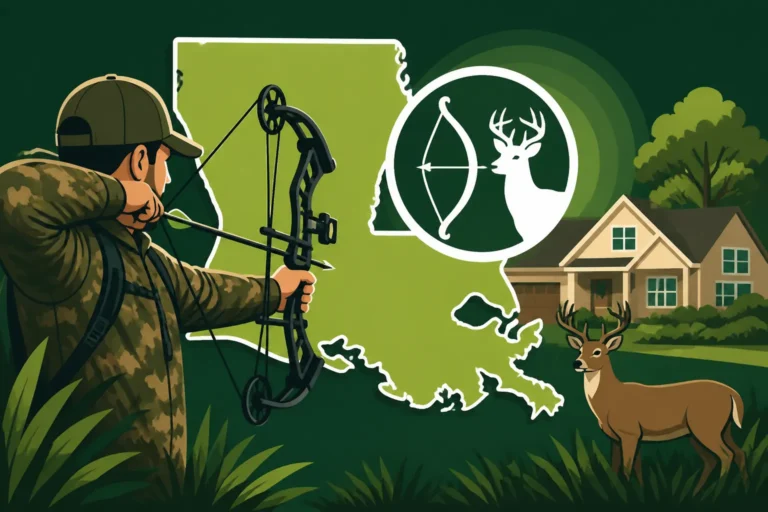
First up, if you're dreaming of a Louisiana buck, you'll need the Nonresident Deer License, often referred to as a deer tag. This isn't just a formality; it allows you to legally harvest deer within the state's bag limits and reporting requirements. This tag, crucial for any deer hunter, will set you back around $100.00. This is on top of your basic license, so you're already looking at a substantial investment just to get out for deer. It's essential to understand the specific Louisiana Deer Tag Add-On Cost and ensure you have it before heading afield. The state utilizes these fees directly for habitat improvement, research, and enforcement related to the white-tailed deer population. Without this tag, even if you have the basic hunting license, harvesting a deer is strictly prohibited and carries significant penalties.
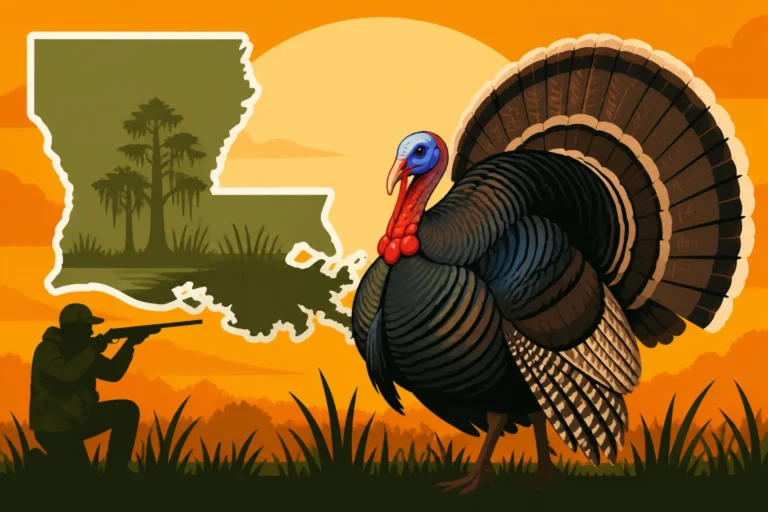
Similarly, if you're planning on chasing gobblers in the springtime, a separate Nonresident Turkey License is mandatory. This tag, which ensures you can legally pursue wild turkeys during the designated seasons and adhere to bag limits, typically costs around $100.00. Just like the deer tag, this is an additional fee layered onto your basic hunting license. Each of these species-specific tags helps fund the conservation programs that ensure healthy populations for future hunting seasons. Knowing the Louisiana Turkey Tag Add-On Cost is vital for proper planning. It's not just about the cost, but also about the regulations that come with it, such as how many birds you can harvest and the reporting requirements.
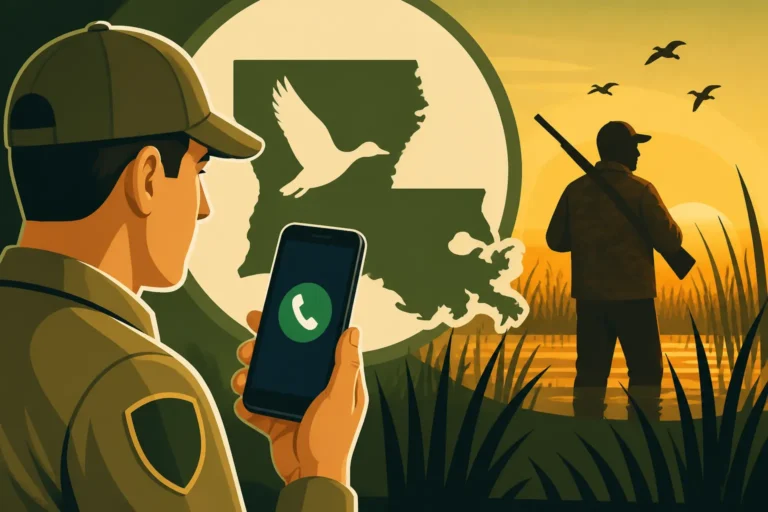
And let's not forget about the incredible waterfowl hunting Louisiana is famous for. If ducks and geese are on your agenda, you'll need several more stamps. This includes the Federal Duck Stamp, which is a requirement across the U.S. for all waterfowl hunters 16 years or older and costs around $25.00. You'll also need a Louisiana Migratory Bird Hunter Certification (often called HIP certification), which is usually free but mandatory to track hunter participation. Finally, a Louisiana State Duck License is also required, typically costing around $15.00 for nonresidents. These stamps and certifications are vital for funding wetland conservation and management efforts along the Mississippi Flyway. Without these, your incredible opportunities for Waterfowl Hunting the Louisiana Coastal Marsh or Hunting Cameron Parish Marsh Ducks would simply not exist.
Totaling Up the Costs for a Typical Nonresident Hunter
When you start adding up all these individual components, the total cost for a nonresident to hunt in Louisiana can quickly climb. It's not just a single fee, but a stack of permits and tags, each contributing to the state's conservation efforts. Let's look at a couple of common scenarios to give you a clearer picture.
Imagine you're primarily coming to Louisiana to hunt deer. Your minimum cost would involve the Nonresident Basic Hunting License and the Nonresident Deer License. That's $200.00 + $100.00, bringing your total to $300.00 before you've even packed your rifle. If you're hoping to chase a big gobbler during Spring Turkey Hunting in Louisiana as well, you'll need to add that turkey tag, pushing your total to $400.00. These figures don't include any WMA permits or special lottery applications, which could add further costs depending on where and how you plan to hunt.
Now, consider a dedicated waterfowl hunter. They'll need the Nonresident Basic Hunting License ($200.00), the Federal Duck Stamp ($25.00), the Louisiana State Duck License ($15.00), and the HIP Certification (Free). This brings their minimum cost to $240.00. If they decided to add deer hunting to that trip, it would jump another $100.00. This layering of licenses is important to understand when budgeting for your trip.
Here's a quick summary table of the typical costs you might encounter:
| License/Permit Type | Typical Nonresident Cost | What It Covers |
|---|---|---|
| Nonresident Basic Hunting License | $200.00 | Small game, furbearers (required for all other add-ons) |
| Nonresident Deer License (Deer Tag) | $100.00 | Hunting white-tailed deer |
| Nonresident Turkey License (Turkey Tag) | $100.00 | Hunting wild turkey |
| Federal Duck Stamp | $25.00 | Required for all migratory waterfowl hunting (ages 16+) |
| Louisiana State Duck License | $15.00 | Required for all migratory waterfowl hunting |
| HIP Certification | Free | Required for all migratory bird hunting (to track participation) |
It's clear that while the hunting opportunities are vast and exciting, they come with a price tag that nonresidents need to factor into their overall trip planning. This tiered system ensures that those who benefit from the state's natural resources contribute directly to their maintenance and enhancement, allowing for sustainable hunting for years to come. This approach helps the Louisiana Department of Wildlife and Fisheries (LDWF) manage game populations effectively across all Louisiana's Ten Deer Hunting Areas Explained.
Where to Purchase Your Louisiana Nonresident License
Once you've wrapped your head around the various costs, the next logical step is figuring out where and how to actually acquire these licenses. Thankfully, Louisiana has made the process fairly straightforward, primarily through online channels, but traditional methods are still an option. It’s always best to secure your licenses well in advance of your trip to avoid any last-minute stress.
Online Purchase Through LDWF and Third-Party Sites
The most convenient and recommended way to purchase your Louisiana nonresident hunting licenses is directly through the Louisiana Department of Wildlife and Fisheries (LDWF) official website. Their online portal is designed to guide you through the process, allowing you to select the appropriate basic license, add-on tags, and stamps you need. You'll create an account, input your personal information (including your hunter education certification number, if required), and pay securely with a credit card. Once purchased, you'll typically receive an electronic copy of your license that you can print out or save to your mobile device, which serves as your legal proof of licensure in the field. This digital format is incredibly handy, making it easy to carry proof of your license without worrying about losing a physical card.
While the official LDWF website is your primary source, platforms like GoHunt can often aggregate this information and sometimes even offer direct links or guidance on purchasing licenses for various states, including Louisiana. These types of services aim to streamline the planning process for hunters, providing a centralized hub for regulations, draw odds, and licensing information, making it easier for nonresidents to navigate the complexities of multiple state requirements. Whether you use the direct state portal or a helpful resource like GoHunt, ensure you're always getting the most current information and purchasing from a legitimate source to avoid any issues afield. It's particularly important for nonresidents to double-check their selections, making sure they haven't accidentally opted for a Louisiana Resident Hunting License Options that they aren't eligible for.
In-Person Options and What to Expect
For those who prefer a more traditional approach, or perhaps find themselves in Louisiana without their licenses secured, you can still purchase them in person. Many sporting goods stores, bait shops, and even some general stores across the state are authorized vendors for LDWF licenses. You'll typically need to provide your valid driver's license or state ID, along with any hunter education certification details, to the vendor. They will then process your request and issue you a physical license and tags on the spot.
The primary advantage of purchasing in person is the immediate gratification of having a physical license in hand. It can also be a good opportunity to ask local hunters or store staff about current conditions or local hot spots, though always remember to verify legal hunting areas yourself. However, the downside is that not all vendors carry every single license type, especially for specific nonresident combinations. While most will have the basic and common add-ons like deer and turkey tags, it's always wise to call ahead if you need something very specific. This method also requires you to be physically present, which might not be feasible if you're trying to plan your trip entirely from out of state. However, it's a solid backup plan if you arrive early or encounter any technical glitches with the online system.
Other Important Considerations for Nonresident Hunters
Beyond the direct costs of licenses and tags, there are several other critical factors that nonresident hunters need to keep in mind when planning their Louisiana adventure. Overlooking these details can lead to frustration, unexpected expenses, or even legal trouble. A little foresight can go a long way in ensuring a smooth and successful hunting trip.
Short-Term Versus Annual License Choices
One of the first decisions a nonresident hunter faces is whether to invest in the annual license package or opt for a short-term alternative. Louisiana offers a Louisiana Nonresident Five-Day License Cost option, which can sometimes be more economical if your trip is brief and focused on specific game. For instance, if you're only planning a quick long weekend hunt for ducks, a 5-day license might be sufficient and save you some money compared to the full annual package. You'll still need to add the species-specific tags and stamps (like the Federal Duck Stamp and Louisiana State Duck License), but the basic hunting license component will be significantly cheaper.
However, if you anticipate making multiple trips to Louisiana within the license year, or if your single trip extends beyond five days, the annual license quickly becomes the more cost-effective choice. It covers you from the license year's start (typically June 1st) all the way through May 31st of the following year, allowing you to pursue various species across different seasons, like early archery deer, then perhaps late-season ducks, or even Spring Turkey Hunting in Louisiana the following spring. It’s a matter of weighing your planned duration and frequency of hunts against the upfront cost. Often, two short trips will make the annual license a better value, especially if you plan to hunt multiple species. GoHunt or similar platforms often provide useful tools to compare these options, helping you make an informed financial decision based on your specific hunting plans.
Hunter Education Requirements for Nonresidents
Louisiana, like most states, has mandatory hunter education requirements, and these apply to nonresidents as well. Generally, anyone born on or after September 1, 1969, must have successfully completed an approved hunter education course to hunt in Louisiana. This isn't just a suggestion; it's a legal requirement designed to ensure safety and responsible hunting practices. The good news is that Louisiana recognizes hunter education certifications from other states, so if you've already completed a course in your home state, you're likely good to go. You’ll need to carry proof of this certification, just like your hunting license, while in the field.
There are some exceptions, such as the Apprentice Hunter License, which allows individuals who haven't completed hunter education to hunt under the direct supervision of a licensed hunter who is 18 years or older. This can be a great way for new hunters, or those visiting from out of state who haven't yet taken a course, to experience hunting in Louisiana. However, it comes with strict supervision rules that must be adhered to. It's always best to check the current Who Needs Louisiana Hunter Education rules before your trip. Ensuring you meet this requirement is just as important as having the right licenses; an oversight here can lead to fines and a ruined hunt.
WMA Permits and Special Hunt Applications
If you're planning to hunt on Louisiana's extensive public lands, particularly the Wildlife Management Areas (WMAs), there might be additional permits or application processes you need to navigate. Many WMAs require a separate Louisiana WMA Permit Requirement for anyone 18 years or older, which is a nominal annual fee, typically around $20.00. This permit supports the management and maintenance of these crucial public hunting grounds, ensuring quality habitat and access. Always check the specific WMA regulations for the area you intend to hunt, as some may have unique rules, quota hunts, or specific vehicle access permits.
For highly sought-after hunts, such as certain quality deer hunts or alligator lottery tags, nonresidents may need to apply through a special lottery system. These applications often have their own fees and strict deadlines. For example, to participate in the recreational alligator season, nonresidents can apply through a lottery, but winning a tag is challenging and requires navigating the specific application windows and regulations outlined in the Louisiana's New Recreational Alligator Season guide. These special hunts are not included in your basic annual license package and require separate entry. Always research well in advance if you plan to target such opportunities, as the application periods can be months before the season opens.
Staying Informed on Regulations and Changes
Hunting regulations are not static; they can change from year to year, and sometimes even within a season, due to biological factors, legislative updates, or environmental conditions. As a nonresident, it's absolutely crucial to stay up-to-date with the latest Louisiana hunting regulations. The official LDWF website is your best resource for this, offering annual hunting digests that detail seasons, bag limits, legal methods, and area-specific rules. Subscribing to their email alerts or following their social media channels can also help you stay informed of any critical updates or emergency closures.
Additionally, services like GoHunt are valuable for their ability to consolidate and present current regulations in an easily digestible format, which can be a huge time-saver for hunters trying to keep up with rules across multiple states. They often highlight key changes year-to-year, saving you from sifting through dense legal text. The last thing you want is to travel all the way to Louisiana, only to find out you've misunderstood a critical regulation, potentially leading to a violation. Always carry a copy of the current regulations with you, either physically or digitally. Being prepared means not just having the right gear, but also the most accurate information to hunt ethically and legally. This commitment to staying informed is part of the broader responsibility of being a hunter, ensuring the sustainability of our sport. You can also refer to our comprehensive guide on Louisiana Hunting Licenses and What They Cost for a deeper dive into the overall licensing structure.
Disclaimer
Please note that hunting regulations, license costs, and season dates are subject to change by the Louisiana Department of Wildlife and Fisheries (LDWF). While this article aims to provide accurate and up-to-date information, it is the hunter's responsibility to verify all current regulations directly with the LDWF before participating in any hunting activities.