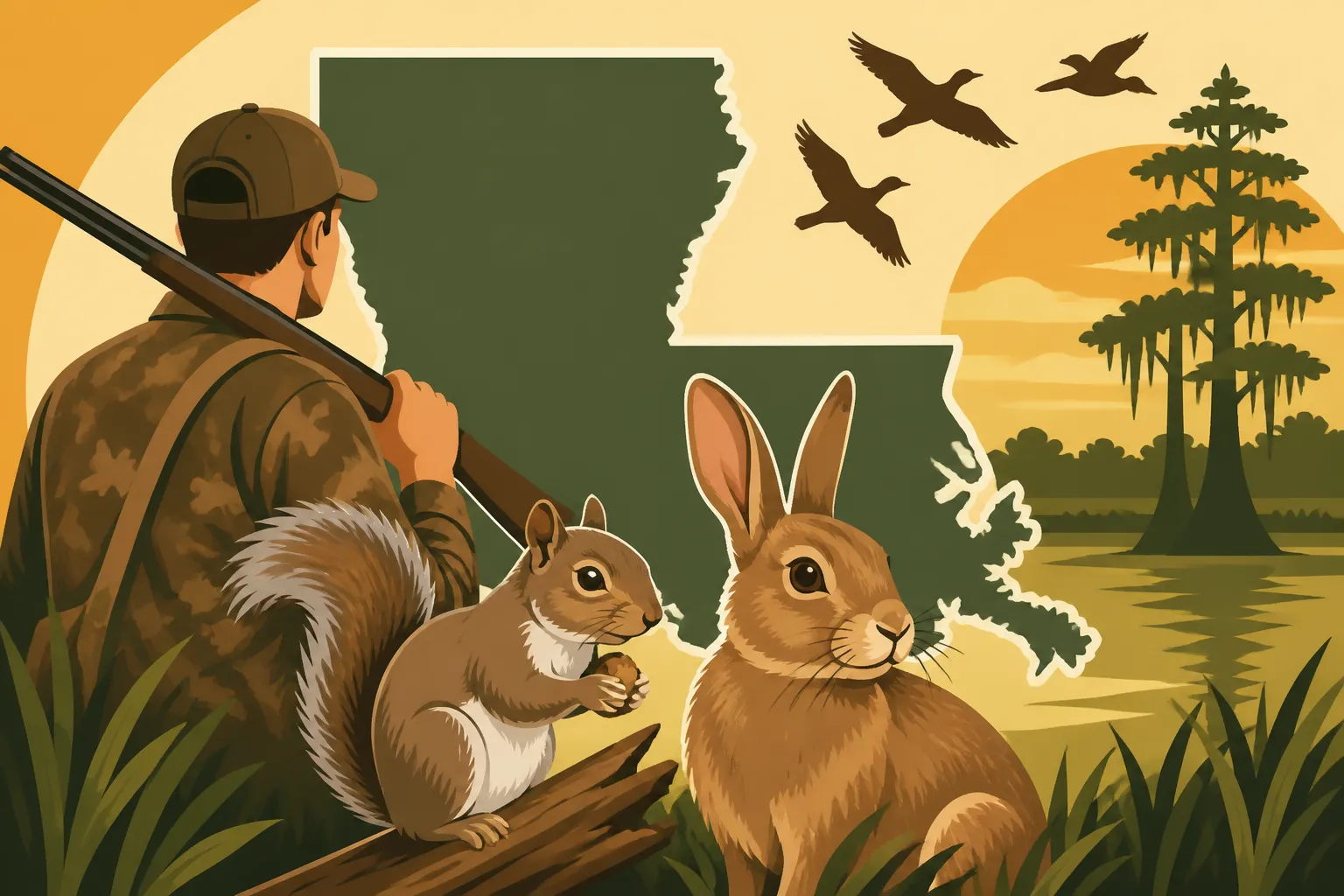
Louisiana Squirrel and Rabbit Season Rules
It can be incredibly frustrating trying to keep all the Louisiana small game season rules straight. One minute you're thinking about squirrels, the next it's rabbits, and then you remember public lands might have different dates or restrictions. It's a lot to juggle, and nobody wants to be on the wrong side of a game warden. This comprehensive guide is here to untangle all the specifics, ensuring you’re well-informed and ready to enjoy a successful, legal small game season in the Pelican State.
Understanding Louisiana's Small Game Seasons
Louisiana offers some fantastic opportunities for small game hunting, particularly for squirrels and rabbits, which are cherished traditions for many families. However, the exact dates, bag limits, and even the methods you can use can shift depending on where you're hunting and what the Louisiana Department of Wildlife and Fisheries (LDWF) has determined for the current year. Staying on top of these nuances is key to a smooth and enjoyable experience afield.
Why Small Game Seasons Matter
The establishment of specific hunting seasons for squirrels and rabbits isn't just about limiting your fun; it's a critical component of sound wildlife management. These regulations are designed to ensure sustainable populations, allowing these species to reproduce and thrive while still providing ample recreational opportunities for hunters. Without these carefully considered seasons, it would be all too easy to overharvest, leading to declines that could take years to recover. For example, the breeding cycles of both squirrels and rabbits are heavily factored into when seasons open and close, aiming to minimize disturbance during peak reproductive periods. This scientific approach, often informed by population surveys and habitat assessments, is what allows us to enjoy these resources year after year.
General Statewide Dates and Zones
While there might be slight variations, Louisiana typically has a long, generous season for squirrels and rabbits that generally runs from early October through late February, sometimes even into March, across most of the state. However, it's crucial to understand that Wildlife Management Areas (WMAs) and certain federal lands often operate on their own, often more restrictive, schedules. For instance, the general private land season might open for Louisiana Squirrel Season Opening Day in October, but a specific WMA might not open until November or even later, and could close earlier. This patchwork of regulations can certainly be confusing, which is why checking the current LDWF hunting guide or their website, or even using a mapping application like GoHunt, is absolutely essential before you head out. These resources will confirm the exact Louisiana Rabbit Season Opening Day and closing dates for your chosen hunting location.
Important Regulatory Changes to Watch For
Wildlife management is a dynamic field, and regulations can change from year to year based on population trends, habitat conditions, and other factors. For example, a particularly harsh winter or a widespread disease outbreak could lead to reduced bag limits or shortened seasons in certain areas. Conversely, a booming population might prompt the LDWF to extend a season or increase limits. It's also not uncommon for new zones or specific rule modifications to be introduced, perhaps related to disease management or efforts to mitigate agricultural damage. These changes are usually announced well in advance of the hunting season, but it's your responsibility as a hunter to stay informed. A quick check of the official LDWF hunting digest each summer, or subscribing to their email updates, can save you a lot of grief and ensure you're always hunting within the most current guidelines.
Squirrel Hunting Specifics in Louisiana
Squirrels are arguably the most popular small game species in Louisiana, offering accessible and exciting hunting for beginners and seasoned woodsmen alike. Our state is home to both gray squirrels (often called cat squirrels) and fox squirrels, which vary slightly in size, color, and habitat preferences. Understanding the specific rules for pursuing these bushy-tailed critters is vital.
Daily Bag and Possession Limits for Squirrels
The daily bag limit for squirrels in Louisiana is typically quite generous, usually set at 8 squirrels per hunter per day. This means you can legally harvest eight gray or fox squirrels in a single day. The possession limit, which refers to the total number of squirrels you can have in your possession at any given time (including those at home in your freezer), is often double the daily bag limit, meaning 16 squirrels. These limits are designed to allow for enjoyable hunting trips while preventing excessive harvest. It's important to keep track of your take, especially if you're hunting multiple days or with a group, to ensure you don't inadvertently exceed these legal thresholds. Remember, these numbers are for all species of squirrels combined, so you can't take 8 gray and 8 fox squirrels.
Legal Methods for Taking Squirrels
When it comes to pursuing squirrels in Louisiana, hunters have a few legal options. Most commonly, hunters use small caliber firearms like .22 rifles, often equipped with scopes for precision shots. Shotguns, typically in 20-gauge or .410 bore with small shot sizes (like 6 or 7 ½), are also popular, especially when squirrels are running through dense canopy. For those who enjoy a more traditional or primitive approach, air rifles are also legal, provided they are .177 caliber or larger and use a projectile that expends all its energy within the animal. Archery equipment is also a viable and challenging method for dedicated squirrel hunters. When Bowhunting Louisiana's Long Archery Season for deer, many hunters carry small game points on a few arrows just in case a squirrel presents itself. It's worth noting that using electronic calls or baiting specifically for squirrels is generally prohibited, so relying on your scouting skills and woodcraft is key.
Key Habitat and Behavior for Success
To consistently find and harvest squirrels, you need to understand where they live and how they behave. In Louisiana, you'll find gray squirrels predominantly in bottomland hardwoods, cypress-tupelo swamps, and mixed pine-hardwood forests, especially where mast-producing trees like oaks, hickories, and pecan trees are abundant. They are most active during the early morning and late afternoon, foraging for nuts, seeds, and buds. Fox squirrels, being larger and often more solitary, prefer more open pine forests and timbered edges, sometimes venturing into agricultural areas. They tend to be a bit more tolerant of human presence. When hunting Squirrel Hunting Louisiana Bottomland Hardwoods, focus on areas with mature mast trees and plenty of den trees. Look for fresh cuttings (chewed nut shells) on logs or stumps, and listen for their characteristic barks and rustling in the leaves. A patient approach, often still-hunting slowly or sitting quietly near a known food source, will yield the best results.
Rabbit Hunting Specifics in Louisiana
Rabbit hunting is another treasured small game pursuit in Louisiana, evoking images of crisp fall mornings and the excited yips of beagles. Cottontail rabbits are the primary target, though swamp rabbits (larger and preferring wetter habitats) are also present. Like squirrels, successful rabbit hunting hinges on knowing the rules and understanding their preferred environment.
Daily Bag and Possession Limits for Rabbits
Similar to squirrels, Louisiana typically maintains a consistent daily bag limit for rabbits, which is usually 8 rabbits per hunter per day. This applies to both cottontail and swamp rabbits. The possession limit often mirrors that of squirrels, set at 16 rabbits. These limits are designed to be quite liberal, reflecting healthy rabbit populations across much of the state and allowing hunters to enjoy productive outings without impacting the overall population sustainability. As with squirrels, it's crucial to abide by these limits, especially during those particularly good days when rabbits seem to be hopping everywhere. Keep a mental tally or use a game strap to avoid any honest mistakes that could lead to a citation.
Legal Methods for Taking Rabbits
The most traditional and effective method for hunting rabbits in Louisiana is with the aid of trained dogs, usually beagles. The dogs' keen noses and tireless pursuit are invaluable for flushing rabbits from thick cover and driving them towards waiting hunters. When hunting Running Dogs on Louisiana Feral Hogs or rabbits, the sound of a good pack of dogs is music to a hunter's ears. For those without dogs, still-hunting or jump-shooting can be productive. This involves walking slowly through prime habitat, flushing rabbits from their hiding spots, and taking quick shots. Firearms generally used for rabbits include shotguns (12, 20, or .410 gauge) loaded with small shot (like 6 or 7 ½) or .22 caliber rifles, though rifles are best suited for more open terrain or when rabbits are sitting still. Archery is also a legal method, offering a unique challenge. Unlike deer or turkey hunting, baiting for rabbits is not a common or generally legal practice, so success comes down to knowing their haunts and being ready when they bolt.
Preferred Rabbit Habitat and Hunting Strategies
Rabbits, especially cottontails, are creatures of thick cover. You'll find them in brushy fence rows, briar patches, regenerating clear-cuts, thickets along field edges, and overgrown pastures. Swamp rabbits, as their name suggests, prefer more aquatic environments like cypress swamps, beaver ponds, and marshy edges. When Rabbit Hunting Thick Louisiana Brush, focus on these dense areas where rabbits can find both food and refuge from predators. The best strategy, particularly without dogs, involves systematically working through these thickets. Often, rabbits will sit tight until you're nearly on top of them before bursting out. Be ready for fast-moving targets! On private land, areas around abandoned farm equipment, old barns, and unkempt property lines are rabbit magnets. Early morning and late afternoon are generally the most productive times, though with dogs, you can often hunt effectively throughout the day.
Public vs. Private Land Small Game Rules
Navigating the various rules and regulations for small game hunting often depends heavily on whether you're on public or private land. Louisiana offers a wealth of public hunting opportunities, but each type comes with its own set of guidelines that can significantly differ from statewide private land rules.
Wildlife Management Area (WMA) Considerations
Louisiana's Wildlife Management Areas (WMAs) are fantastic resources for public land hunters, but they come with their own distinct rulebooks. For small game like squirrels and rabbits, WMA seasons are often shorter and have different opening and closing dates compared to the general statewide private land seasons. It’s not uncommon for a WMA to open for small game a month or more after the private land opener, and some may close earlier to avoid conflict with other hunting seasons like primitive firearms or duck hunting. Additionally, some WMAs might have specific restrictions on the types of firearms allowed or even limit hunting to certain days of the week. For example, some WMAs might only allow shotguns for small game, or restrict the use of dogs during certain periods. Before you even think about setting foot on a WMA, you absolutely must check the specific WMA regulations in the current LDWF hunting guide or use online tools like GoHunt that integrate WMA-specific rules. Don't forget, most WMAs require a Louisiana WMA Permit Requirement in addition to your basic hunting license.
National Forests and Wildlife Refuges
Beyond WMAs, Louisiana also boasts extensive public hunting opportunities within the Kisatchie National Forest and several National Wildlife Refuges (NWRs). These federal lands also operate under their own sets of regulations, which can be even more complex. Kisatchie, for instance, generally follows the statewide private land seasons for small game, but specific districts or areas within the forest might have additional rules or closures. National Wildlife Refuges, being managed by the U.S. Fish and Wildlife Service, often have the most stringent and unique regulations. Their seasons might be very short, bag limits reduced, and methods of take highly restricted. Some NWRs might require special permits or have check-in/check-out procedures. It’s not enough to know the statewide rules; you must consult the specific regulations for the particular National Forest district or NWR you plan to hunt. A great way to prepare is to perform Scouting Louisiana Public Land Before Season to understand the layout and identify potential small game hotspots, then cross-reference with federal regulations.
Navigating Private Land Permission
Hunting private land often offers more flexibility in terms of season dates (following general statewide rules) and methods, but the biggest hurdle is, of course, obtaining permission. It's a fundamental principle of ethical hunting and Louisiana law that you must have landowner permission to hunt on private property. This isn't just a suggestion; it's a legal requirement, and trespassing can lead to serious penalties. When seeking permission, approach landowners respectfully, be polite, and offer to help in exchange for access. If granted, always clarify what you can hunt, where you can park, and any specific requests the landowner might have. A written permission slip, while not always required, is an excellent practice. Always be a good steward of their land, leave no trash, close gates, and report any issues you observe. Building a positive relationship with a landowner can open up years of fantastic small game hunting opportunities.
Essential Gear and Tactics for Small Game
Having the right gear and understanding effective tactics can make all the difference in your small game hunting success. While squirrel and rabbit hunting can be relatively simple, a few thoughtful choices in equipment and approach will greatly enhance your experience.
Firearm and Ammunition Choices
For squirrels, a .22 caliber rimfire rifle is a classic choice. It's quiet, accurate, and the ammunition is affordable. Many hunters opt for a .22 rifle with a low-power scope (like a 4x or 2-7x variable) for precise headshots, which saves meat. Shotguns, typically 20-gauge or .410 bore, loaded with #6 or #7 ½ shot, are excellent for squirrels on the move or in thick canopy. Some might even use a 12-gauge with light loads. For rabbits, shotguns are overwhelmingly popular, particularly with beagles. A 12-gauge or 20-gauge loaded with #6 shot is ideal for stopping fast-moving bunnies in heavy cover. If you're still-hunting or jump-shooting, a semi-automatic or pump-action shotgun allows for quick follow-up shots. For those who prefer a challenge, a .22 rifle can be used for rabbits in more open areas where shots are longer and the rabbit might be sitting still. Always ensure your chosen firearm is legal for the specific area you are hunting, especially on WMAs or refuges.
Clothing and Comfort in the Louisiana Woods
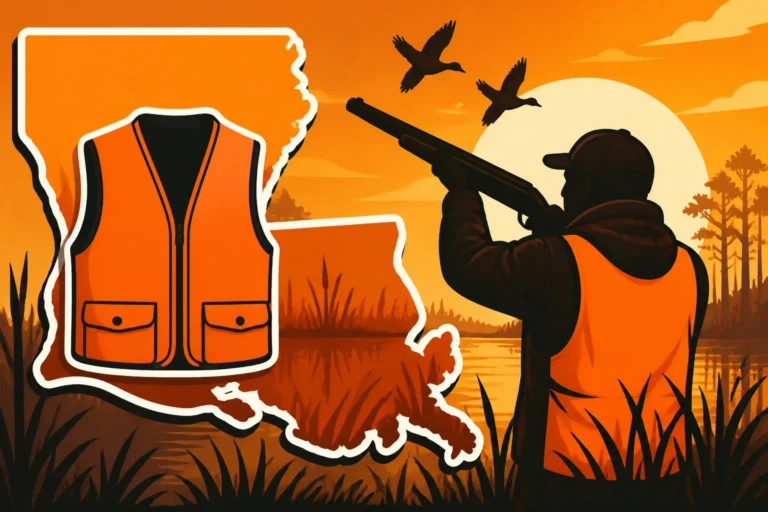
Louisiana's weather during small game season can be unpredictable, ranging from mild and humid in early fall to surprisingly cold and damp in winter. Layering is key. Start with moisture-wicking base layers, add insulating mid-layers, and top it off with a waterproof/windproof outer shell. Camouflage is beneficial but not strictly necessary for small game; solid earth tones or greens work well. What is critical, especially if you're hunting during gun season for deer or other game, is hunter orange. The Louisiana Blaze Requirement mandates wearing at least 400 square inches of hunter orange or blaze pink during gun seasons for deer, even if you're only hunting squirrels or rabbits. This is a safety measure to ensure you are highly visible to other hunters. Comfortable, waterproof boots are a must, as you'll likely be covering a lot of ground, often in damp or muddy conditions. Don't forget insect repellent for those warmer early season days, and always pack plenty of water, regardless of the temperature.
Hunting with Dogs for Small Game
Hunting small game with dogs, particularly beagles for rabbits, is a deeply ingrained tradition in Louisiana. There's nothing quite like the music of a beagle pack on a hot trail, driving rabbits through the briars. For squirrels, feist and cur breeds are popular, trained to tree squirrels and alert the hunter to their location. If you plan to hunt with dogs, be aware of specific regulations. Some public lands might restrict dog hunting during certain periods or in specific zones to avoid conflicts with deer hunters or other activities. Always ensure your dogs are under control, wear tracking collars if possible, and are up-to-date on vaccinations. It’s also crucial to respect property lines; a good dog might chase game onto neighboring private land, and you cannot retrieve them without permission. If you're new to dog hunting, consider joining a local hunting club or finding an experienced mentor. They can teach you the ropes, from reading dog behavior to proper handling and training.
Staying Legal and Ethical
Being a responsible hunter means more than just knowing the season dates and bag limits; it means understanding and adhering to all legal requirements, practicing ethical hunting behavior, and doing your part to conserve wildlife for future generations.
Hunter Education and Licensing Requirements
Before you can legally hunt any game in Louisiana, including squirrels and rabbits, you need to fulfill the Louisiana Hunter Education Requirements. Generally, anyone born on or after September 1, 1969, must complete a hunter education course. There are exceptions, such as those hunting on their own land, apprentice hunters, or active military personnel, but for most, this certification is mandatory. The course covers firearm safety, wildlife conservation, hunting ethics, and state regulations. Once certified, you'll need to purchase the appropriate licenses. For residents, this typically means a Louisiana Resident Basic License Cost along with any necessary stamps or add-ons. Non-residents will need a Louisiana Nonresident Annual License Cost or a Louisiana Nonresident Five-Day License Cost if they're just visiting. You can usually buy these online through the LDWF website or authorized vendors. Always carry proof of your license while hunting, whether it's a physical copy or stored digitally on your phone.
Game Care and Reporting
Proper game care begins immediately after the harvest. In Louisiana's warm climate, it's especially important to field dress your squirrels and rabbits as quickly as possible to prevent spoilage. This involves removing the internal organs and allowing the carcass to cool. If temperatures are high, consider bringing a cooler with ice to store your game during the hunt. Once back home, promptly skin and butcher your game, then either cook it fresh or freeze it. Unlike deer or turkey, there are currently no mandatory reporting requirements for squirrel or rabbit harvests in Louisiana, which simplifies things. However, always be prepared to show your game to a game warden upon request. Ethical hunters also understand the importance of making clean, humane kills and never wasting game meat. It’s part of the respect we owe to the animals we pursue.
Respecting the Resource and Other Hunters
Ethical hunting extends beyond legal compliance. It’s about respecting the animals, the land, and your fellow outdoors enthusiasts. Always practice fair chase, meaning you give the animal a reasonable chance to escape. Avoid shooting game far beyond your effective range, and always confirm your target to ensure it’s legal game and that no non-target species or people are in the line of fire. On public lands, be mindful of other hunters. If you see someone already set up in an area, give them plenty of space. Keep noise to a minimum, and clean up any litter you generate. Remember, we all share these precious resources. By being considerate and responsible, you help maintain a positive image of hunting and ensure that the traditions of small game hunting in Louisiana continue to thrive for generations to come.
Louisiana Small Game Season Summary Table
To help you keep track of the main season dates and bag limits for squirrels and rabbits, here's a quick reference table. Remember, always check the current LDWF hunting regulations for the most up-to-date information and specific WMA rules before heading afield.
| Species | Typical Statewide Private Land Season | Daily Bag Limit | Possession Limit | Common Methods | Notes |
|---|---|---|---|---|---|
| Squirrel | Early Oct – Late Feb/Early Mar | 8 | 16 | .22 Rifle, Shotgun, Archery | Check specific WMA dates; focus on mast-producing hardwoods. |
| Rabbit | Early Oct – Late Feb/Early Mar | 8 | 16 | Shotgun w/ Dogs, Still-Hunting, Archery | Ideal for brushy cover and field edges. |
Disclaimer: This table provides general guidance. Season dates and regulations are subject to change. Always consult the most recent Louisiana Department of Wildlife and Fisheries (LDWF) hunting regulations for definitive information for the current hunting season and specific hunting areas.
Disclaimer
The information provided in this guide is for general informational purposes only and is not intended as legal advice. Hunting regulations, season dates, and bag limits are subject to change by the Louisiana Department of Wildlife and Fisheries. It is the responsibility of each hunter to consult the official and most current LDWF hunting regulations prior to engaging in any hunting activities. Failure to do so may result in legal penalties.