Louisiana Species-Specific License Add-Ons
It's easy to feel overwhelmed when you're trying to figure out all the ins and outs of hunting in Louisiana. Just when you think you have your basic hunting license sorted, you realize there's a whole other layer of tags and certifications you might need, depending on what game you're after. This guide is here to clear up that confusion, diving deep into the various species-specific license add-ons required in the Pelican State, so you can hit the woods, marsh, or bayou with confidence and stay on the right side of the law.
Why Species-Specific Add-Ons Exist in Louisiana
These extra licenses or tags aren't just there to complicate your life, I promise. They serve critical roles in maintaining the health of our wildlife populations and ensuring we have fantastic hunting opportunities for generations to come. It’s all part of a larger, well-thought-out conservation strategy.
Managing Game Populations
Think of these add-ons as the Louisiana Department of Wildlife and Fisheries (LDWF) keeping a meticulous scorecard. Every deer tag you purchase, every alligator tag you're issued, and every turkey you report helps the state monitor harvest rates for specific species. This data is absolutely vital. Without it, biologists would be guessing at how many animals are being taken, making it nearly impossible to set sustainable season lengths, bag limits, and overall quotas. It's a scientific approach to ensure we're not over-harvesting, which could lead to population declines, or under-harvesting, which might cause localized issues like overbrowsing or disease spread in a particular area. The goal is always balance, and these specific tags are a huge part of achieving that.
Funding Conservation Efforts
Beyond just counting animals, the revenue generated from these species-specific add-ons is directly channeled back into conservation. We're talking about real, tangible benefits for wildlife and hunters alike. This money funds critical habitat restoration projects across our Wildlife Management Areas (WMAs) and other public lands, helping to create better environments for deer, turkeys, waterfowl, and countless other species. It also supports disease monitoring programs, which are increasingly important with threats like Chronic Wasting Disease (CWD) on the horizon. Furthermore, it underwrites enforcement efforts, ensuring that game laws are respected, protecting our resources from poaching, and making sure everyone plays by the same rules. When you buy a turkey tag, you're not just getting permission to hunt; you're directly investing in the future of turkey hunting in Louisiana.
Essential Species-Specific Add-Ons for Deer Hunters
If you're heading out for whitetails in Louisiana, which many of us are, deer tags are probably the first add-on that comes to mind. Understanding how these work is fundamental to a legal and enjoyable deer season.
Deer Tags Explained
In Louisiana, your basic hunting license usually doesn't automatically grant you the right to harvest deer. You'll need to purchase specific deer tags. These tags are typically issued as part of a "big game" or "deer hunting" license add-on, and they specify how many antlered (bucks) and antlerless (does) deer you can legally harvest during the season. The exact number and type can vary by your residency status and the specific deer area you're hunting in. For instance, residents often have different tag allowances than non-residents. It's crucial to understand these distinctions, especially when looking at the Louisiana Deer Tag Add-On Cost, which is a separate fee from your general hunting license. You'll affix a tag to your harvested deer immediately after the kill, before moving it, which is how the state keeps track.
Reporting Your Harvest
Getting your deer tags is only half the battle; actually using and reporting them correctly is just as important. Louisiana has mandatory deer harvest reporting, and it's something every hunter needs to take seriously. Once you've successfully harvested a deer and tagged it, you are required to report that harvest to the LDWF within 72 hours of the kill, or before the deer is transported out of state, whichever comes first. This can usually be done conveniently through the LDWF's online system or their mobile app. This reporting mechanism is directly tied to your tags and helps LDWF gather the critical data they need for population management. For a quick guide on this process, check out our post on Reporting a Deer Through Louisiana's App. Failing to report a harvest can lead to fines and penalties, so it's not something to overlook!
Navigating Turkey and Alligator Tags
Beyond deer, Louisiana offers thrilling opportunities for other iconic species, each with its own specific tagging requirements. Wild turkeys and alligators present unique challenges and, consequently, unique license add-ons.
Wild Turkey License Requirements
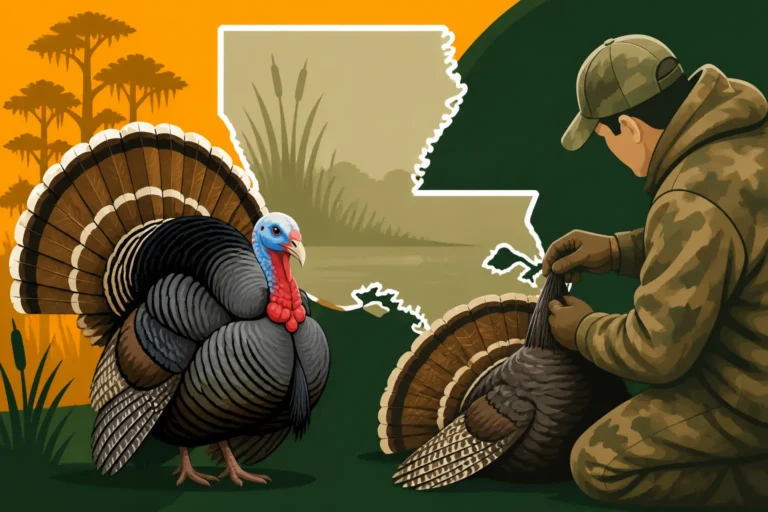
Spring turkey season is a highly anticipated event for many Louisiana hunters, offering a chance to match wits with a wily gobbler. Just like deer, you'll need specific turkey tags to participate. These are generally purchased as an add-on to your base hunting license and come with a specific bag limit, which dictates how many turkeys you can harvest per season. The LDWF divides the state into different turkey hunting areas (A, B, C), each with slightly different season dates and sometimes varying regulations, so always double-check the specifics for your intended hunting zone. Knowing the Louisiana Spring Turkey Season Rules is key before you even consider heading out. The Louisiana Turkey Tag Add-On Cost is typically a separate fee from your general license, and acquiring it is a prerequisite for pursuing these magnificent birds.
Alligator Harvest Tags
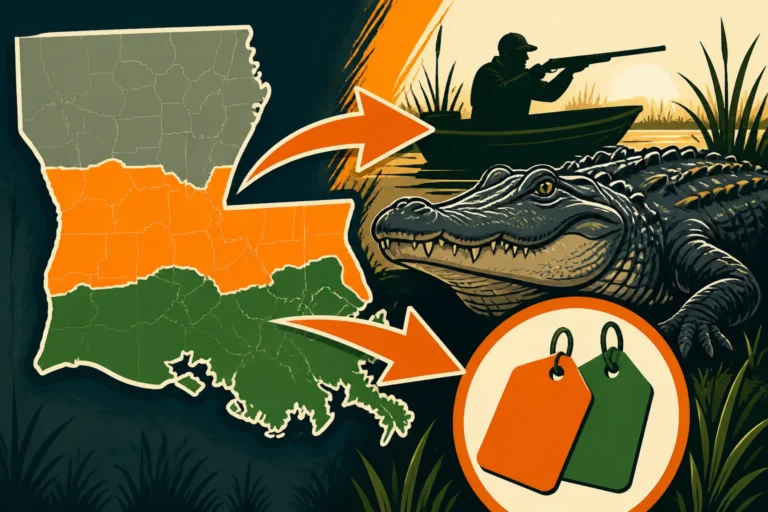
Alligator hunting in Louisiana is a truly unique experience, steeped in tradition and managed very carefully. Unlike deer or turkey, recreational alligator tags aren't something you can just walk in and buy. The state manages alligator harvest through a lottery system, meaning you have to apply for the chance to draw tags for a specific alligator management zone. If you're fortunate enough to draw, you'll then purchase your tags, which come with strict regulations on size, method, and reporting. The limited nature of these tags helps maintain healthy alligator populations and ensures a sustainable harvest. Understanding the application process is vital, so be sure to read up on Applying for the Alligator Recreational Lottery. Also, be prepared for the Louisiana Resident Alligator License Cost, as it's often a bit higher due to the specialized nature of the hunt. This isn't just a hunt; it's an immersive experience tied to the very heart of Louisiana's bayou culture.
Waterfowl and Migratory Bird Certifications
For those drawn to the incredible waterfowl hunting Louisiana is famous for, there are specific federal and state requirements you absolutely cannot overlook. These certifications are critical for anyone pursuing ducks, geese, doves, or other migratory birds.
Federal Duck Stamp and HIP Certification
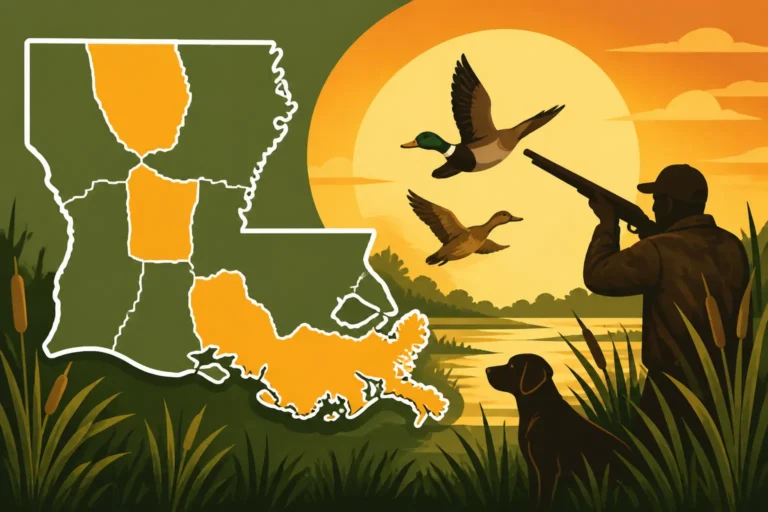
If you plan to hunt ducks, geese, swans, or any other migratory waterfowl (even coots!), the Federal Duck Stamp is a non-negotiable requirement for anyone 16 years of age or older. This isn't a Louisiana-specific add-on, but a federal one, and 98% of the purchase price goes directly to conserving wetland habitats critical for waterfowl and other wildlife. It's a small investment with a massive impact on the places we love to hunt. You can often purchase this stamp at post offices, sporting goods stores, or online. Beyond the stamp, you'll also need to acquire a Harvest Information Program (HIP) certification. This is a federal program that helps the U.S. Fish and Wildlife Service gather critical harvest data for migratory bird populations. It's usually a free, quick registration that you complete when you purchase your state hunting license, or as a separate step online. We've got more details on both in our guide to Louisiana Federal Duck Stamp Requirement and Louisiana HIP Certification for Bird Hunters. Missing either of these means you're hunting illegally, so make sure they're on your checklist!
State Waterfowl Stamp
While the Federal Duck Stamp covers the broad federal requirement, Louisiana also has its own state waterfowl stamp. This stamp is an additional purchase, often combined with your general hunting license or as a separate add-on. Just like the federal stamp, the funds generated from the sale of the Louisiana state waterfowl stamp are dedicated to state-level waterfowl management and habitat conservation programs within Louisiana. These programs often focus on specific projects within the state's vital coastal marsh and interior wetlands, which are crucial wintering grounds for millions of migratory birds. It's another way hunters directly contribute to ensuring healthy duck and goose populations thrive in our state's unique ecosystems. Always check the current LDWF regulations to confirm the specific requirements and costs for the state waterfowl stamp each season, as regulations can occasionally be updated.
Less Common but Crucial Add-Ons
While deer, turkey, alligator, and waterfowl tend to be the most popular, Louisiana offers opportunities for other species that also come with their own specific licensing requirements. Ignoring these can lead to legal trouble, even if they're not as widely known.
Bear Lottery Tags
For most of Louisiana's history, black bear hunting was closed, but with a remarkable recovery, the state has reintroduced a very limited, lottery-based bear season. This is truly a once-in-a-lifetime opportunity for many. If you're one of the incredibly lucky few to draw a bear tag, know that it's a completely separate and specific add-on that comes with very stringent rules and mandatory hunter training. The number of tags issued is extremely small, targeting specific management zones to ensure the continued growth of Louisiana's bear population. Don't even think about pursuing a bear without first applying for the Applying for a Louisiana Bear Lottery Tag and paying the Louisiana Bear Lottery Application Fee. This is a highly regulated hunt designed for careful conservation.
Trapping Licenses
While often associated with commercial operations, recreational trapping is also an option for some hunters in Louisiana, particularly for furbearers like nutria, muskrat, beaver, or even coyotes. If you plan on setting any type of trap for furbearing animals, you'll need a specific trapping license add-on. This isn't covered by your general hunting license, as the methods and regulations for trapping are distinct from traditional hunting. These licenses help the LDWF manage furbearer populations and ensure humane and legal trapping practices. If you're interested in this method, make sure you understand the Louisiana Trapping License Requirements and all associated regulations, as they can be quite detailed regarding trap types, set locations, and reporting.
How to Acquire Your Add-Ons
Once you understand what you need, the next logical step is how to get it all sorted. Thankfully, Louisiana has made the process pretty accessible, but there are still best practices to ensure you're squared away.
Online and In-Person Options
The most convenient way for many Louisiana hunters to acquire their species-specific add-ons, along with their basic hunting license, is through the Louisiana Department of Wildlife and Fisheries (LDWF) website. Their online portal is generally user-friendly, allowing you to select your base license, add on deer tags, turkey tags, migratory bird certifications, and other applicable permits with just a few clicks. It's quick, efficient, and you can print your licenses and tags right from home, or save them digitally on your phone. For those who prefer a more traditional approach, you can also purchase licenses and add-ons in person at authorized license vendors across the state, such as sporting goods stores, bait shops, and some general stores. This method can be great if you have questions or need some last-minute assistance. We have a detailed guide on Buying Louisiana Permits Online Versus by Phone if you need more help deciding which route is best for you. Personally, I find checking out platforms like GoHunt invaluable for researching regulations and cross-referencing license requirements before I even start the purchase process, just to be sure I haven't missed anything.
Staying Informed with Regulations
The world of hunting regulations is constantly evolving. What was true last season might have subtle, or even significant, changes this year. This is particularly true for species-specific add-ons, where bag limits, season dates, or even eligibility can shift based on population surveys and management goals. Relying on outdated information is a sure-fire way to find yourself in a bind with wildlife enforcement. My absolute best advice is to make it an annual ritual to review the most current Louisiana Hunting and Fishing Regulations pamphlet. It's available online via the LDWF website, and often in print at license vendors. Many hunters also use tools like the LDWF app to keep up-to-date and even use it for things like Scouting With the LDWF App or reporting harvests. Third-party apps and platforms like GoHunt can also be incredibly helpful for consolidating information and providing quick access to rules and regulations, ensuring you're always operating with the most accurate details. Don't guess; verify, every single season.
Species-Specific License Add-Ons in Louisiana
Here’s a quick overview of some common add-ons and what they cover:
| Add-On Type | What It Covers | Who Needs It | Purpose |
|---|---|---|---|
| Deer Tags | Antlered and antlerless deer harvest | All deer hunters (residents & non-residents) | Population management, harvest data collection, CWD monitoring |
| Wild Turkey Tags | Wild turkey harvest | All turkey hunters | Population management, harvest data collection |
| Alligator Harvest Tags | Alligator harvest (lottery-based) | Lottery winners only | Sustainable harvest, population control, revenue for management |
| Federal Duck Stamp | Migratory waterfowl (ducks, geese, etc.) | All migratory waterfowl hunters (age 16+) | Wetland habitat conservation (federal program) |
| HIP Certification | Migratory bird harvest information program registration | All migratory bird hunters (doves, ducks, geese, etc.) | Harvest data collection (federal program) |
| State Waterfowl Stamp | Migratory waterfowl (ducks, geese, etc.) | All migratory waterfowl hunters (residents & non-residents) | Louisiana-specific waterfowl habitat conservation (state program) |
| Black Bear Lottery Tag | Black bear harvest (extremely limited, lottery-based) | Lottery winners only | Species recovery, extremely limited management harvest |
| Trapping License | Trapping furbearers (e.g., beaver, nutria, muskrat) | Anyone setting traps for furbearers | Furbearer population management, humane trapping oversight |
Disclaimer
The information provided in this guide is intended for general informational purposes only and is not a substitute for the official regulations published by the Louisiana Department of Wildlife and Fisheries (LDWF). Hunting regulations, season dates, and license requirements can change annually. Always consult the most current LDWF hunting regulations pamphlet and relevant federal guidelines before participating in any hunting activity.