Shed Hunting on Louisiana Public Land
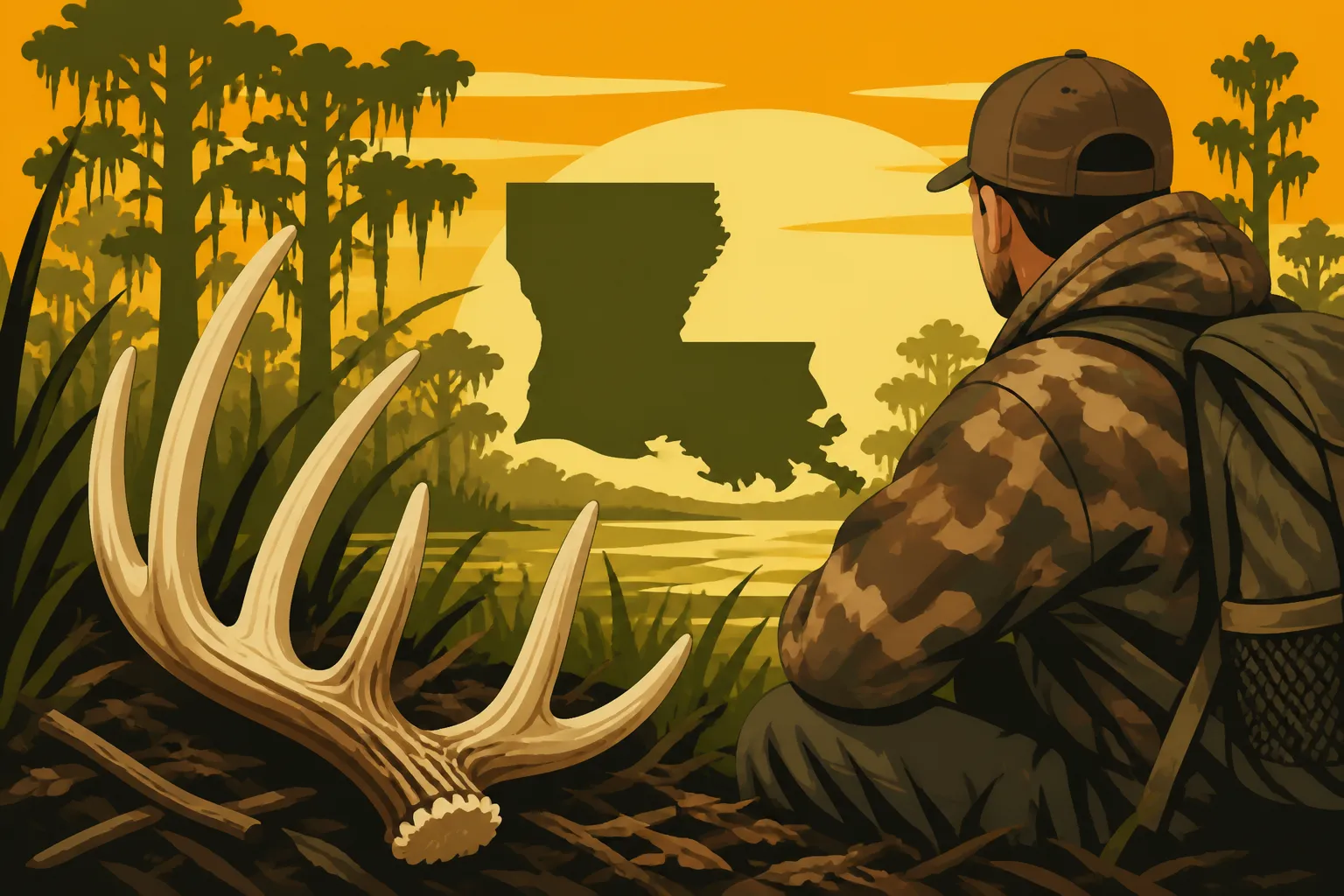
Finding those elusive white-gold treasures that bucks drop each year is a passion for many, but if you’ve ever tried it on Louisiana public land, you know it’s a whole different ballgame. Forget those picturesque fields you see in magazines; here in the Pelican State, you’re often battling dense swamps, thorny thickets, and piney woods where a shed can vanish faster than a mosquito in a strong breeze. This guide is all about tackling those challenges head-on, giving you the realistic strategies and know-how to successfully find shed antlers on Louisiana’s diverse public hunting grounds.
Why Shed Hunting in Louisiana is Unique and Challenging
Louisiana isn't your typical shed hunting paradise. Our terrain, climate, and deer behavior present a specific set of hurdles that hunters in other states might not even consider. It’s not just about walking and looking down; it’s about understanding the nuances of our wild landscape and the deer that call it home.
The Landscape Factor: Swamps, Thickets, and Pines
When you picture shed hunting, you might imagine open hardwood bottoms or sprawling agricultural fields where antlers are relatively easy to spot. In Louisiana, however, that vision quickly gets bogged down, literally. Our public lands often comprise incredibly dense cover: think palmetto flats, seemingly impenetrable briar thickets, and cypress-tupelo swamps that are flooded for much of the winter. This extreme density makes seeing a shed at any distance a genuine challenge. You’re often only able to see a few feet in front of you, turning the search into a painstakingly slow, grid-by-grid crawl.
Even in our more upland areas, like portions of Kisatchie National Forest, you're dealing with vast stretches of pine plantations and natural piney woods. While these areas can offer slightly better visibility than the deep swamps, the carpet of pine straw and fallen needles, combined with abundant undergrowth, still makes finding an antler feel like searching for a needle in a haystack. The sheer volume of natural debris can easily camouflage a shed, and a strong eye for detail is paramount. Plus, many of these areas are intermixed with drains and creek bottoms that are choked with hardwoods and even more dense undergrowth.
Timing Your Search: When Bucks Drop Antlers in the Pelican State
One of the biggest factors in successful shed hunting is timing, and Louisiana's deer herd, especially across its diverse Louisiana Deer Hunting Area by Area, doesn't operate on a single, uniform schedule. Our rut, the breeding season when bucks are most active and expend the most energy, varies significantly from north to south, and even between different deer management areas. Typically, the rut in many parts of Louisiana peaks between November and December, though it can extend earlier in some southern parishes or later in others. This means that bucks, exhausted from the rigors of breeding and the subsequent depletion of their body reserves, will begin dropping their antlers anywhere from late January through March, with February often being a prime month.
However, mild winters can sometimes delay the drop, as bucks don't experience the same nutritional stress that a harsh, snowy winter would inflict. Conversely, a sudden, prolonged cold snap can trigger an earlier drop as their bodies prioritize survival over holding onto bone. It's crucial to pay attention to your specific region and even monitor local hunting forums or deer observations to gauge when bucks are starting to shed in your particular area. Going too early means you’ll be walking over antlers still attached; too late, and critters might have already chewed them up, or other hunters might have found them.
Dealing with Hunting Pressure and Other Foragers
Louisiana's public lands, while plentiful in some regions, can experience significant hunting pressure. This pressure doesn't just impact deer movement during the season; it also means that once antlers hit the ground, you're often not the only one looking for them. Foot traffic from other shed hunters, hikers, and even squirrel hunters can increase the odds of a shed being found before you get there. It’s a race against time and other enthusiasts.
Beyond human competition, you’re also contending with Mother Nature's cleanup crew. Squirrels, mice, coyotes, and especially feral hogs are notorious for chewing on shed antlers. These animals are seeking the vital calcium, phosphorus, and other minerals locked within the bone. A fresh, perfect shed can quickly become a rodent-chewed nub if left on the forest floor for too long. In areas with high hog populations, like many of our bottomland WMAs, finding an intact shed after a few weeks can be a real stroke of luck. Their constant rooting and foraging can also move or bury sheds, making them even harder to spot.
Where to Focus Your Efforts on Public Land
Understanding where to look is just as important as when and how to look. On public lands, deer often use the landscape slightly differently due to pressure, so knowing the key features they gravitate towards can significantly improve your odds.
Key Habitat Features for Shed Hotspots
Deer, even when pressured, follow predictable patterns related to their survival needs: bedding, feeding, and travel. Sheds are most commonly found in or very near these areas. Look for dense bedding cover — this could be thick stands of young pines, palmetto swamps, or even incredibly dense briar patches along creek bottoms. Bucks will often bed down in areas that offer both concealment and a strategic vantage point, allowing them to detect threats. When they stand up from a long rest, sometimes that jarring motion is enough to loosen an antler.
Feeding areas are another prime target. Think about what deer are eating post-rut. In bottomland hardwood forests, this means looking for remaining acorns, especially white oak varieties that are less bitter. In areas with planted green fields (where permitted on some WMAs), deer will frequent these until they're depleted. Along edges of swamps or fields, look for persimmon trees or other natural browse. Deer often drop antlers while actively feeding, or when shaking their heads to dislodge stubborn browse.
Travel corridors connecting these bedding and feeding areas are also crucial. These might be subtle deer trails worn through thickets, the edges of cypress sloughs, old logging roads, or natural pinch points where terrain funnels deer movement. Water sources, like small ponds, oxbows, or bayous, are another often-overlooked spot. Deer need water daily, and a buck might drop an antler while dipping its head for a drink or navigating the wet banks.
Understanding Deer Movement on Public Land
Deer on public land often have different patterns than their private-land counterparts. They tend to be more nocturnal and favor the densest, most inaccessible cover for bedding during daylight hours. This means you might need to push a little harder into areas most hunters avoid during the season. Consider areas that offer seclusion: islands within swamps, deep interior sections of large timber blocks, or extremely rugged terrain that deters casual exploration.
The post-rut period is also when bucks are recovering and may be less wary, but they still prefer security. They're often seeking solitude, away from the does and younger bucks, allowing them to regain weight and strength. By applying scouting techniques used during hunting season, like looking for old rubs, scrapes, and fresh droppings, you can pinpoint these preferred recovery zones. If you're serious about finding sheds, dedicating some time to Scouting Louisiana Public Land Before Season will pay dividends, even if it's technically after hunting season for sheds. Pay attention to those subtle changes in terrain or cover that provide an advantage for a weary buck.
Specific Louisiana Public Land Types to Explore
Louisiana offers a diverse array of public hunting opportunities, and each type presents its own shed hunting characteristics.
- Wildlife Management Areas (WMAs): Louisiana has numerous WMAs spread across the state. Each WMA has specific rules, so always check the Louisiana Department of Wildlife and Fisheries (LDWF) regulations for the particular area you plan to visit. Many WMAs, especially those in river bottomlands like Richard K. Yancey WMA or Pearl River WMA, will have dense hardwoods, sloughs, and thickets. The deer here often concentrate in areas with diverse food sources and security cover.
- Kisatchie National Forest: This vast national forest, primarily in central and northern Louisiana, offers a different environment. Here, you'll find pine forests, rolling hills, and numerous creek drainages. Deer often follow these drainages or utilize the edges of pine thickets for cover and food. Kisatchie National Forest Hunting can be challenging, but understanding the lay of the land, especially ridges and creek bottoms, can reveal shed hotspots.
- Atchafalaya Basin: This is perhaps Louisiana’s most iconic and challenging landscape. Shed hunting in the Hunting the Atchafalaya Basin is an experience unto itself. Expect vast expanses of water, cypress and tupelo trees, and dense undergrowth on higher ground. Finding sheds here often requires a boat and a willingness to get wet and muddy. Look for drier islands, levees, and the edges of sloughs where deer travel and bed. Using the GoHunt app to scout satellite imagery of these areas before you ever step foot in them can provide invaluable insights into potential dry spots and travel routes.
Essential Gear and Tactics for Effective Shed Hunting
Once you know where to go and when, having the right gear and employing smart tactics will make your shed hunting trips more productive and enjoyable. Don't underestimate the demands of the Louisiana outdoors.
What to Wear and Carry in the Louisiana Wilderness
Louisiana's environment demands specific gear to ensure safety and comfort. First and foremost, snake boots are non-negotiable, especially during late winter and early spring when snakes are beginning to emerge. Copperheads and cottonmouths are common, and protection is paramount. Wear long pants and long sleeves to protect against briars, thorns, and insects. A comfortable, supportive backpack is essential for carrying water, snacks, a first-aid kit, and of course, any sheds you find.
Navigation is key. A reliable GPS device or a smartphone app with offline mapping capabilities, like GoHunt or the Using the LDWF App, is crucial. You can easily get disoriented in dense Louisiana cover, and a precise way to mark your truck, your path, and any potential shed locations is invaluable. Binoculars, even a small pair, can help you scan dense areas from a slight elevation or identify suspicious shapes. And, because it’s Louisiana, don’t forget insect repellent – mosquitoes and ticks are a year-round threat. Always carry plenty of water, even on cooler days.
Grid Searching vs. Contour Following
There are two primary methods for covering ground effectively, and you'll likely use a combination of both in Louisiana.
- Grid Searching: This method is best for flatter, somewhat more open areas, like clear-cuts with growing pines, fields, or even broad, relatively open hardwood bottoms. You essentially walk in straight lines, turning at regular intervals (say, 20-30 yards) to cover an area systematically. This ensures thorough coverage and reduces the chance of missing an antler. It's mentally taxing but effective where visibility is somewhat consistent.
- Contour Following: This tactic is more suited for varied terrain, such as the rolling hills of Kisatchie National Forest or areas with numerous creek drainages. Instead of straight lines, you follow the natural contours of the land, focusing on creek beds, ridge tops, and the edges of different habitat types. Deer often travel these natural highways, and an antler might be dislodged as they navigate uneven terrain. This method is also great for working swamp edges, following the slightly higher ground. When Reading a Ridge for Central Louisiana Deer, remember that deer often walk just below the crest of a ridge or use saddles, making these prime spots for sheds.
Whichever method you employ, the most important tactic is to walk slowly and scan systematically. Don't just look at your feet; sweep your gaze from side to side, looking for the tell-tale curve or tine of an antler that contrasts with the natural debris. Antlers might be partially buried or camouflaged by leaves, so a keen eye is your best tool.
Training Your Eyes (and Maybe a Dog)
Spotting sheds is a skill that develops with practice. You're not looking for a whole deer; you're looking for a specific shape, texture, and color that stands out from the brown, gray, and green of the forest floor. Learn to recognize the glint of sunlight off a shed, the curve of a main beam, or the sudden, unnatural straightness of a tine. Starting your search in areas where you know deer frequent, or even where you've seen sheds before, can help train your eyes.
For the truly dedicated, a shed hunting dog can be a game-changer. Dogs, especially breeds like Labs or Beagles, can be trained to sniff out antlers. This can dramatically increase your success rate, particularly in dense cover where human eyes struggle. However, there are considerations: not all public lands allow dogs, especially during certain times of the year, and training a dog requires significant time and effort. If you do consider a dog, ensure it's well-behaved and that you check WMA regulations regarding dogs outside of specific hunting seasons.
Overcoming Common Public Land Shed Hunting Obstacles
Even with the right knowledge and gear, shed hunting on Louisiana public land throws curveballs. Being prepared for these obstacles will save you frustration and enhance your experience.
Navigating Dense Cover and Water
This is the quintessential Louisiana challenge. Our swamps and bottomlands are characterized by incredibly thick vegetation – briar patches, cane thickets, palmetto flats – that can be almost impenetrable. Many areas are also seasonally flooded, making foot travel difficult or impossible without specialized gear. You might find yourself wading through knee-deep water, or having to turn back entirely if the water is too high.
To cope, invest in good quality waterproof boots or waders, and be prepared to get wet and muddy. Focus on higher ground, even if it's just a slight elevation change, as deer will naturally gravitate towards these drier spots. Utilize old logging roads, ATV trails (where allowed), and levee systems to access interior areas more easily. Before heading out, use aerial maps on your GoHunt app or other mapping software to identify potential dry pockets or slightly elevated travel corridors. Sometimes, a short boat ride down a bayou can get you into a prime area otherwise unreachable.
Dealing with Other Hunters and Outdoor Enthusiasts
Public land means sharing. While shed hunting isn't as competitive as deer season, you'll still encounter other people. It’s important to practice etiquette: be friendly, respectful, and keep your distance if you see someone else working an area. The reality is that the best areas, or those that are easiest to access, will see the most traffic.
To increase your odds of finding ground others walk past, consider hunting on weekdays instead of weekends, or during off-peak times. Be willing to go deeper, further, or into areas that are harder to access. Sometimes, the sheds in the "easy" spots are already gone, but the ones buried deep in a thorny, wet slough are waiting for the persistent hunter. This is where truly Finding Ground Others Walk Past comes into play. Focus on areas that present just enough challenge to deter the casual shed hunter.
Legalities and Regulations on Public Land
Understanding the rules is paramount. Generally, in Louisiana, shed antlers are not considered "game" and therefore don't fall under specific harvest regulations or require tagging. You don't need a hunting license to pick up a shed antler on most public lands, but it's always wise to have one if you're also scouting during a time when a small game season might be open.
However, specific Wildlife Management Areas (WMAs) may have their own unique rules regarding access during certain periods, or restrictions on what can be collected. Always check the individual WMA's regulations on the LDWF website before you go. For instance, some WMAs might be closed for a period after deer season or have specific entry/exit requirements. Moreover, be acutely aware of property lines. Even if you're on public land, private land often borders it, and crossing onto private property without permission, even to retrieve a shed, is trespassing. Always know your boundaries, perhaps by using a GPS enabled mapping app. Familiarize yourself with Louisiana Trespass and Permission Law to avoid any legal issues.
| Public Land Type | Typical Terrain | Shed Hunting Potential | Primary Challenges | Best Tactics |
|---|---|---|---|---|
| Wildlife Management Areas | Diverse: River bottoms, pine uplands, coastal marshes | Good to Excellent | High pressure, dense cover, varied access rules | Grid search in accessible areas, contour in varied terrain. |
| Kisatchie National Forest | Pine forests, rolling hills, creek drainages | Good | Large area, dense piney woods, less defined deer trails | Contour following creek beds and ridge lines. |
| Atchafalaya Basin | Cypress-tupelo swamps, water, dense islands, levees | Moderate to Good | Inaccessible, water levels, thickest cover, snakes | Boat access, focus on high ground, thorough scanning. |
| National Wildlife Refuges | Varies by refuge (e.g., Tensas River NWR is bottomland) | Good | Very specific regulations, limited access, quota hunts | Check individual refuge rules, focus on edges and trails. |
Disclaimer
The information provided in this guide is for general informational purposes only and is not intended as legal advice. Hunting regulations and laws in Louisiana can change. Always consult the most current Louisiana Department of Wildlife and Fisheries (LDWF) regulations and local ordinances before engaging in any hunting or outdoor activity. It is the responsibility of each individual to ensure they are in compliance with all applicable state and federal laws.