Jump-Shooting Louisiana Bayous for Wood Ducks
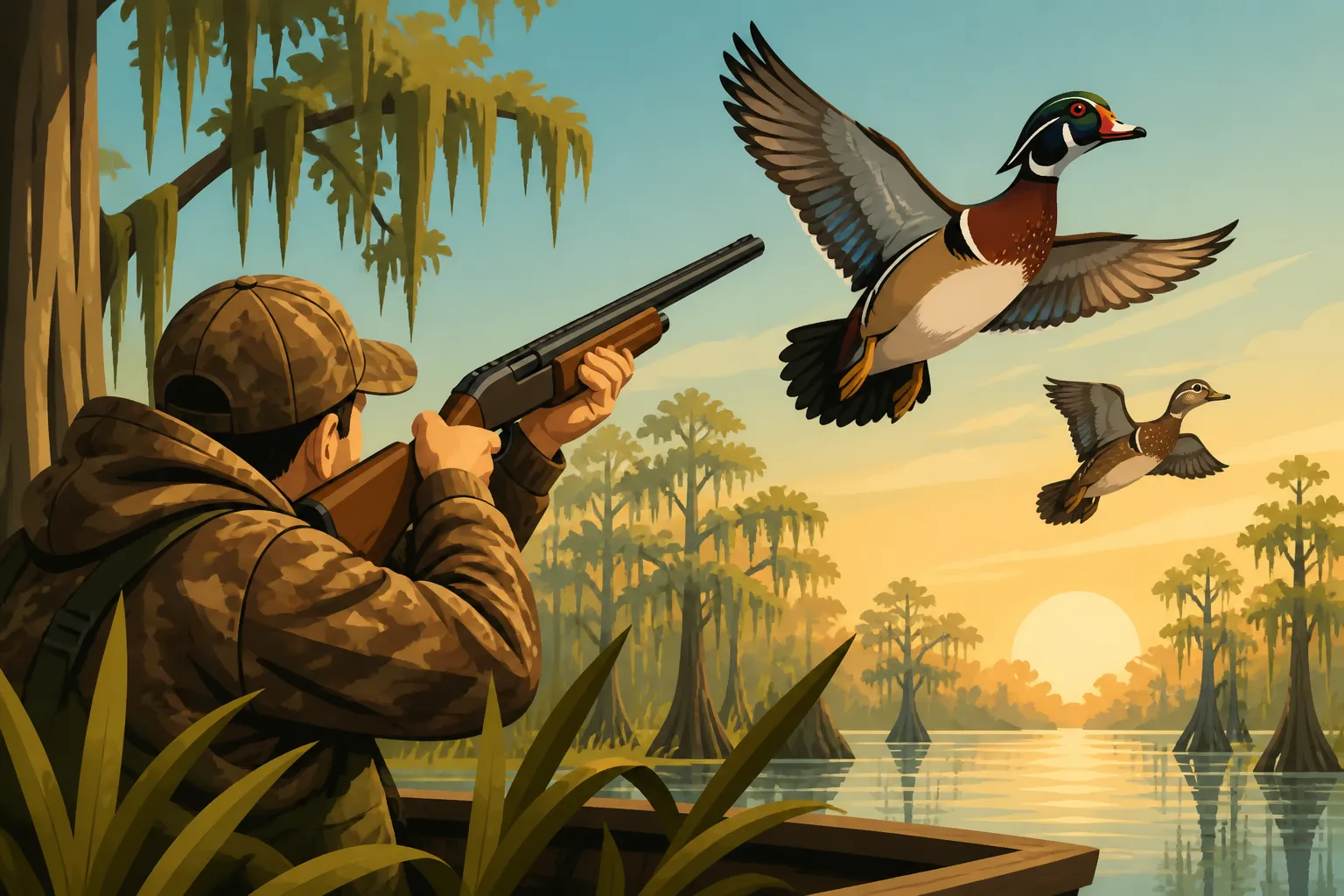
The thrill of duck hunting often brings to mind decoys spread across a marsh pond or a static blind setup, but sometimes, those methods can feel slow, especially when you’re after the notoriously skittish wood duck. If you've ever felt frustrated by the lack of action or the challenge of consistently finding these vibrant birds in dense cover, you’re not alone. This guide will take you deep into the exhilarating, fast-paced world of jump-shooting Louisiana bayous for wood ducks, providing actionable strategies to make your efforts more rewarding.
Understanding the Wood Duck and Bayou Habitat
Jump-shooting wood ducks in Louisiana's bayous is a unique and incredibly rewarding experience, but it requires a solid understanding of this beautiful bird and the specific habitats it calls home. Wood ducks aren't like your typical puddle ducks; they have a distinct preference for specific types of cover, which makes them perfectly suited for this style of hunting.
Why Wood Ducks Love Louisiana Bayous
Louisiana's bayous are, quite simply, wood duck paradise. These birds absolutely thrive in the slow-moving, meandering waterways bordered by dense hardwood timber and cypress-tupelo swamps. Unlike mallards or gadwalls that often prefer open rice fields or vast marsh ponds, wood ducks are creatures of the timber. They need that overhead cover for security from aerial predators, and the abundant acorns, seeds, and aquatic invertebrates found in these shaded, nutrient-rich waters provide a year-round buffet. During the migration, as colder weather pushes birds south, our bayous become critical wintering grounds, offering both food and sanctuary. They're often found in quiet pockets, tucked away from the main thoroughfares, making them ideal targets for a stealthy approach. This preference for sheltered, woody areas means that while you might struggle to find them in open country, a patient hunter in a bayou is often in the right place at the right time.
Key Habitat Features to Look For
When you're jump-shooting, knowing exactly where to look is half the battle. Wood ducks gravitate towards specific features within the bayou system. Look for narrow sloughs, oxbow lakes, and dead-end canals that branch off larger bayous. These areas typically have calmer water and less boat traffic, creating a peaceful haven. Overhanging trees, especially those shedding acorns, are prime spots. Cypress trees draped with Spanish moss, thick brush lines along the bank, and even submerged timber or log jams offer excellent concealment for resting birds. Dense stands of emergent vegetation like smartweed, duck potato, or water hyacinths also provide both cover and food. Don't overlook sections where a bayou widens slightly into a pond-like area but still maintains heavy timber cover. Often, a bend in the bayou with a natural current break will collect floating debris, creating pockets of calm water where wood ducks loaf. Using a mapping app like GoHunt can be incredibly helpful for identifying these hidden gems before you even launch your boat. Pay attention to water depth too; wood ducks prefer shallower waters where they can easily dabble for food, rather than deep, open channels.
Essential Gear and Preparation for Jump-Shooting
Being prepared is crucial for a successful and safe jump-shooting trip. This isn't your typical blind hunt where you're set up for hours; it's a dynamic, on-the-move style of hunting that demands different gear and a meticulous approach to preparation. Neglecting any detail can lead to a missed opportunity or, worse, a safety hazard in the unpredictable bayou environment.
Firearms, Ammo, and Chokes for Close Encounters
When jump-shooting, you're looking at fast-flushing birds in tight quarters, often at close range. A reliable 12-gauge or 20-gauge shotgun is the standard, with many hunters preferring a semi-automatic for quick follow-up shots on a bursting flock. However, an over-under or pump-action can also be very effective, especially if you're comfortable with them. The key is familiarity and quick handling. As for ammunition, standard steel shot is required for waterfowl. For wood ducks, which are smaller than mallards, #4 or #5 steel shot works wonderfully. You'll want loads that deliver a dense pattern without excessive recoil for those rapid shots.
When it comes to chokes, open chokes are your friend. Improved Cylinder or even Skeet choke are excellent choices for the close-range, fast-action shots you'll typically encounter. A Modified choke can also work, but anything tighter might make hitting those fast-flushing birds a real challenge in the thick cover. Remember, these birds are exploding out of cover, often just yards away, giving you precious little time to react. The goal is a wide, forgiving pattern that increases your chances of connecting.
Watercraft and Personal Gear Considerations
Your choice of watercraft is paramount for jump-shooting bayous. A shallow-draft boat that can navigate tight turns and shallow water is a must. A pirogue, kayak, canoe, or even a small flat-bottomed jon boat with a mud motor or trolling motor are popular choices. The quieter, the better. You want to glide silently along the banks, not roar through the water, spooking every duck for a mile. Make sure your boat is stable enough for you to safely stand and shoot if necessary, though most shots will be taken from a seated or kneeling position.
Beyond the boat, personal gear is critical. Layered clothing is essential because mornings can be chilly, but the Louisiana sun can quickly heat things up. Waterproof outerwear, including waders or waterproof boots, is a non-negotiable. You'll likely be getting wet, whether it's from splashing water or needing to step out of the boat to retrieve a bird. A good pair of polarized sunglasses will help cut glare off the water, allowing you to spot birds sooner. Don't forget a well-stocked dry bag for your phone, keys, and any other electronics. A first-aid kit, whistle, and sufficient drinking water are also vital. And, of course, your Louisiana Resident Hunting License Options and a Louisiana Federal Duck Stamp Requirement are absolute must-haves, along with your Louisiana Species-Specific License Add-Ons and Louisiana HIP Certification for Bird Hunters. It's also wise to have a robust mapping tool, whether it's a dedicated GPS unit or a reliable app on your phone, to help you navigate and mark spots, especially in winding bayous where it's easy to get turned around.
Scouting and Planning Your Route
Effective jump-shooting begins long before you ever launch your boat. Thorough Scouting Louisiana Public Land Before Season is critical. Start by studying maps, particularly satellite imagery, to identify potential wood duck hotspots like sloughs, oxbows, and timbered bottlenecks. Look for areas with dense overhead canopy and calm water. Many online tools and apps, including features from GoHunt, can provide incredibly detailed aerial views that reveal subtle changes in habitat.
Once you have a few promising locations marked, consider driving or paddling those areas to confirm the habitat and look for actual bird activity. Early morning or late evening observations can reveal where birds are flying in and out. During the season, if you're out for other game, take mental notes of any wood ducks you see or hear flushing.
When planning your route, think about the wind direction and the sun's position. Approaching with the wind in your face minimizes scent dispersion and helps muffle the sound of your approach. The sun at your back can also help you see birds better and make it harder for them to spot you. Plan an approach that allows you to move quietly and slowly, hugging cover as much as possible. Consider exit points and potential retrieval challenges beforehand. It's often best to plan a loop or a linear path that maximizes your chances of encountering new birds without backtracking through disturbed areas. Don't forget to check the Louisiana Waterfowl Zones and Seasons and Louisiana Duck Zone Boundaries to ensure you're hunting legally and within the appropriate harvest limits as defined by the Louisiana Duck and Goose Bag Limits.
Mastering Jump-Shooting Tactics on the Water
Once you're on the water, jump-shooting is all about stealth, observation, and quick reflexes. It's a dynamic dance between hunter and bird, where every ripple, shadow, and rustle can make the difference between success and a quiet paddle. This is where your preparations truly pay off.
Approaching Cover and Flushing Strategies
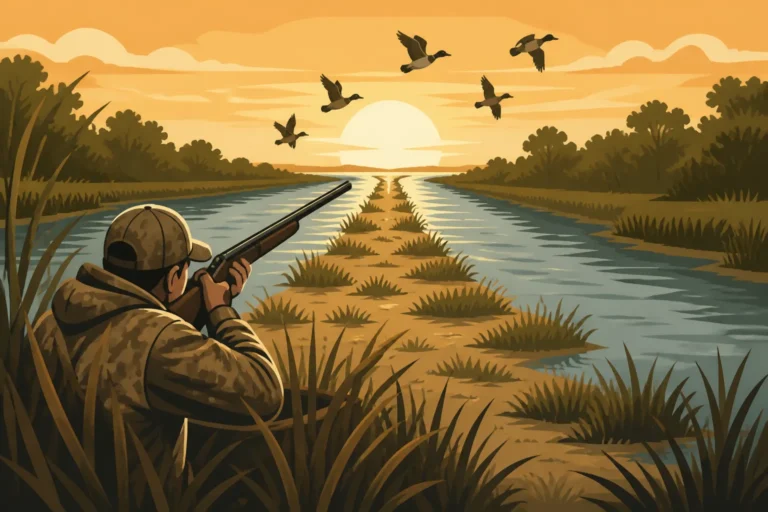
The essence of jump-shooting is surprising the ducks. This means a slow, silent, and methodical approach. Keep your boat as close to the bank or available cover as possible, using the natural contours and vegetation to break up your silhouette. Paddle or motor (if using an electric trolling motor) at a snail's pace, constantly scanning ahead and to the sides. Look for movement, iridescent colors, or even just a subtle ripple on the water that doesn't belong. Wood ducks are masters of camouflage, and they'll often sit tight until you're right on top of them.
When you suspect birds are ahead, or as you round a bend, be ready. Your gun should be mounted or in a ready position, safety on, but easily accessible. The flush can be explosive and incredibly fast. As birds burst from the cover, pick a single bird and swing through it, firing as it clears the trees. Don't get greedy trying to take multiple birds on the initial flush; focus on one clean shot. Sometimes, if you're very quiet and patient, you might even see a duck or two on the water before they flush, giving you a slightly less chaotic shot opportunity. Remember the importance of Wind and Thermals in Swamp Bottomland for approach; moving quietly against the breeze can further obscure your presence.
Reading the Water and Anticipating Flushes
Experience is the best teacher when it comes to reading the water for jump-shooting, but there are definitely signs you can learn to pick up on. Besides visible birds, look for subtle disturbances. A sudden splash, a rapidly expanding ripple, or even just a patch of water that looks "off" can indicate a duck has just dipped under or moved. Often, you'll hear the distinctive squeal of a wood duck before you see it, especially if you're moving quietly.
Anticipate where birds would be. As you approach a log jam, a dense patch of smartweed, or an overhanging cypress, mentally prepare for a flush from that specific spot. Visualize the birds exploding upwards and plan your shot trajectory. When you come to a wider pool or slough, don't just blast through the middle. Instead, hug one side, pushing birds towards the open water where you might get a cleaner shot as they cross. Sometimes, if you spook a bird far off, it might fly around the bend and land just out of sight. A quick, quiet follow-up can sometimes lead to another opportunity. Learning the Louisiana Waterfowl Migration Timing can also help you anticipate peak activity.
Retrieving Birds in Thick Cover
This is often the trickiest part of jump-shooting wood ducks in bayous. A downed bird in thick swamp timber can disappear instantly. Mark your bird's fall clearly, paying attention to specific trees, snags, or bends in the bayou. Don't just look where it went down, but try to note the last thing it touched, like a branch or a patch of reeds. A good retriever dog is an invaluable asset for this type of hunting. If you don't have one, be prepared to get wet and work.
Paddle directly to where you marked the bird, and begin a systematic search. Don't rush; a slow, thorough sweep of the area is far more effective than a frantic dash. Look not only on the water but also in overhanging vegetation or shallow banks where a bird might have drifted or crawled. Use a paddle or stick to gently probe dense vegetation. If the current is a factor, start your search slightly downstream from where you saw the bird fall. Remember, every effort to recover your bird is an ethical imperative.
Safety and Ethics in Bayou Jump-Shooting
Hunting in Louisiana's bayous, especially when jump-shooting, presents unique challenges and demands a strong commitment to safety and ethical conduct. The environment itself, with its winding waterways and dense cover, requires constant vigilance, and respecting both the resource and other users is paramount.
Navigating Waterways Safely
The bayou can be a beautiful but unforgiving place. Always wear a U.S. Coast Guard-approved personal flotation device (PFD), especially when in smaller boats like kayaks or pirogues. The water can be cold, and getting unexpected wet in a remote area is a serious emergency. Be aware of submerged hazards like cypress stumps, fallen logs, and shallow sandbars, which can damage your boat or motor, or even throw you overboard. A good depth finder can be invaluable.
Always let someone know your float plan – where you're going, your intended route, and when you expect to return. Cell service can be spotty in the more remote areas, so don't rely on it for communication. Be mindful of other boaters, including fishermen and pleasure craft. Stick to the side of the bayou, especially in narrower sections, and pass other boats slowly. Remember, alcohol and boating don't mix, and adding firearms to the equation only increases the risk. A clear head is essential for navigating safely and making good decisions. The changing conditions of the Louisiana marsh and basin means that what was a clear path yesterday might be obstructed today. Using a tool like GoHunt to mark obstacles or critical navigation points can be a real lifesaver.
Respecting Property and Wildlife
While jump-shooting is often done on public waterways or public hunting lands like those mentioned in Hunting the Atchafalaya Basin, it's crucial to be aware of property lines. Private land often borders these bayous, and accidental trespass can lead to serious legal issues. Always consult your maps to clearly identify public versus private ownership. If you need to retrieve a bird that has fallen on private property, you must obtain permission from the landowner before setting foot on their land. Never assume permission.
Beyond property, respect the wildlife. Take only what you need and what is legally allowed under Louisiana Duck and Goose Bag Limits. Do not harass non-target species. Ensure you have positive identification of your target before you shoot, especially with the speed of jump-shooting flushes. Don't leave spent hulls, trash, or other debris in the bayou. Pack out everything you pack in, and perhaps even a little more. This commitment to conservation ensures that these incredible hunting opportunities will remain for future generations. Ethical hunting is responsible hunting, and it's something every Louisiana hunter takes seriously.
| Jump-Shooting Essential Gear Checklist | Consideration | Notes |
|---|---|---|
| Firearm | 12- or 20-gauge shotgun (semi-auto recommended) | Quick handling for fast-flushing birds. |
| Ammunition | Steel Shot (#4 or #5) | Required for waterfowl; provides dense pattern for wood ducks. |
| Choke | Improved Cylinder or Skeet (Modified also viable) | Wider patterns for close-range, fast shots. |
| Watercraft | Pirogue, kayak, canoe, small jon boat with mud/troll motor | Shallow draft, quiet operation, stability for shooting. |
| PFD (Life Vest) | USCG Approved | Always wear it, especially in small boats and cold water. |
| Waterproof Outerwear | Waders, waterproof jacket/pants | Expect to get wet; stay dry to stay safe and comfortable. |
| Navigation Tools | GPS, map app (GoHunt, physical map), compass | Essential for finding spots and preventing getting lost in winding bayous. |
| Dry Bag | For electronics, keys, wallet | Protect valuables from water damage. |
| First-Aid Kit | Well-stocked for minor injuries | Be prepared for cuts, scrapes, and emergencies. |
| Whistle | Signaling device | For emergencies when cell service is unavailable. |
| Water & Snacks | Hydration and energy | Important for longer trips, especially in warm Louisiana weather. |
| Polarized Sunglasses | Reduces glare on water | Helps spot birds and submerged obstacles more easily. |
| Hunting Licenses/Stamps | Louisiana Resident Hunting License Options, Louisiana Federal Duck Stamp Requirement, Louisiana HIP Certification for Bird Hunters, Louisiana Species-Specific License Add-Ons | Legal requirement; keep readily accessible. |
| Game Straps/Bag | For carrying harvested birds | Keep birds organized and clean. |
Disclaimer
The information provided in this article is for general guidance and informational purposes only. Hunting regulations and conditions can change rapidly. Always consult the latest Louisiana Department of Wildlife and Fisheries (LDWF) regulations and local ordinances before engaging in any hunting activities. It is your responsibility to understand and comply with all applicable laws and safety guidelines.