Hunting Hogs Without Bait or Dogs
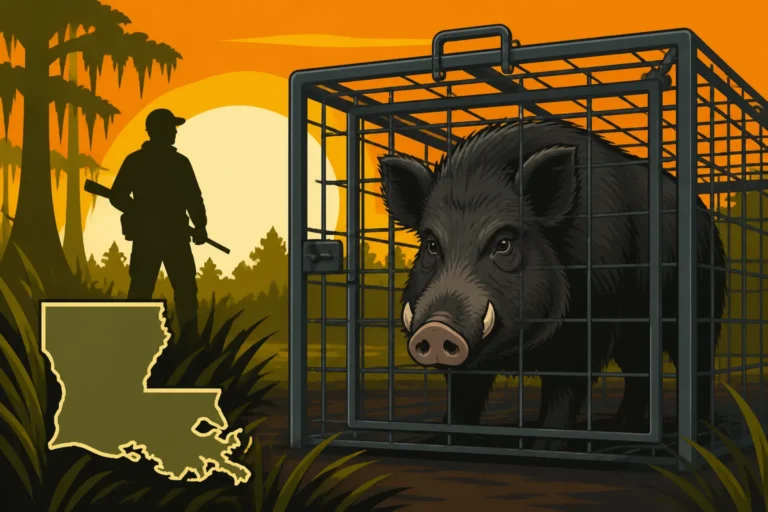
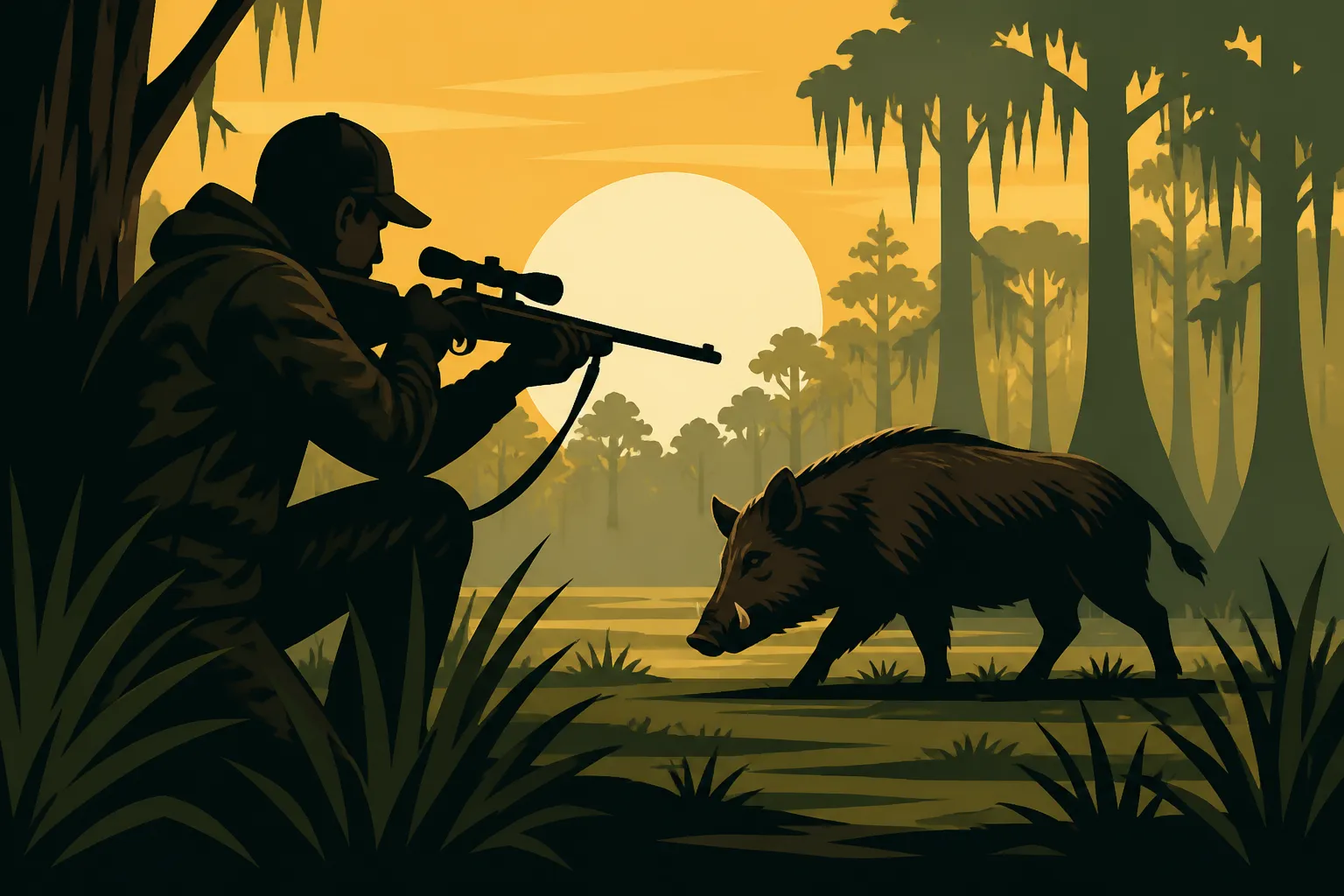
Hunting feral hogs in Louisiana can be one of the most exhilarating and frustrating experiences you'll encounter as a hunter. These intelligent, elusive animals are notorious for their destructive behavior and incredible ability to adapt. For those looking to truly test their skills, the challenge amplifies when you commit to hunting them without the aid of bait or dogs, forcing a deeper understanding of their habits and habitat. This guide will walk you through the nuanced strategies and meticulous preparations required to successfully put a Louisiana hog on the ground when you’re relying solely on your woodsmanship and stealth.
The Unique Challenge of Hunting Hogs Without Bait or Dogs
When you strip away the common tools of the trade – the irresistible draw of a bait pile or the relentless pursuit of a well-trained hog dog pack – you're left with a purer, more elemental form of hunting. This isn't just about personal preference; it's often a necessity, especially when navigating public lands where baiting might be prohibited.
Why "No Bait, No Dogs" Changes the Game
Many hunters fall into the habit of relying on bait to draw hogs to a predictable location. It’s effective, no doubt, but it can also make the hunt less about tracking and more about waiting. Similarly, hunting with dogs is a high-energy, exciting endeavor that covers vast amounts of ground and can quickly locate sounders. However, it requires a dedicated pack, specific training, and isn't always feasible or permitted in certain areas. When these options are off the table, you're embracing a far more challenging, yet incredibly rewarding, experience.
This approach demands that you understand the hog on its own terms – what it eats, where it sleeps, how it travels, and its daily patterns. You're trying to outwit an animal known for its keen senses and remarkable ability to vanish into the thickest cover. For many, this is the ultimate test of hunting acumen, allowing you to connect more deeply with the landscape and the animal itself. It's a game of chess where the hog often holds the advantage, making every successful hunt a profound accomplishment. This style of hunting also aligns well with the regulations you might find on Wildlife Management Areas (WMAs) where methods like Trapping Louisiana Feral Hogs or Night Hunting Hogs With Lights on Private Land are often restricted, giving you a viable alternative for Hunting Louisiana's Year-Round Feral Hogs.
Understanding Feral Hog Behavior and Senses
To succeed without bait or dogs, you absolutely must become a student of the hog. Feral hogs are smart, surprisingly agile, and possess a remarkable set of senses that make them incredibly difficult to sneak up on. Their sense of smell is legendary, often cited as being comparable to or even surpassing that of a deer. They can detect human scent from hundreds of yards away, making wind direction your absolute top priority.
While their eyesight isn't as sharp as their nose, they are excellent at detecting movement, especially in low light conditions. Their hearing is also quite good, allowing them to pick up on subtle sounds in the brush. Hogs are primarily nocturnal or crepuscular, meaning they are most active during dawn, dusk, and throughout the night, especially in areas with high hunting pressure or during hot Louisiana summers. During the day, they'll typically bed down in the thickest, nastiest cover they can find – palmetto swamps, dense briar patches, or cane breaks. Understanding these behaviors is your first step in devising a strategy that doesn't involve drawing them to you or sending dogs after them.
Mastering Scouting for Unassisted Hog Hunts
Scouting becomes your most critical tool when hunting hogs without the usual aids. You’re essentially trying to find a needle in a haystack, but that needle leaves a trail. Learning to read these clues on the landscape is paramount.
Reading the Landscape for Hog Sign
Feral hogs leave an abundance of sign if you know what to look for. Unlike deer, whose sign can sometimes be subtle, hogs are destructive.
- Rooting: This is the most obvious sign. Hogs use their powerful snouts to dig up soil, searching for roots, tubers, grubs, and fungi. Fresh rooting will have moist, disturbed soil. The deeper and wider the rooting, the more hogs might have been present. Look for this in damp, fertile areas, often near water sources or food plots.
- Wallows: Hogs love to cool off and rid themselves of parasites by rolling in mud. You’ll find wallows in low-lying, damp areas. Fresh wallows will be wet, and you might see impressions of their bodies or bristles stuck in the mud around the edges.
- Rubs: Hogs will rub against trees, fence posts, or anything else available to scratch themselves and leave their scent. Look for mud and bristles rubbed off at varying heights.
- Tracks: Hog tracks are distinct, often blunt and rounder than deer tracks, with dew claws that frequently register, especially in soft mud. The size can give you an idea of the age and sex of the hog, though not always reliably. Look for directional movement in these tracks.
- Droppings: Hog scat can vary greatly depending on their diet but is typically darker, cylindrical, and often deposited in piles. Freshness is key here.
- Trails: Hogs create discernible trails through thick brush, especially between bedding areas, feeding zones, and water sources. These trails will often be wider and more disturbed than deer trails.
When scouting, focus on finding fresh sign. Old rooting or dried wallows tell you hogs were there, but not necessarily that they are there now. You're looking for evidence of recent activity to narrow down your search area. This detailed scouting is often what separates a successful hunter from one who goes home empty-handed, much like the precision needed when you're Scouting Louisiana Public Land Before Season for deer.
E-Scouting and Boots-on-the-Ground Reconnaissance
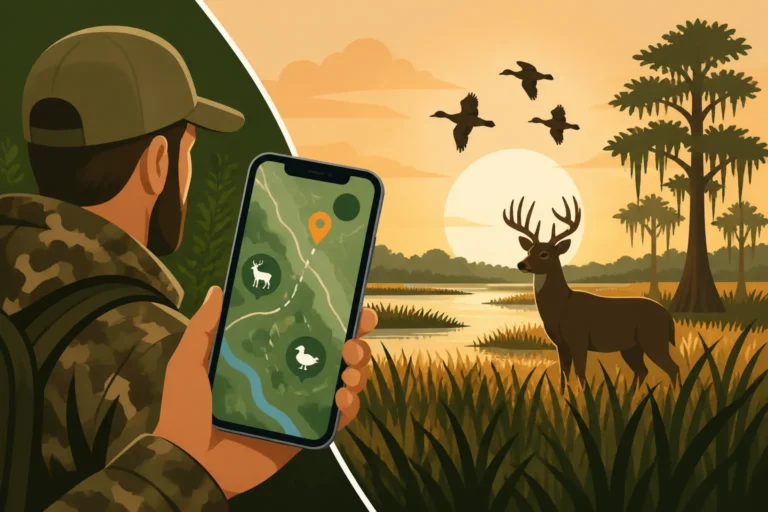
Modern technology can give you a significant advantage, even when hunting "the old-fashioned way." Using mapping tools like GoHunt can give you an incredible head start.
- Aerial and Topographical Maps: Before you even set foot in the woods, use satellite imagery to identify potential hog hot spots. Look for:
- Thick Cover: Areas of dense palmetto, cane, briars, or impenetrable swamps are prime bedding grounds.
- Water Sources: Creeks, sloughs, ponds, and drainage ditches are vital for hogs, especially in hot weather.
- Food Sources: Identify areas with oak trees (acorns are a favorite), agricultural fields (corn, soybeans, rice), or areas with soft ground for rooting.
- Funnels and Pinch Points: Look for natural bottlenecks where hogs are likely to travel between bedding and feeding areas.
- Topography: A detailed topographical map, perhaps even the ones you get from a premium mapping service like GoHunt, will reveal subtle elevation changes that can influence hog movement, especially during floods or after heavy rains.
Once you have a few promising spots identified on your map, it's time for boots on the ground. This is where you confirm or deny your e-scouting theories. Walk slowly, quietly, and methodically. Track your movements with GPS (many apps, including GoHunt, allow this) and mark every piece of fresh hog sign you find. Pay attention to how the wind blows through the area at different times of the day. This kind of detailed planning, often supported by platforms like GoHunt, is crucial for uncovering patterns.
Seasonal Food Sources and Water
Hogs are opportunistic omnivores, meaning their diet shifts with the seasons and availability. Knowing what they're currently eating is like knowing their schedule.
- Acorns: In the fall and early winter, acorns are a primary food source. Identify oak groves and look for fresh rooting under them. Different oak species drop acorns at different times, so knowing your oaks can help extend your season.
- Agricultural Crops: If you're near farmland, hogs will raid cornfields, soybean fields, and rice paddies. Access points to these fields, especially edges bordering thick cover, are excellent ambush sites.
- Roots and Tubers: Year-round, hogs root for underground sustenance. Areas with soft, moist soil are often targets.
- Forbs and Grasses: They will graze on lush green growth, particularly after rains or in newly sprouted areas.
- Water: Hogs need water daily, not just for drinking but for wallowing. Any water source, especially secluded ones in thick cover, will attract them. Focus on areas where food and water sources are in close proximity to bedding cover. This knowledge is key to understanding Where Atchafalaya Basin Bucks Bed, and similarly, where hogs might bed and feed.
By diligently scouting and understanding these factors, you’re not just hoping to stumble upon a hog; you’re actively predicting their movements and setting yourself up for success.
Stalking and Still-Hunting Strategies for Wild Hogs
Once you've done your homework and located areas of fresh hog sign, the next step is putting boots to the ground and employing stealthy hunting techniques. This is where true woodsmanship shines.
The Art of Silent Movement
Stalking or still-hunting hogs without the aid of bait or dogs requires exceptional quietness and patience. These animals are incredibly wary, especially in areas with hunting pressure.
- Slow and Deliberate: Move at a snail's pace. Take one or two steps, then stop, look, and listen for several minutes. Use your binoculars to scan ahead, picking apart shadows and dense cover.
- Foot Placement: Every step should be intentional. Before putting your weight down, check for twigs, crunchy leaves, or anything that might snap. Lift your feet, don't drag them. Walking heel-to-toe can help maintain balance and reduce noise.
- Use Cover: Stay in the shadows as much as possible, and use trees, bushes, and terrain features to break up your outline. Never silhouette yourself on a ridge or against an open sky. Move from cover to cover, always assessing your next move.
- Scent Control: This cannot be stressed enough. Hogs have an incredible sense of smell. Wear clean clothes, use scent-eliminating sprays, and store your hunting gear separately from anything with foreign odors. Even with perfect scent control, playing the wind is still critical.
Think of yourself as a predator, mimicking the silent approach of a bobcat or a coyote. Any sudden movement or sound can send a whole sounder scurrying away, often without you even realizing they were there. For hunters accustomed to sitting in a stand, this active pursuit is a different animal altogether.
Wind Direction is King
As mentioned, a hog's nose is its primary defense. Ignoring the wind is a guaranteed way to go home empty-handed.
- Constant Monitoring: Carry a wind checker (a small bottle of powder or milkweed fluff) and use it constantly. Check the wind before moving into a new area, before stepping out of cover, and even periodically while standing still.
- Circle Downwind: Always approach a suspected hog location from downwind. This means walking a much longer, circuitous route if necessary. Never compromise on wind direction to save time.
- Thermals: In hilly or undulating terrain, remember that thermals will often pull scent uphill in the morning as the ground warms, and downhill in the evening as it cools. In flat, swampy country, the wind might be more consistent, but swirling conditions are common in thick timber. Understanding Wind and Thermals in Swamp Bottomland is crucial for success here.
- Plan Your Escape Route: If you do spook a hog, know which way it's likely to run and have a plan for how you might intercept it or position yourself for a follow-up shot if the opportunity arises.
Many seasoned hog hunters consider wind direction even more important than visual concealment. You can be seen, but if you're downwind, you might still get a shot. If you're upwind and scented, it's game over.
Locating Hogs in Thick Cover
Finding hogs that aren't coming to a bait pile takes a keen ear and eye.
- Listen Actively: Hogs are not silent creatures. Listen for their distinctive grunts, squeals, and "woof" noises. You might hear the sound of them rooting through leaf litter or splashing in a mud puddle. During hotter parts of the day, listen for them bedding down and rustling in thick cover.
- Glassing: Use good quality binoculars, even in thick cover. Scan openings, edges, and dense shadows. Look for parts of an animal – a black hide against green foliage, the flick of an ear, or the subtle movement of a tail. Early morning and late evening are prime times for hogs to be out in more open areas.
- Track Them to Bed: Follow fresh tracks into dense bedding areas, being acutely aware of the wind. This is often the most productive, albeit challenging, way to locate hogs during daylight hours, especially if they’ve been pressured.
This methodical approach, combining stealth, wind awareness, and active observation, is the essence of successfully hunting hogs without external aids. It's a testament to your abilities as a hunter.
Ambush and Stand Hunting Techniques
Even without bait, stand hunting can be highly effective for hogs, provided you've done your homework. It’s all about putting yourself in a location where hogs are naturally going to be, rather than coercing them.
Identifying Key Ambush Points
The success of ambush hunting hinges on identifying those natural travel corridors and congregation points.
- Funnels and Pinch Points: These are areas where topography or dense cover forces animals into a narrow travel path. Think of a small strip of woods between two large fields, a narrow ridge line, or a dry land bridge through a swamp. Hogs, like deer, will often use the path of least resistance.
- Transition Zones: Hogs move between bedding areas (dense, impenetrable cover) and feeding areas (oak flats, crop fields, natural clearings) and water sources. The edges where these habitats meet are prime ambush points. Look for thick creek bottoms that lead to a field, or a dense palmetto thicket adjacent to an acorn-rich hardwood block.
- Crossing Points: If there’s a creek, ditch, or fence, look for well-used crossing points. Hogs will create distinct trails at these spots.
- Watering Holes: Secluded ponds, sloughs, or sections of a creek can be excellent ambush spots, especially during hot, dry periods. Hogs need to drink and wallow.
- Game Trails: Identify the most heavily used game trails connecting these vital areas. Hogs, unlike deer who might wander a bit more, tend to stick to established routes, especially if they feel pressured.
A strategic approach to finding these key ambush points involves a lot of the same mapping and on-the-ground scouting discussed earlier. The goal is to predict movement, not influence it.
Setting Up a Ground Blind or Treestand
Once you've identified a promising ambush point, the next step is to set up your position effectively. The choice between a ground blind and a treestand often depends on the specific terrain and cover available.
- Ground Blinds: Using a Ground Blind on Louisiana Public Land can be incredibly effective for hog hunting, particularly in areas with good natural cover.
- Concealment: Choose a spot where you can blend into the natural environment. Use existing brush, logs, or thickets. Build a natural blind or brush in a pop-up blind extensively. Hogs have good movement detection, so breaking up your outline is paramount.
- Wind Protection: Set up so the prevailing wind carries your scent away from the anticipated hog travel routes.
- Shooting Lanes: Clear a few shooting lanes, but do so minimally to avoid disturbing the area too much. You want clear lines of sight to where you expect the hogs to appear.
- Entry and Exit: Plan a silent entry and exit route that minimizes disturbing the area and doesn't cross major hog trails.
- Treestands: A treestand offers a height advantage, providing a wider field of view and helping to get your scent above a hog’s keen nose.
- Tree Selection: Choose a sturdy tree that offers good cover from both behind and above. Blend into the canopy.
- Approach: As with ground blinds, ensure your approach to the stand is quiet and doesn't alert game.
- Shooting Angles: Practice shooting from your stand at various angles to ensure you're comfortable and can make an ethical shot. Remember that Shot Placement on a Feral Hog is crucial due to their tough hide and anatomy.
Regardless of your chosen setup, the key is to be as invisible and scent-free as possible. Hogs are smart; if they detect anything out of the ordinary, they'll simply avoid the area.
Patience and Persistence
Hunting hogs without bait or dogs is not a quick affair. It requires a tremendous amount of patience and persistence.
- Long Sits: Be prepared for long hours in your stand or slowly moving through the woods. Hogs don't operate on a fixed schedule, and sometimes you just have to be there when they decide to move.
- Low Light Exploitation: Focus your efforts during the prime low-light periods of dawn and dusk. Hogs are most active then, especially in warmer weather or pressured areas.
- Post-Rain Scouting: After a good rain, go out and look for fresh tracks and rooting. This is often when hogs become more active, and the damp ground can make tracking easier.
- Adaptive Strategy: Don't be afraid to adjust your strategy if a spot isn't producing. Hogs are nomadic and can move out of an area quickly if food sources dry up or pressure increases. Be willing to move your stand or change your still-hunting route based on fresh sign.
By combining meticulous scouting, silent movement, strategic positioning, and unwavering patience, you can absolutely be successful in hunting Louisiana hogs without bait or dogs. It's a testament to the pure art of hunting and an incredibly rewarding experience.
Table: Key Strategies for No Bait, No Dogs Hog Hunting
| Strategy | Description | Best Conditions | Challenges |
|---|---|---|---|
| Still-Hunting / Stalking | Slow, deliberate movement through habitat, actively searching for hogs by sight and sound. Focus on wind, cover, and silent foot placement. | Dense cover, varied terrain, areas with fresh sign, light winds. | High physical demand, easy to spook hogs, requires excellent woodsmanship. |
| Ambush (Stand/Blind) | Positioning yourself at natural travel corridors, transition zones, or water sources that hogs use consistently. Patience is key. | Established hog patterns, pinch points, feeding/bedding transitions, consistent wind direction. | Requires extensive scouting, long periods of inactivity, hogs may alter patterns due to pressure. |
| Scouting (Pre-Hunt) | Intensive pre-season and in-season reconnaissance to locate fresh rooting, wallows, tracks, and trails. Utilizes e-scouting tools and boots-on-the-ground. | Before and during season, after rain, in varied habitat types. | Time-consuming, requires ability to interpret sign, hogs are nomadic. |
| Scent & Wind Control | Strict adherence to scent-free practices and constant monitoring of wind direction to ensure your scent is carried away from detected or anticipated hog locations. | All conditions, especially crucial in thick cover or near known hog activity. | Requires discipline and constant vigilance, swirling winds in certain terrains can be unpredictable. |
| Patterning Hogs | Observing and interpreting hog movements based on food sources, water, bedding cover, and hunting pressure. Adapting your hunt plans to these patterns. | Any time hogs are active, especially through consistent scouting efforts. | Hogs are unpredictable, patterns can change quickly, requires detailed record-keeping. |
This table provides a quick overview, but remember, the true success lies in the meticulous execution of each strategy. Hunters often overlook the impact of Hunting Pressure on Louisiana Public Land, which can significantly alter hog patterns, making your ability to adapt even more critical. Learning How Louisiana's Ten Deer Areas Differ can also provide insights into regional habitat variations that might influence hog behavior. Finding Ground Others Walk Past is a skill that will serve you well in this endeavor, leading you to less pressured hogs.
Disclaimer
Hunting is an inherently dangerous activity. Always prioritize safety, follow all local and state regulations, and obtain proper licenses and permits before heading into the field. This guide provides general information and recommendations, but individual hunting situations can vary. It is the responsibility of each hunter to ensure they are compliant with all Louisiana Department of Wildlife and Fisheries (LDWF) rules, including those regarding Louisiana Feral Hog Regulations.