Making the Most of a Short Turkey Window
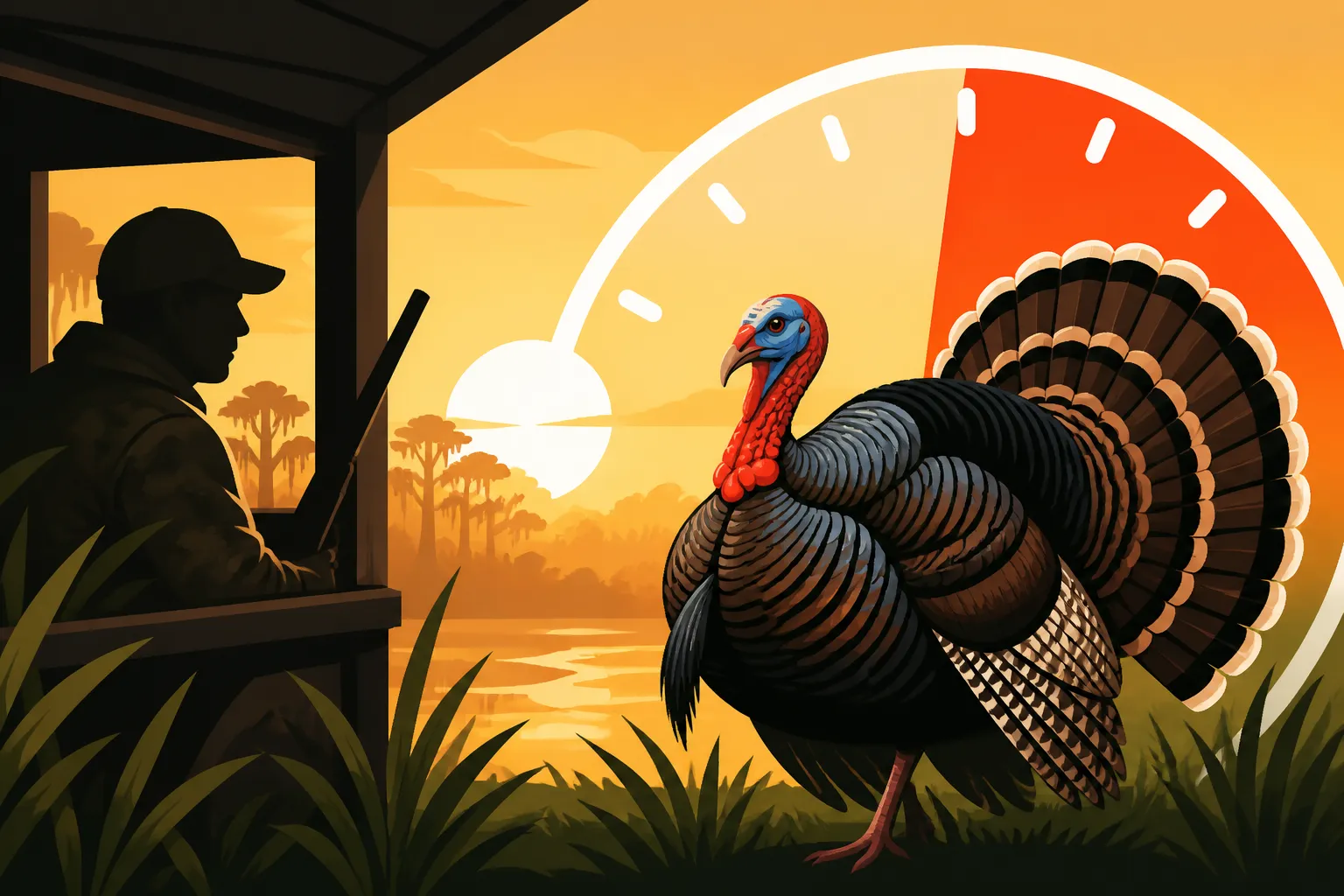
There’s nothing quite as frustrating as feeling like you just blinked and your prime turkey hunting window in Louisiana is already closing, or worse, never even truly opened. We pour over regulations, scout hard, and mentally prepare, only to find ourselves with a fleeting opportunity, especially in certain parts of the state. This guide is all about tackling that challenge head-on, offering practical strategies to make every precious minute count when you’re facing a compressed turkey season in the Pelican State.
Understanding Louisiana's Turkey Windows
Hunting turkeys in Louisiana isn't a one-size-fits-all endeavor, especially when it comes to season lengths. While some areas might offer a decent run, others can feel incredibly restrictive, leaving hunters scrambling to make their mark. It's vital to understand the "why" behind these shorter windows and precisely where your specific hunting grounds fall.
Why Some Seasons Are Shorter
Louisiana's turkey season structure is a carefully managed balance, designed to sustain turkey populations across diverse habitats. Shorter seasons, particularly in areas with lower turkey densities or sensitive habitats, are often a conservation measure. The Louisiana Department of Wildlife and Fisheries (LDWF) uses these shorter windows to limit harvest pressure, allowing populations to rebound or remain stable. For instance, areas with fragmented habitat, less abundant food sources, or those still recovering from historical declines might have very conservative season dates. You might notice this in areas that don't have the vast, contiguous timberlands that support booming turkey numbers. This directly impacts the opportunity, meaning you might have fewer weekends, or even fewer days total, to pursue a gobbler. It’s a bitter pill to swallow when you’re eager, but it’s for the long-term health of the flock. If you're wondering about the specifics, diving into the current Louisiana Spring Turkey Season Rules can clear up any confusion about why your particular area might feel so brief.
Identifying Your Specific Hunting Window
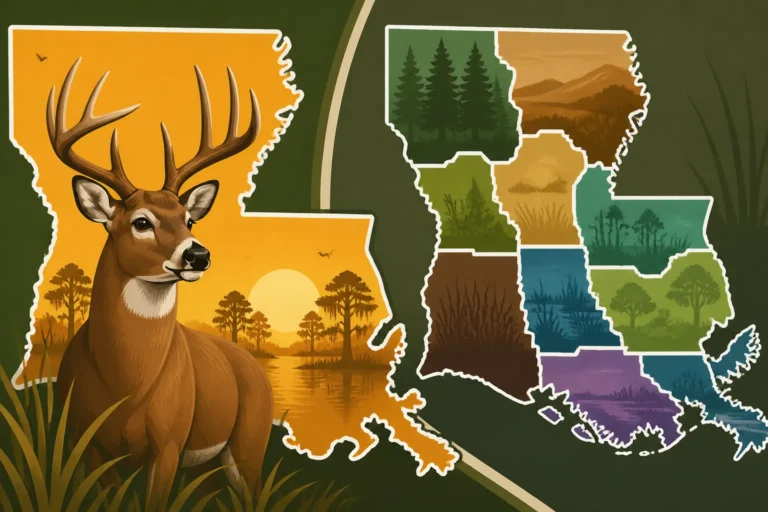
Before you even think about tactics, you absolutely must know your exact hunting window. Louisiana divides the state into three turkey hunting areas: A, B, and C, and the season dates can vary significantly between them. Area A typically has the longest season, while Area C often has the shortest. Missing the opening weekend, or even just a few key days, in a short-window area can feel like missing half the season. This isn't just about knowing the opening and closing dates; it's also about understanding any specific WMA regulations, youth hunts, or other nuances that might further shrink your available hunting time.
For example, Hunting Area C's Shorter Turkey Window means you've got to be dialed in from day one. Don't assume your buddy hunting in another parish has the same dates. Always double-check the current LDWF regulations for the specific parish or Wildlife Management Area (WMA) where you plan to hunt. A quick check on the LDWF website or their handy app will give you the precise dates. Many hunters use advanced mapping apps like GoHunt to layer public land boundaries and even WMA-specific regulations, ensuring they're always aware of their precise legal hunting window. This precision is non-negotiable when time is of the essence.
Pre-Season Scouting and Preparation
When your hunting window is short, you can't afford to waste precious in-season hours scouting. The real work, the kind that makes or breaks a hunt, happens long before opening day. This pre-season diligence is your secret weapon.
Leveraging Topo Maps and Aerials
Before you even step foot in the woods, you should be pouring over maps. Topographical maps and aerial imagery are invaluable tools for understanding the lay of the land without leaving your home. Look for key terrain features that turkeys love: ridge lines, saddles, creek bottoms, mature timber, and open fields or food plots. Turkeys, especially gobblers, are creatures of habit, and they'll often use the same travel corridors year after year. Identifying potential roosting areas on ridges overlooking water, or pinch points where birds will naturally funnel, is critical.
A good mapping platform, like GoHunt, allows you to mark these potential hotspots, measure distances, and plan entry and exit routes that minimize disturbance. You can spot old logging roads, power lines, or gas lines that could serve as excellent travel routes for you, or even open up clear lines of sight for calling setups. Pay close attention to changes in timber type – a hardwood bottom transitioning to a pine stand, for example, is often a high-traffic zone. By doing this homework, you're not just looking at a map; you're mentally walking the terrain and visualizing where a gobbler might respond. This kind of detailed planning significantly reduces the amount of "dead time" you'll spend walking aimlessly during your limited season.
Locating Roost Sites and Travel Corridors
Once you've identified potential areas on your maps, it's time for boots on the ground, or at least ears on the ground. During the late winter and early spring, long before the season opens, make trips to the woods to listen for roosting birds at dawn and dusk. Turkeys are vocal, especially during breeding season, and pinpointing their exact roost trees or general roosting areas is a game-changer for short seasons. If you know where a bird is likely to spend the night, you can set up well before first light, giving you the best chance at an opening fly-down shot or a quick setup before he moves off.
Beyond roosts, look for sign: tracks, droppings, feather piles, and dusting bowls. These tell you where turkeys are feeding, loafing, and traveling during the day. Observe the patterns. Are they using a particular field edge in the morning? Do they cross a certain creek bottom every afternoon? Identifying these patterns is crucial. For public land hunters, this often means scouting deeper and harder, because Scouting Louisiana Public Land Before Season becomes even more important when you have less time to chase birds once the season starts. The more you know about their habits before you hunt, the less guesswork you’ll have to do when the clock is ticking.
Setting Up for Success Before Opening Day
Your pre-season scouting shouldn't just be about finding birds; it should be about preparing for the hunt. Clear out shooting lanes if you're planning on using a ground blind or a specific tree stand. Identify multiple potential setup locations for different wind directions or if a bird approaches from an unexpected angle. For those who favor a mobile approach, scout out paths that allow for quiet, swift movement. Think about where you'd put a decoy, even if you don't carry one every hunt.
If you're hunting private land, consider putting out trail cameras in key areas to monitor turkey activity. This gives you real-time intelligence on patterns you might not see during short scouting trips. Even on public land where cams are often restricted, understanding historical patterns through your own observations is invaluable. The goal is to minimize surprises and maximize efficiency on your actual hunt days. Every potential setup location you've pre-selected is a minute saved when a gobbler is hammering just out of sight, and you need to get into position quickly.
In-Season Tactics for Limited Time
When your turkey window is tight, you can't afford to be passive. You need an aggressive, adaptable, and efficient approach to make the most of every hunt.
Aggressive Roost Hunting Strategies
For short seasons, starting your day by Roost Hunting Louisiana Gobblers is often your best bet. Turkeys are most predictable when they're still in the tree. Get into position well before daylight, ideally an hour or more before fly-down. You want to be close enough to hear their first sleepy clucks and yelps, but far enough not to spook them. Position yourself between the roost and where you anticipate they'll fly down or travel to feed.
As the woods lighten, a soft tree yelp or an owl hoot can sometimes get a gobbler to shock gobble, revealing his exact location. Once he pitches down, you're in prime position. Be ready for a quick shot, as gobblers can often come in silent and fast, especially if they've heard hens on the roost. If he flies down and gobbles aggressively, a soft hen call might be all it takes. If he hangs up, a bit more aggressive calling, coupled with strategic decoy placement, might coax him the last few yards. However, if he flies down and walks away with hens, you might need to quickly switch to a run-and-gun approach.
Run-and-Gun Tactics on Public Land
Sometimes, the birds don't cooperate with a roost setup, or you're hunting an area where roost trees are hard to pinpoint. This is where Run-and-Gun Turkey Tactics on Public Land truly shine. This strategy involves covering a lot of ground, calling frequently, and being ready to move quickly to a gobbler's response. It's physically demanding but can be incredibly effective when you have limited time and need to locate a hot bird.
Walk slowly, stopping every 100-200 yards to make a series of calls – usually loud yelps and cutts. Listen intently for a response. If you hear a gobbler, immediately assess his location and try to close the distance quickly and quietly, always using terrain features to break up your silhouette. Set up quickly, using natural cover, and try to get him to commit. Don't be afraid to break off from a hung-up bird if he won't commit. Sometimes, moving 200 yards down the ridge and getting another bird to respond is a better use of your limited time than wasting an hour on a stubborn one. This method thrives on finding an eager gobbler and capitalizing on his eagerness.
Responding to Quiet Birds and Pressure
Not every day is a gobbling frenzy, especially if you're hunting later in a short season or on heavily pressured public land. You might find that When Louisiana Gobblers Go Quiet in Late April is a common scenario. This is when your adaptability is truly tested. When birds are quiet, aggressive calling might spook them. Instead, try softer, more realistic hen vocalizations. Use clucks, purrs, and soft yelps, trying to sound like a contented hen feeding. Sometimes, a quiet gobbler just needs a little assurance that a hen is nearby and interested.
If birds are completely shut down, consider hunting areas with known feeding sign, like green fields or recent timber cuts, and waiting them out. Setting up a ground blind along a field edge or near a prominent travel corridor can be effective for patient hunters. Also, remember that calling volume matters. Rattling Volume in Thick Cover for deer hunting has parallels here – you need to adjust your calls to the environment. In dense Louisiana thickets, your calls won't carry as far, so you might need to be a bit louder, but still subtle enough not to scream at birds. On pressured land, less is often more. Try to differentiate your calling from the dozens of other hunters they might have heard.
| Strategy Component | Description | Best for Short Windows |
|---|---|---|
| Pre-Season Scouting | Map analysis, roost finding, sign identification, multiple setup locations. | Absolutely essential; saves crucial in-season hunting time. |
| Aggressive Roosting | Setting up before dawn near known roosts to intercept fly-down birds. | Highest odds for early morning success; capitalizes on predictable behavior. |
| Run-and-Gun | Covering ground, calling frequently, and quickly moving to responsive birds. | Efficiently locates gobblers in large areas; ideal for covering ground on public land. |
| Patience & Observation | Waiting out birds in known feeding/travel areas, subtle calling. | Effective for quiet or pressured birds; good for mid-day lulls or cautious birds. |
| Adaptive Calling | Varying call types, volume, and rhythm based on bird response and pressure. | Prevents over-calling; helps sound realistic and draw in wary gobblers. |
Maximizing Your Limited Hunting Hours
Every minute counts when you have a short turkey window. This isn't the time for leisurely mornings or long siestas in the truck. It's about optimizing every single hour you're in the woods.
Morning vs. Midday vs. Afternoon Hunts
Don't fall into the trap of only hunting the first hour of daylight. While morning fly-down can be electric, turkeys can be callable throughout the day. In short seasons, you should be putting in full days, from before dawn until dusk.
- Mornings: As discussed, roost hunting is prime. But if that doesn't pan out, don't give up. Gobblers will often search for hens aggressively for the first few hours after fly-down. This is a great time for a "power walking" run-and-gun approach, covering ground and trying to locate a bird actively seeking.
- Midday: This is when many hunters head out for breakfast or back to camp. That's your chance! After hens go to nest, lonely gobblers often become more responsive. They might be quiet, but persistent, subtle calling around known strutting zones or travel corridors can pay off big. Look for birds around dusting areas or loafing spots. Some of the biggest gobblers are taken between 10 AM and 2 PM by patient hunters.
- Afternoons: Turkeys typically start moving towards roosting areas an hour or two before dark. Try setting up in a travel corridor leading to a known roost, or by calling subtly from a good vantage point to intercept a bird headed to his evening perch. You might not get a shot, but you could locate a bird for the next morning. Knowing Louisiana Turkey Area A Closing Date or Louisiana Turkey Area B Closing Date means you should be in the woods until the absolute last legal minute on your final day.
Optimizing Your Gear for Efficiency
When time is short, your gear needs to work with you, not against you. Every item should be easily accessible, lightweight, and serve a purpose. Ditch anything unnecessary that adds bulk or slows you down.
- Calling System: Have a variety of calls you're proficient with, and make sure they're easily reachable. A vest with well-organized pockets for slate calls, strikers, diaphragm calls, and a box call is ideal. Practice with all of them so you can quickly switch as needed.
- Decoys: If you use decoys, consider a lightweight, collapsible model that can be deployed quickly. A single hen decoy is often sufficient to draw in a gobbler, especially if paired with good calling. Think about where you want to place it before you get to your setup. For Decoy Placement for Pressured Louisiana Birds, subtlety and realism are key.
- Mapping & Navigation: A reliable GPS or mapping app like GoHunt is non-negotiable. Pre-load your maps, mark waypoints, and know how to use it efficiently to navigate quickly and quietly without getting lost or wasting time. A portable charger for your phone is a good idea.
- Essentials: Pack only what you absolutely need: water, a few snacks, a knife, headlamp, and your harvest tag. Keeping your pack light allows you to move faster and further without fatigue, which is critical for run-and-gun tactics in the Louisiana heat and humidity.
Adapting to Weather Changes Quickly
Louisiana weather is famously unpredictable. A beautiful, clear morning can turn into a torrential downpour by noon. These shifts can drastically affect turkey behavior and your ability to hunt. When you have a short window, you can't afford to let weather send you home.
- Rain: Turkeys often get quiet during heavy rain, but they'll often gobble aggressively right after it stops. If you're out during a rain shower, use the sound of the rain to move quietly into a better position. Once it lets up, be ready to call aggressively. They'll often be in more open areas, shaking off water.
- Wind: High winds can make hearing gobblers incredibly difficult and can make birds less vocal. Focus on hunting sheltered areas like creek bottoms, ravines, or dense timber where the wind's effect is lessened. Again, silent movement and looking for visual cues become more important than solely relying on hearing.
- Temperature: Warm weather can make birds less active midday. Focus on early mornings and late afternoons. Conversely, a sudden cold front can sometimes spark a burst of gobbling activity. Always check the forecast and dress in layers so you can adapt quickly. Being prepared for the weather means you can stay in the woods longer and take advantage of any opportunities that arise.
Disclaimer
Please remember that hunting regulations, season dates, and specific rules for Wildlife Management Areas (WMAs) in Louisiana can change. Always consult the latest official Louisiana Department of Wildlife and Fisheries (LDWF) regulations before heading into the field. This article is for informational purposes only and should not replace official sources.