Shipping Game Meat Home After a Louisiana Hunt
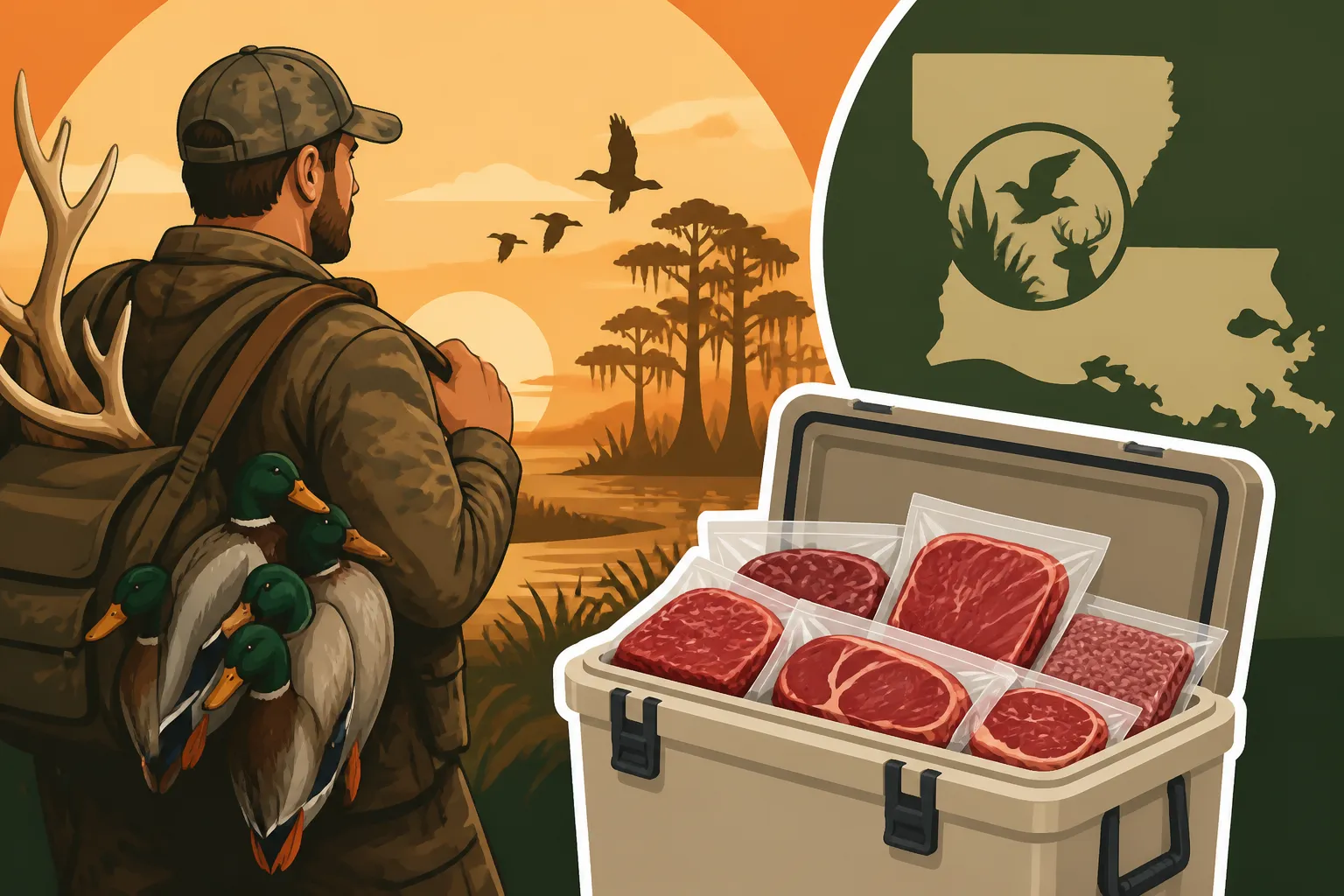
You’ve just wrapped up an incredible hunting trip in the Bayou State – maybe you tagged a beautiful buck from the Tensas Parish River Bottoms or finally connected with that elusive gobbler in Area A after mastering Calling a Louisiana Gobbler Off the Roost. The hard work is done, the photos are taken, and now you're staring at a cooler full of hard-earned venison or turkey breast, a delicious testament to your efforts. But then a new challenge arises: how on earth do you get all this precious game meat back to your home state, potentially hundreds or thousands of miles away, without it spoiling or running afoul of regulations? It's a common headache for traveling hunters, and this guide is here to walk you through the ins and outs of safely and legally shipping your game meat home after a fantastic Louisiana hunt.
The Journey Home: Understanding the Challenges of Shipping Wild Game
Bringing home game meat from a successful hunt in Louisiana, especially if you're traveling a significant distance, isn't as simple as tossing it in a suitcase. Louisiana's often warm climate means you're fighting a constant battle against spoilage, and then there are the layers of federal and state regulations, not to mention the practical logistics of packaging and transport. Many hunters, myself included, have stood in front of a cooler, scratching their heads, wondering the best way to preserve their bounty for the dinner table back home. It's a real frustration, but with a little planning, it's entirely manageable.
The Perishable Nature of Wild Game and Louisiana's Climate
Unlike store-bought, pre-packaged meats, wild game often comes with a tighter window for proper handling. From the moment the animal is harvested, the clock starts ticking. Field dressing, cooling, and processing are paramount. In Louisiana, with its notoriously warm temperatures, even well into hunting season, this challenge is amplified. A deer taken in November might still face 70-degree days, making rapid chilling an absolute necessity.
Think about it: that beautiful quartered deer meat, carefully deboned and ready for the freezer, needs to stay consistently cold – ideally frozen – for its entire journey. Any significant temperature fluctuation or prolonged exposure to warmth can compromise the quality, taste, and safety of the meat. This isn't just about losing some flavor; it's about preventing bacterial growth that could make the meat unsafe to eat. Getting the meat from the field to a processor, then ensuring it remains at a safe temperature for transit, is a critical chain that cannot be broken.
Navigating Federal and State Regulations for Game Meat
This is where things can get a little complicated, and it's a huge source of anxiety for many hunters. You're not just dealing with the airline's rules or FedEx's policies; you're also dealing with wildlife regulations from both Louisiana and your home state, and potentially federal laws. Each state has its own stance on importing wild game, and some have very specific requirements, especially concerning Chronic Wasting Disease (CWD).
For instance, if you're hunting in one of Louisiana's CWD Management Zones, like parts of Tensas Parish Public Hunting Ground, there might be restrictions on which parts of the animal you can transport out of that zone or state. Often, deboned meat, clean skull plates, and capes are permitted, but brain and spinal cord material are prohibited. It’s absolutely vital to check the regulations of your destination state before you even pull the trigger. Ignoring these rules could lead to your meat being confiscated, or worse, legal trouble. Always err on the side of caution and carry any required game tags or permits with your shipment.
The Inevitable Cost of Getting Your Harvest Home
Let's be real: quality and convenience often come with a price tag. Shipping frozen game meat across state lines isn't cheap. You're paying for specialized packaging, dry ice or gel packs, and expedited shipping services to ensure your meat arrives still frozen. Standard ground shipping simply won't cut it for perishable goods like wild game.
Consider the cost of a good quality cooler, several pounds of dry ice, the labor of a professional processor (if you go that route), and then the actual shipping fees from a carrier like FedEx or UPS for an overnight or two-day service. These expenses can quickly add up and significantly impact the overall cost of your hunting trip. It's an important factor to budget for, especially for nonresident hunters who have already invested in a Louisiana Nonresident Annual License Cost and perhaps an outfitter. Don't let the surprise shipping bill catch you off guard; factor it into your hunt planning early on.
Your Options for Shipping Game Meat: A Detailed Look
When it comes to getting your precious game meat from Louisiana back to your home kitchen, you've got a few main avenues. Each has its pros and cons, from cost to convenience, and understanding them will help you make the best choice for your situation.
Commercial Carriers: FedEx and UPS
These are the most common choices for shipping anything, and they do offer services for perishable goods like game meat. However, it's not as simple as dropping off a box. Both FedEx and UPS have very specific guidelines for shipping frozen food, especially when using dry ice, and you must follow them to the letter.
Packaging is King: You'll need a sturdy, insulated cooler, often made of thick-walled Styrofoam inside a corrugated cardboard box. The meat itself should be vacuum-sealed in individual portions to prevent freezer burn and leakage. Many processors offer this service. Then comes the cooling agent: dry ice is usually preferred for its ability to maintain extremely low temperatures and sublimate (turn directly into gas) rather than melt into liquid. If using dry ice, you need proper ventilation – often small holes in the outer box – to prevent pressure buildup, and the package must be clearly labeled as containing dry ice, noting the weight. Gel packs are an option for shorter trips or when combined with dry ice, but they won't keep meat frozen for as long on their own.
Service Levels: You'll almost certainly need to use an expedited service, such as overnight or two-day shipping. Standard ground shipping, while cheaper, is a recipe for disaster with perishable meat, especially coming from a warm climate like Louisiana. The cost can be substantial, often hundreds of dollars depending on the weight and destination, but it's the price of peace of mind that your meat will arrive safely frozen. Always opt for signature required and tracking so you know exactly when your cooler lands.
Pros:
- Reliability: Both carriers have extensive networks and generally reliable tracking.
- Convenience: Drop-off locations are widespread.
- Speed: Overnight and two-day services can get your meat home quickly.
Cons:
- Cost: Expedited shipping with dry ice is expensive.
- Strict Rules: Failure to follow dry ice and packaging regulations can lead to delays or refusal.
- Weight Limits: Large amounts of meat can quickly become very heavy, increasing costs.
Air Travel: Checked Baggage or Air Cargo
If you're flying to and from your Louisiana hunt, you might consider taking your meat with you on the plane. There are two primary ways to do this: as checked baggage or through dedicated air cargo services.
Checked Baggage: Most airlines allow frozen meat as checked baggage, provided it's properly packaged. Again, a sturdy cooler is essential, and the meat must be solid frozen. Airlines have specific rules about dry ice (often a maximum weight, like 5.5 lbs, and proper ventilation for safety) and gel packs. Always check with your specific airline before you pack, as policies can vary greatly. The biggest advantage here is that your meat travels on the same flight as you, minimizing transit time and allowing for direct oversight. However, you'll still pay standard oversized or overweight baggage fees, which can add up if you're bringing back a lot of meat. Remember to allow extra time at the airport for check-in, as these specialized items often require manual processing.
Air Cargo: For larger quantities of meat or if you don't want the hassle of managing it at the passenger terminal, air cargo services are an option. These services operate independently from passenger flights, handling freight and specialized shipments. You'd drop your packaged meat off at the cargo terminal, and it would be shipped on a dedicated cargo flight. This can be a good choice for really big hauls, but it often requires more logistical planning on both ends – arranging drop-off and pickup at the cargo terminals. The cost can be comparable to commercial carriers like FedEx/UPS expedited services.
Pros:
- Speed: Fastest option for long distances.
- Control (Checked Baggage): You oversee your meat's journey directly.
- Capacity (Air Cargo): Can handle very large quantities.
Cons:
- Airport Logistics: Dealing with coolers and dry ice at a busy airport can be stressful.
- Airline-Specific Rules: Policies vary, requiring advance research.
- Pickup (Air Cargo): Requires coordinated pickup at the destination cargo terminal.
- Weight Limits and Fees: Overweight baggage fees can quickly become prohibitive.
Professional Wild Game Processors and Shippers
For many nonresident hunters, especially those without a dedicated processing setup at camp, this is often the easiest and most reliable option. Louisiana has a network of excellent wild game processors who not only expertly butcher and package your meat but can also arrange for shipping directly to your home.
The Full Service: After your successful hunt, you drop off your animal (or the quartered meat) at the processor. They'll handle everything: skinning, butchering, deboning, grinding, making sausage or jerky, and most importantly, vacuum-sealing and freezing your meat. Once processed and frozen solid, many will even package it into approved shipping containers with the correct amount of dry ice and coordinate the shipment with a commercial carrier. This takes all the guesswork and hassle off your plate, ensuring your meat is handled correctly from start to finish.
Finding a Processor: It's a good idea to research processors in the area where you'll be hunting well in advance. Ask local guides or other hunters for recommendations. Look for businesses that specifically advertise shipping services for wild game. This is especially useful if you're hunting in a less developed area and might not have easy access to dry ice or shipping hubs yourself. They'll be familiar with interstate regulations and the best practices for safe transport.
Pros:
- Convenience: One-stop shop for processing, packaging, and shipping.
- Expertise: Professionals know how to handle and ship meat safely and legally.
- Peace of Mind: Reduces stress and potential errors on your part.
Cons:
- Cost: This is typically the most expensive option, as you're paying for both processing and shipping services.
- Availability: Not all processors offer shipping, and popular ones can have long wait times, especially during opening weekends.
- Wait Times: You might have to leave your meat for a few days to be processed and frozen, requiring a return trip or additional planning.
| Shipping Method | Cost (Relative) | Speed | Effort for Hunter | Best For |
|---|---|---|---|---|
| Commercial Carrier (FedEx/UPS) | High | Fast | Moderate (packaging, drop-off) | Moderate amounts, good planning, willing to pay for speed. |
| Air Travel (Checked Baggage) | Moderate | Fastest | High (airport logistics, packing) | Smaller amounts, flying directly home, minimal layovers. |
| Professional Processor/Shipper | Very High | Fast (once processed) | Low (drop off animal, pay) | Nonresidents, large harvests, maximum convenience, peace of mind. |
Essential Steps for a Successful Game Meat Shipment
No matter which method you choose, a few foundational steps are critical to ensuring your game meat arrives safely and deliciously. These steps start long before you even think about putting a shipping label on a cooler.
Proper Field Dressing and Processing: The First Line of Defense
This cannot be stressed enough: the quality of your meat upon arrival directly depends on how well it was handled in the field. Especially in Louisiana's often-humid and warm environment, swift and meticulous field dressing is paramount. Get the guts out quickly, and get that carcass cooled down as fast as possible. This means quartering it and getting it into a cooler with ice, or hanging it in a walk-in cooler if available. Don't let the meat sit in a warm truck bed for hours.
If you're processing it yourself, ensure your work area is clean and sanitized. Debone the meat to maximize space and reduce weight, then trim away any fat, sinew, or damaged areas. This pre-processing care not only improves the final product but also makes the subsequent packaging and shipping steps much more efficient. Many hunters underestimate the impact of early-stage handling, but it's arguably the most important step in the entire journey from field to freezer.
Packaging for the Rigors of Travel
Once your meat is processed and frozen solid, proper packaging is the next critical hurdle. This isn't just about keeping it cold; it's about protecting it from damage, preventing leaks, and complying with carrier rules.
Vacuum Sealing: This is non-negotiable for any meat you intend to ship. Vacuum-sealed bags remove air, preventing freezer burn and greatly extending the meat's shelf life. It also ensures that if a package thaws slightly, there are no messy leaks. If you're using a processor, they will typically vacuum seal everything. If doing it yourself, invest in a quality vacuum sealer and heavy-duty bags.
Cooler Choice: Opt for a high-quality, hard-sided cooler with good insulation. Cheaper coolers might save a few bucks upfront, but they won't hold temperature as well, risking spoilage. For shipping via commercial carriers, a thick-walled Styrofoam cooler nested inside a cardboard box is often required. Ensure the cooler is clean and dry before packing.
Cooling Agents: Dry ice is the gold standard for shipping frozen meat. It keeps contents frozen solid and, as it sublimates, it leaves no messy water behind. Use a sufficient amount – typically 5-10 pounds per 24 hours of transit, depending on cooler size and ambient temperature. Place dry ice on top of the meat, as cold air sinks. Always handle dry ice with gloves and ensure proper ventilation if required by the carrier. If using gel packs, use a generous amount and ensure they are frozen solid beforehand. They won't keep things as cold as dry ice but can act as a good backup for shorter trips or to supplement dry ice. Warm-Weather Sitting Strategy in Louisiana means your meat could be exposed to heat, so these steps are vital.
Labeling, Documentation, and Communication
Clear labeling and having the right paperwork can prevent headaches and delays. This is especially true when navigating game laws across state lines.
Clear Labeling: Every package you ship should be clearly labeled on the outside with:
- "Frozen Food" or "Perishable"
- Your name, address, and phone number (sender)
- Recipient's name, address, and phone number
- "Dry Ice" label, if applicable, along with the weight of the dry ice in pounds.
Game Tags and Documentation: Keep your physical game tags with you or securely attached to the outside of the primary shipping container, if required by your destination state. Some states require proof of legal harvest. Having copies of your hunting license and tags tucked into a waterproof bag inside the cooler or with the shipping manifest is also a good idea. Knowing Louisiana Deer Reporting Requirements and having your confirmation ready can also be beneficial if questions arise.
Communication is Key: Inform the recipient of the shipment's tracking number and expected arrival time. If you're shipping to a business or a friend's house, ensure someone will be available to receive the package immediately upon arrival to prevent it from sitting outside. For air cargo, confirm pickup times and location at the destination terminal. A little communication can go a long way in ensuring your hard-earned meat doesn't end up a thawed mess on someone's porch.
Planning Ahead: Before Your Boots Hit Louisiana Soil
The key to a smooth post-hunt experience, especially when it involves shipping game meat, is preparation. Don't wait until you're staring at a cooler full of meat to figure out the logistics.
Researching Import Regulations for Your Home State
This is perhaps the most critical pre-hunt step. Every state has its own rules regarding the importation of wild game, particularly from states where CWD has been detected, like Louisiana. What's legal to bring into Texas might be prohibited in Michigan. You need to know:
- What parts are allowed? Is deboned meat okay? What about capes, skull plates, or entire skulls for taxidermy?
- Are there CWD-related restrictions? Many states prohibit the import of brain, spinal cord, lymph nodes, and often even bone-in meat from CWD-positive states.
- Do I need a special permit or declaration? Some states require you to declare wild game upon entry.
Ignorance of the law is never an excuse. A quick call to your home state's wildlife agency or a visit to their website can save you immense trouble and potential loss of your harvest. Make this call before you leave for Louisiana. If you're concerned about CWD, understanding Louisiana's Chronic Wasting Disease Zones is a good first step, but your destination state's rules are the ones that matter most for import.
Identifying Local Resources Near Your Hunting Area
Once you know what you can ship, you need to figure out how. That means knowing where you can find the necessary services and supplies near your hunting grounds in Louisiana.
Locating a Processor: Before you even leave home, research reputable wild game processors within a reasonable drive of your hunting lease or public land. Look for those that explicitly offer shipping services or at least prepare meat for shipping (e.g., vacuum sealing and solid freezing). Call them, ask about their capacity, prices, and turnaround times, especially during peak season. Some popular areas, like those near Hunting the Atchafalaya Basin, might have several options.
Finding Dry Ice Suppliers: Dry ice isn't available everywhere. Large grocery stores, welding supply shops, or specialty gas suppliers are common sources. Again, a quick Google search or a call to local businesses in your hunting area can save you a desperate search when you're on a tight schedule. Know their hours of operation.
Shipping Hubs: Understand where the nearest FedEx or UPS customer service centers are located. Not all drop-off points (like third-party retail stores) can handle dry ice shipments. You might need to go to a main hub. Knowing this location and their shipping cut-off times in advance will prevent a frantic dash.
By doing this homework upfront, you transform what could be a stressful logistical nightmare into a smooth, well-executed part of your overall hunting adventure. You've put in the hard work to harvest that game; now ensure it makes it home safely.
Disclaimer
This article is for general informational purposes only and does not constitute professional advice. Laws, prices and regulations vary by location and change over time. Consult a qualified professional for guidance on your specific situation.