Hunting the Youth and Veterans Weekend
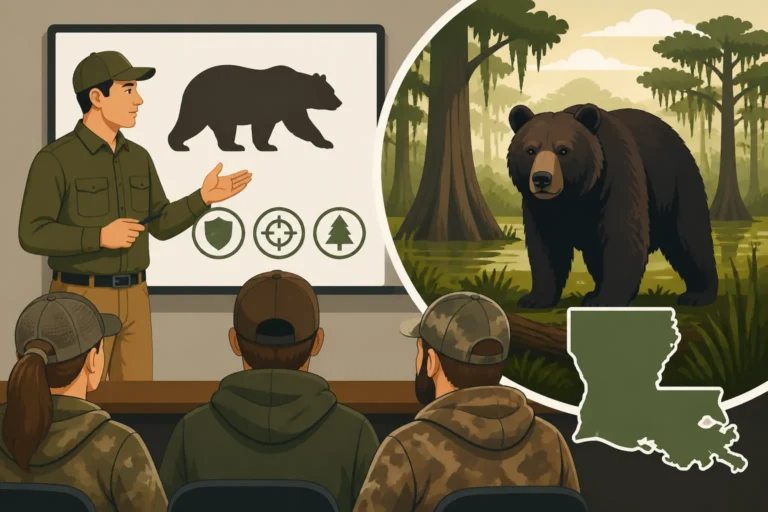
The Louisiana Youth and Veterans Weekend is truly a special time on the hunting calendar, offering unique opportunities that can sometimes feel like a breath of fresh air amidst the typical season rush. It's a chance to introduce the next generation to the wild or for our deserving veterans to enjoy the tranquility and challenge of the outdoors with less pressure. This guide will walk you through everything you need to know to make the most of these invaluable weekends, from who qualifies to practical strategies and important regulations.
Understanding the Louisiana Youth and Veterans Weekend
There's something inherently rewarding about these special hunting opportunities in Louisiana. They're designed not just to provide an extra chance at game, but to foster tradition, honor service, and ensure the future of our hunting heritage. If you've ever felt the pressure of crowded public lands or wished for a more focused, less chaotic hunting experience, these weekends are precisely crafted with that in mind. They offer a unique window, often before general seasons open, that allows for a more intimate and educational experience in the field.
Who Qualifies for These Special Hunts
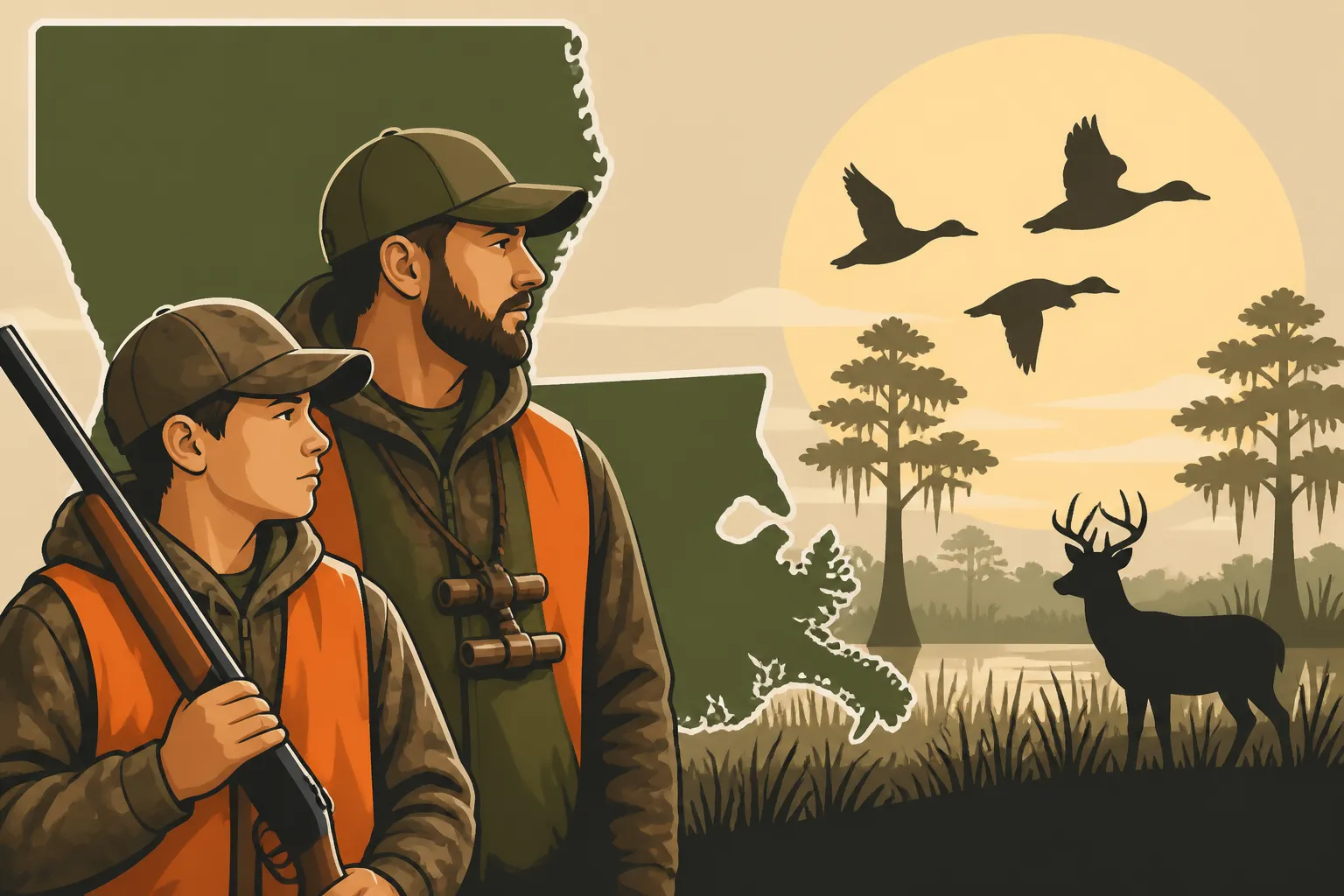
Navigating the specifics of who can participate in these special hunts is the first step to enjoying them. The Louisiana Department of Wildlife and Fisheries (LDWF) is quite clear, but it's easy to miss a detail that could impact your outing. For youth hunters, the focus is squarely on fostering new outdoors enthusiasts. Generally, youth hunters must be 17 years of age or younger to participate. The most critical part of this rule is the supervision requirement: they must be accompanied by an adult 18 years of age or older. This adult isn't just a chaperone; they're a mentor, and they can't hunt themselves, making it solely about the youth's experience. This mentor must also possess a valid Louisiana hunting license, ensuring they understand the rules and regulations. It’s a fantastic framework for an experienced hunter to pass on knowledge without the distraction of trying to fill their own tag.
For our esteemed veterans, the criteria are different, and for good reason. These hunts are a small token of gratitude for their service. To qualify, veterans must be able to prove their veteran status through official documentation. This typically means a valid Louisiana driver's license with a veteran designation, a DD Form 214 (Certificate of Release or Discharge from Active Duty), or a Veterans Affairs (VA) identification card. Unlike the youth hunts, veterans are often permitted to hunt independently, though many choose to hunt with friends or family. The goal here is to provide them with dedicated access, often during prime times, to enjoy the therapeutic benefits of time afield. It's important to remember that all participants, youth and veteran alike, must meet the Louisiana Hunter Education Requirements unless they are hunting under an apprentice license. This ensures a baseline of safety and ethical understanding for everyone in the field.
General Season Dates and Structure
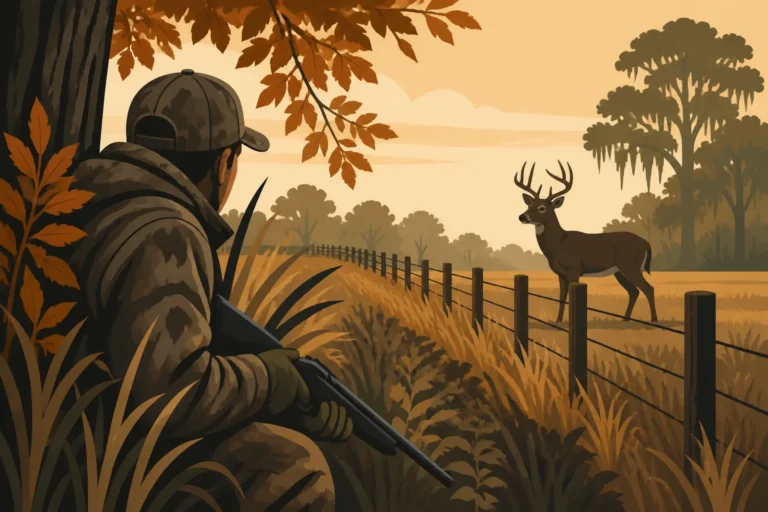
The timing of the Youth and Veterans Weekend is strategically placed to maximize opportunity and minimize pressure. Typically, these special seasons occur either right before the regular gun seasons for specific game species, or they might overlap with early archery seasons, providing a firearms opportunity that isn't available to the general public yet. For deer, which is often the primary focus, this means youth and veterans get a chance to pursue whitetails that haven't yet felt the intense pressure of hundreds of hunters descending on the woods. This can translate to more natural deer movement and a higher chance of success, which is incredibly encouraging for a young hunter or a veteran rediscovering the sport.
These weekends aren't just for deer, either. Depending on the year and the specific wildlife management area (WMA) regulations, you might find opportunities for small game like squirrels or rabbits, or even specific migratory bird hunts. It's crucial to consult the current year's LDWF hunting regulations pamphlet or their website, as dates and allowed species can vary slightly from year to year and across different deer areas or WMAs. For instance, a specific WMA might open its gates for youth hunters for a weekend only for deer, while another might offer a broader range of species. This variability means your planning needs to start early, diving deep into the specifics for your intended hunting spot. The beauty of it is that these early windows provide a fantastic chance to experience the woods when they're a bit quieter, giving youth a more focused learning environment and veterans a peaceful retreat.
Planning Your Youth Hunt
Planning a youth hunt isn't just about bagging an animal; it's about crafting an experience that instills a love for the outdoors, a respect for wildlife, and a deep understanding of ethical hunting. It's a huge responsibility, but also one of the most rewarding aspects of being a mentor. The initial excitement from a young hunter is palpable, and guiding that enthusiasm into a meaningful experience is key to their continued interest in the sport. Often, the biggest challenge isn't finding the deer, but finding the patience and making the experience fun and educational, regardless of whether a shot is fired.
Mentoring Young Hunters Responsibly
The adult mentor's role during a youth hunt is paramount, often more important than the hunt itself. You're not just supervising; you're teaching, guiding, and shaping their entire perception of hunting. Safety, of course, comes first, always. This means constant vigilance with firearm handling, reinforcing muzzle control, understanding shot zones, and ensuring proper hearing and eye protection. But beyond the technical aspects, it's about making the experience positive. Talk about the woods, identify tracks, listen to the birds, and explain the "why" behind every action, from scent control to silent movement. Remind them that success isn't always measured by a harvest, but by the memories made and lessons learned.
One of the biggest pitfalls mentors face is pushing too hard for a harvest. This can quickly turn an exciting adventure into a chore for a young hunter. Focus on the journey: the crisp morning air, the quiet anticipation, the rustle of leaves, and the camaraderie. Teach them about wildlife identification, game habits, and how to read the landscape. For instance, explaining why a deer might use a particular bedding area or travel corridor in an area like the Basin Tactics for Louisiana Swamp Deer can be incredibly engaging. If a shot opportunity arises, ensure they are calm, confident, and safe. If they miss, or if no game appears, frame it as part of the challenge and a learning experience, not a failure. Patience and positive reinforcement will go a long way in ensuring they want to come back for future hunts.
Choosing the Right Location and Species
Selecting the right location for a youth hunt is critical for success and enjoyment. You want somewhere that offers a reasonable chance of seeing game, but also provides a safe and comfortable environment. Private land, if accessible, is often ideal due to fewer crowds and potentially higher game densities. However, many Louisiana WMAs offer excellent Public Hunting Land in Louisiana opportunities, sometimes with specific youth-only areas or hunts. Utilize resources like the LDWF website and apps like GoHunt, which can help you visualize terrain, identify potential food sources, and understand property boundaries. These tools are invaluable for Scouting Louisiana Public Land Before Season and can save you precious time and effort.
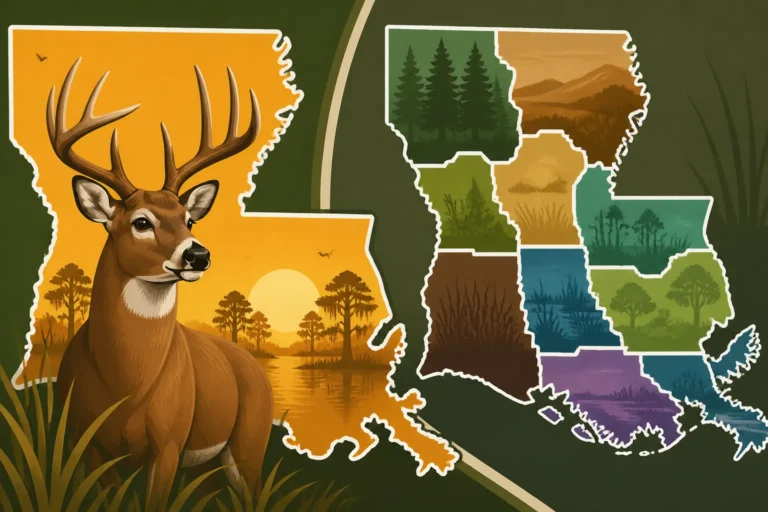
When choosing a species, consider the youth's age, experience level, and physical stamina. While deer are a popular choice, smaller game like squirrels or rabbits can be fantastic for introducing the basics of hunting without the intensity or long sits required for deer. A squirrel hunt involves more movement, more shooting opportunities (often with a .22 rifle, which is great for beginners), and less pressure. If deer is the goal, look for areas known for consistent deer activity, maybe agricultural edges or areas with good mast crops. Understand that Hunting Louisiana's Ten Deer Areas Explained can help you narrow down which regions historically offer better opportunities. Remember, the goal is to keep them engaged, so choose a hunt that balances challenge with a good chance of positive interaction with nature and, hopefully, wildlife.
Strategies for a Successful Veterans Weekend Hunt
For veterans, these special weekends represent a well-deserved opportunity to reconnect with the outdoors, often with the added benefit of reduced hunting pressure. After serving our country, many veterans find solace and purpose in the tranquility and challenges of hunting. The strategies for these hunts often blend the best practices of early-season hunting with the specific advantages provided by the dedicated veteran access.
Leveraging Special Access Opportunities
One of the biggest advantages of the Veterans Weekend is the exclusive access it provides. Many wildlife management areas (WMAs) and even some federal lands will have specific rules or designated areas for veterans during these periods. This often means significantly fewer hunters in the woods compared to the general season opener, leading to less disturbed game and a more peaceful hunting experience. It's worth thoroughly checking the LDWF regulations for each specific WMA or hunting area you're considering. Sometimes, special quota hunts or permit requirements might apply, but these usually come with the benefit of even more controlled access and thus, even fewer hunters. Using tools like GoHunt can help identify these specific WMA boundaries and regulations, ensuring you're compliant and making the most of the exclusive opportunity.
This reduced pressure allows veterans to employ tactics that might not be as effective during the regular season. Deer, for instance, are likely to be moving more naturally, less wary of human presence. This can mean extended feeding times, more predictable travel patterns, and a greater chance of encountering mature animals during daylight hours. It’s an ideal time to really focus on observation and stealth. Consider revisiting areas that get heavily pressured later in the season; during the Veterans Weekend, these spots might offer untouched opportunities. Engaging with local hunting clubs or conservation groups may also reveal private land opportunities that prioritize veteran participation, sometimes even offering guided experiences as a gesture of appreciation.
Adapting Tactics for Unique Conditions
Since the Veterans Weekend often precedes the main gun season, hunters will be dealing with early-season conditions. This typically means warmer temperatures and deer still largely in their late-summer patterns. Food sources will be key. Deer will be heavily focused on hard mast like acorns if they've started dropping, or readily available soft mast and agricultural crops. Scouting before the season, or even just checking recent aerial imagery on a mapping app, can help identify preferred food sources. Because the weather can still be quite warm, especially in South Louisiana, consider strategies for Warm-Weather Sitting Strategy in Louisiana. This might involve hunting shorter durations, focusing on morning and late evening, or choosing stand locations with good airflow.
Movement patterns might also differ. Bucks might still be in bachelor groups, and the full intensity of the rut is usually still weeks away. Focus on bedding-to-feeding patterns and water sources. If the weather is warm, deer will be frequenting water more often. Hunters targeting these early-start areas will find deer less nocturnal than they might be later in the season. Patience is paramount, and understanding that deer behavior in early October or November differs significantly from December or January is crucial. While the pressure is low, the deer are still animals of habit, and understanding those early-season habits, including the most desirable Late-Season Food Sources for Louisiana Whitetails, even if it's early season, can put you in the right spot.
Essential Gear and Safety Considerations
Whether it’s a young hunter’s first foray into the woods or a seasoned veteran’s return, having the right gear and prioritizing safety are non-negotiable. Louisiana's varied terrain and often warm temperatures demand thoughtful preparation to ensure both comfort and security in the field. Skimping on safety or using ill-fitting gear can quickly turn an exciting trip into a miserable or even dangerous one.
Youth-Friendly Equipment and Firearms
For youth hunters, equipment isn't just about functionality; it's about fit and manageability. An adult-sized rifle can be too long, too heavy, and recoil too much for a smaller frame, leading to poor shooting habits, flinching, and a negative experience. Fortunately, many manufacturers now offer youth models with shorter stocks, lighter weights, and reduced recoil. Calibers like a .243, 6.5 Grendel, or even a .223 Remington are excellent choices for deer, offering sufficient power with minimal recoil. For shotguns, a 20-gauge is far more suitable than a 12-gauge for teaching a young person how to handle recoil and shoot accurately. Remember to invest in a quality sling to help them carry the firearm comfortably, reducing fatigue.
Beyond the firearm itself, ensure they have proper fitting hunting clothes. Layering is always smart, even if it starts warm. Good, comfortable boots are essential, especially if you plan on walking any distance. Most importantly, hearing and eye protection are absolute must-haves, even for just sighting in. Protecting their senses now will ensure they can continue to enjoy hunting for years to come. Make sure any optics, whether a scope or binoculars, are simple to use and adjusted for their eyes. Introducing them to tools like a rangefinder or a basic map on an app like GoHunt can also be a fun and educational part of the gear discussion, making them feel more involved and prepared.
Safety Protocols for All Participants
Safety is the cornerstone of any successful and responsible hunt, and for the Youth and Veterans Weekend, it should be top of mind for everyone involved. Blaze orange isn't just a suggestion in Louisiana; it's a legal requirement during firearms seasons on public lands and often a smart choice on private lands, too. Always check the specific regulations for the area you're hunting, but generally, wearing Louisiana Blaze Requirements like a solid blaze orange hat and vest or jacket ensures maximum visibility to other hunters. For a mentor, this means being an example for the youth.
Tree stand safety deserves a whole conversation in itself. Falls from elevated stands are a leading cause of hunting accidents. Always use a full-body harness, even when just climbing into or out of the stand. Ensure stands are properly secured and inspected before each use. For ground blinds, ensure they are brushed in safely and provide a clear, unobstructed shooting lane. Communication is also vital; let someone know where you're hunting and when you expect to be back. Carry a well-stocked first-aid kit, a whistle, and fully charged cell phone (though don't rely on cell service in remote areas). Teach youth about emergency preparedness and what to do if they get separated. For veterans, especially those with mobility issues or other health considerations, it's crucial to assess personal limits and hunt within a comfortable and safe zone, perhaps opting for ground blinds or easily accessible stands.
Navigating Regulations and Reporting
Even with the best planning and safest practices, a hunt can go sideways if you're not fully compliant with Louisiana's hunting regulations. The Youth and Veterans Weekend, while special, still operates under a specific set of rules, and understanding them is crucial. These rules are in place not to make hunting harder, but to ensure sustainable game populations and a fair chase for everyone.
Specific Rules for Youth and Veteran Participants
While the Youth and Veterans Weekend offers unique opportunities, it’s not a free-for-all. Specific rules apply, and they can vary. For youth, a primary point to remember is the supervision requirement: an adult mentor must be present and cannot hunt themselves. This adult must hold a valid Louisiana hunting license. Also, pay close attention to the bag limits and antler restrictions for the specific area you're hunting. While some youth hunts might have slightly relaxed antler restrictions to promote success, this isn't universally true, and you should never assume. Double-check the current year's LDWF hunting digest, specifically looking for the Louisiana Youth and Veterans Weekend Rules section.
For veterans, while the independence of the hunt is a benefit, they too must adhere to all general season regulations regarding bag limits, antler restrictions, and legal methods of take. The "veteran" status simply grants them access to these specific dates, not an exemption from ethical hunting practices or species-specific rules. Weapon restrictions are also critical; if it's a "primitive firearms" only weekend for veterans, make sure your firearm meets the strict definition of a Legal Primitive Firearms Under Louisiana Rules. The golden rule for both groups is to always verify the rules for the specific WMA or deer area you intend to hunt, as local nuances can be significant. Ignoring these details can lead to fines, loss of privileges, and a very disheartening end to a special weekend.
Harvest Reporting and Ethical Considerations
Harvest reporting is a non-negotiable part of hunting in Louisiana, and it applies to youth and veteran hunters just as it does to everyone else. When you successfully harvest a deer, the first step is to immediately tag it with your physical deer tag. This seems obvious, but in the excitement, it can sometimes be overlooked. After tagging, you must report your harvest. Louisiana provides convenient ways to do this, either through the LDWF website or their mobile app. You need to report the harvest within 72 hours of killing the deer or prior to it being transported beyond a quarter of a mile from the kill site, or immediately if you leave the hunting area. This information is vital for the LDWF biologists to manage deer populations effectively. Understanding Louisiana Deer Reporting Requirements is not just a legal obligation; it's a contribution to conservation.
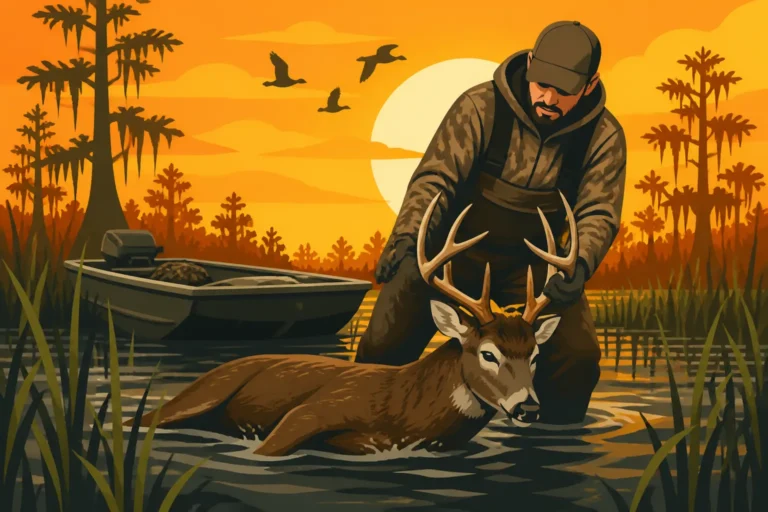
Beyond the legalities, ethical considerations are paramount. This means ensuring a quick, humane kill. Take only ethical shots within your capabilities and your weapon's effective range. It also means respecting the land, cleaning up after yourself, and leaving no trace. For youth hunters, this is where a mentor truly shines, teaching them about respect for the animal, proper field dressing techniques, and the responsible use of all parts of the animal. If a deer is wounded, make every effort to recover it. Track it carefully, and don't give up too easily. Learning how to properly track a deer, especially in tough Louisiana terrain, is a valuable skill that shows true dedication. After your hunt, it's always a good idea to confirm your harvest was properly recorded by Checking a Louisiana Deer Harvest Online. This confirms your compliance and provides peace of mind.
Making the Most of the Experience
The Youth and Veterans Weekend hunts in Louisiana offer more than just a chance to fill a tag; they provide invaluable opportunities for connection, education, and appreciating the natural world. These experiences are about building lasting memories and reinforcing the deep values tied to hunting.
Beyond the Harvest: Creating Memories
For youth hunters, the memories forged during these special weekends often extend far beyond whether or not an animal was harvested. It's about the entire adventure. Imagine the excitement of waking up before dawn, the quiet walk through the woods as the world slowly awakens, the smell of damp earth, and the sounds of nature. Teach them how to identify different bird calls, how to spot deer sign, or the difference between a white oak and a live oak. These small lessons enrich the experience immensely. A thermos of hot chocolate shared in a tree stand as the sun rises, a whispered conversation about animal behavior, or simply enjoying the stillness of the woods—these are the moments that stick. Encourage them to take photos (respectfully, of course), write in a small journal, or draw what they see.
For veterans, these hunts can be a profound way to decompress and find peace. The camaraderie with fellow veterans or family, the challenge of the chase, and the quiet solitude of nature can be incredibly therapeutic. It's a chance to put aside the stresses of daily life and immerse oneself in an activity that demands focus and presence. Whether it’s sharing stories around a campfire, teaching a younger hunter, or simply enjoying the silence of a marsh sunrise, these are the moments that truly rejuvenate the spirit. Even if no game is taken, the simple act of being present in nature, especially in the beautiful landscapes of Louisiana, is a victory in itself. Learning how to field dress, process, and cook wild game can also be a significant part of the experience, completing the cycle of the hunt.
Supporting Conservation Through Participation
Every hunter in Louisiana, by purchasing a license and tags, directly contributes to the conservation efforts that ensure healthy wildlife populations and abundant hunting opportunities. The Youth and Veterans Weekend is no exception. When you buy your Louisiana Hunting Licenses and What They Cost, a portion of those funds goes directly to the LDWF to manage wildlife, maintain public hunting lands, conduct research, and enforce regulations. Your participation isn't just about your personal enjoyment; it's an investment in the future of hunting and the health of Louisiana's ecosystems.
Furthermore, these special seasons serve as vital recruitment and retention tools for the hunting community. Introducing youth to hunting ensures that the tradition continues and that there will be future generations advocating for wildlife and wild places. Offering special opportunities for veterans recognizes their service and provides them with a gateway to an activity that benefits both mental and physical well-being. By participating responsibly, adhering to regulations, and advocating for ethical hunting, you become a steward of Louisiana's natural heritage. These hunts reinforce the idea that hunters are, and always have been, the original conservationists, playing a critical role in the health and vitality of our state's incredible wildlife resources.
Conclusion
The Louisiana Youth and Veterans Weekend offers some of the most meaningful hunting opportunities available in our state. By understanding the regulations, preparing thoroughly, and focusing on the overall experience rather than just the harvest, both young hunters and our deserving veterans can create lasting memories and deepen their connection to Louisiana's rich outdoor heritage. These special seasons are a testament to the enduring values of mentorship, gratitude, and conservation that define our hunting community.
Disclaimer
Please remember that hunting regulations, season dates, and specific rules for special hunts like the Youth and Veterans Weekend can change annually. Always consult the most current Louisiana Department of Wildlife and Fisheries (LDWF) hunting regulations pamphlet or their official website before planning any hunting trip to ensure compliance. This guide is for informational purposes only and should not replace official state regulations.