Opening Weekend Tactics by Deer Area
The buzz of opening weekend for deer season in Louisiana is a feeling unmatched, but for many hunters, it's also a time of immense pressure and confusion. With our state's incredibly diverse landscape and distinct deer areas, knowing exactly how to approach that first hunt can feel like trying to solve a Rubik's Cube in the dark. This guide is here to untangle that complexity, providing you with targeted tactics for opening weekend in each of Louisiana's unique deer areas, helping you maximize your chances from the get-go.
Understanding Louisiana's Deer Areas on Opening Weekend
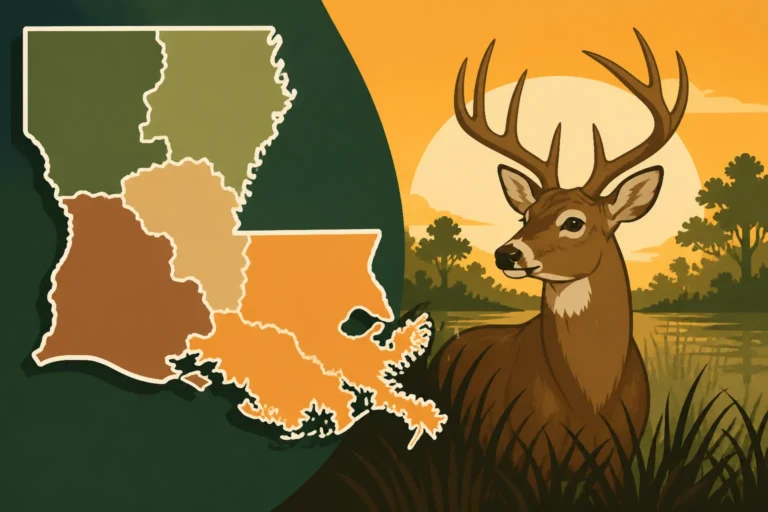
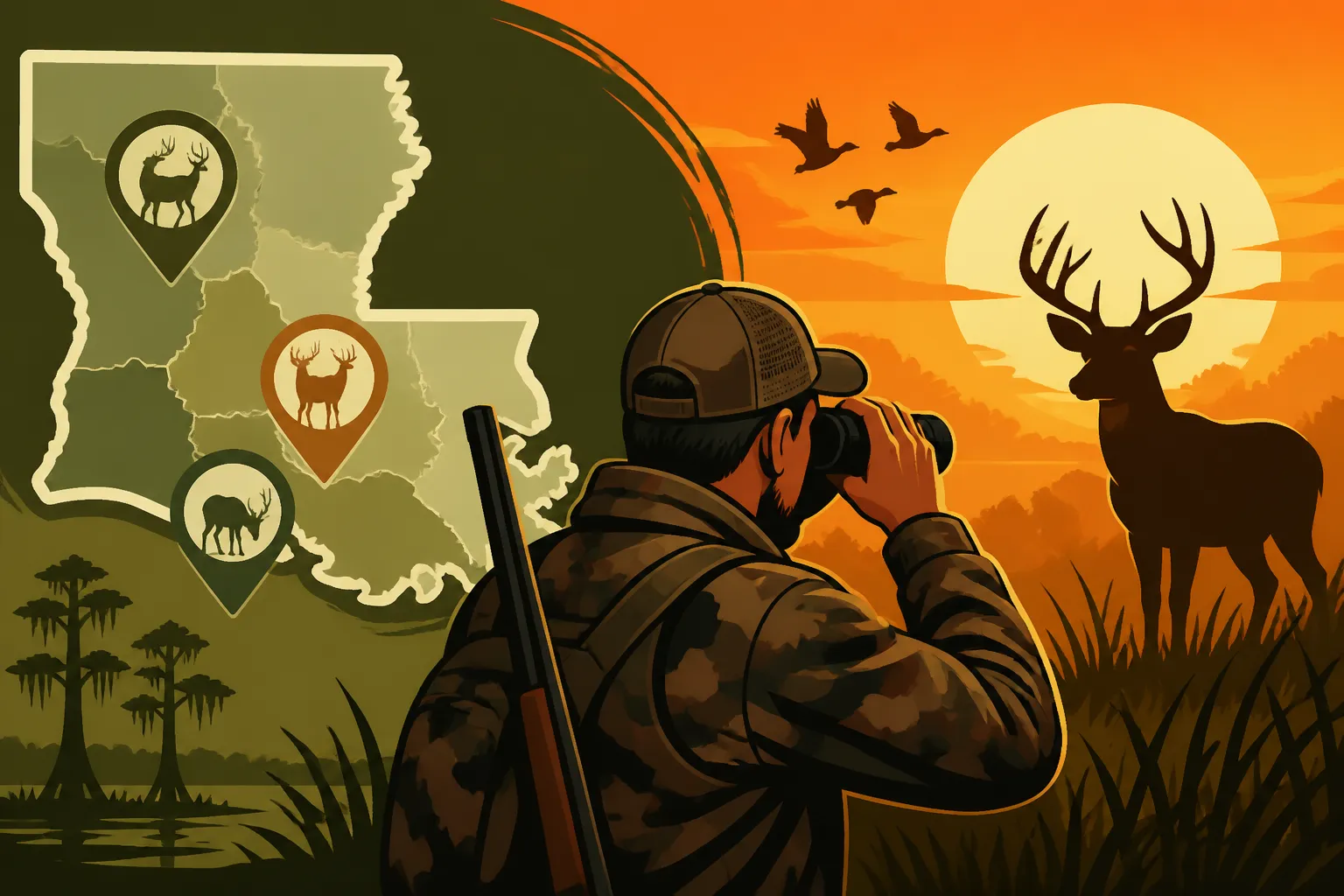
Louisiana is a hunter's paradise, but it’s not a one-size-fits-all state. The Louisiana Department of Wildlife and Fisheries (LDWF) has carved the state into ten distinct deer areas, each with its own specific season dates, bag limits, and even different regulations for things like primitive firearms or youth hunts. What works on opening day in the piney hills of North Louisiana might be a complete bust in the cypress swamps of the Atchafalaya Basin. Ignoring these regional nuances is a surefire way to come home empty-handed and frustrated.
The Unique Challenges of Early Season
Across most of Louisiana, early season, especially archery, often means dealing with warm weather. We’re talking about those sweltering September and October days where the humidity feels like a wet blanket. This isn't just uncomfortable for us; it dramatically impacts deer behavior. Deer are primarily nocturnal or crepuscular even in cooler weather, but add high temperatures, and they'll really hunker down during the day, moving mostly under the cover of darkness. This means finding those short windows of activity at dawn and dusk becomes even more critical. It also means you need to think critically about scent control and how to keep your venison from spoiling quickly in the heat.
Another challenge is the unpredictable nature of early food sources. While acorns are king, they aren't always falling in abundance right on opening day. Hunters might be relying on residual green browse, agricultural fields, or native forage, which can vary wildly depending on rainfall and planting cycles. Understanding what deer are truly keying in on in your specific spot, not just generally, is paramount.
Key Differences in Habitat and Deer Behavior
From the rolling hills of the Kisatchie National Forest to the sprawling coastal marsh, Louisiana's habitats are incredibly diverse, and so are its deer. A buck in the hardwood bottoms of the Tensas River Basin behaves differently from one in the sugar cane fields of the lower parishes. This isn't just about food preferences; it's about cover, travel corridors, and even how they react to pressure. For example, a swamp buck might use subtle changes in water levels to navigate, while a hill country deer might stick to ridge-top saddles and creek drainages.
Deer density also plays a significant role. Some areas, particularly those in the fertile Mississippi River floodplains, boast higher deer populations and larger-bodied animals, while others might have fewer deer but older, more elusive bucks. Knowing the general deer population trends and herd health in your specific area, perhaps by reviewing past LDWF harvest reports or even using scouting tools like GoHunt to analyze land features, can inform your opening weekend strategy.
Opening Weekend Tactics for Early-Start Areas
Several of Louisiana's deer areas kick off their archery seasons in early October, including Areas 1, 3, 7, 8, and 10. These early starts are exciting but demand a specific approach, especially for bowhunters. The conditions are typically still warm, and deer are not yet in full rut.
Focusing on Food and Water Sources
In the early season, deer movement is heavily dictated by their stomach. They're still primarily focused on building fat reserves before the rut. This means targeting reliable food sources is your best bet. If acorns are dropping, particularly white oak acorns, that's often the strongest magnet. Deer will literally abandon other food sources for a fresh crop of white oaks. Scout hard to find where these mast crops are active. If acorns are scarce, look to green food plots if you're on private land, or natural browse in thickets and along field edges.
Water sources are also crucial, especially in warmer weather. Deer need water, and they'll visit secluded sloughs, creek bends, or even drainage ditches. Setting up between a bedding area and a preferred food or water source can be incredibly effective. Consider pinch points or funnels that naturally occur between these elements. A deer's path from a secure bedding thicket to a watering hole or feeding area can offer a brief, predictable opportunity.
Utilizing Mornings and Evenings in Warmer Weather
As mentioned, warm weather shifts deer activity to the cooler parts of the day. This means dawn and dusk are your prime hunting times. Get into your stand well before first light, moving slowly and quietly to avoid spooking deer already on the move. Pay close attention to wind direction, as your scent will travel much further in calm, humid air. Setting up on the downwind side of travel corridors or feeding areas is critical.
During the midday, deer will often bed down in the thickest cover available, seeking shade and security. Don't expect much movement during the hottest hours. This doesn't mean you can't be productive; it might be a good time to still-hunt very slowly into a known bedding area if you have excellent wind conditions, or perhaps to adjust your stand for an evening hunt. However, for most, a morning sit until temperatures rise, followed by an evening sit as things cool down, will yield the best results.
Adaptations for Dog-Hunting vs. Still-Hunting Zones
Opening weekend in some of these early-start areas can sometimes overlap with primitive firearms season or even the start of dog hunting on private lands (where allowed). For example, Area 1 has specific "dog and no-dog windows" you need to be aware of. If you're hunting in an area where dog hunting is allowed or about to begin, deer behavior will be different. They'll be more alert, more prone to running, and less likely to settle into predictable patterns.
If you're still-hunting in a dog-hunting zone, consider hunting very thick cover that dogs might struggle to penetrate, or focusing on bottlenecks where deer might be funneled if pushed. If you're on a private tract that doesn't allow dogs but borders properties that do, be ready for deer to be pushed onto your land. This can be a boon, but it also means you might need to adjust your setup to catch deer moving fast or seeking refuge. Conversely, if you are Hunting With Dogs Where Louisiana Allows It, understanding how to coordinate with your fellow hunters and predict deer movement is key.
Navigating the Long-Window Areas During Opening Weekend
Areas 5, 6, and 9 are unique because they boast a much longer archery season, often stretching for almost five months. While their firearms seasons might start later, the archery opener still comes with its own set of considerations, particularly in the vast, often water-logged landscapes of these regions.
The Archery Opener Advantage
For bowhunters in Areas 5, 6, and 9, the early archery opener provides a fantastic opportunity to hunt relatively undisturbed deer. Since the gun seasons typically don't start until much later, the deer haven't experienced the widespread pressure that comes with a state-wide firearms opener. This can translate to more predictable movement patterns and less wary animals, at least for the first few weeks. It's a prime time to capitalize on pre-rut feeding patterns.
However, the "long window" often encompasses some of Louisiana's most challenging terrain, like the Atchafalaya Basin. In these areas, water levels can dictate access and deer movement. Early season might mean higher water, pushing deer to higher ground or levees, making them more concentrated. Keep an eye on water level reports and use a mapping app like GoHunt to identify small ridges or islands that could be key travel routes or bedding areas when the water is up. Understanding Hunting Atchafalaya Basin Swamp Deer specifically will be a huge advantage.
Adapting to Less Intense Early Pressure
While there's still opening weekend excitement, the sheer volume of hunters on a particular tract might be less intense compared to a firearms opener in a more densely populated deer area. This can allow for a more relaxed approach, giving you time to observe and adapt. Deer might not be as quick to go fully nocturnal if they aren't constantly being bumped. This doesn't mean you can be sloppy, but it does mean there might be a bit more grace if you make a small mistake.
In these long-window areas, it pays to observe deer patterns over several days if possible. If you can, take a few days off work and commit to a longer stretch of hunting. This allows you to learn specific travel routes, feeding times, and bedding areas without the added chaos of widespread human activity. Sometimes, simply knowing where a buck beds down, even if you don't hunt him that day, can inform your strategy for subsequent hunts in the area.
Understanding Deer Movement in Expansive Timber
Many of the long-window areas feature vast expanses of timber, whether it's bottomland hardwoods or cypress-tupelo swamps. In such large tracts, deer often have huge home ranges, and finding them can feel like searching for a needle in a haystack. Early season tactics here often revolve around identifying subtle changes in terrain or vegetation that create natural funnels or attract deer.
Look for areas where different timber types meet, subtle elevation changes, or natural pinch points like strips of dry land between sloughs. Even an old logging road or a dry bayou bank can act as a superhighway for deer movement through thick woods. In these areas, relying on visual scouting for fresh sign (tracks, droppings, rubs from earlier in the year) is critical. A good pair of boots and a willingness to put in the legwork to find undisturbed pockets of cover will often be rewarded.
Public Land Considerations for Opening Weekend Hunters
Louisiana offers a significant amount of public hunting land, from Wildlife Management Areas (WMAs) to sections of Kisatchie National Forest. While these lands provide incredible access, opening weekend brings unique challenges, primarily related to hunter density and pressure.
Dealing with Hunter Traffic
Let's be honest, opening weekend on public land in Louisiana can feel like a small city has suddenly sprung up in the woods. Parking lots fill up, and it seems like there's a hunter behind every tree. This isn't a reason to stay home, but it is a reason to adjust your tactics. Deer on public land, especially heavily pressured WMAs, are incredibly sensitive to human activity. They learn quickly and will adapt their movements to avoid hunters.
One effective strategy is to "go where others won't." This often means walking further, getting into areas that are difficult to access, or braving thicker, wetter terrain. Many hunters stop within a quarter-mile of a road or trail. Pushing deeper, even just another few hundred yards, can put you into deer sanctuaries that see significantly less pressure. Pay attention to wind direction, especially on approach and exit, to avoid alerting deer to your presence or that of other hunters.
Scouting Remote Pockets on WMAs
Pre-season scouting is always important, but on WMAs for opening weekend, it's absolutely non-negotiable. You need to identify those remote pockets of cover, those overlooked ridges, or those secluded feeding areas that might be overlooked by the masses. Use tools like the LDWF app or a detailed topo map (or digital mapping platforms like GoHunt) to find areas with difficult access points, changes in elevation, or dense vegetation that might deter other hunters.
Look for areas that are a pain to get to – maybe they require a long walk through knee-deep water, or a bushwhack through thorny thickets. These are often the places where older, wiser bucks will seek refuge once the hunting pressure starts. Don't be afraid to try scouting with the LDWF app to understand the terrain and identify potential hideouts. Even small, seemingly insignificant changes in the landscape can create a natural safe haven for deer.
Kisatchie National Forest Specifics
Kisatchie National Forest, especially areas like the Kisatchie Hills Wilderness, offers vast hunting opportunities but requires a specific skillset for opening weekend. The terrain here is often hillier than much of Louisiana, featuring pine forests, hardwood bottoms, and deep creek drains. Deer here often use the topography to their advantage, traveling along ridge lines, in creek bottoms, and through saddles.
For opening weekend, consider setting up on a Hanging a Stand on a Kisatchie Ridge or focusing on saddles between two ridges, especially if they connect a bedding area to a food source. Deer will often utilize these travel corridors. Also, look for areas with water—creeks or seeps—that could draw deer during the warm early season. Pressure can still be high, so identify those areas a little further off the beaten path. Learning about Treestand Setups in Kisatchie National Forest can give you an edge in this unique habitat.
Pre-Season Scouting and Preparation for Success
You've heard it a thousand times, but it bears repeating: opening weekend success is often a direct result of pre-season work. It’s not just about knowing where deer were; it's about predicting where they will be when the season opens.
The Importance of Summer and Early Fall Recon
Your scouting efforts shouldn't start a week before the season. They should begin in the summer and continue right up until opening day. During the summer, focus on identifying general travel patterns, potential bedding areas, and early food sources like muscadines or early dropping acorns. Pay attention to trail camera photos for velvet bucks and their travel routes. As early fall approaches, shift your focus to fresh sign: rubs, scrapes, and tracks indicating current deer activity.
Think about the specific area you'll be hunting. Is it an agricultural area? Pay attention to crop rotations and harvest schedules. Is it bottomland hardwoods? Monitor acorn drop. Is it pine timber? Look for clear-cuts and new growth that might offer bedding and browse. Scouting Louisiana Public Land Before Season is not just about walking around; it's about understanding the land and how deer use it throughout the year.
Gear Check and Stand Placement Strategies
Before you even step foot in the woods, make sure your gear is in top shape. Bows tuned, broadheads sharp, clothing scent-free, and tree stands checked for safety. Nothing ruins an opening weekend hunt faster than discovering a critical piece of gear isn't working or, worse, having a stand fail.
When it comes to stand placement for opening weekend, think about adaptability. You might not know exactly what deer will be doing, so have a couple of different spots scouted and ready to go for varying wind directions or if your primary spot isn't producing. For early season, focus on shaded areas near dense cover, especially if you anticipate warmer weather. Placing your stand between a bedding thicket and a prime food source is often ideal. Consider using a mobile stand setup, like a climber or saddle, if you anticipate needing to make quick adjustments based on fresh sign or observed deer movement. A well-placed ground blind can also be an excellent option, especially if you're hunting smaller, more open tracts or need a quick, adaptable setup. Using a Ground Blind on Louisiana Public Land might give you that edge in some situations.
Dealing with Pressure and Weather on Opening Weekend
Opening weekend is exhilarating, but it often comes with a cocktail of challenges: high hunter pressure, unpredictable weather, and deer that are just starting to adapt to human presence. Successfully navigating these elements is crucial for a productive hunt.
Adjusting to Early Season Heat and Humidity
Louisiana's early season can be downright brutal with the heat and humidity. This isn't just about hunter comfort; it profoundly impacts deer behavior and how you manage your harvest. Deer are much more active during the cooler hours of the day, meaning you need to be in your stand before first light and stay until after dark. Midday sits are often unproductive unless a strong cold front rolls through, which is rare for early October.
Scent control is absolutely paramount. Sweat means scent, and deer's noses are incredible. Invest in good scent-eliminating clothing and sprays, and always play the wind. If the wind isn't right for your primary stand, have an alternative. Also, be prepared for a quick recovery and processing of your deer. In warm weather, venison can spoil rapidly. Have a plan for getting your deer out of the woods and cooled down immediately, whether that's with ice chests in your truck, or a quick trip to a processor. This is a critical consideration in our warm climate.
Finding Sanctuaries Away From the Crowds
As discussed with public land, deer know where the pressure is, and they'll seek refuge in sanctuaries. On opening weekend, these sanctuaries are often areas that are difficult to access, dense with cover, or simply overlooked by the majority of hunters. This could be a small isolated patch of woods surrounded by fields, a thick creek bottom, or a patch of nearly impenetrable briars and cane.
Don't be afraid to look at satellite imagery (using tools like GoHunt) for small, overlooked parcels of timber or thickets that might be off the main trails or roads. These are often where mature bucks will retreat to escape the chaos of opening day. Your willingness to hike further, navigate challenging terrain, or even wear waders into a swampy area could be the difference between seeing nothing and tagging a deer. Remember, deer are inherently lazy until pushed, so the path of least resistance away from pressure is often their preferred route.
Deer Area Opening Weekend Tactics Summary
To help you visualize the different approaches, here's a quick overview of what to prioritize based on the general characteristics of Louisiana's deer areas during opening weekend:
| Deer Area Type | Primary Challenge | Recommended Tactic | Key Factor |
|---|---|---|---|
| Early Archery Areas (1, 3, 7, 8, 10) | Warm weather, deer still in summer patterns | Focus on active food sources (acorns/browse) & water; hunt prime time (dawn/dusk) | Reliable early season food/water |
| Long-Window Archery Areas (5, 6, 9) | Vast timber, water level influence, less pressure | Capitalize on undisturbed deer; use mapping to find subtle travel routes/high ground | Habitat features, water levels |
| Public Land (General) | High hunter pressure, wary deer | Hunt remote pockets, walk further, exploit difficult access areas | Hunter avoidance |
| Kisatchie National Forest | Hilly terrain, varying cover, pressure | Utilize ridge saddles, creek bottoms, and thick bedding cover | Topography and cover density |
Always double-check the current Louisiana Department of Wildlife and Fisheries regulations for your specific area before heading out. Seasons and rules can change, and being informed is your first step to a safe and successful hunt. If you're looking for detailed information on How Louisiana's Ten Deer Areas Differ, we've got you covered.
Disclaimer
Hunting is an inherently dangerous activity. Always prioritize safety, follow all local and state regulations, and obtain proper landowner permission. The information provided in this guide is for informational purposes only and should not be considered a substitute for official Louisiana Department of Wildlife and Fisheries regulations or professional guidance.