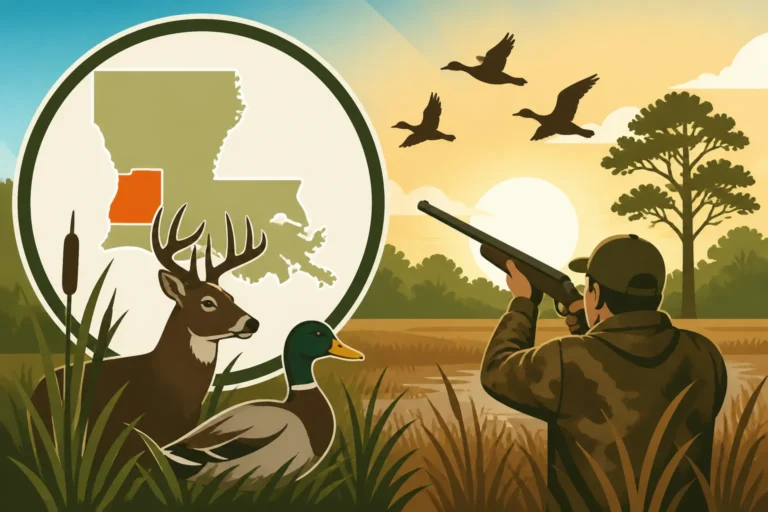
Washington Parish Pearl River Access
Finding reliable public hunting access in Louisiana, especially in parishes like Washington with their blend of natural beauty and development, can feel like searching for a hidden treasure. Many hunters get frustrated trying to pinpoint legal spots and understand the unique rules that govern them. This guide aims to demystify hunting access in Washington Parish, focusing specifically on the fantastic opportunities and considerations when planning a trip to the Pearl River Wildlife Management Area.
Navigating Pearl River Wildlife Management Area: Access and Terrain
The Pearl River Wildlife Management Area (WMA) is a true gem in southeastern Louisiana, offering hunters a vast expanse of diverse habitat right there in Washington Parish and St. Tammany Parish. It's a place where the cypress-tupelo swamps meet bottomland hardwoods, creating an ecosystem that supports a rich variety of game. But for those new to it, or even seasoned hunters just starting to explore this particular WMA, understanding how to get in and what kind of terrain you'll encounter is your first big hurdle.
Understanding Key Access Points
Accessing Pearl River WMA isn't always as simple as pulling off a main highway. Much of the area is characterized by dense swamp and river systems, meaning boat access is often crucial, though there are drive-in points as well. Knowing where these access points are and which ones best suit your hunting style and target species is paramount.
When you look at a map, you'll see several main entry points. The U.S. Highway 90 bridge over the Pearl River offers significant access, particularly for boat launches into the main river channel and its numerous bayous. This is often the busiest point, especially on opening day of deer season or during prime duck weekends. Further north, you can find more secluded entry points, often smaller boat ramps or points where you can launch a pirogue or kayak if you're looking to get deeper into the less pressured areas. For those trying to get away from the crowds, these smaller, more primitive access points are key. Remember that Pearl River WMA Bottomland Deer Ground can be extensive, requiring a good plan to reach desired spots. Tools like onX Hunt can be invaluable here, showing not only property lines but also satellite imagery that can help you identify smaller bayous or sloughs that might offer stealthier access away from the main thoroughfares.
Terrain and Habitat Overview
The landscape of Pearl River WMA is quintessential Louisiana swamp and bottomland, dominated by mature cypress and tupelo trees in the wetter areas, transitioning to mixed hardwoods like oaks, sweetgum, and hackberry on slightly higher ground. These subtle elevation changes are critical for understanding game movement.
Deer, for instance, will often use these slightly higher ridges and hammocks as travel corridors, especially when water levels rise in the deeper swamps. The dense undergrowth, including palmettos and various vines, provides incredible cover for all species, but it can also make still-hunting a real challenge. You'll encounter numerous sloughs, oxbow lakes, and bayous crisscrossing the WMA, which serve as natural barriers and funnels for game. For the waterfowl hunter, these water bodies are the lifeblood of your pursuit. Understanding the water levels – whether the river is rising or falling – profoundly impacts where deer will be, where ducks will feed, and even how accessible certain areas are by boat. Spending time Scouting Louisiana Public Land Before Season with good aerial photos can really help you understand the lay of the land, identifying potential pinch points, bedding areas, and feeding zones before you ever step foot in the woods.
Hunting Strategies for Pearl River's Unique Environment
Hunting Pearl River WMA isn't like hunting open pine plantations or agricultural fields. It demands specific strategies tailored to its swamp and bottomland environment. The dense cover, varying water levels, and the sheer vastness of the area require a thoughtful approach to be consistently successful.
Deer Hunting Tactics
Deer hunting in Pearl River is primarily an archery and primitive firearms endeavor, with specific gun seasons. Success often hinges on adapting to the swampy conditions and understanding deer behavior in this type of habitat.
For archery hunters, focusing on pinch points created by sloughs and ridges can be highly effective. Deer often hug these higher pieces of ground, especially during periods of high water. Setting up a climbing stand or a lock-on stand along a natural deer run that parallels a slough or crosses a narrow dry-land bridge can yield results. Food sources like acorns, when available, will concentrate deer, so scouting for mast crop production is vital. If acorns are scarce, deer will gravitate towards green browse in openings or along logging roads. Wind and Thermals in Swamp Bottomland are also incredibly important; understanding how the air moves through the dense canopy and across water bodies can make or break your hunt, as swirling winds are a constant challenge in this terrain. A silent approach by canoe or kayak to reach a stand location can give you a significant advantage, reducing human scent and noise compared to hiking in.
During primitive firearms and gun seasons, deer drives can be quite effective, especially if you have a group. Small, organized drives through palmetto thickets or along a ridge can push deer towards standers positioned at natural escape routes. However, solo hunters can still find success by still-hunting very slowly, focusing on cover and listening for subtle movements. Keep in mind that Louisiana Blaze Requirement During Gun Season applies, so make sure you're highly visible to other hunters. For any deer harvest, don't forget your Louisiana Deer Reporting Requirements.
Waterfowl and Small Game Opportunities
Beyond deer, Pearl River WMA is a fantastic destination for waterfowl and various small game, each requiring its own set of strategies.
For duck hunters, the numerous bayous, sloughs, and shallow impoundments within the WMA draw in a variety of migratory birds. Scouting is crucial to identify active feeding and resting areas. Setting out decoys in a natural spread, focusing on species like wood ducks, teal, and mallards, can be productive. Accessing these areas often requires a small boat, pirogue, or kayak, and being familiar with the tidal influences and river stages will dictate which areas are huntable. Jump-Shooting Louisiana Bayous for Wood Ducks is a popular and exciting method here, especially in areas with dense cover where ducks can be flushed. Make sure you check Louisiana Duck Daily Bag Limit before heading out.
Small game hunting for squirrels and rabbits is also excellent in Pearl River WMA. The bottomland hardwoods provide prime habitat for squirrel populations, especially during periods of good mast crop. Still-hunting slowly through oak flats or along cypress edges, listening for cutting nuts or rustling leaves, can be very productive. For rabbits, focus on thickets, brush piles, and the edges of clearings. A good squirrel dog can be an incredible asset in this dense cover, helping you locate game you might otherwise miss. Remember to check the Louisiana Squirrel Season Opening Day and bag limits before planning your trip.
Navigating Regulations and Planning Your Hunt
Hunting on any Wildlife Management Area comes with specific regulations that are often more detailed than those for private land. Pearl River WMA is no exception, and familiarizing yourself with these rules is essential for a safe, legal, and enjoyable hunt.
WMA-Specific Rules and Permits
Before you even load your gear, you need to understand the entry requirements and specific rules for Pearl River WMA. Like all Louisiana WMAs, you'll need a Louisiana WMA Permit Requirement in addition to your standard hunting license. This permit ensures you're authorized to be on the property and helps fund the management efforts that keep these areas productive.
Beyond the permit, each WMA has its own set of rules regarding hunting methods, season dates, specific legal gear, and even access restrictions. For Pearl River, pay close attention to the designated hunting areas (some zones might be closed or have specific regulations), allowable firearms and archery equipment (Crossbow Rules During Louisiana Archery Season can vary by WMA or season), and rules for things like ATVs or camping. The Louisiana Department of Wildlife and Fisheries (LDWF) website and their WMA regulations pamphlet are your best friends here. Don't rely on old information; regulations can change annually. It's also wise to be aware of Louisiana Hunter Education Requirements if you're a new hunter.
Essential Gear and Safety Considerations
Hunting in the Pearl River WMA environment requires specific gear and a strong emphasis on safety. The terrain can be challenging, and you'll often be far from immediate assistance.
Essential Gear:
- Navigation: A reliable GPS unit or a mapping app like
onX Huntis non-negotiable. With so many sloughs and similar-looking stretches of timber, it's easy to get disoriented. Make sure you download offline maps, as cell service can be spotty. - Waterproofs: Expect wet conditions. Waterproof boots (knee-high or hip waders often preferred), rain gear, and dry bags for electronics are crucial.
- Insect Repellent: Mosquitoes and other biting insects are a constant companion in the swamp. Strong repellent is a must.
- First-Aid Kit: Basic first aid, snake bite kit, and supplies for blisters or minor injuries.
- Lighting: Headlamp or flashlight with extra batteries for early morning and late evening travel.
- Communication: A fully charged phone (again, with offline maps) and perhaps a satellite messenger if you plan to go deep.
- Means of Access: If hunting water-accessible areas, a sturdy boat, pirogue, or kayak. Ensure it meets all boating safety requirements.
Safety Considerations:
- Water Safety: If using a boat, wear a PFD, know your boat's limits, and be aware of currents and submerged obstacles.
- Know Your Area: Always tell someone where you're going and when you expect to return. Share your specific hunting area on a map if possible.
- Hunting Pressure: WMAs, especially those with good access, can see significant hunting pressure on opening days. Be aware of other hunters, wear your blaze orange during gun seasons, and always identify your target and what's beyond it. Consider hunting during weekdays or later in the season when crowds thin out.
- Wildlife Encounters: Be prepared for potential encounters with snakes, alligators, and even the occasional wild hog. Maintain situational awareness.
Planning your hunt for Washington Parish Pearl River access is about embracing the unique challenges and rewards this incredible WMA offers. With proper preparation, respect for the rules, and a keen understanding of the environment, you're set for a memorable Louisiana hunting experience.
A Quick Glance at Pearl River WMA Hunting
Here's a simplified overview of common game and associated hunting methods at Pearl River WMA:
| Game Species | Primary Seasons (General) | Recommended Access | Key Hunting Methods | Special Considerations |
|---|---|---|---|---|
| White-tailed Deer | Archery, Primitive Firearm, Shotgun | Boat/Pirogue, Walk-in | Stand hunting, Still-hunting, Drives | High water impacts deer movement, dense cover, Hunting the Rut in the Long-Window Areas |
| Waterfowl | Fall/Winter Duck Seasons | Boat/Pirogue | Decoys, Jump-shooting | Tidal influence, scouting for active areas |
| Squirrel | Fall/Winter | Walk-in, Boat/Pirogue | Still-hunting, Dog hunting | Focus on oak flats and mast crops |
| Rabbit | Fall/Winter | Walk-in | Beating thickets, Dog hunting | Dense undergrowth is key habitat |
| Feral Hog | Year-round (check WMA rules) | Boat/Pirogue, Walk-in | Still-hunting, Spot-and-stalk, Trapping | Opportunistic, often found near water or food sources |
Note: Always consult the current LDWF regulations for precise season dates, bag limits, and specific WMA rules before heading afield.
Disclaimer
This article is for general informational purposes only and does not constitute professional advice. Laws, prices and regulations vary by location and change over time. Consult a qualified professional for guidance on your specific situation.