Food Plots on Louisiana Private Land
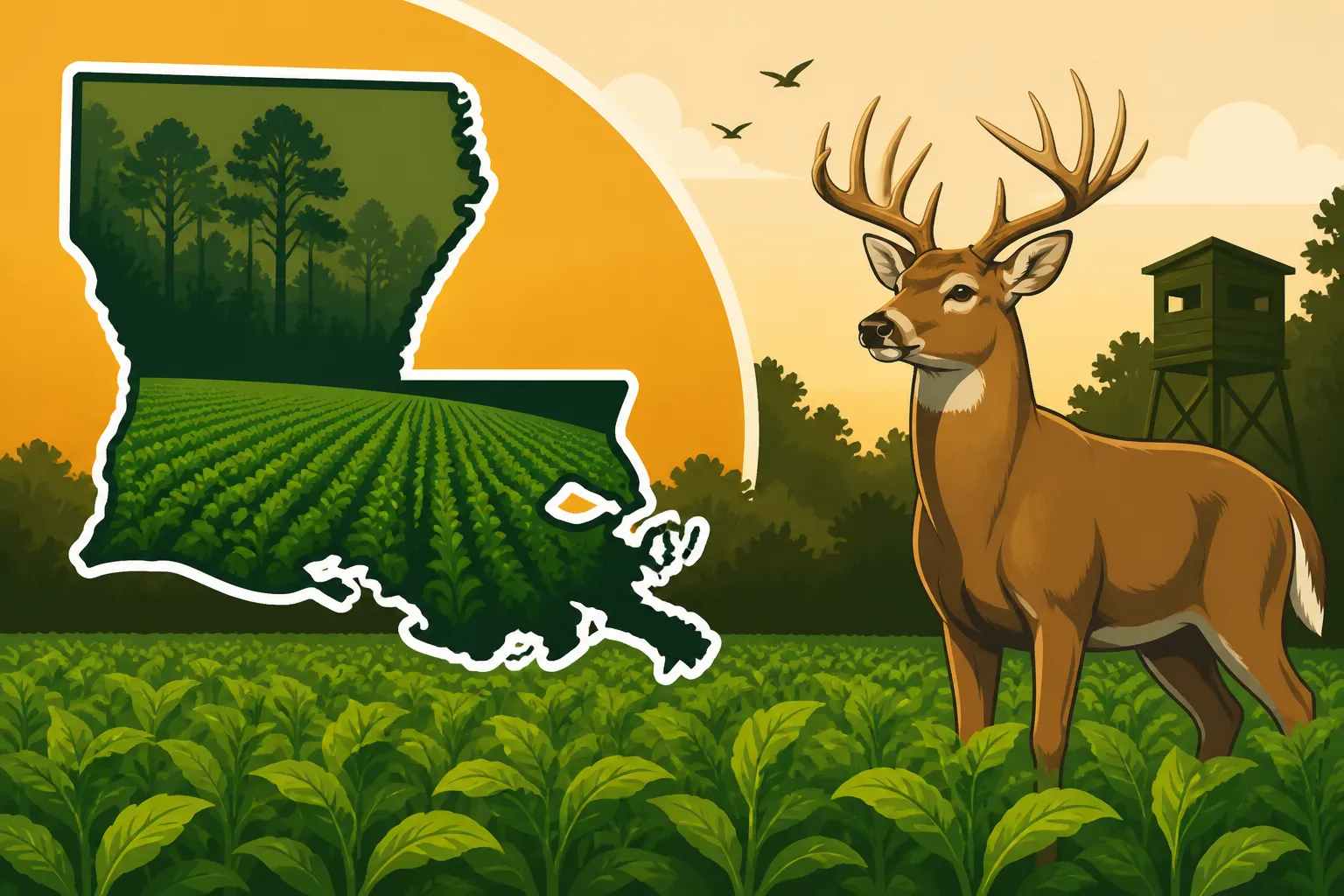
It's incredibly frustrating when you have access to private land in Louisiana, maybe a smaller tract or a piece of family property, and you know there are deer around, but they just aren't sticking around or consistently showing up during daylight hours. You pour your heart into managing the land, but the deer seem to be just passing through. This guide is here to walk you through the ins and outs of planting effective food plots on your Louisiana private land, helping you attract, hold, and grow healthier deer, making your hunting efforts far more rewarding.
Understanding Louisiana's Climate and Soil for Food Plots
Louisiana's unique geography, stretching from the temperate north to the subtropical coast, means that planning food plots isn't a one-size-fits-all endeavor. Our climate and diverse soil types demand a thoughtful approach to what you plant and when. Ignoring these foundational elements is often where folks run into their first big hurdles.
Seasonal Considerations: How Louisiana's Long Growing Season and Mild Winters Impact Plot Choices
Our state boasts a long growing season that can be a blessing and a curse. On one hand, you have more time for plants to establish and produce forage. On the other, relentless heat, humidity, and abundant rainfall, especially in summer, can quickly turn a lush plot into a weed-choked mess if you're not careful. We don't experience the prolonged, deep freezes of more northern states, which means many cool-season forages can thrive well into late fall and even winter here. This extended palatability window is a huge advantage for attracting deer when natural browse might be dwindling.
Consider the timing: a winter food plot planted in October can provide critical nutrition and attraction for deer through the entire hunting season, from archery through primitive firearms and general gun. Hunting the Rut in the Long-Window Areas or Late-Season Food Sources for Louisiana Whitetails are directly impacted by what you put in the ground. You're not just planting for the deer; you're planting for your hunting schedule. Understanding these seasonal nuances is key to maximizing your food plot's potential.
The mild winters also mean that some plants that are annuals elsewhere might act more like perennials here, or at least persist longer than expected. This can be great for cost savings and sustained forage, but it also requires careful management to prevent them from becoming invasive or outcompeting new plantings. It's about finding that sweet spot between leveraging our climate and preventing it from working against you.
Soil Types and Testing: Discussing Louisiana's Varied Soil Types and the Importance of Soil Testing
Louisiana soils are as diverse as our landscapes. From the rich, alluvial silts of the Mississippi River floodplain in the Tensas Basin to the sandy loams of the piney hills in north Louisiana, or the heavy clays of the coastal marsh, what grows well in one area might struggle mightily in another. Trying to plant without knowing your soil composition and pH is like trying to navigate the Atchafalaya Basin without a map – you might get lucky, but you're more likely to end up stuck.
Soil testing is truly the most crucial first step, and it's surprisingly affordable. Local LSU AgCenter extension offices can help, or you can find kits online. You'll get a detailed report telling you exactly what nutrients your soil is lacking (nitrogen, phosphorus, potassium, micronutrients) and its pH level. Most forage crops prefer a slightly acidic to neutral pH (6.0-7.0), but many Louisiana soils can be quite acidic. Adding agricultural lime is often necessary to raise the pH, making nutrients more available to your plants. This small investment prevents wasted seed and fertilizer, giving your plot the best possible chance to succeed.
For example, if you're working with heavy clay, you know drainage can be an issue, and it will take longer for lime and fertilizer to incorporate. If you have sandy loam, it might drain quickly, requiring more frequent, lighter fertilizer applications or drought-resistant plant choices. Knowing your soil's personality upfront will save you countless hours and dollars down the line.
Choosing the Right Forage for Louisiana Food Plots
Once you understand your soil and climate, the fun begins: picking the plants! This is where you can tailor your food plots to provide year-round nutrition or strategic attraction during hunting season. The best approach often involves a mix of cool-season and warm-season plantings to cover all your bases.
Cool-Season Plantings: Clovers, Wheat, Oats, Rye, Brassicas
Cool-season annuals and perennials are the workhorses of Louisiana deer hunting plots. Planted in late summer or early fall, these crops really come into their own when hunting season kicks off. They provide lush, green forage when much of the natural vegetation is dying back, making them irresistible to deer. Think of them as your primary attractant during the archery and firearms seasons.
- Clovers (White & Crimson): Perennial white clover can provide forage for several years with proper management, while crimson clover is an annual. They're both high in protein, which is fantastic for antler growth and overall herd health. Clovers are legumes, meaning they fix nitrogen in the soil, which benefits other plants in your plot. They do require good soil pH and drainage.
- Small Grains (Wheat, Oats, Rye): These are annuals that are super easy to establish and provide quick, palatable forage. Wheat and oats are often preferred by deer for palatability, while rye (cereal rye, not annual ryegrass which can be invasive) is extremely hardy and can grow in poorer soils. They are excellent "starter" plots for new land managers. They provide a lot of tonnage and attract deer from a distance.
- Brassicas (Turnips, Radishes, Rape): These leafy greens are incredibly cold-tolerant and offer a late-season punch of energy. Deer often ignore them early in the season, but after a few hard frosts, the starches in the leaves convert to sugars, making them incredibly attractive and digestible. They provide both greens and sometimes an underground bulb that deer will dig up. They're a bit more finicky on soil quality but can be incredibly rewarding.
Many hunters will blend these, creating a diverse buffet that offers different textures and nutrients. A mix of wheat, oats, and crimson clover, for instance, provides quick forage and long-term nutrition. When considering specific hunting areas, such as those discussed in Hunting the Rut in the Early-Start Areas, a strong cool-season plot can be invaluable.
Warm-Season Plantings: Soybeans, Cowpeas, Corn, Lablab
While cool-season plots often dominate the hunting season conversation, warm-season plots are crucial for year-round deer management, especially for growing those big-racked bucks that are the envy of every camp. These are planted in spring and summer, providing protein-rich forage during the critical antler-growing and fawn-rearing months.
- Soybeans: A fantastic high-protein option that deer absolutely love. They'll browse the leaves heavily throughout the summer, and if they mature, the pods provide a high-energy food source in late summer and early fall. The challenge with soybeans is browse pressure; on smaller plots or with high deer densities, deer can wipe them out before they get established. This is where strategic fencing might come into play.
- Cowpeas: Similar to soybeans but often more browse-tolerant and drought-resistant, making them a good choice for less-than-ideal conditions. They grow quickly and provide excellent protein. Varieties like Iron Clay peas are popular for their resilience.
- Corn: While not high in protein, corn is an energy powerhouse. Deer will browse the leaves when young, but the real attraction comes from the ears in late summer and fall. It's an expensive crop to plant and fertilize, but it can draw deer from a long way off. It's often planted in larger fields or in conjunction with other plots.
- Lablab: This is a viney legume that provides a ton of browse and is incredibly nutritious. It's very tolerant of heavy browse pressure once established because it grows so vigorously. It can be a bit harder to find seed for and establish, but it’s a top-tier choice for summer nutrition in areas with high deer populations.
The goal with warm-season plots is often about nutrition to improve herd health and antler quality, as highlighted in topics like Louisiana Deer Population Estimate and White-Tailed Deer Across Louisiana. If you're managing for bigger deer, these summer plots are non-negotiable.
Plot Mixes and Rotations: The Benefits of Diversifying Your Plantings and Rotating Crops
Just like a chef wouldn't serve the same meal every day, you shouldn't rely on just one food plot type. Diversifying your plantings offers several advantages. First, it provides a broader range of nutrients, catering to different deer needs throughout the year. Second, it hedges against environmental challenges; if one crop struggles due to drought or excess rain, another might thrive. Third, it keeps deer interested, offering variety that can hold them on your property longer.
For example, you might have a soybean plot for summer nutrition and a separate mix of wheat, oats, and clover for the hunting season. Or, you could plant a brassica plot adjacent to a small grain plot, offering a staggered attraction. A common strategy is to rotate your cool-season annuals. For instance, plant a brassica mix one year, then switch to a small grain/clover blend the next. This helps prevent disease buildup in the soil and can improve soil health.
Here’s a simple table to illustrate the difference between cool-season and warm-season options:
| Plant Type | Season Planted | Primary Benefit | Deer Attraction (Hunting Season) | Persistence (Louisiana) | Soil Preference |
|---|---|---|---|---|---|
| Cool Season | |||||
| Winter Wheat | Late Summer/Fall | Quick, palatable browse | High | ~3-4 Months | Tolerant |
| Oats | Late Summer/Fall | Fast growth, highly palatable | High | ~3-4 Months | Tolerant |
| Cereal Rye | Late Summer/Fall | Hardy, grows in poorer soils | Moderate-High | ~4-5 Months | Very Tolerant |
| Crimson Clover | Fall | High protein, nitrogen fixer | High | Annual (re-seeds) | pH 6.0-7.0 |
| White Clover | Fall | High protein, perennial | High | Multi-year | pH 6.0-7.0 |
| Brassicas (Turnip) | Late Summer | Late-season energy, cold tolerant | Moderate (improves with frost) | ~3-5 Months | Rich, well-drained |
| Warm Season | |||||
| Soybeans | Spring | Very high protein (leaves/pods) | Low (heavy browse, then pods) | ~4-5 Months | Well-drained, fertile |
| Cowpeas | Spring | High protein, browse tolerant | Low (heavy browse) | ~3-4 Months | Tolerant |
| Corn | Spring | High energy (ears) | Low (leaves), High (ears) | ~5-6 Months | Rich, well-drained |
| Lablab | Spring | Very high protein, browse tolerant | Low (heavy browse) | ~5-6 Months | Well-drained, fertile |
Planning and Implementing Your Food Plot
You've done your homework on soil and selected your seeds. Now it's time to get your hands dirty! Proper planning and implementation are where good intentions turn into successful plots. Don't rush this stage; a little extra effort here pays huge dividends.
Site Selection and Preparation: Where to Put Plots, Clearing, Tilling, and Weed Control
Choosing the right location for your food plot is paramount. You need sunlight – at least 6-8 hours a day is ideal. Consider access for equipment, whether it's a tractor, ATV with implements, or just hand tools. Most importantly, think about deer movement. Where are the deer bedding? Where are they traveling? A food plot placed along a natural travel corridor, or between bedding and watering areas, will be more effective than one stuck in an arbitrary spot.
This is where mapping tools like onX Hunt become invaluable. You can overlay aerial imagery with property lines, topography, and even identify potential pinch points or funnels. Use the tools to measure acreage for seed and fertilizer calculations, mark existing trails, and scout potential new plot locations. Consider things like prevailing winds for hunting access. A plot can be a great draw, but if your entry and exit routes always blow your scent across it, you're defeating the purpose. Look for natural clearings or areas with younger timber that you can convert. You might find areas where you can create a small "killing plot" for bowhunting, or a larger "destination plot" to hold deer longer. Reading Aerial Photos for Central Louisiana Deer can give you great insights into this process.
Once you've picked your spot, preparation begins. If it's a new area, you'll likely need to clear brush, small trees, and heavy weeds. For existing plots or areas with heavy weed pressure, consider using a non-selective herbicide like glyphosate to get a clean slate. This is a critical step; weeds are your plot's biggest enemy, competing for nutrients, water, and sunlight. Give it a week or two after spraying for the weeds to die back completely. Then, it's time to till the soil, breaking it up and creating a fine seedbed. Depending on your soil, you might need multiple passes with a disc or tiller.
Planting Techniques and Timing: Seedbed Prep, Proper Planting Depth, and Timing Based on Louisiana's Weather Patterns
With your soil prepped and tested, and your seed chosen, it's planting time. Getting the timing right for Louisiana's weather is absolutely critical. For cool-season plots, aim for late August through October. Planting too early means struggling with summer heat and potential drought, while planting too late might mean plants don't establish well before a cold snap. For warm-season plots, late April through June is generally the window, after the last frost but before the intense summer heat sets in. Always check your specific seed instructions, as varieties can differ.
Broadcast seeding is common for smaller plots, where you spread the seed by hand or with a walk-behind or ATV-mounted spreader. For larger plots, a no-till drill or planter can ensure more consistent seed depth and coverage. Regardless of method, proper seed-to-soil contact is essential. After broadcasting, lightly drag the plot with a harrow, a chain link fence, or even a piece of cattle panel to cover the seeds. The general rule of thumb is to plant seeds no deeper than 2-3 times their diameter. Tiny clover seeds need to be barely covered, almost just pressed into the soil, while larger corn or pea seeds can go deeper.
Finally, consider a cultipacker if you have access to one. This heavy roller presses the seeds into the soil, ensuring excellent seed-to-soil contact, which is vital for germination. If you don't have one, a good rain after planting can achieve a similar effect, but you're leaving it to chance. Water is also crucial after planting; even a light rain or irrigation can make all the difference in getting your plot to sprout.
Ongoing Maintenance and Monitoring: Fertilizing, Liming, Pest Control, and Using Trail Cameras
Planting isn't a "set it and forget it" task. For your food plot to truly thrive and deliver maximum benefit, ongoing maintenance and monitoring are essential. Your soil test results will tell you how much lime and fertilizer to apply before planting, but some crops, especially nitrogen-hungry ones like grains, benefit from a follow-up application. For instance, a small grain plot might need a top-dressing of nitrogen a month or so after sprouting to boost growth.
Weed control doesn't stop after initial site prep. Weeds will inevitably try to creep back in. For clover plots, a selective herbicide (one that kills broadleaf weeds but not clover) can be a lifesaver. For grain plots, you might be able to mow above the crop to chop down taller weeds. Regular scouting of your plots will help you catch issues early, whether it's an insect infestation or a new flush of aggressive weeds.
Monitoring deer activity is where trail cameras become your best friend. Set them up around your food plots to see which deer are visiting, when they're visiting, and how heavily they're browsing your plants. This information can help you gauge the effectiveness of your plot and inform future planting decisions. Are the deer hitting it hard in the morning or only after dark? Is there a particular side of the plot they prefer? Knowing this helps you plan your stand setups, which is critical for turning a successful food plot into a successful hunt. Where to Hang a Camera on a Logging Road gives great pointers on placement, many of which apply to food plots.
Common Challenges and Troubleshooting
Even with the best planning, food plots can present their share of challenges, especially in Louisiana's dynamic environment. Being prepared for these hurdles can save you frustration and keep your plots productive.
Dealing with Drought and Excess Rain: Strategies for Adverse Weather
Louisiana is known for its extremes. We can swing from weeks of oppressive drought in late summer to torrential downpours that flood everything. Both conditions can devastate a food plot.
- Drought: If you're hit with a dry spell after planting, especially with small seeds like clover, germination can be severely hampered. For smaller plots, if you have access to water, a little irrigation can make all the difference. For larger plots, focus on drought-tolerant species like cowpeas or cereal rye. Planting earlier in the fall for cool-season plots can give them a head start before potential dry periods. Using a no-till drill can help conserve soil moisture compared to traditional tilling. Incorporating organic matter into your soil through compost or cover cropping can also improve its water-holding capacity.
- Excess Rain/Flooding: Too much rain can wash away seeds, drown young plants, or leach nutrients from the soil. This is where site selection becomes critical. Avoid low-lying areas that are prone to standing water. If your plots are on heavier clay soils, ensure good surface drainage. Raised beds are an option for very small, intense plots, but generally impractical for larger food plots. After a heavy rain event, re-evaluate your plot. You might need to reseed patchy areas or apply a foliar fertilizer to give stressed plants a boost. Understanding Wind and Thermals in Swamp Bottomland can also give you clues about how water might move in and out of your area.
Managing Deer Pressure and Other Pests: Fencing, Deterrents, and Addressing Browse Lines
The whole point of a food plot is to attract deer, but sometimes they can love your plot a little too much, especially when the plants are young and tender. This is particularly true for high-protein options like soybeans or lablab on smaller plots with high deer densities, often found in areas like The Florida Parishes.
- Browse Pressure: If you see severe browse lines or plots being wiped out shortly after sprouting, you have a problem. One effective, albeit more expensive, solution is temporary electric fencing. A single strand of polywire around the perimeter of a warm-season plot, powered by a solar charger, can often deter deer long enough for the plants to establish and gain some resilience. Another trick is a "sacrificial plot" – planting a smaller, less critical plot with something deer really love (like oats) a distance away to draw initial pressure from your main, more expensive plot.
- Other Pests: Feral hogs are a huge problem across Louisiana and can destroy a food plot overnight. They'll root up everything, especially corn and grains. Exclusion fencing is often the only truly effective deterrent. Building and Freshening a Hog Bait Site or Trapping Louisiana Feral Hogs can help reduce populations that are impacting your plots. Raccoons, armadillos, and other small critters can also cause damage, especially to corn. Again, exclusion or population control measures might be necessary.
Budgeting and Realistic Expectations: It's Not Always Cheap, and Results Vary
Let's be real: food plotting isn't always cheap, and it requires commitment. Seed, fertilizer, lime, equipment, herbicides, and time all add up. It's easy to get caught up in the glossy magazine pictures of perfect plots, but the reality can be tougher.
- Budgeting: Start small. Don't try to convert five acres in your first year. Pick one or two half-acre plots, focus on getting them right, and learn as you go. Buy bulk seed if you can, and always shop around for fertilizer and lime prices. Consider forming a small co-op with neighbors or fellow hunters to share equipment and bulk purchases.
- Realistic Expectations: You're working with Mother Nature, and she doesn't always cooperate. Some years will be amazing, others will be a struggle. Don't get discouraged if your first attempt isn't perfect. Learn from your mistakes, adjust your approach, and try again. It takes time to see significant improvements in herd health or antler size; food plots are part of a long-term management strategy, not a quick fix. Think of it as an ongoing project, not a one-time event. The satisfaction comes from knowing you're actively improving the habitat and giving the deer on your Hunting Small Private Tracts in Louisiana the best possible chance to thrive.
Disclaimer
This article is for general informational purposes only and does not constitute professional advice. Laws, prices and regulations vary by location and change over time. Consult a qualified professional for guidance on your specific situation.