Getting a Rockefeller Refuge Duck Permit
Hunting the vast, productive marshes of Rockefeller Wildlife Refuge for ducks is a dream for many Louisiana waterfowlers, but navigating the permit system can feel like trying to find a teal in a fog bank. You know the birds are there, but getting the official "okay" to chase them can be a real headache. This guide is here to untangle the process, offering a clear, step-by-step approach to securing that coveted permit and making your Rockefeller duck hunting aspirations a reality.
Understanding Rockefeller Wildlife Refuge and Its Appeal
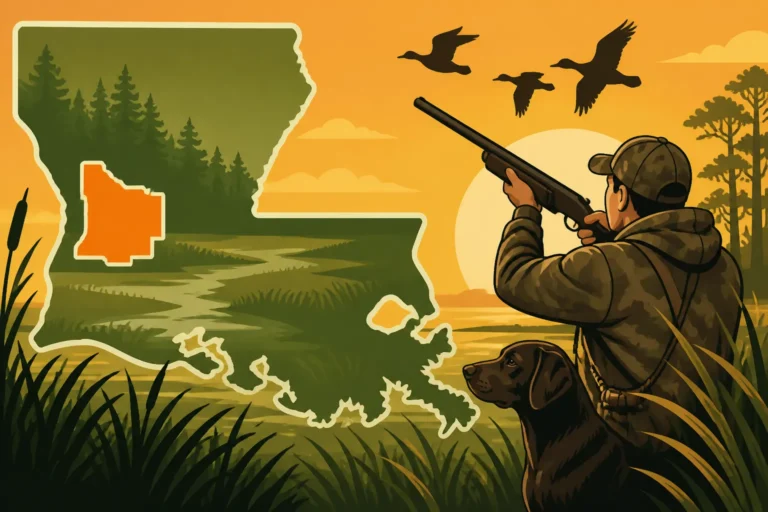
Rockefeller Wildlife Refuge, stretching across 86,000 acres of prime coastal marshland in Cameron and Vermilion parishes, is an absolute jewel in Louisiana's crown. It's a place where the Mississippi Flyway funnels millions of migratory birds, making it a hotspot for ducks, geese, and a myriad of other wildlife. But its popularity means that access is carefully managed, and for good reason – to preserve the fragile ecosystem and ensure quality hunting experiences.
Why Rockefeller is a Duck Hunter's Dream
Imagine waking up before dawn, the crisp marsh air filling your lungs, and the distant murmur of thousands of ducks and geese already audible. That's the typical morning at Rockefeller for those lucky enough to draw a permit. The refuge is renowned for its incredible waterfowl populations, offering opportunities for various dabblers and divers. It's not just about the numbers, though; it's the raw, untamed nature of the hunt, deep within the marsh, that truly captivates hunters. The sheer expanse of habitat means birds often feel less pressured than in smaller, more accessible public areas. It's truly one of the reasons Why the Coastal Marsh Concentrates Ducks so effectively.
The refuge's management practices, focused on habitat preservation and controlled hunting pressure, contribute significantly to its high success rates. The marsh itself is a complex tapestry of ponds, bayous, and vast expanses of emergent vegetation, providing ideal feeding and loafing areas for ducks like gadwall, pintail, green-winged teal, wigeon, and various diving ducks. For many, a Rockefeller permit isn't just a license to hunt; it's an invitation to experience Louisiana's waterfowl heritage at its finest, a true testament to the abundance of our coastal wetlands.
The Drawbacks and Challenges of Public Access
While the allure is undeniable, the challenges of hunting Rockefeller are equally significant. First and foremost is the limited access itself. With so many hunters vying for a finite number of spots, the permit draw is highly competitive. Many dedicated hunters apply year after year, sometimes for decades, before their name is finally selected. This can lead to frustration and a sense of "what's the point?" for newcomers. It’s tough to keep spirits up when you consistently miss out.
Beyond the lottery, the logistics of hunting Rockefeller can be demanding. This isn't a place where you can just pull off the highway and start walking. Much of the refuge is only accessible by boat, requiring careful planning for your journey through the intricate bayous and ponds. The weather can be notoriously unpredictable, with sudden fronts bringing strong winds, heavy rain, or even dense fog, making navigation difficult and challenging your gear. You also need to be intimately familiar with Louisiana Waterfowl Zones and Seasons and specific refuge rules, which can differ from general state regulations, adding another layer of complexity.
The Rockefeller Permit Application Process
Successfully hunting Rockefeller starts long before you even step foot in the marsh. It begins with understanding and meticulously navigating the permit application process. This isn't a casual affair; it requires attention to detail, adherence to deadlines, and a healthy dose of patience.
Key Dates and Application Windows
The first, and arguably most critical, step is knowing when to apply. The Louisiana Department of Wildlife and Fisheries (LDWF), which manages Rockefeller Wildlife Refuge, typically opens the application window for its various lottery hunts, including Rockefeller, during the summer months. These dates can shift slightly each year, so it’s absolutely essential to consult the official LDWF website or their annual hunting regulations pamphlet as soon as it's released. Don't rely on old information or forum hearsay, as dates and rules can change. Setting a reminder on your calendar for June or July to check for the upcoming season's regulations is a smart move.
The application period itself is usually a few weeks long, giving you a reasonable window to submit your entry. However, procrastinating is never a good idea. Technical glitches, forgotten passwords, or simple oversight can ruin your chances. Getting your application in early ensures you don't miss out. Keep an eye out for news regarding other public land access, like Cameron Prairie Refuge Waterfowl Access, as their permit application windows might align or overlap, requiring careful planning if you're applying for multiple draws.
Eligibility and Requirements
Before you even think about applying, you need to ensure you meet all the basic eligibility requirements. Generally, this means holding a valid Louisiana hunting license and all necessary endorsements. For waterfowl, this typically includes the Louisiana Migratory Bird Hunting and Conservation Stamp (often called the Louisiana Duck Stamp) and the Federal Duck Stamp. You'll also need to be HIP (Harvest Information Program) certified. These aren't just suggestions; they are legal necessities. You can't draw a permit if you don't already have these foundational items in place.
| Requirement | Description | Where to Get It |
|---|---|---|
| Basic Hunting License | General license required for all hunting activities. | LDWF Website, vendor, or app |
| Louisiana Duck Stamp | State migratory bird stamp. | LDWF Website, vendor, or app |
| Federal Duck Stamp | Federal migratory bird stamp. | Post office, FWS website, some sporting goods stores |
| HIP Certification | Mandatory registration for migratory bird hunters. | LDWF Website or app during license purchase |
| Hunter Education Card | Required for hunters born on or after September 1, 1969. | LDWF approved courses |
| Application Fee | Small fee to enter the lottery (check current LDWF regulations for amount). | Online application portal |
Beyond the licenses, some lottery hunts might have age restrictions or require participation in a hunter education course, especially for younger applicants. Always double-check these specific details in the official regulations for Rockefeller. It’s also wise to ensure your contact information on file with the LDWF is up-to-date, so you don't miss any critical notifications if your name is drawn.
The Lottery System Explained
Rockefeller's waterfowl hunts are allocated through a random lottery draw. This means that every eligible application submitted within the designated window has an equal chance of being selected. There's no preference point system, no weighted draws for past failures – just pure luck of the draw. It's a system designed for fairness, but it can be frustrating when you've been putting in for years without success. You'll typically apply for specific hunt dates or areas within the refuge. Sometimes you can apply as an individual or as a small group (often limited to 2-4 hunters), with the group leader submitting the application on behalf of everyone. If the group leader is drawn, everyone in their group gets to hunt.
When the application period closes, the LDWF conducts a computerized random drawing. Successful applicants are usually notified via email or a public list posted on their website. It's a moment of pure elation if you get that notification! If you're drawn, you'll then receive further instructions on how to confirm your hunt, what specific areas you've been allocated, and any additional rules or check-in procedures you'll need to follow. Using resources like GoHunt or dedicated hunting forums to track notification dates and share experiences can be helpful, though official communication will always come directly from LDWF. Be sure to respond promptly to any confirmation requests to secure your spot.
Maximizing Your Chances and Preparing for the Hunt
While the lottery itself is pure chance, there are still ways to improve your overall odds of success (by applying correctly) and, more importantly, to ensure you’re fully prepared should your name be called. A permitted hunt on Rockefeller is a unique opportunity that you don't want to squander due to lack of preparation.
Scouting and Information Gathering
You can't physically scout Rockefeller before drawing a permit, as public access is restricted. However, "virtual scouting" is incredibly powerful. Use satellite imagery tools like onX Hunt to pour over maps of the refuge. Look for patterns in the marsh, identifying large ponds, drainage ditches, old pipeline canals, and areas with denser vegetation versus more open water. Pay attention to how the land forms funnels or bottlenecks for bird movement. Understanding the lay of the land will give you a huge advantage when you finally get your permit and are assigned a specific area. Reading a Marsh Pond for a Morning Flight becomes much easier when you've already visualized the terrain.
Talk to hunters who have been lucky enough to draw a permit in the past. Online forums, local hunting clubs, and even talking to LDWF staff can provide invaluable insights into common hunting strategies, blind locations, and the best ways to access different parts of the refuge. You'll want to gather intel on typical water levels for the time of year you might be hunting, prevailing winds, and the types of ducks that are generally most abundant. While you won't know your exact spot until after the draw, having a general understanding of the refuge's diverse habitat will serve you well. Hunting the Vermilion Parish Marsh outside the refuge can also give you a feel for similar habitat and hunting conditions.
Gear and Logistics for a Rockefeller Hunt
A Rockefeller hunt is not your typical roadside jump-shoot. It requires specialized gear and meticulous planning. Given the marsh environment, a good, stable shallow-draft boat is often essential, especially for accessing interior ponds. You’ll need reliable navigation tools; while you might have an assigned area, the marsh can be disorienting, and an onX Hunt app on your phone or a dedicated GPS unit is critical. Don't forget powerful spotlights for navigating in the dark, reliable anchors, and enough fuel for your round trip plus a reserve.
Decoys are a must, and given the open water and visibility, you'll likely want a decent spread. Consider what kind of ducks are likely to be present during Louisiana Duck Migration Timing Through Louisiana and tailor your spread accordingly. Layout blinds or portable marsh blinds are also common, as permanent structures are often not allowed or not practical. Waders or chest-high boots are non-negotiable, and waterproof bags for all your electronics and essentials are a lifesaver. Ensure your shotgun is clean and well-maintained, and bring plenty of non-toxic shot appropriate for waterfowl. Remember, you'll be hauling all this gear in and potentially out again with birds, so pack efficiently but comprehensively.
What to Expect on a Permitted Hunt
Once you've secured your permit and planned your logistics, the actual hunt itself can be an incredible experience. You'll typically have an assigned check-in point where refuge staff will verify your permit, provide any last-minute instructions or safety briefings, and confirm your specific hunting zone. Be early and allow ample time for this process. Respecting refuge rules, such as designated shooting hours and bag limits (which adhere to Louisiana Duck Daily Bag Limit), is paramount.
The hunting itself will often involve setting up decoys in shallow ponds or along natural channels, then concealing yourself in your blind. Weather conditions play a huge role; a crisp north wind can bring ducks pouring in, while calm, warm days can make for slower action. The sheer volume of birds, especially during peak migration periods when How Many Ducks Winter in Coastal Marsh are in Louisiana, can be astonishing. Even if the hunting is tough, the experience of being immersed in this vast, vibrant ecosystem is its own reward. Remember to report your harvest as required by LDWF; it's vital data for managing the refuge's incredible resource.
Disclaimer
This article is for general informational purposes only and does not constitute professional advice. Laws, prices and regulations vary by location and change over time. Consult a qualified professional for guidance on your specific situation.