How Many Acres Kisatchie National Forest Covers
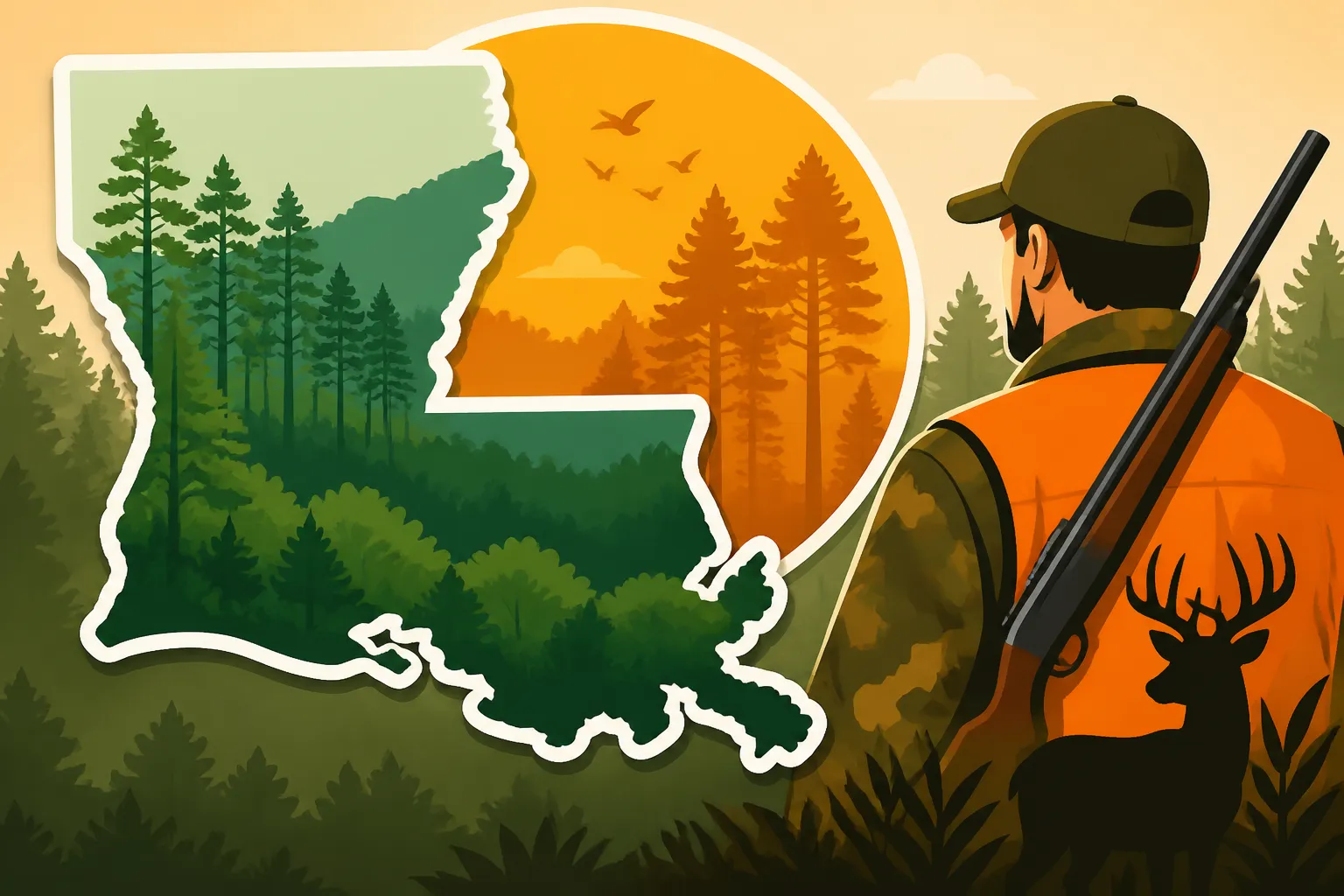
Anyone who's ever driven through central Louisiana and seen the endless stretches of pine towering above them knows just how expansive Kisatchie National Forest feels. It's a truly massive piece of public land, and understanding its sheer size is the first step in planning any successful hunt, helping you strategize where to focus your efforts and how to tackle such an enormous, wild space. This guide will break down the acreage of Kisatchie, explain what that number really means for a hunter, and offer practical advice for navigating its vastness.
Understanding the Immense Scale of Kisatchie
Kisatchie National Forest isn't just a big patch of woods; it's a sprawling, multi-district entity that represents a significant portion of Louisiana's public hunting opportunities. It covers hundreds of thousands of acres, making it the largest block of public land in our state. When you consider that many hunters are used to smaller wildlife management areas (WMAs) or private leases, the scale of Kisatchie can feel overwhelming, but it also presents incredible opportunities for those willing to learn its layout.
The Total Acreage of Louisiana's Only National Forest
While specific numbers can fluctuate slightly due to boundary adjustments or acquisitions, Kisatchie National Forest generally encompasses over 600,000 acres spread across seven parishes. That's a mind-boggling amount of territory, offering diverse habitats from longleaf pine forests to hardwood bottomlands and even some cypress-tupelo swamps. Imagine trying to cover even a fraction of that in a single season! This vastness is what draws so many hunters, promising solitude and the chance to find truly untouched pockets where mature game might roam.
For perspective, if you laid out 600,000 acres in a perfect square, each side would be roughly 30 miles long. That's a journey, not just a walk in the woods. This immense size means you're rarely going to bump into another hunter around every corner, which is a common frustration on smaller, more crowded public lands. Instead, you have the room to truly spread out and find your own hunting grounds, a real blessing for those of us who value a more solitary experience.
Why Knowing the Scale Matters for Hunters
Understanding Kisatchie's scale isn't just a fun fact; it's crucial for planning your hunts. If you think of it like a small WMA, you'll quickly get lost or overwhelmed. Instead, you need to approach it with a strategy that respects its size. This means focusing on smaller, manageable sections, rather than trying to comprehend the entire forest at once.
For example, knowing the sheer number of acres tells you that you need robust mapping tools. Relying solely on a compass and paper map, while valuable, might not be enough to effectively navigate and scout thousands of acres. Tools like onX Hunt become invaluable here, allowing you to mark waypoints, track your movement, and clearly see property boundaries, which is essential when you're deep in the forest. You can plot out potential hunting areas, identify access points, and even find remote corners that other hunters might overlook simply because they don't have the tools to pinpoint them. The vastness also implies that deer and other game can move freely over large areas, making patterns harder to pin down and requiring more dedicated scouting time.
Breaking Down the Forest's Districts for Hunters
Kisatchie National Forest isn't just one contiguous block; it's managed in distinct ranger districts. These districts, while all part of the larger forest, often have unique characteristics, dominant timber types, and even slight differences in hunting pressure or accessibility. Recognizing these distinctions is key to narrowing down your focus and finding the best spots for your particular hunting style.
Overview of Kisatchie's Five Ranger Districts
The forest is divided into five main ranger districts: Caney, Catahoula, Kisatchie, Strong River, and Calcasieu. Each district contributes significantly to the overall acreage and offers a different flavor of hunting. For instance, the Kisatchie and Calcasieu districts, often dominated by longleaf pine, might offer more open understories, making still-hunting or stalking a viable tactic. Still-Hunting Kisatchie Hills Wilderness is a great example of this style. On the other hand, a district with more bottomland hardwoods might mean thicker cover, different food sources like acorns, and potentially more water features, impacting deer movement and stand placement.
Understanding these districts is like looking at a huge pie and knowing what kind of filling each slice has. You wouldn't expect a pecan pie to taste like a lemon meringue, and you shouldn't expect the hunting experience to be identical across all of Kisatchie's districts. Some might have more designated camping areas, while others might be more remote, offering true backcountry experiences. Planning your trip means matching your expectations and hunting goals with the specific characteristics of a district.
| Ranger District | Dominant Habitat Type(s) | General Hunting Characteristics | Potential Access Considerations |
|---|---|---|---|
| Caney | Pine, Hardwood Bottomland | Diverse game, some remote areas | Mix of forest roads & foot access |
| Catahoula | Pine, Hardwood | Good deer & turkey, more open | Established road network |
| Kisatchie | Longleaf Pine, Hilly | Challenging terrain, solitude | Backcountry, hiking, some roads |
| Strong River | Pine, Mixed Hardwood | Varied habitat, can be thick | Forest roads, river access |
| Calcasieu | Pine, Flatwoods | Deer, small game, wet areas | Logging roads, some ATV trails |
This table gives you a starting point, but remember, within each district, micro-habitats abound. A small creek bottom running through a pine plantation can be a deer magnet, and knowing how to Reading a Ridge for Central Louisiana Deer is invaluable in the hillier sections.
How District Variations Impact Game and Access
The variations between districts aren't just about scenery; they directly influence where game animals thrive and how you can access them. For example, a district with a higher proportion of mature longleaf pine might support a healthier population of pine-loving small game like squirrels, while a district with extensive bottomland hardwoods might be a hotspot for whitetail deer, especially during acorn drops.
Access is another critical factor. Some districts might have well-maintained forest roads that allow for easier vehicle access to certain points, while others might feature more primitive trails or require extensive foot travel to reach productive areas. Before you even set foot in the woods, it's wise to consult maps—whether it's the LDWF map tool on your phone or a sophisticated platform like GoHunt, which can provide detailed topographical information and boundary overlays. This pre-scouting is essential, allowing you to identify trailheads, parking areas, and potential bottlenecks where other hunters might congregate. Understanding these nuances lets you tailor your approach, whether you're planning for Treestand Setups in Kisatchie National Forest or simply looking for quiet solitude away from the crowds.
Practical Implications of Kisatchie's Size for Hunting
Hunting in a landscape as immense as Kisatchie National Forest demands a different mindset and different strategies than hunting smaller tracts. The sheer acreage presents both challenges and advantages, influencing everything from your scouting methods to your gear choices and even your safety protocols. It's a place where preparation truly pays off.
Scouting and Locating Game in a Massive Area
Scouting is paramount, but in Kisatchie, it needs to be efficient. You can't just wander aimlessly and expect to find prime deer sign or turkey roosts across 600,000 acres. Instead, think "area reduction." Start by studying aerial photos and topographical maps, looking for natural funnels, pinch points, water sources, and changes in timber type that might concentrate game. Reading Aerial Photos for Central Louisiana Deer is an excellent way to start this process from home. Identify these potential hotspots and then focus your physical scouting efforts on those specific, smaller zones.
When you're actually on the ground, cover ground smartly. Don't be afraid to walk miles. The deer in Kisatchie often utilize vast home ranges, and they won't necessarily be confined to a small woodlot. Look for subtle changes in terrain, old logging roads, and areas with diverse food sources. Remember, the deeper you go, generally the less pressure you'll encounter. Utilizing GPS capabilities on apps like onX Hunt allows you to drop pins for deer rubs, scrapes, tracks, and potential stand sites, building a detailed map of game activity over time. This makes your future hunts much more productive, turning that intimidating acreage into a series of known, scouted zones.
Logistical Challenges and Safety Considerations
The vastness of Kisatchie also brings significant logistical challenges. Distances can be deceiving, and a seemingly short walk can turn into miles, especially when dragging a deer out of the woods. This is where physical fitness becomes critical. You also need to be self-sufficient. Cell service can be spotty or non-existent in many remote areas, so relying on your phone for navigation or emergencies might not be an option. Always carry a physical map and compass, know how to use them, and let someone know your exact hunting plans and expected return time.
Consider your gear carefully. A lightweight pack, plenty of water, first-aid supplies, and an emergency shelter are not overkill. Weather can change quickly, and being caught unprepared far from your vehicle can turn a great hunt into a dangerous situation. Think about how you'll recover game, especially if you're hunting alone. A game cart, strong rope, or even a plan for quartering an animal in the field might be necessary. This immense area gives you solitude, but it also demands a higher level of personal responsibility and preparation. Camping Rules on Kisatchie Forest Land can also inform how long you can stay out and how deep you can go.
Navigating and Planning Your Hunt in Kisatchie's Vastness
Successfully hunting Kisatchie National Forest requires strategic navigation and meticulous planning. It's not a place for winging it; the sheer scale demands respect and a well-thought-out approach. From understanding the rules to leveraging technology, every detail contributes to a safer and more rewarding experience.
Utilizing Technology for Effective Navigation
Modern technology has revolutionized how hunters can interact with large public lands like Kisatchie. As mentioned, mobile apps like onX Hunt are game-changers. They provide detailed satellite imagery, topographic maps, and crucially, property lines for both public and private land. This is essential for ensuring you're always within legal hunting boundaries, especially where the forest abuts private property. You can mark your vehicle's location, identify key features like water sources, potential bedding areas, and travel corridors, and even share waypoints with hunting partners.
Beyond GPS, understanding the LDWF app can help you with specific regulations, reporting harvests, and checking for any last-minute closures or special permits required for certain sections of the forest. While these tools are incredibly powerful, always download maps for offline use, as cellular service is notoriously unreliable deep within the forest. A dead battery or no signal should never leave you stranded or lost.
Important Regulations and Best Practices for Public Land
Hunting in Kisatchie National Forest, like all public land in Louisiana, comes with specific regulations that hunters must adhere to. These rules ensure fair chase, promote safety, and protect the resource for future generations. For example, understanding Treestand Rules on Louisiana Public Land is vital; you generally can't leave stands up overnight or for extended periods in Kisatchie, and you can't damage trees. Similarly, ATV use is typically restricted to designated trails and roads, so be sure to check ATV Rules on Louisiana Forest Roads before you ride.
Blaze orange or pink requirements during gun seasons are strictly enforced for safety, and knowing exactly when and where these apply is non-negotiable. Always check the current hunting regulations pamphlet provided by the Louisiana Department of Wildlife and Fisheries (LDWF) before each season, as rules can occasionally change. Practice ethical hunting: respect other users of the forest, leave no trace, and ensure you are confident in your shot placement to ensure quick, humane kills. The sheer size of Kisatchie means you might not see another person all day, but that doesn't excuse neglecting ethical behavior or safety protocols.
Finding Solitude and Minimizing Pressure
One of the greatest advantages of Kisatchie's massive acreage is the potential for solitude. On smaller WMAs, opening weekend can feel like a carnival, with hunters almost tripping over each other. In Kisatchie, you can escape that. The trick is to be willing to walk. Most hunters don't venture more than a mile or two from a road or parking area. By pushing further, often even just an extra half-mile or across a natural barrier like a creek, you can find pockets of untouched woods where deer feel safe and hunting pressure is minimal.
Look for areas that are difficult to access – a long hike, a dense thicket, or a wet bottomland. These are the places that deter the casual hunter and often hold mature animals. Don't be afraid to Finding Ground Others Walk Past or explore areas that look less appealing on a map but might offer unique cover or food sources. Kisatchie's vastness rewards effort and a willingness to explore, offering a genuine wild hunting experience that is increasingly rare in our crowded world.
Disclaimer
This article is for general informational purposes only and does not constitute professional advice. Laws, prices and regulations vary by location and change over time. Consult a qualified professional for guidance on your specific situation.