Best Louisiana Ground for Public Land Hogs
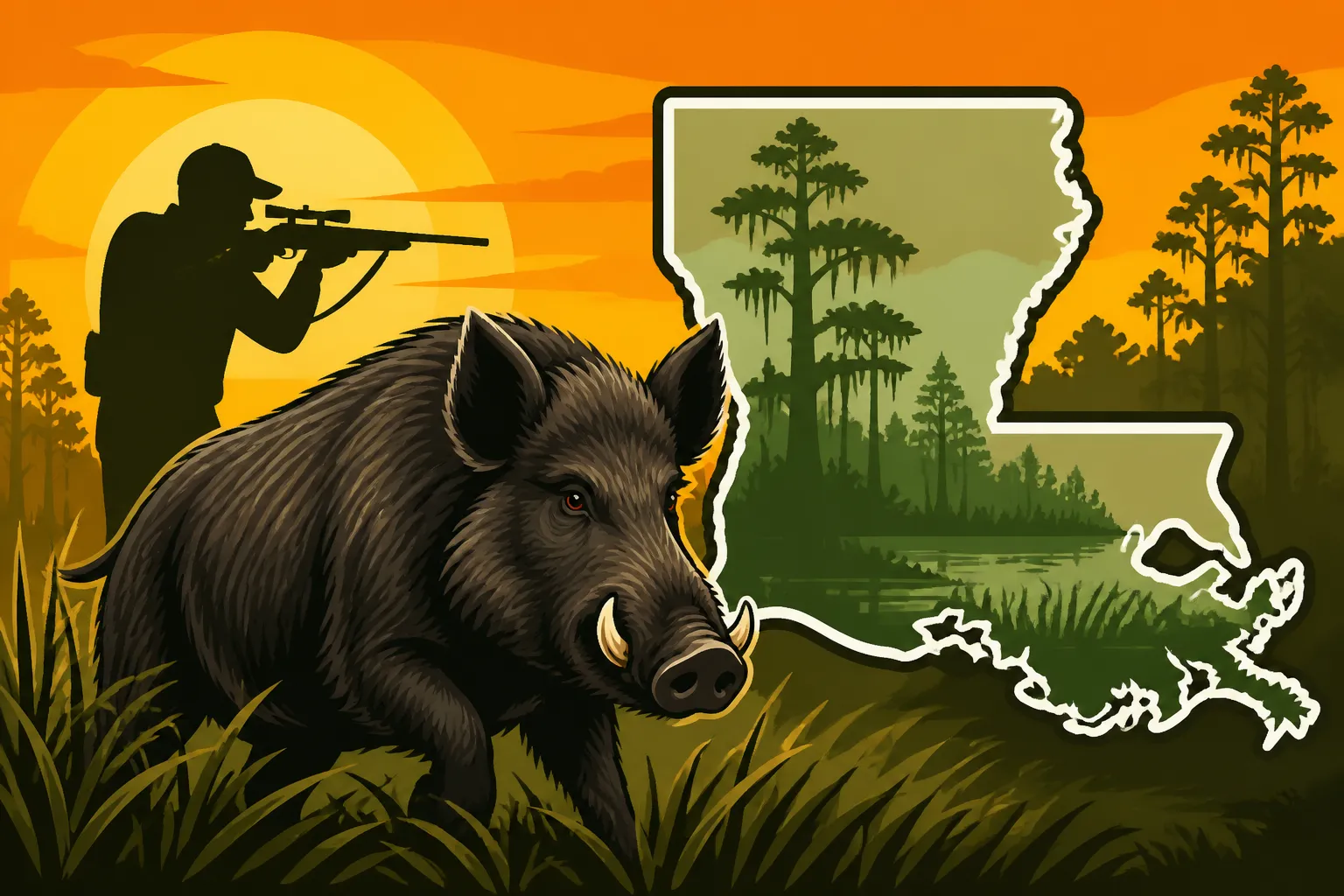
For many Louisiana hunters, the thought of chasing feral hogs immediately brings to mind private land, feeders, and night vision. It’s easy to feel like public land is a lost cause when it comes to hogs, with the assumption that every inch is either too pressured or just doesn't hold enough animals to make it worthwhile. But let me tell you, that simply isn't the whole picture. This guide is dedicated to equipping you with the knowledge and strategies to successfully pursue these wily beasts on Louisiana's vast public hunting grounds.
Understanding Louisiana's Public Land Landscape for Hogs
Louisiana boasts an incredible amount of public land, from sprawling national forests to diverse Wildlife Management Areas (WMAs) and National Wildlife Refuges. While not all of it will be prime hog habitat, there are vast tracts where hogs not only survive but thrive. The key is knowing where to look and understanding why these areas are so attractive to them.
The Sheer Volume of Public Land (and its Challenges)
It's true, we're lucky to have so much accessible land in Louisiana. We have multiple U.S. Forest Service holdings like Kisatchie National Forest Hunting, alongside the numerous WMAs managed by the Louisiana Department of Wildlife and Fisheries (LDWF), and several National Wildlife Refuges (NWRs) that offer hunting opportunities. This sheer volume can be overwhelming, making it difficult to pinpoint where to even start looking for hogs. You might drive for miles through a WMA, see nothing but timber, and conclude that hogs just aren't there. The reality is, hogs are incredibly elusive and often stick to the thickest, nastiest cover they can find, especially on public ground where human presence is more common. This means simply driving by won't cut it; you've got to dig a little deeper.
Many hunters feel discouraged by the perception that public land is "hunted out" or too crowded. While pressure is a factor, especially during deer season, hogs are nomadic and incredibly adaptable. They'll move to less pressured areas, often deeper into the swamp or further off the beaten path, if they feel too much heat. The challenge isn't that public land lacks hogs; it's that finding them requires more dedicated scouting and a willingness to explore areas others might overlook.
Why Hogs Love Certain Public Land Habitat
Feral hogs aren't picky eaters, but they do have preferences when it comes to habitat. They absolutely gravitate towards areas with dense cover, readily available water, and diverse food sources. Think about those classic Louisiana landscapes:
- Swampy Bottomlands: The Atchafalaya Basin is perhaps the most iconic example. These areas provide endless cover in cypress-tupelo stands, palmetto thickets, and dense undergrowth. The water, whether it's sloughs, bayous, or seasonal flooding, is crucial for rooting, wallowing, and staying cool.
- River Floodplains: WMAs situated along major river systems like the Mississippi, Red, and Pearl rivers are often goldmines. These areas feature rich, fertile soils that grow abundant mast crops (acorns, pecans) and diverse vegetation that hogs love to root through. They also offer consistent water access and relief from dry conditions.
- Piney Woods with Hardwood Drains: Even in the predominantly pine forests, like parts of Kisatchie, you'll find hardwood drains, creek bottoms, and small sloughs. These linear features act as natural travel corridors and provide concentrated food and water sources that draw hogs in.
Hogs are incredibly destructive, and their rooting behavior creates visible sign, often making them easier to locate than other game once you're in the right habitat. They churn up the soil looking for roots, tubers, and invertebrates, creating what looks like a rototilled field. These areas are not just feeding grounds; they are often indicators of consistent hog activity.
The Year-Round Season Advantage
One of the biggest advantages of hunting feral hogs in Louisiana is that there is no closed season on private land. On public land, the situation is a bit more nuanced but still offers extensive opportunities. While specific WMAs or NWRs might have designated hog hunting seasons that coincide with other game like deer, many areas allow hog hunting during open small game or even year-round in certain circumstances, often with specific weapon restrictions. This means you can often pursue them when deer, turkey, and duck seasons are closed, giving you a reason to be out in the woods year-round. It’s a fantastic way to extend your hunting calendar and put meat in the freezer, all while helping control an invasive species. Always, and I mean always, check the specific WMA or NWR regulations before you go, as rules can vary widely, especially regarding legal weapons and methods.
Prime Public Land Hotspots for Feral Hogs
Knowing what kind of habitat hogs prefer is one thing; identifying specific public areas that fit the bill is another. Louisiana has some exceptional public lands where hogs consistently roam.
Atchafalaya Basin Wildlife Management Area
If you're looking for hog hunting opportunities on public land, the Atchafalaya Basin WMA should be at the top of your list. This immense flooded forest is an incredible ecosystem, and its sheer size, dense cover, and abundant food sources make it a feral hog paradise. The hogs in the Basin are notoriously tough and wary, often growing to impressive sizes.
Hunting the Basin is a serious undertaking. It's often boat-dependent, requiring good navigation skills and a stout vessel to access its deeper reaches. You'll be navigating a labyrinth of bayous, canals, and sloughs. Once you get away from the main thoroughfares, you'll find areas that see significantly less pressure, which is exactly where those big boars like to hide. Look for areas with a mix of high ground (even slight elevations above the normal water line), palmetto thickets, and cypress-tupelo flats. These spots offer hogs bedding cover, rooting opportunities, and protection from the elements. Where Atchafalaya Basin Bucks Bed can also be great places to look for hogs, as they share similar habitat preferences for thick cover.
Access points are crucial here. Whether you're launching from a public boat ramp or entering via a smaller bayou, having a solid plan for getting in and out, and for retrieving any harvested hogs, is paramount. This isn't a place for a casual stroll; it's a wilderness experience that rewards diligent scouting and preparation.
River Bottom Wildlife Management Areas
Louisiana's river systems create fertile floodplains that are ideal for hogs. Several WMAs are located within these river bottoms, offering excellent opportunities.
- Tensas River National Wildlife Refuge: While primarily known for its deer and duck hunting, the Tensas NWR also holds a significant hog population. Its expansive bottomland hardwood forests, intricate slough systems, and proximity to agricultural fields make it a prime location. Hogs often move between the refuge and surrounding private farmland, taking advantage of both the dense cover and abundant crops. Look for areas away from popular deer hunting spots, especially during off-peak seasons.
- Pearl River Wildlife Management Area: Down in Southeast Louisiana, the Pearl River WMA offers a sprawling cypress-tupelo swamp and bottomland hardwood habitat that hogs absolutely love. Pearl River WMA Bottomland Deer Ground is often hog ground too. It’s thick, wet, and challenging, which keeps a lot of hunters out of the deeper reaches. Access is often by boat, similar to the Basin, and the hogs here can be particularly robust. The constant influx of freshwater and diverse vegetation provide everything a hog needs to thrive.
- Richard K. Yancey Wildlife Management Area: Located in central Louisiana, this WMA is another fantastic example of prime river bottom habitat. It's known for its deer hunting, but also has a strong hog presence, especially in the areas bordering the Red River. The periodic flooding helps distribute hogs and creates new rooting opportunities. Access here can be tough, requiring navigating muddy roads or boat launches into the numerous sloughs and bayous. Why Yancey WMA Draws So Many Deer Hunters is a testament to its rich wildlife, including hogs.
For these river bottom WMAs, focus your efforts on the thickest, nastiest sections, particularly where there's a confluence of water, dense cover, and food sources like acorns.
Kisatchie National Forest Pockets
While Kisatchie National Forest is primarily pine-dominated, don't write it off for hogs. Within its vast acreage, you'll find numerous hardwood drains, creek bottoms, and areas of mixed timber that hogs frequent. These linear features often act as funnels and travel corridors, especially where water is present or where clear-cuts have created new dense regrowth that hogs can use for cover.
The key to Kisatchie is identifying these "pockets" of ideal habitat within the larger pine landscape. Use mapping tools like onX Hunt or GoHunt to analyze topography and vegetation types. Look for significant elevation changes that create drainages, areas with consistent water flow, and any recent timber thinning or clear-cutting that provides dense understory. Hogs might not be as universally distributed here as in the river bottoms, but finding a hot pocket can lead to some fantastic hunting. Hanging a Stand on a Kisatchie Ridge might sound like deer advice, but those same ridges often have drainages leading down to areas hogs utilize.
Strategies for Hunting Public Land Hogs
Hunting public land hogs requires a different mindset than private land. You're dealing with pressure, limited methods, and often more challenging terrain.
Scouting and Access
Effective scouting is paramount when chasing public land hogs. You can't just show up on opening day and expect success. This species doesn't follow a calendar with specific rutting activity like deer or gobbling like turkeys. They're driven by food, water, and cover, which means their patterns can shift based on rainfall, mast crops, and hunting pressure.
- Aerial Maps and Topography: Start your scouting at home using satellite imagery and topographical maps. Tools like onX Hunt are invaluable here. Look for dense cover, water sources, and pinch points. Identify travel corridors between bedding areas and feeding areas. Reading Aerial Photos for Central Louisiana Deer is a great resource that applies just as well to hog scouting.
- Boots on the Ground (or in the water): Once you've identified potential hotspots on a map, it's time to get out there. Look for fresh sign: rooting, tracks, wallows, and rubs. Hogs love to rub against trees, especially pines, often leaving mud and hair. Pay attention to the freshness of the sign. You might also find hog scat, which can give you an idea of their diet.
- Access Routes: Consider how you'll access the area. On some public lands, you might be able to hike in. On others, especially in the Basin or river bottom WMAs, a boat might be essential. Think about how far you can get away from other hunters. Launching a Boat Into the Atchafalaya Basin is critical if you plan to explore that vast area.
- Trail Cameras (where legal): Some public lands allow trail cameras, which can be a game-changer for identifying hog movement patterns. Always check the specific WMA or NWR rules first. Trail Camera Rules on Louisiana Public Land are important to understand. If allowed, focus your cameras on active travel corridors, near wallows, or along major creek crossings.
Hunting Methods that Work
On public land, you're generally restricted from using methods like baiting or night hunting with artificial lights, which are often popular on private land. This means you need to rely on more traditional hunting techniques.
- Still-Hunting and Stalking: This is arguably the most effective method for public land hogs. Move slowly, quietly, and deliberately through areas with fresh sign. Hogs have an incredible sense of smell and hearing, so playing the wind is critical. Take advantage of natural cover and use binoculars to scan ahead. Early morning and late evening are often prime times, but hogs can be active throughout the day, especially in thick cover or during cooler weather.
- Ambush Points: If you've identified a consistent travel corridor, a water source, or a feeding area through scouting, setting up an ambush point can be effective. This might involve using a portable treestand (where legal) or a ground blind. Using a Ground Blind on Louisiana Public Land is a good strategy in areas with limited trees for stands. Position yourself downwind and be patient.
- Calling (Limited Success): While hog calling exists, it's generally less effective than for other species and often not practical on public land where hogs are pressured. A distressed piglet call might work in rare instances, but don't rely on it as a primary strategy.
- Dog Hunting (Where Allowed): In some specific WMAs or during certain seasons, running dogs for hogs might be permitted. This is a highly effective, but specialized, method. Always check specific WMA regulations for dates and rules. Running Dogs on Louisiana Feral Hogs delves into this.
Dealing with Hunting Pressure
Public land, by its nature, attracts hunters. This means hogs on public land are often more skittish and nocturnal than their private-land counterparts.
- Go Deep and Get Wet: The easiest way to escape pressure is to go where others won't. This often means going deeper into the swamp, crossing sloughs, or pushing through thick briar patches. Be prepared for mud, water, and dense vegetation. Many hunters will stick to main trails or easily accessible areas.
- Off-Season and Mid-Week Hunts: Take advantage of the year-round opportunities for hogs by hunting when other seasons are closed or during the middle of the week. This is when you'll encounter fewer people and the hogs might be more relaxed.
- Embrace the "Nasty" Areas: Hogs love the nastiest, most impenetrable cover. These are the places other hunters tend to avoid. If you're willing to crawl through palmettos or navigate a tangled mess of briars, you're likely to find hogs that see less human disturbance. Hunting Pressure on Louisiana Public Land is a real concern, but persistence pays off.
Gear and Regulations Specific to Public Land Hog Hunting
Successfully hunting public land hogs in Louisiana isn't just about strategy; it's also about having the right gear and understanding the specific rules that apply.
Essential Gear for Swamp and Bottomland
Louisiana's public lands, especially the prime hog areas, are not for the faint of heart. The environment itself presents challenges.
- Waders and Waterproof Boots: If you're hunting the Basin or river bottoms, quality chest waders or tall rubber boots are non-negotiable. You'll be in water and mud, often deep. Look for models with good insulation for cooler months and durable construction.
- Navigation Tools: A reliable GPS device or a smartphone app like onX Hunt with offline maps is absolutely critical. It's incredibly easy to get turned around in dense swamp or endless timber. Mark your access point, your stand locations, and any fresh sign you find.
- Bug Protection: The mosquitoes, gnats, and horseflies in Louisiana's swamps are legendary. Bring industrial-strength insect repellent, and consider a head net or bug suit during warmer months.
- Rain Gear: Weather in Louisiana can change quickly. A lightweight, packable rain suit will save your hunt from an unexpected downpour.
- Game Cart or Sled: Hogs can be incredibly heavy, and dragging one out of a swamp can be a monumental task. A sturdy game cart or sled can make a world of difference, especially if you're on your own.
- First Aid Kit: Be prepared for cuts, scrapes, snake bites (rare, but possible), and other minor injuries that can occur when navigating rough terrain.
Public Land Specific Rules
This is where many hunters get tripped up. Public land regulations are often more stringent than private land, and they can vary from one WMA or NWR to another.
- No Baiting: On almost all Louisiana public lands, baiting for hogs (or any game) is strictly prohibited. This means no corn feeders, no soured grain, nothing. You must rely on natural food sources and scouting.
- No Night Hunting with Artificial Lights: While night hunting with lights is a popular and effective method for hogs on private land, it's generally not allowed on public lands. Night Hog Hunting Light Rules in Louisiana clarifies these distinctions. Adhere to legal hunting hours, typically from one half-hour before sunrise to one half-hour after sunset.
- Weapon Restrictions: During specific deer or small game seasons, there might be restrictions on the type of firearm you can use. However, often during general hog seasons, a wide array of firearms are permitted, including centerfire rifles, shotguns, muzzleloaders, and archery equipment. Always consult the current LDWF WMA regulations pamphlet or website for the specific area you plan to hunt.
- WMA Permits: Many WMAs require a WMA access permit in addition to your regular hunting license. Make sure you have all the necessary permits before heading out.
- Check-In/Check-Out Procedures: Some WMAs have mandatory self-clearing check-in and check-out stations. Even if they don't, it's always good practice to let someone know where you're going and when you expect to return, especially when venturing deep into remote areas.
Firearms and Ammunition
When it comes to putting down a determined hog, particularly a large boar, shot placement and adequate caliber are crucial. Hogs are tough animals, with a thick hide and often a "shield" of gristle and mud on their shoulders.
- Rifles: Centerfire rifles in calibers like .223/5.56, .30-30, .308 Win, 6.5 Creedmoor, and .270 Win are all excellent choices. For larger boars, something with a bit more punch like a .30-06 or .45-70 can be reassuring. The key is using quality, controlled-expansion bullets designed for hunting.
- Shotguns: Shotguns loaded with slugs can be very effective at closer ranges, especially in thick cover where shots are often quick and close.
- Archery: Bowhunting for hogs is incredibly challenging and rewarding. Ensure your archery setup is sufficient to deliver a lethal blow, using sharp broadheads and adequate draw weight. Bowhunting Louisiana's Long Archery Season can offer insights, as the skills transfer to hogs.
- Handguns: For those who enjoy a challenge, larger caliber handguns (.44 Magnum, .454 Casull, 10mm) can be used, but shot placement is even more critical.
No matter your weapon choice, practice is essential. Know your limits and your equipment's capabilities. A well-placed shot with a smaller caliber is always better than a poorly placed shot with a larger one. Ultimately, public land hog hunting in Louisiana offers a unique and exciting challenge. With the right preparation, knowledge, and a willingness to get a little dirty, you can find success and enjoy some fantastic hunting outside of the typical deer and waterfowl seasons. Louisiana's Year-Round Hog Rule on Private Land might be easier, but the satisfaction of a public land hog is hard to beat!
Disclaimer
This article is for general informational purposes only and does not constitute professional advice. Laws, prices and regulations vary by location and change over time. Consult a qualified professional for guidance on your specific situation.