Louisiana Deer Weight Averages by Region
It's a question that echoes across deer camps every season: "What do you think he weighs?" We've all been there, standing over a harvested deer, trying to guess its live weight or its field-dressed weight, often with vastly different opinions among hunting buddies. It's more than just bragging rights; understanding deer weight averages by region helps us gauge herd health, habitat quality, and even offers a deeper appreciation for the unique environments our Louisiana deer call home. This guide will dive deep into why deer weights vary and what you can expect across our diverse state.
Why Deer Weights Are a Moving Target
You might imagine a deer's weight is just a matter of its age, but in reality, it's a complex interplay of several factors. Think of it like a recipe: you need the right ingredients, the right cooking time, and a bit of good luck to get a truly impressive result. For a deer, those ingredients are nutrition, age, genetics, and the overall quality of their habitat.
The Impact of Nutrition and Habitat Quality
Just like us, deer are what they eat. A deer living in an area rich with high-protein browse, acorns, and agricultural crops will naturally have a better chance of putting on significant weight than one scavenging in a less fertile, more pressured environment. Consider the difference between deer in the fertile river bottoms of Northeast Louisiana compared to those in the sandier, piney uplands. In the river bottoms, deer have access to an abundance of nutrient-rich forage, especially during the crucial antler and body development stages. They're basically living in a five-star buffet compared to some of their cousins.
Habitat quality isn't just about food, though. It also encompasses cover, water sources, and low stress. A deer constantly fleeing predators or dodging hunters might burn more calories and have less opportunity to reach its full growth potential. Areas with strong management practices, whether on private land with dedicated food plots or well-managed public lands, often show higher average deer weights because the deer have less competition and more consistent food sources. Understanding the terrain and available forage is key, and tools like GoHunt can be incredibly helpful for analyzing habitat features before you even step foot in the woods.
The Role of Age and Genetics
Age is undeniably a major factor in deer weight. Younger deer, like fawns and yearlings, are still growing and haven't reached their peak body mass. Bucks, in particular, often don't hit their maximum body weight until they are 4.5 to 5.5 years old, sometimes even older, as they prioritize antler growth in their earlier years. A 2.5-year-old buck might have a decent rack, but his body is still developing. A 4.5-year-old buck, however, has likely filled out, his skeletal structure mature, and his muscle mass at its prime.
Genetics also play a silent, yet powerful, role. While you can't change a deer's DNA, the inherent genetic potential for body size is passed down through generations. Some localized deer populations simply have genes for larger body frames. This isn't just about antlers; it's about bone structure and muscle mass. While managing for genetics is a long-term strategy for landowners, it's something to appreciate as hunters: that magnificent animal you just harvested is a product of countless generations adapting to its environment.
Regional Weight Averages Across Louisiana
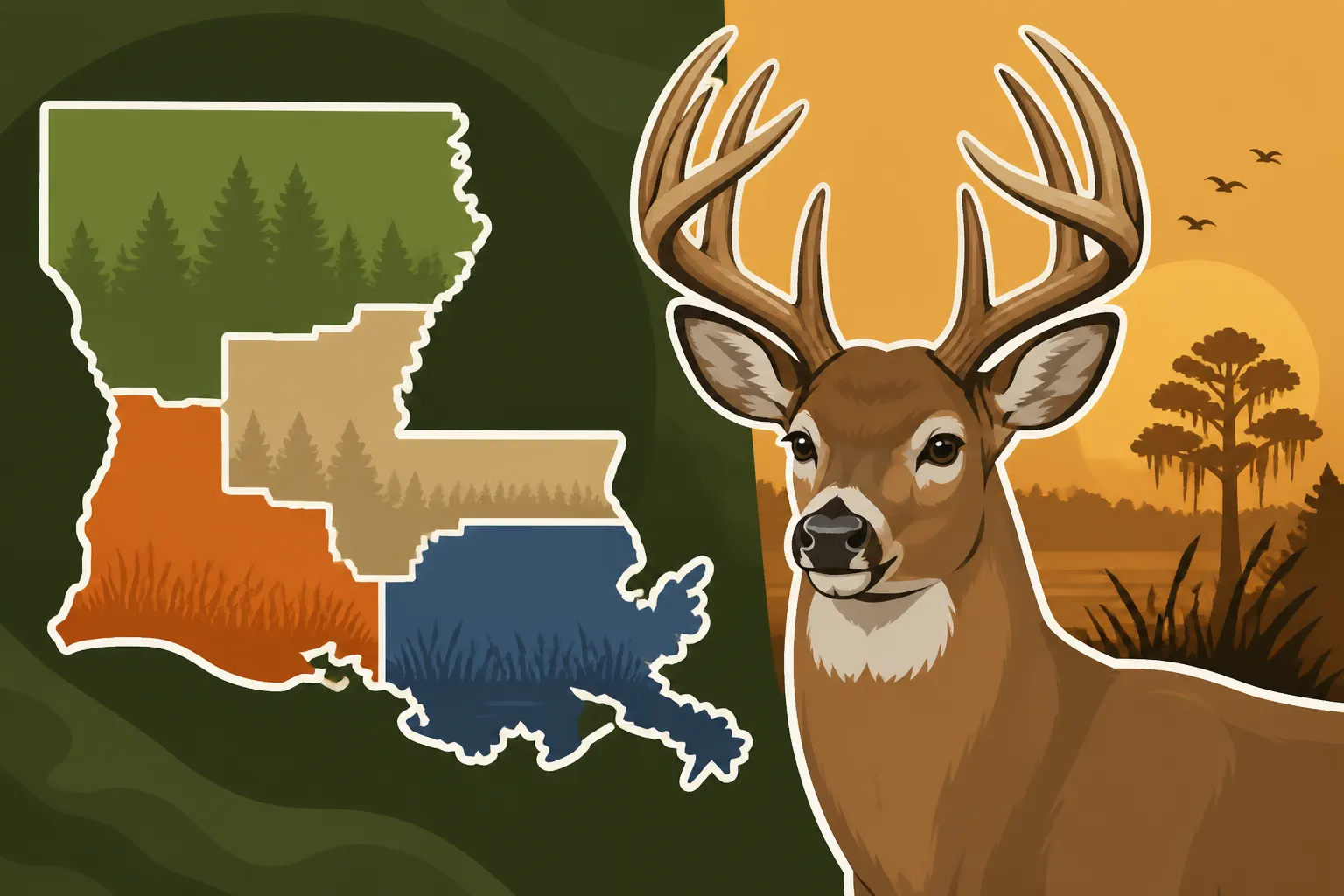
Louisiana is a tapestry of diverse ecosystems, and these differences are dramatically reflected in the average weights of our white-tailed deer. From the vast cypress swamps to the rolling pine hills and the rich agricultural fields, each region presents unique challenges and opportunities for deer to thrive. Understanding these regional variations can help set realistic expectations and inform your hunting strategy.
Northeast Louisiana River Bottoms and Agricultural Lands
When you talk about big deer in Louisiana, the conversation often turns to the northeast parishes, particularly those bordering the Tensas River and Mississippi River floodplains. Areas like the Tensas River Basin are legendary for a reason. Here, the incredibly fertile soils support lush, high-protein forage, and the presence of extensive agricultural crops like soybeans, corn, and winter wheat provides an almost endless buffet for deer. This consistent, high-quality nutrition allows deer to not only grow impressive antlers but also reach substantial body weights.
Hunters in these regions frequently report harvesting bucks that push the scales well into the 200-pound range (live weight), with does also being noticeably heavier than their counterparts elsewhere. The deer here simply have all the resources they need to thrive. If you're hunting private land with crop rotation and careful management in these areas, your chances of encountering a truly heavy deer are significantly higher. Even public lands in these zones, such as certain tracts within Tensas River National Wildlife Refuge Hunting, can yield impressive results due to the sheer abundance of food.
The Florida Parishes: A Surprising Prowess
Southeast Louisiana, particularly the Florida Parishes, often surprises hunters with the quality and size of its deer. While not as overtly agricultural as the northeast, these parishes boast excellent soil quality in many areas, particularly in the river drainages and creek bottoms. Historically, these areas have seen strong deer management efforts on private lands, focusing on age structure and habitat improvement. The combination of good forage, lower hunting pressure in some private tracts, and often a milder climate contributes to deer that can reach very respectable weights.
Bucks in the Florida Parishes regularly exceed 180 pounds field-dressed, and it's not uncommon to see 200-plus pound live-weight bucks come out of these woods. The habitat mosaic of mixed pine and hardwood timber, coupled with smaller agricultural plots and improved forage, provides a balanced diet. It's a testament to good land stewardship and the inherent quality of the land. For more on this, you might check out Why the Florida Parishes Grow Big Bucks.
Piney Hills and Central Louisiana Uplands
Move west into Central and North-Central Louisiana, into the Kisatchie National Forest and the surrounding piney hills, and you'll generally find deer that are leaner and, on average, lighter-bodied. The soils here are typically sandier and less fertile compared to the river bottoms, which means the natural forage isn't as robust. While there are pockets of fertile creek bottoms and managed timber cuts that offer better browse, the overall nutritional plane is lower.
Deer in these areas are often tough and resilient, adapted to a harder-scrabble existence. A mature buck in the piney hills might top out around 150-170 pounds live weight, and a healthy doe around 100-110 pounds. This isn't to say you won't find bigger deer; genetics and isolated prime habitat can always produce an outlier. However, setting your expectations based on the regional averages is wise. Public land opportunities here, like those within Kisatchie National Forest Hunting, offer a different kind of challenge, often requiring more extensive scouting with tools like GoHunt to locate pockets of better forage.
Atchafalaya Basin and Coastal Marsh: Adapting to the Water
The unique ecosystems of the Atchafalaya Basin and the coastal marsh present their own set of challenges and adaptations for deer. In the Atchafalaya Basin, deer navigate a world of fluctuating water levels, cypress-tupelo swamps, and dense bottomland hardwoods. While these areas can be rich in certain food sources during dry periods, the constant threat of flooding and the energy expended traversing the watery landscape mean deer often don't achieve the same body mass as those in agricultural zones.
However, Basin deer are incredibly hardy and can be surprisingly stocky. A mature Basin buck might weigh in the 160-180 pound range (live weight), often appearing dense and compact due to their environment. Their diet can be varied, including cypress browse, water oak acorns, and a host of aquatic vegetation. Hunting the Atchafalaya Basin offers a glimpse into this unique pursuit. In the coastal marsh, deer populations are more localized and also adapted to brackish environments. While not known for massive body weights, they are perfectly suited to their watery homes.
Here's a general overview of average field-dressed buck weights by region:
| Louisiana Region | Average Field-Dressed Buck Weight | Notes |
|---|---|---|
| Northeast River Bottoms | 150-180 lbs | Highest nutrition from agriculture, can exceed 200 lbs live weight |
| Florida Parishes | 140-170 lbs | Good soils, strong management, excellent potential |
| Central/North-Central Uplands | 110-140 lbs | Sandier soils, pine dominant, leaner deer |
| Atchafalaya Basin | 130-160 lbs | Flood-prone, stocky deer, varied diet |
| Coastal Marsh | 100-130 lbs | Localized populations, unique adaptation to wet environment |
Note: These are general averages for mature bucks and can fluctuate based on specific habitat, age, and annual conditions.
Estimating and Maximizing the Weight of Your Harvest
You've put in the work, made the shot, and now you're standing over your deer. The adrenaline is pumping, but a practical question remains: how much does it weigh? While few hunters carry a portable scale big enough for a deer, you can get pretty good at estimating, and more importantly, you can influence the potential weight of the deer you harvest.
Field-Dressed vs. Live Weight: Knowing the Difference
It's crucial to understand the difference between live weight and field-dressed weight. Live weight is the deer's weight before any processing, exactly as it walked through the woods. Field-dressed weight is what remains after the internal organs have been removed. This reduction typically shaves off about 20-30% of the live weight, depending on the deer's size and how thoroughly it's cleaned. So, a buck that weighs 200 pounds live might only be 150-160 pounds field-dressed. Most weight discussions at camp or in official harvest reports refer to field-dressed weight, so it's good to clarify when sharing your tales.
Estimating can be tough, but with experience, you can get pretty close. Look at the deer's overall body condition – is it thick through the shoulders and hams, or long and lanky? Pay attention to the gut cavity after field dressing; a healthy, well-fed deer will have a substantial amount of fat around its organs. When you're Field Dressing a Deer in Warm Weather, you'll notice how much mass is removed, which gives you a visual cue for that 20-30% reduction.
Hunter Influence: Management and Scouting for Heavier Deer
While you can't magically make a deer grow bigger overnight, your hunting choices and land management practices can significantly impact the average weight of deer in your area over time. For public land hunters, this often means scouting smarter and focusing on areas that naturally provide better nutrition. Using mapping applications like GoHunt can help you pinpoint specific features such as hardwood bottoms, new clear-cuts offering fresh browse, or isolated agricultural plots that might hold heavier deer. Remember, deer gravitate toward the best food sources, especially in the late season when natural browse dwindles.
For those managing private land, the influence is much more direct. Implementing Quality Deer Management (QDM) principles, such as harvesting an appropriate number of does to balance the sex ratio and reduce competition, can lead to healthier, heavier deer overall. Planting food plots, providing mineral supplements, and managing timber to encourage beneficial browse are all strategies that directly boost the nutritional intake of your local deer herd. Focusing on Louisiana deer age structure also means letting younger bucks walk, allowing them to reach their physical maturity before harvest, thus increasing the average weight of harvested bucks.
The Importance of Reporting and Data Collection
Every time you harvest a deer in Louisiana and fulfill the Louisiana Deer Reporting Requirements, you're not just complying with the law; you're contributing valuable data to the bigger picture of wildlife management. This data, collected across the state, allows wildlife biologists to track trends in deer health, population dynamics, and yes, even average body weights by region.
How Your Harvest Data Helps
When you report your harvest through the Louisiana Department of Wildlife and Fisheries (LDWF) app or online portal, you often provide details about the deer's sex, age, and even sometimes its weight. This aggregated data helps biologists understand which areas are producing heavier, healthier deer, and where management efforts might need to be adjusted. For example, if average weights in a particular area start to decline, it could signal overpopulation, habitat degradation, or disease, prompting further investigation.
This information is vital for making informed decisions about season lengths, bag limits, and specific management zone regulations. It’s how the LDWF can effectively manage White-Tailed Deer Across Louisiana to ensure a healthy and sustainable deer population for future generations of hunters. Your individual report, when combined with thousands of others, creates a robust dataset that guides conservation and hunting opportunities. Think of it as your small, yet significant, contribution to the health of Louisiana's deer herd, making sure those camp debates about weight remain lively for years to come.
Disclaimer
This article is for general informational purposes only and does not constitute professional advice. Laws, prices and regulations vary by location and change over time. Consult a qualified professional for guidance on your specific situation.