Louisiana Turkey Brood Survey Results
We all know that feeling, don't we? That mix of excitement and trepidation as turkey season approaches. You've been scouting, practicing your calls, and dreaming of gobblers, but there's always that nagging question in the back of your mind: How was the hatch? It's a critical piece of the puzzle, yet often shrouded in mystery. This guide is all about pulling back that curtain, helping you understand what Louisiana's turkey brood surveys are, why they matter so much, and what those results mean for your upcoming hunts.
What Are Turkey Brood Surveys and Why Do They Matter?
For turkey hunters, the spring season is the pinnacle, but the foundation for that season is laid much earlier, during the nesting and brooding periods of the previous year. You might spend countless hours calling, setting up decoys, and trying to decipher roost locations, but if there simply aren't enough young birds that survived to adulthood, the hunting can be tough, no matter how skilled you are. This is where turkey brood surveys come into play—they’re a vital tool for wildlife biologists to gauge the health and reproductive success of our wild turkey populations, offering a glimpse into the future hunting prospects.
The Biology of Brood Success
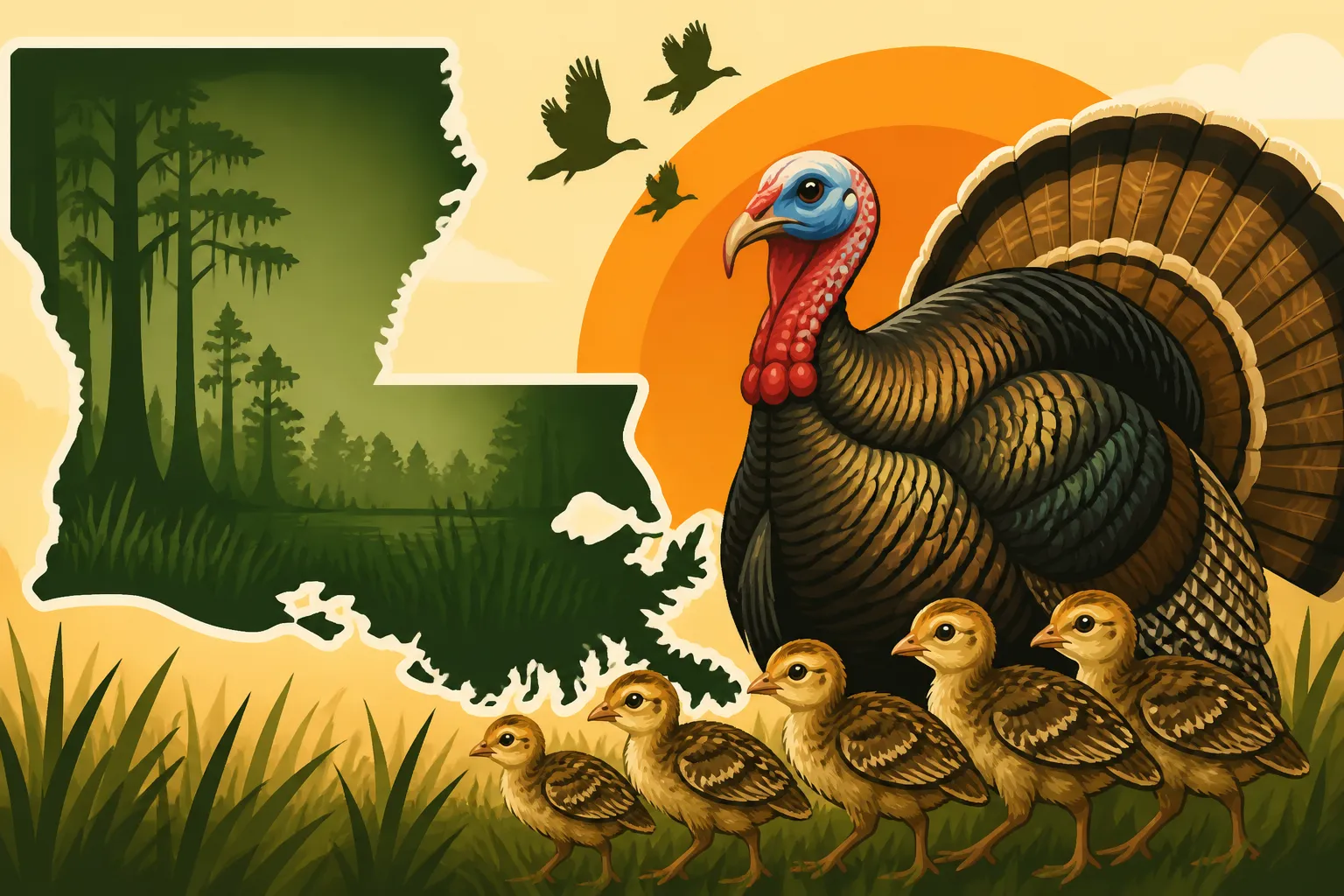
Think about the life cycle of a wild turkey hen. After the breeding season, she’ll lay a clutch of eggs, typically in a concealed nest. Once those eggs hatch, the poults (young turkeys) are incredibly vulnerable. They're tiny, susceptible to cold, wet weather, and an easy meal for a host of predators. The period immediately following hatching, known as the brood-rearing phase, is absolutely crucial. A strong hatch means more poults hit the ground, and good survival through their first few weeks means more of those poults will make it to adulthood, eventually becoming those wary gobblers and productive hens we hope to encounter in subsequent seasons. Factors like severe thunderstorms, prolonged cold snaps, and abundant predators can decimate a hatch, leading to a "bust" year. Conversely, mild weather, ample insect populations (a primary food source for poults), and healthy habitat can lead to a booming "boom" year. Understanding these biological dynamics is the first step in appreciating the value of brood surveys.
How Survey Data Translates to Future Hunts
So, how does a count of fuzzy little poults translate into your ability to fill a tag a year or two down the road? It’s all about recruitment. Good brood numbers indicate strong recruitment into the population. When you see a high number of poults per hen in a given year's survey, it suggests that the following year, or even two years out, there will be a healthier population of jakes (first-year gobblers) and adult gobblers available for hunting. Conversely, a poor brood year means fewer young birds surviving, which translates to fewer jakes the next spring and potentially a noticeable dip in the adult gobbler population a year or two after that. This information helps wildlife agencies like the Louisiana Department of Wildlife and Fisheries (LDWF) make informed management decisions, and it can help you, the hunter, manage your expectations and refine your strategies. If the data points to a tough year ahead, you might focus more on public land scouting or perhaps even consider exploring different areas. This insight can truly change how you approach your season, making you a more effective and adaptable hunter.
How Louisiana Conducts Its Brood Surveys
Louisiana's approach to turkey brood surveys is a blend of scientific methodology and leveraging the eyes and ears of its passionate outdoor community. Unlike some game species that might be surveyed from aircraft or through elaborate trapping efforts, wild turkeys, especially during the brood-rearing phase, require a more ground-level, observational approach. The goal is to get a reliable index of reproductive success across the state's diverse turkey habitats. This isn't just a handful of biologists walking around; it's a coordinated effort to cover as much ground as possible.
The Role of Citizen Science and Biologist Observation
In Louisiana, brood surveys often rely on a network of cooperators. This includes not only LDWF biologists and wildlife technicians, but also landowners, hunting club members, foresters, and even avid bird watchers. These volunteers are equipped with specific instructions on how to observe and record turkey broods during the summer months. The instructions typically involve recording the number of adult hens observed and the number of poults seen with them. This "citizen science" aspect is incredibly valuable, as it allows for a much broader coverage area than biologists could manage alone. Each sighting is crucial, contributing to a larger dataset that paints a picture of the overall reproductive success. LDWF staff also conduct dedicated surveys on wildlife management areas and other public lands, ensuring specific habitats are consistently monitored. This dual approach provides both widespread data and concentrated, scientifically rigorous observations. Understanding these efforts can help you appreciate the data when you eventually see the Louisiana Turkey Population Trends reports.
Key Metrics: Poult-to-Hen Ratios
The golden standard for measuring turkey brood success is the "poult-to-hen ratio." This metric is pretty straightforward: it's the average number of poults observed per hen. For example, if survey cooperators report seeing 100 hens and a total of 300 poults, the ratio would be 3.0 poults per hen.
Here’s a simplified breakdown of what different ratios generally suggest:
| Poult-to-Hen Ratio | Interpretation for Reproduction | Hunter Expectation (Future Season) |
|---|---|---|
| < 1.0 | Poor hatch/brood survival | Likely tough hunting, fewer jakes |
| 1.0 – 2.0 | Below average reproduction | Challenging, but some jakes possible |
| 2.0 – 3.0 | Average reproduction | Moderate hunting, decent jake numbers |
| 3.0 – 4.0 | Good reproduction | Good hunting, strong jake class |
| > 4.0 | Excellent reproduction | Very strong hunting, abundant jakes |
This ratio is the primary indicator that biologists look at when assessing the health of the population. A ratio consistently below 2.0 can signal potential long-term declines, while a ratio above 3.0 is usually cause for optimism among hunters. The LDWF often tracks these Poult-to-Hen Ratios and What They Mean over multiple years to identify trends, rather than focusing on a single year's data point. This helps account for natural fluctuations and provides a more stable understanding of population health.
Interpreting Louisiana's Brood Survey Results
Once the surveys are complete and the data is compiled, wildlife agencies release their findings. For hunters, this is often the moment of truth, a crucial piece of information that helps shape their outlook for the upcoming season. However, simply looking at a number isn't enough; true understanding comes from interpreting what those numbers mean in the context of Louisiana's unique environments and the many variables that impact wild turkey populations.
What the Numbers Tell Us About Population Trends
A single year's brood survey result, while informative, really shines when viewed in historical context. Biologists track these ratios year after year, looking for patterns. Are the numbers consistently low, indicating a potential long-term decline that might require changes in season dates or bag limits? Or are they fluctuating, showing resilience despite occasional poor years? For instance, if you see a ratio of 2.5 poults per hen statewide, that might seem decent. But if the previous five years averaged 3.5, then 2.5 represents a significant dip. Conversely, if the average had been 1.8, then 2.5 is a positive sign of recovery. These trends are far more important than any one-off number.
This data helps paint a picture of overall turkey health in different regions of the state. Louisiana has a diverse landscape, from the piney woods of the north to the river bottoms and cypress swamps, and turkey populations can vary wildly between these habitats. A poor hatch in one part of the state might be offset by a fantastic hatch in another. Understanding these regional differences, which the surveys aim to capture, helps hunters pinpoint areas that might have better prospects, or prepare for tougher conditions locally. For example, knowing the results for Best Louisiana Parishes for Turkeys can give you an edge.
Factors Influencing Brood Success in Louisiana
Several environmental factors heavily influence Louisiana's turkey brood success. It's a complex ecological dance, and when one factor is out of sync, it can have ripple effects.
- Weather: This is arguably the biggest wildcard. Prolonged periods of cold, wet weather during or immediately after the hatch can be devastating for poults. They are not well-insulated and can quickly succumb to hypothermia. Severe thunderstorms, common in Louisiana's springs, can flood nests or scatter broods, making them more vulnerable to predation. A mild, dry spring with warm temperatures is generally ideal for poult survival.
- Predation: Predators are a constant threat to turkey nests and poults. Raccoons, opossums, skunks, snakes, coyotes, and even feral hogs will readily predate on eggs and young birds. High predator populations, especially in localized areas, can significantly depress brood success. While some predation is natural, an imbalance can be detrimental. Louisiana's dense cover can sometimes offer concealment, but it also provides ample habitat for many of these opportunistic predators. This is why Nest Predation and Louisiana Turkey Hatches is a key concern for biologists.
- Habitat Quality: Good brood-rearing habitat is critical. Poults need dense, diverse vegetation that provides cover from predators and protection from the elements, but also allows them to move freely and forage for insects. Areas with abundant forbs, grasses, and a good insect population following mild weather often produce more surviving poults. Conversely, monoculture landscapes or areas with poor understory can hinder survival. Forest management practices, such as controlled burns, can play a significant role in improving this crucial habitat.
- Disease: While less common as a widespread annual factor, diseases can occasionally impact turkey populations, though brood surveys primarily focus on reproductive success. However, a general decline in hen health due to disease could indirectly affect nesting success or poult vigor.
These factors intertwine, creating the yearly variability we see in brood survey results. Knowing which of these might have played a role in a given year can help you understand why the numbers are what they are, rather than just what the numbers are.
Using Brood Data to Inform Your Hunting Strategy
Let's be real, knowing the brood survey results won't magically put a gobbler in front of your shotgun. But it will give you a significant advantage in preparing for your hunt and managing your expectations. It’s about being a smarter, more adaptable hunter, rather than relying solely on past experiences that might not reflect current conditions.
Scouting and Location Adjustments
If the brood surveys from the previous year indicate a strong hatch in certain regions, you might concentrate your scouting efforts there. A healthy poult-to-hen ratio suggests a good number of jakes will be around, and often, where there are jakes, there are adult gobblers too. This doesn't mean ignoring areas with lower numbers, but it helps prioritize your time.
Conversely, if the surveys show a particularly poor hatch in your usual stomping grounds, it might be time to broaden your horizons. This is where tools like GoHunt, with its robust mapping capabilities, can be incredibly useful. You could use GoHunt to overlay habitat types, property boundaries, and public land access points (like Louisiana Wildlife Management Areas) to identify new potential hunting spots in areas that had better brood success. You might look for specific habitat features that typically support better brood rearing, like open pine savannahs with a good understory or diverse hardwood bottoms near water sources, and focus your reconnaissance there. A detailed map can help you understand how different parts of a WMA might hold turkeys based on their habitat, allowing you to scout smarter even if the overall outlook is tough. Knowing the specific types of habitat where Louisiana Wild Turkey Subspecies prefer to raise their young can be invaluable.
Perhaps a poor hatch was reported across the entire state. In that scenario, you might adjust your strategy by focusing on older, more established gobblers rather than banking on a strong jake class. This could mean more patient calling, setting up on known travel corridors, or simply putting in more hours in the woods. Roost Hunting Louisiana Gobblers might become an even more critical tactic to locate the few birds available.
Tempering Expectations for the Upcoming Season
Perhaps the most important role of brood survey results is to temper expectations. It's easy to get caught up in the excitement of a new season, but if the numbers suggest a lean year, being realistic can prevent disappointment. Knowing that the population might be down means you'll probably have to work harder, cover more ground, and be more persistent.
A tough season doesn't mean you won't find birds, but it means the birds might be more spread out, less vocal, or simply fewer in number. This might be a year to focus on the experience, on learning new ground, or on honing your calling skills, rather than solely on filling your tag. On the flip side, a fantastic brood year can give you the confidence to know that good hunting opportunities are out there, potentially leading to more aggressive scouting and calling strategies.
Ultimately, turkey brood survey results are a gift to the informed hunter. They provide scientific insight into the health of Louisiana's turkey populations, allowing you to make more strategic decisions, adapt your tactics, and approach the season with a clearer understanding of what to expect. Keep an eye out for these reports from the LDWF each year, integrate the information into your planning, and you'll be a more effective and successful Louisiana turkey hunter.
Disclaimer
This article is for general informational purposes only and does not constitute professional advice. Laws, prices and regulations vary by location and change over time. Consult a qualified professional for guidance on your specific situation.